

 プレビュー
プレビュー
 シェアする
シェアする シェアする
シェアする
 詳細を見る
詳細を見る

 ダウンロード
 似ている作品
 X線調査
X線調査 スライドショー
 統計情報
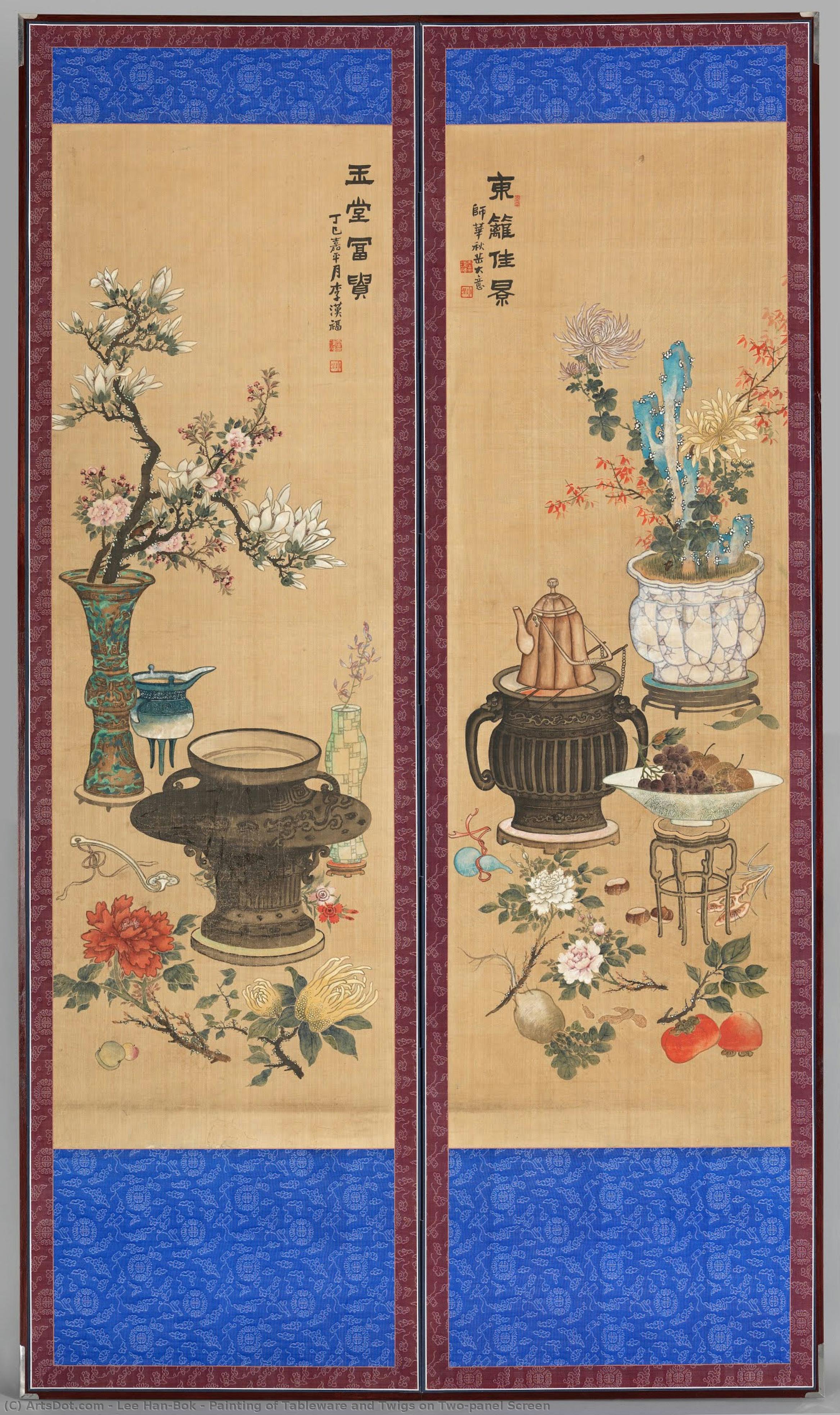
統計情報Painting of Tableware and Twigs on Two-panel Screen


 詳細を見る
詳細を見る
オンラインプレビューをはるかに凌ぐ、高解像度で鮮明なデジタル画像をご購入いただけます。
各ファイルは、社内の専門家が高度なツールと熟練した手作業によるレタッチを用いて、細心の注意を払って準備されています。すべての画像において、卓越した鮮明度、正確な色彩再現性、そして繊細なディテールを保証いたします。
最終ファイルは、プロフェッショナルな編集・印刷環境ですぐにご利用いただけるよう最適化された状態で、72時間以内にメールにてお届けいたします。これは、一流のデザインスタジオ、出版社、ギャラリーから信頼されているものと同等の品質です。
デジタルアート
個人での鑑賞、印刷、クリエイティブなプロジェクト用に、高解像度ファイルをダウンロードできます。 ( プリント版に切り替え 手描きの絵画を購入)
デジタル画像のご注文に付随する特典
高品質なデジタル画像配信を、確かな品質で。
ArtsDot.com を選ぶことは、単に画像を手に入れることではありません。それは、プロの手によって精密に仕上げられ、満足保証が付いた高品質なデジタルアートワークを受け取ることを意味します。ご注文いただいた際に自動的に付随する内容は、以下の通りです:

メールですぐにお届け
ご注文から72時間以内に、高解像度のデジタル画像ファイルがメールでお手元に届きます。すぐにそのままご利用いただけます。

AI技術で最適化されたデジタルファイル
お客様の作品は、高度なAIツールと専門家による手作業の編集を組み合わせてプロフェッショナルに最適化されており、細部のディテール、鮮明さ、そして正確な色再現性を最大限に引き出しています。

一生涯無料の再送サービス
ファイルを誤って削除したり、紛失してしまったりしましたか?ご安心ください。いつでも無料で再送いたします。

輸入手数料は一切かかりません
関税や手数料、配送料を気にすることなく、お気に入りのアートワークをすぐにお楽しみいただけます。デジタルダウンロードは常に免税です。

色彩再現の保証
プロ仕様のツールとカラーマネジメント技術を用いることで、デジタル画像が元の色を最大限に忠実に再現することを保証いたします。

100日間満足保証
ご購入いただいたデジタル画像にご満足いただけない場合は、100日以内であれば、理由を問わず修正または100%の返金対応をさせていただきます。

100% 返金保証
ご満足いただけない場合は、デジタルファイルを受け取ってから100日以内であれば、理由を問わず全額返金いたします。

まとめ買い割引
3枚購入で10%OFF - 5枚購入で15%OFF - 10枚以上購入で20%OFF。クリエイティブなプロジェクト、ギャラリー、エージェンシーに最適です。
関連作品


作家の略歴
Ivan Albright: A Master of Illusion and Decay
Born in North Harvey, Illinois, on February 20, 1897, Ivan Le Lorraine Albright was a uniquely American painter whose work defied easy categorization yet profoundly impacted the art world. His career unfolded against the backdrop of significant social and artistic shifts – from the burgeoning realism of the early 20th century to the rise of magic realism and beyond. Albright’s life itself offered an intriguing starting point for his art; he was the son of a wealthy Illinois businessman, affording him access to education and travel that would shape his distinctive style. He initially studied at Northwestern University and the University of Illinois before finding his true calling in the vibrant artistic community of Chicago. His formal training included stints at the Art Institute of Chicago and the Pennsylvania Academy of the Fine Arts, but it was through independent study and a deep engagement with the world around him that Albright truly developed his singular vision.Early Influences and Artistic Development
Albright’s artistic journey began with an interest in Impressionism, mirroring the techniques he observed during his European travels between 1919 and 1921. He was deeply moved by the works of Monet, Pissarro, and other masters who captured fleeting moments of light and color. However, this early influence quickly evolved as Albright began to explore darker themes and a more meticulous approach to representation. His work during the 1930s reflected a growing fascination with decay, corruption, and the unsettling beauty of the grotesque – a departure from the optimistic ideals prevalent in many contemporary works. This shift was partly influenced by the anxieties of the Great Depression and the looming threat of war, but also by a deeply personal interest in mortality and the human condition. He began to experiment with exaggerated realism, meticulously rendering every detail—from the texture of skin to the sheen of fabric—with an almost obsessive precision.Key Works and Notable Paintings
Albright’s most famous work, *Into the World There Came a Soul Called Ida* (1930), exemplifies his signature style. This portrait of an aging woman gazing into a mirror is a haunting meditation on time, beauty, and the inevitability of decline. The painting's unsettling realism—the woman’s bloated features, her vacant stare, and the distorted reflection—creates a powerful sense of unease and psychological depth. Another significant piece, *That Which I Should Have Done I Did Not Do (The Door)* (1931-1941), further explored themes of regret and lost opportunity through a depiction of a decaying door adorned with a funeral wreath. This work, awarded the Temple Gold medal at the Pennsylvania Academy of the Fine Arts in 1942, demonstrated Albright’s ability to evoke profound emotion through seemingly simple imagery. Later in his career, he created *Picture of Dorian Gray* (1943-44), a portrait that captured the decadent and ultimately destructive nature of vanity and self-indulgence, directly inspired by Oscar Wilde's novel.Magic Realism and Historical Significance
Albright’s work is often associated with magic realism, a style characterized by its juxtaposition of fantastical or surreal elements within a realistic framework. While he never explicitly embraced this label, his paintings—with their heightened sense of detail, unsettling imagery, and exploration of psychological themes—clearly align with the principles of magic realism. Albright's influence extends beyond his own artistic output; he helped to pave the way for later artists who explored similar themes of decay, mortality, and the subconscious. His meticulous technique and willingness to confront uncomfortable truths resonated with a generation grappling with profound social and political changes. His work continues to be studied and admired for its technical brilliance, emotional depth, and enduring relevance.Legacy and Later Years
Ivan Albright spent his later years in Woodstock, Vermont, continuing to paint until his death on November 18, 1983, at the age of 86. His art remained largely unrecognized during his lifetime, but it gained increasing recognition after his death. Today, Albright is considered one of America’s most important and enigmatic painters, a master of illusion who used meticulous realism to explore the darkest corners of the human psyche. His paintings serve as powerful reminders of our own mortality and the unsettling beauty that can be found in decay and corruption.
lee han-bok
1897 - 1940