

 プレビュー
プレビュー
 シェアする
シェアする シェアする
シェアする
 詳細を見る
詳細を見る

 ダウンロード
 似ている作品
 X線調査
X線調査 スライドショー
 Stats
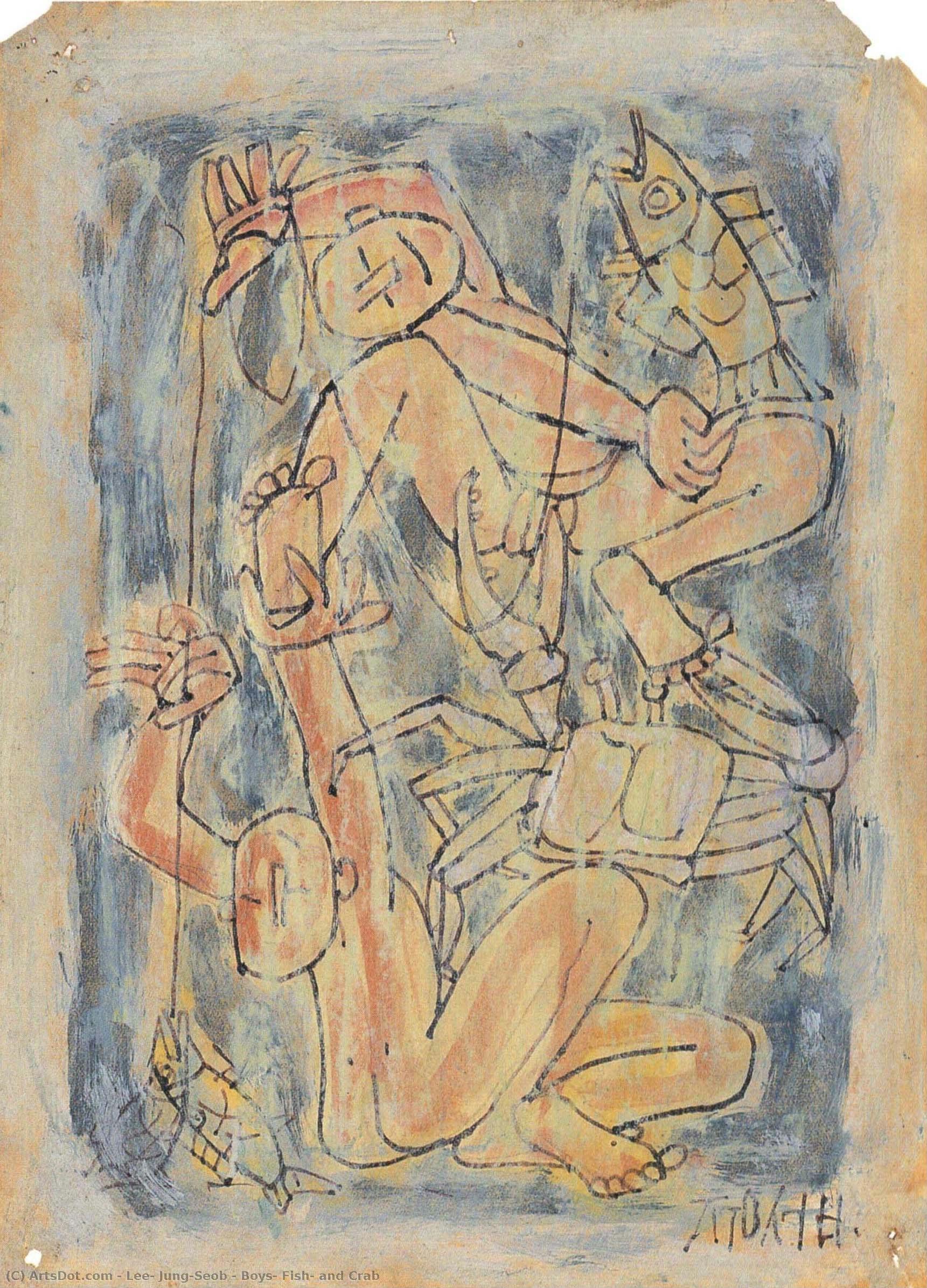
StatsBoys, Fish, and Crab
 Acrylic On Canvas
- WallArt
- Modern Korean Art
 19.0 x 26.0 cm
 国立中央博物館
 詳細を見る
詳細を見る
オンラインプレビューをはるかに凌ぐ、高解像度で鮮明なデジタル画像をご購入いただけます。
各ファイルは、社内の専門家が高度なツールと熟練した手作業によるレタッチを用いて、細心の注意を払って準備されています。すべての画像において、卓越した鮮明度、正確な色彩再現性、そして繊細なディテールを保証いたします。
最終ファイルは、プロフェッショナルな編集・印刷環境ですぐにご利用いただけるよう最適化された状態で、72時間以内にメールにてお届けいたします。これは、一流のデザインスタジオ、出版社、ギャラリーから信頼されているものと同等の品質です。
デジタルアート
個人での鑑賞、印刷、クリエイティブなプロジェクト用に、高解像度ファイルをダウンロードできます。 ( Switch to Print 手描きの絵画を購入)
デジタル画像のご注文に付随する特典
高品質なデジタル画像配信を、確かな品質で。
ArtsDot.com を選ぶことは、単に画像を手に入れることではありません。それは、プロの手によって精密に仕上げられ、満足保証が付いた高品質なデジタルアートワークを受け取ることを意味します。ご注文いただいた際に自動的に付随する内容は、以下の通りです:

メールですぐにお届け
ご注文から72時間以内に、高解像度のデジタル画像ファイルがメールでお手元に届きます。すぐにそのままご利用いただけます。

AI技術で最適化されたデジタルファイル
お客様の作品は、高度なAIツールと専門家による手作業の編集を組み合わせてプロフェッショナルに最適化されており、細部のディテール、鮮明さ、そして正確な色再現性を最大限に引き出しています。

一生涯無料の再送サービス
ファイルを誤って削除したり、紛失してしまったりしましたか?ご安心ください。いつでも無料で再送いたします。

輸入手数料は一切かかりません
関税や手数料、配送料を気にすることなく、お気に入りのアートワークをすぐにお楽しみいただけます。デジタルダウンロードは常に免税です。

色彩再現の保証
プロ仕様のツールとカラーマネジメント技術を用いることで、デジタル画像が元の色を最大限に忠実に再現することを保証いたします。

100日間満足保証
ご購入いただいたデジタル画像にご満足いただけない場合は、100日以内であれば、理由を問わず修正または100%の返金対応をさせていただきます。

100% 返金保証
ご満足いただけない場合は、デジタルファイルを受け取ってから100日以内であれば、理由を問わず全額返金いたします。

まとめ買い割引
3枚購入で10%OFF - 5枚購入で15%OFF - 10枚以上購入で20%OFF。クリエイティブなプロジェクト、ギャラリー、エージェンシーに最適です。
A Moment of Childhood Joy: Lee Jung-seob’s “Boys, Fish, and Crab”
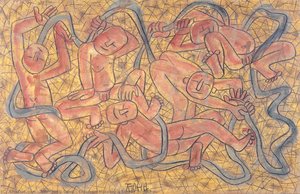
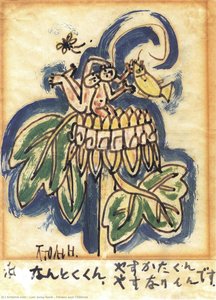
Lee Jung-seob's "Boys, Fish, and Crab" isn’t merely a painting; it’s a portal into a fleeting moment of pure, unadulterated joy. Completed in 1950 during the tumultuous years following the Korean War, this watercolor captures a scene of innocent play – three children immersed in a world of fish and crabs on a sun-drenched shore. The work immediately resonates with a profound sense of nostalgia, evoking memories of carefree summers and the simple pleasures of childhood. It’s a testament to Lee's remarkable ability to distill complex emotions into deceptively simple forms, creating an image that is both deeply personal and universally relatable.

A Window into Korean Modernism
Lee Jung-seob stands as a pivotal figure in the development of Korean modern art. Born in 1916 in Pyeongannamdo, South Korea, his artistic journey was shaped by both traditional Korean aesthetics and the burgeoning influences of Western art movements. He initially studied at Teikoku Art School for Occidental Painting in Japan, absorbing elements of Fauvism – a bold departure from naturalistic representation with its emphasis on vibrant color and expressive brushstrokes. This early exposure to avant-garde techniques profoundly impacted his later work, informing his distinctive style characterized by loose, gestural lines and an intuitive approach to color.
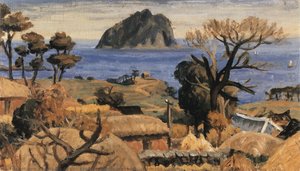
Following the war, Lee’s artistic focus shifted towards depicting scenes of everyday Korean life, often centered around family and rural landscapes. “Boys, Fish, and Crab” exemplifies this commitment, offering a poignant glimpse into a world grappling with recovery while simultaneously celebrating the enduring spirit of childhood. The painting's placement within the National Museum of Korea underscores its significance as a cornerstone of Korean art history.
The Language of Watercolor: Technique and Emotion
Lee Jung-seob’s masterful use of watercolor is central to the work’s evocative power. He employs loose, fluid brushstrokes that capture the dappled sunlight filtering through the trees and the shimmering reflections on the water's surface. The colors are remarkably vibrant – a joyful palette of blues, greens, yellows, and reds—that contribute to the painting’s overall sense of warmth and optimism. Notice how he uses washes of color to create an atmospheric depth, suggesting movement and spontaneity. The children themselves are rendered with simple, almost childlike lines, further emphasizing their innocence and vulnerability.
Furthermore, the artist's decision to depict the scene in watercolor—a medium known for its delicate transparency and ability to capture fleeting moments—perfectly aligns with the painting’s theme of ephemeral beauty. The colors seem to bleed into one another, mirroring the fluidity of childhood memories and the transient nature of time.
Symbolism and a Legacy of Korean Identity
Beyond its immediate depiction of children playing, “Boys, Fish, and Crab” carries deeper symbolic weight. The presence of fish and crabs—common elements of the Korean coastline—connects the scene to the nation’s rich maritime heritage. The act of fishing itself represents a connection to nature and a celebration of rural life, values that were increasingly valued in post-war Korea. Lee Jung-seob's work, particularly this piece, is deeply rooted in his Korean identity, reflecting both the hardships endured during the war and the enduring hope for a brighter future.
His legacy continues to inspire artists today, solidifying his place as one of South Korea’s most important modern painters. Reproductions of “Boys, Fish, and Crab” offer a beautiful way to bring this evocative artwork into your home or office, serving as a reminder of the simple joys of life and the enduring spirit of Korean culture.
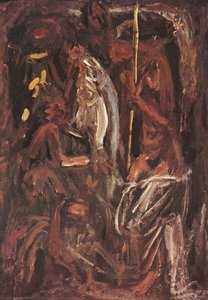
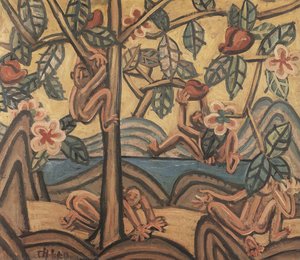
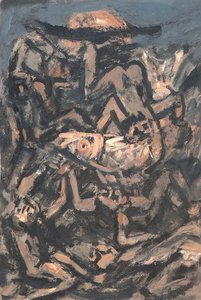
作家の略歴
油彩画の韓国の巨匠
李中燮(イ・ジュンスプ)は、その心を捉えて離さない油彩画によって、美術界に消えることのない足跡を残した韓国の著名な芸術家です。1916年に韓国の平安南道に生まれた彼の芸術的な旅路は、常に革新性に満ち、自らの伝統的な遺産との深い結びつきによって形作られていました。芸術的貢献
李中燮の名を世界に知らしめたのは、その象徴的な作品である'白牛'です。この傑作は、油彩画の巧みな技法を証明するものであり、韓国の伝統的な要素とモダンな技法を融合させた彼独自のスタイルを見事に描き出しています。- 主要作品:
- 作品を収蔵する美術館:
- 韓国国立中央博物館(韓国、ソウル)
遺産と影響
1956年にソウルで迎えた李中燮の死は、一つの時代の終焉を意味しましたが、同時に次世代の韓国人アーティストたちの道を切り拓くことにもなりました。彼の魂が宿る影響力は、現代の多くの韓国人画家たちの作品の中にも脈々と受け継がれています。李中燮の芸術をさらに探索する: https://ArtsDot.com/@/lee-jung-seob | ArtsDotにて、彼の膨大な絵画コレクションをご覧ください。他の著名な芸術家について学ぶ: /ja/art/list/ | ArtsDotで、偉大な芸術家たちのリストを閲覧してください。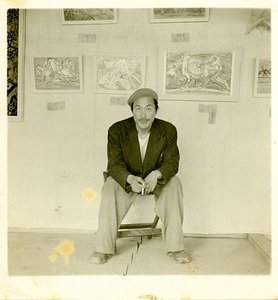
李承燮
1916 - 1956 , 韓国
プロフィール概要
- Artistic Movement Or Style: 韓国近代美術
- Artists Or Movements Influenced By This Artist: ['フォーヴィスム']
- Artists Who Influenced This Artist: ['高句麗古墳壁画']
- Date Of Birth: 1916年4月10日
- Date Of Death: 1956年9月6日
- Full Name: 李承燮 (イ・ジュンスプ)
- Nationality: 韓国
- Notable Artworks:
- 白牛
- 家族と鳩
- 子供、魚、蟹
- Place Of Birth: 朝鮮、平安南道