

 プレビュー
プレビュー
 シェアする
シェアする シェアする
シェアする
 詳細を見る
詳細を見る

 ダウンロード
 似ている作品
 X線調査
X線調査 スライドショー
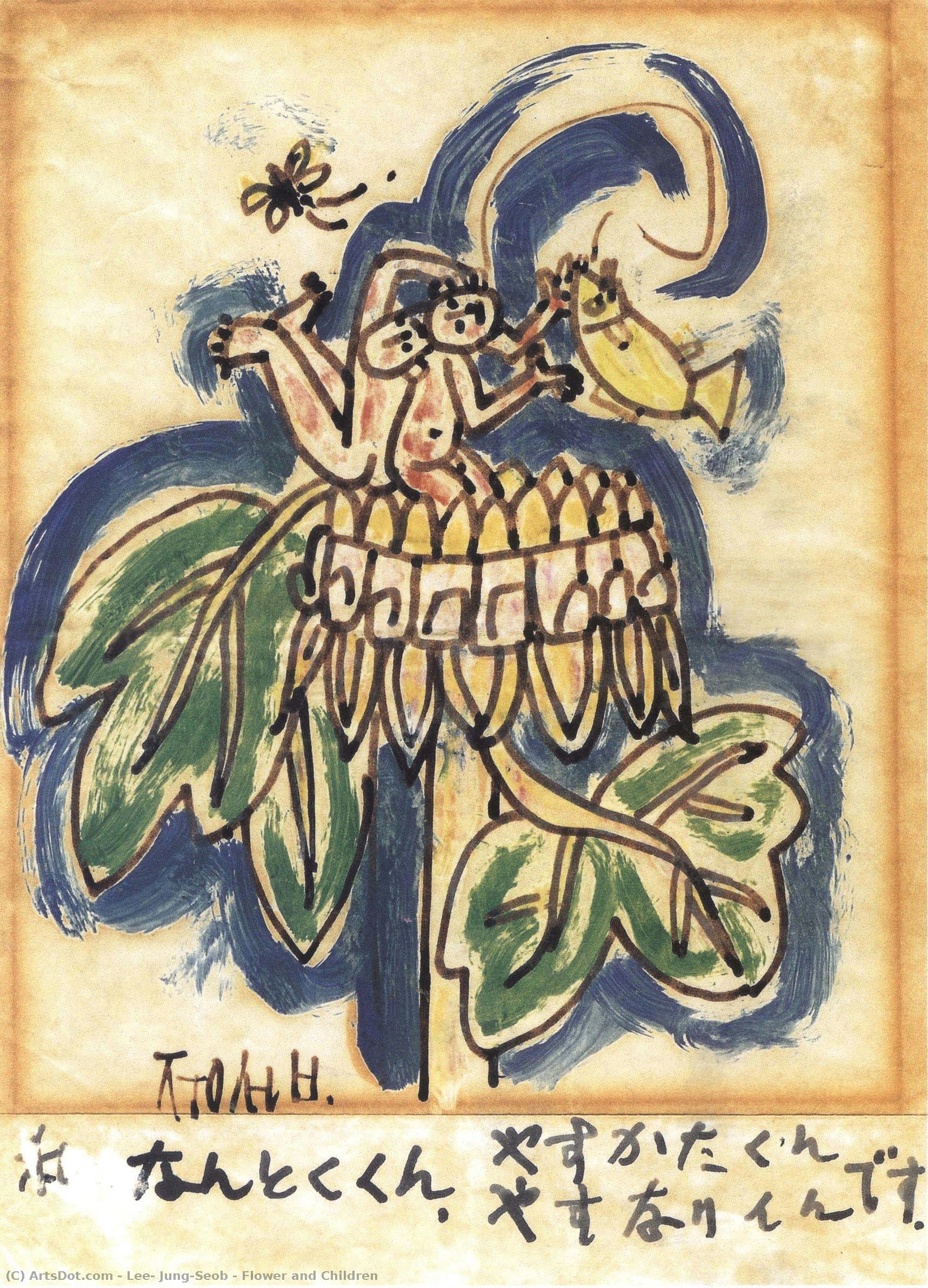
Flower and Children
 Acrylic On Canvas
- WallArt
- Modern Korean Art
 18.0 x 23.0 cm
 国立中央博物館
 詳細を見る
詳細を見る
ジークレー/アートプリント
迅速な制作と多彩な仕上げオプションを備えた、ミュージアムクオリティのジークレーまたはキャンバスプリント。 ( 手描きの絵画を購入 画像を購入)




P118B $10

P118H $10

P118W $10

P438Z $10

P508JH $12

P508YH $12

P805H $10

P805Z $10

P919BZ $10

P919G $10

P919XJ $10

P959ZH $10

P968JZ $12

W106C $8

W218G $10

W218JH $8

W218Y $10

W307PJ $10

W316G $10

W316PJ $8

W316Y $10

W398PJ $8

W4111J $10

W500HY $15

W500JH $15

W692G $12

W849H $8

W940BG $15

W953PJ $8




作品のオリジナル比率に合わせた、当店の規定サイズからお選びください。

特定のフレームやスペースに合わせて、ご自身でサイズを指定することも可能です。選択されたサイズが元の画像の比率と一致しない場合、作品をトリミングするか、鏡面反射または単色での塗りつぶしによって画像を拡張いたします。制作を開始する前に、ご確認用のデジタルモックアップをお送りいたします。
画面上のプレビューには、実際のトリミングや拡張は反映されませんのでご注意ください。最終的な構図を正確に確認できるのは、モックアップのみとなります。
カスタムサイズも承っておりますが、元の比率を維持するためには、あらかじめ用意されたリストからサイズを選択することをお勧めいたします。


 ガラスオプションは、110cm未満のサイズでのみご利用いただけます。

Flower and Children
ジークレー/アートプリント
複製画のサイズ
-


合計金額
$ 62
A Window Into Gentle Rebellion: Lee Jung-Seob’s “Flower and Children”
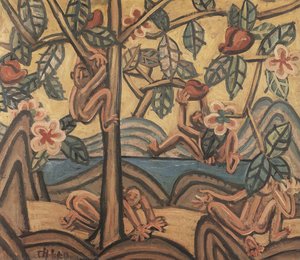
Lee Jung-Seob's "Flower and Children," painted in 1950s Korea, isn’t merely a depiction of two monkeys amidst a blossoming tree; it’s a poignant distillation of the era’s burgeoning spirit of quiet rebellion and an enduring symbol of childhood innocence. Born in Pyeongannamdo in 1916, Lee Jung-Seob emerged as a pivotal figure in Korean oil painting, skillfully blending traditional Korean aesthetics with the evolving techniques of modernism. His work, particularly this evocative piece, resonates deeply not just for its technical mastery but also for the subtle narrative it unfolds – a story of connection, observation, and a gentle defiance against the rigid constraints of societal expectations.
The painting itself is rendered in a deceptively simple style, characteristic of Lee’s mature work. He employs a muted palette dominated by earthy greens, browns, and soft blues, creating an atmosphere of serene tranquility. The monkeys, rendered with remarkable detail – their fur meticulously brushed, their expressions subtly inquisitive – are the focal point. They aren't presented as wild animals, but rather as companions, engaged in playful interaction within a vibrant, almost dreamlike setting. The abundance of flowers, depicted with delicate strokes and varying shades of color, isn’t just decorative; it represents a burgeoning hope, a celebration of life, and perhaps even a quiet resistance to the prevailing seriousness of the time.
The Context of Korean Modernism
To fully appreciate “Flower and Children,” one must consider the broader context of Korean art in the 1950s. Following decades of Japanese colonial rule and subsequent war, Korea was grappling with a profound sense of national identity and searching for its artistic voice. Lee Jung-Seob, along with other pioneering artists like Kim Whan-gi, played a crucial role in establishing modern Korean painting as a legitimate art form. They drew inspiration from both Western traditions – particularly Impressionism and Post-Impressionism – and the rich visual vocabulary of Korean folk art and landscape painting. “Flower and Children” exemplifies this synthesis: it’s a distinctly Korean work that simultaneously engages with universal themes of childhood, nature, and human connection.
Symbolism in the Details
The seemingly simple composition is laden with symbolic weight. The monkeys themselves have long been associated with intelligence, playfulness, and adaptability – qualities highly valued in Korean culture. Their interaction within the floral setting suggests a harmonious coexistence, a gentle balance between the natural world and human experience. Notably, one monkey appears to be holding an object in its mouth—a detail often interpreted as representing the potential for both joy and mischief, innocence and experience. The flowers aren’t just beautiful; they represent growth, renewal, and the fleeting nature of life – themes that resonate powerfully within the painting.
A Legacy of Quiet Beauty
“Flower and Children” resides at the National Museum of Korea in Seoul, a testament to its enduring significance. It's a work that invites contemplation, prompting viewers to consider the delicate balance between tradition and modernity, innocence and experience, and the quiet beauty found within everyday moments. Reproductions of this captivating painting offer a window into Lee Jung-Seob’s artistic vision and provide a poignant reminder of Korea’s rich cultural heritage. Its timeless appeal continues to resonate with collectors and interior designers seeking pieces that evoke a sense of serenity, nostalgia, and understated elegance.
アーティストの略歴
油彩画の韓国の巨匠
李中燮(イ・ジュンスプ)は、その心を捉えて離さない油彩画によって、美術界に消えることのない足跡を残した韓国の著名な芸術家です。1916年に韓国の平安南道に生まれた彼の芸術的な旅路は、常に革新性に満ち、自らの伝統的な遺産との深い結びつきによって形作られていました。芸術的貢献
李中燮の名を世界に知らしめたのは、その象徴的な作品である'白牛'です。この傑作は、油彩画の巧みな技法を証明するものであり、韓国の伝統的な要素とモダンな技法を融合させた彼独自のスタイルを見事に描き出しています。- 主要作品:
- 作品を収蔵する美術館:
- 韓国国立中央博物館(韓国、ソウル)
遺産と影響
1956年にソウルで迎えた李中燮の死は、一つの時代の終焉を意味しましたが、同時に次世代の韓国人アーティストたちの道を切り拓くことにもなりました。彼の魂が宿る影響力は、現代の多くの韓国人画家たちの作品の中にも脈々と受け継がれています。李中燮の芸術をさらに探索する: https://ArtsDot.com/@/lee-jung-seob | ArtsDotにて、彼の膨大な絵画コレクションをご覧ください。他の著名な芸術家について学ぶ: /ja/art/list/ | ArtsDotで、偉大な芸術家たちのリストを閲覧してください。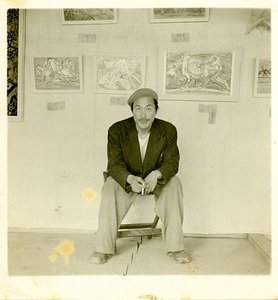
李承燮
1916 - 1956 , 韓国
基本情報
- Artistic Movement Or Style: 韓国近代美術
- Artists Or Movements Influenced By This Artist: ['フォーヴィスム']
- Artists Who Influenced This Artist: ['高句麗古墳壁画']
- Date Of Birth: 1916年4月10日
- Date Of Death: 1956年9月6日
- Full Name: 李承燮 (イ・ジュンスプ)
- Nationality: 韓国
- Notable Artworks:
- 白牛
- 家族と鳩
- 子供、魚、蟹
- Place Of Birth: 朝鮮、平安南道
関連記事

The Enduring Legacy of Oil on Canvas: Technique, History & Aesthetic Impact
Explore the rich history & techniques of oil painting – from Renaissance masters to Impressionism. Discover pigments, layering methods, and why this timeless medium endures. Expert insights for artists & art enthusiasts.

Oil on Canvas: A Historical & Technical Exploration of a Timeless Artistic Medium
Explore the rich history & enduring techniques of oil painting on canvas. Discover the science behind its longevity, conservation practices, and contemporary relevance. Expert insights for art enthusiasts.

The Enduring Power of Painting: A Historical & Contemporary Exploration of Form and Emotion
Explore the rich history & enduring techniques of oil painting with ArtsDot. Discover masterpieces, learn about art collecting, and find authentic handmade reproductions crafted by skilled artists.

油彩のキャンバス:技法、歴史、そして現代の実践 - 古典美術愛好家へ
油彩の技法、歴史、巨匠たちの秘密を徹底解説。古典美術愛好家向けに、初期フランドル絵画から現代の実践まで深く掘り下げます。ArtsDotで高品質な複製画やカスタムオーダーも承ります。
Blossoming Symbolism: A Historical Journey Through Flowers in Western Painting
Explore the rich history of flower symbolism in Western painting! Discover how artists from the Renaissance to Modernism used blossoms to convey meaning, emotion & beauty. Learn about iconic artworks and movements.