

 プレビュー
プレビュー
 プリントを購入
 シェアする
シェアする シェアする
シェアする
 詳細を見る
詳細を見る

 ダウンロード
 似ている作品
 X線調査
X線調査 スライドショー
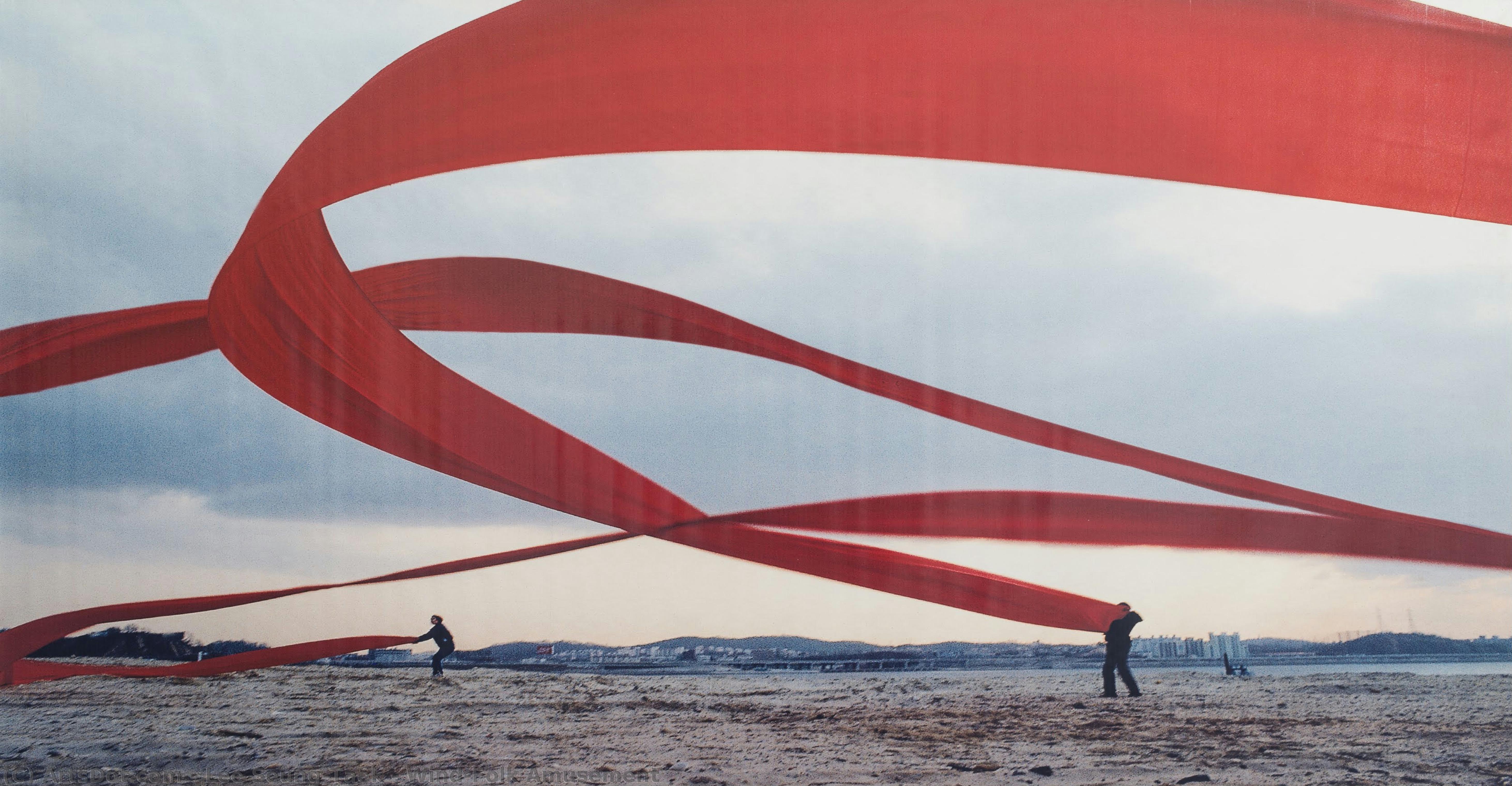
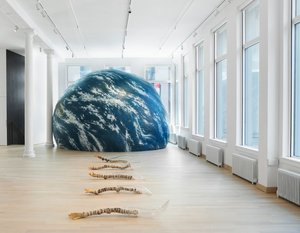
Wind-Folk Amusement

 詳細を見る
詳細を見る
オンラインプレビューをはるかに凌ぐ、高解像度で鮮明なデジタル画像をご購入いただけます。
各ファイルは、社内の専門家が高度なツールと熟練した手作業によるレタッチを用いて、細心の注意を払って準備されています。すべての画像において、卓越した鮮明度、正確な色彩再現性、そして繊細なディテールを保証いたします。
最終ファイルは、プロフェッショナルな編集・印刷環境ですぐにご利用いただけるよう最適化された状態で、72時間以内にメールにてお届けいたします。これは、一流のデザインスタジオ、出版社、ギャラリーから信頼されているものと同等の品質です。
デジタル画像のご注文に付随する特典
高品質なデジタル画像配信を、確かな品質で。
ArtsDot.com を選ぶことは、単に画像を手に入れることではありません。それは、プロの手によって精密に仕上げられ、満足保証が付いた高品質なデジタルアートワークを受け取ることを意味します。ご注文いただいた際に自動的に付随する内容は、以下の通りです:

メールですぐにお届け
ご注文から72時間以内に、高解像度のデジタル画像ファイルがメールでお手元に届きます。すぐにそのままご利用いただけます。

AI技術で最適化されたデジタルファイル
お客様の作品は、高度なAIツールと専門家による手作業の編集を組み合わせてプロフェッショナルに最適化されており、細部のディテール、鮮明さ、そして正確な色再現性を最大限に引き出しています。

一生涯無料の再送サービス
ファイルを誤って削除したり、紛失してしまったりしましたか?ご安心ください。いつでも無料で再送いたします。

輸入手数料は一切かかりません
関税や手数料、配送料を気にすることなく、お気に入りのアートワークをすぐにお楽しみいただけます。デジタルダウンロードは常に免税です。

色彩再現の保証
プロ仕様のツールとカラーマネジメント技術を用いることで、デジタル画像が元の色を最大限に忠実に再現することを保証いたします。

100日間満足保証
ご購入いただいたデジタル画像にご満足いただけない場合は、100日以内であれば、理由を問わず修正または100%の返金対応をさせていただきます。

100% 返金保証
ご満足いただけない場合は、デジタルファイルを受け取ってから100日以内であれば、理由を問わず全額返金いたします。

まとめ買い割引
3枚購入で10%OFF - 5枚購入で15%OFF - 10枚以上購入で20%OFF。クリエイティブなプロジェクト、ギャラリー、エージェンシーに最適です。
関連作品







作家の略歴
Lee Seung-taek: Architect of the Anti-Concept
Born in Goyang, South Korea, in 1932, Lee Seung-taek stands as a pivotal figure in Korean art history – not merely an artist, but a radical innovator who fundamentally challenged conventional notions of sculpture and artistic expression. His journey, marked by displacement during the Korean War and a profound engagement with philosophy, ultimately led him to develop a unique practice centered around what he termed “anti-concept” or “non-sculpture.” This approach wasn’t simply an aesthetic choice; it was a deliberate rejection of established art historical frameworks and a passionate exploration of the relationship between object, space, and meaning. Lee's work, often incorporating humble materials like stone, rope, newsprint, and even discarded objects, invites viewers to question their assumptions about what constitutes ‘art’ and how we perceive its value.
Early Life and Influences
Lee’s early life was shaped by the turbulent backdrop of post-war Korea. Born in Kowon, a small village in Hamgyeongnam-do Province, he experienced firsthand the displacement and hardship caused by the Korean War. This experience instilled within him a deep sense of questioning and a desire to transcend conventional boundaries. His intellectual curiosity extended beyond artistic pursuits; he became deeply influenced by the philosophy of Friedrich Nietzsche, particularly his ideas on perspectivism and the rejection of fixed truths. This philosophical engagement profoundly shaped his approach to art, leading him to actively dismantle traditional sculptural conventions and explore alternative modes of representation.
The Development of ‘Non-Sculpture’
Lee's artistic trajectory began in the 1960s, a period marked by significant experimentation within Korean contemporary art. Rejecting the prevailing emphasis on formal sculptural techniques and Western artistic trends, he embarked on a radical exploration of what he termed “non-sculpture.” This wasn’t simply an absence of sculpture; it was a deliberate construction of meaning through unconventional materials and processes. He began utilizing everyday objects – stone, rope, newsprint – transforming them into evocative assemblages that defied easy categorization. His work during this period, exemplified by pieces like "Game in Wooden Construction" and “Wind-Folk Amusement,” moved beyond traditional notions of representation, focusing instead on the inherent qualities of the materials themselves and their interaction with space.
- Material as Metaphor: Lee frequently employed humble materials – stone, rope, newsprint – to create works that spoke volumes about human experience and the passage of time.
- Deconstruction of Form: His “non-sculptural” pieces deliberately avoided traditional sculptural forms, challenging viewers’ expectations of what art should be.
- Environmental Engagement: Lee's later work increasingly explored themes related to nature, incorporating elements like wind and fire into his installations, reflecting a deep connection with the Korean landscape.
Key Achievements and Recognition
Despite facing initial skepticism from the established art world in Korea, Lee’s innovative approach gradually gained recognition. In 2009, he was awarded the prestigious Nam June Paik Art Center Prize – a significant acknowledgement of his pioneering role in Korean experimental art. This award marked a turning point, elevating his work to international prominence. His influence can be seen in subsequent generations of Korean artists who continue to push the boundaries of artistic expression.
- Nam June Paik Art Center Prize (2009): The first recipient of this prestigious award, recognizing Lee’s contribution to experimental art.
- Influence on Contemporary Korean Art: Lee's work has profoundly influenced a generation of Korean artists who continue to explore unconventional materials and processes.
- Museum Collections: His works are held in prominent collections worldwide, including the Tate Modern in London and the National Museum of Modern and Contemporary Art in Seoul.
Legacy and Significance
Lee Seung-taek’s legacy extends far beyond his individual creations. He fundamentally shifted the discourse around Korean art, challenging established hierarchies and paving the way for a more diverse and experimental artistic landscape. His concept of “anti-concept” – a deliberate rejection of conventional notions of art and its purpose – remains remarkably relevant today, prompting us to question our assumptions about creativity, value, and the very nature of artistic expression. His work serves as a powerful reminder that art can be found in the most unexpected places, and that true innovation often lies in challenging the status quo.
Lee Seung-taek
1932 - , South Korea
プロフィール概要
- Artistic Movement Or Style: Experimental art, Anti-concept
- Artists Or Movements Influenced By This Artist:
- Nam June Paik
- Land Art
- Mono-ha
- Artists Who Influenced This Artist:
- Lee Ungno
- Nietzsche
- Date Of Birth: May 12, 1932
- Full Name: Lee Seung-taek
- Nationality: South Korean
- Notable Artworks:
- Game in Wooden Construction
- Wind-Folk Amusement
- The Burning Canvas Floating on the River
- Place Of Birth: Goyang, South Korea