

 プレビュー
プレビュー
 プリントを購入
 シェアする
シェアする シェアする
シェアする
 詳細を見る
詳細を見る

 ダウンロード
 似ている作品
 X線調査
X線調査 スライドショー
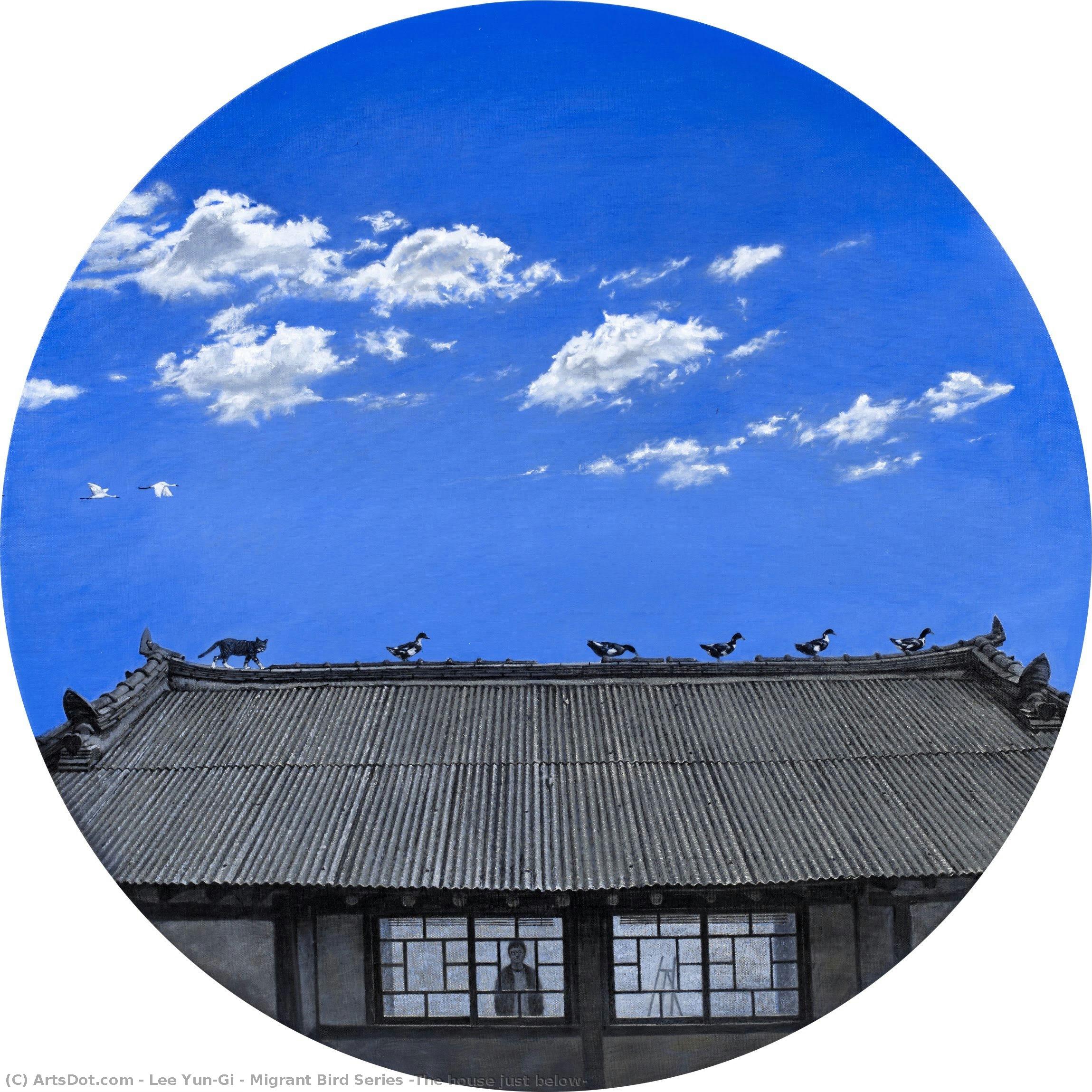
Migrant Bird Series (The house just below)


 詳細を見る
詳細を見る




P118B $10

P118H $10

P118W $10

P438Z $10

P508JH $12

P508YH $12

P805H $10

P805Z $10

P919BZ $10

P919G $10

P919XJ $10

P959ZH $10

P968JZ $12

W106C $8

W218G $10

W218JH $8

W218Y $10

W307PJ $10

W316G $10

W316PJ $8

W316Y $10

W398PJ $8

W4111J $10

W500HY $15

W500JH $15

W692G $12

W849H $8

W940BG $15

W953PJ $8




作品のオリジナル比率に合わせた、当店の規定サイズからお選びください。

特定のフレームやスペースに合わせて、ご希望のサイズをご入力いただけます。選択されたサイズが元の画像の比率と異なる場合、アートワークをトリミングするか、手描きで要素を追加して絵画を拡張いたします。デジタルモックアップ を制作し、制作開始前にご確認(承認)をいただきます。
画面上のプレビューは、実際のトリミングや拡張を正確に反映しているものではありません。最終的な構図は、モックアップによってのみ正確にご確認いただけます。
カスタムサイズもご利用いただけますが、元の比率を維持するためには、あらかじめ用意されたリストからサイズを選択することをお勧めいたします。
ご注文後、ArtsDot.com チームより詳細な指示をお送りするとともに、仕上がりイメージ(モックアップ)をご提供いたします。


 ガラスオプションは、110cm未満のサイズでのみご利用いただけます。

Migrant Bird Series (The house just below)
複製技法
複製画のサイズ
-


合計金額
$ 263
A Sky of Infinite Serenity
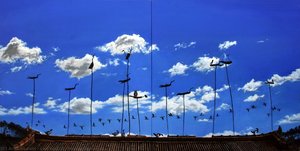
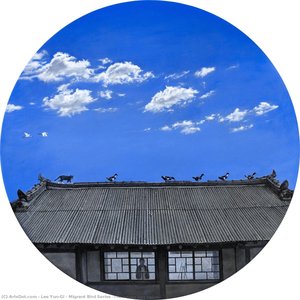
In the breathtaking composition of Migrant Bird Series (The house just below), Lee Yun-gi invites the viewer to lift their gaze from the terrestrial realm toward an expansive, ethereal blue. The canvas unfolds as a celestial stage where soft, drifting clouds dance alongside a scattered flock of birds, their silhouettes caught in a moment of eternal transit. This is not merely a depiction of a sky; it is an invitation into a meditative state. The presence of two airplanes, slicing through the atmosphere with quiet grace, introduces a poignant dialogue between the ancient, instinctive rhythms of nature and the modern, mechanical reach of humanity. There is a profound stillness captured here, a sense of weightlessness that allows the soul to wander through the azure depths.
The visual narrative is anchored by the subtle presence of a building’s roof at the base of the frame, providing a structural counterpoint to the fluid heavens above. This architectural element serves as our terrestrial anchor, reminding us of the "house just below" and the lives lived beneath the vastness. The interplay between the textured, patterned roof and the soft, nebulous clouds creates a rich sensory experience, where the solid meets the ephemeral. For the discerning collector or interior designer, this piece offers a unique ability to transform a room, acting as a window into a peaceful dimension that breathes life and light into any sophisticated living space.
The Intersection of Memory and Motion
To understand the profound emotional resonance of this work, one must consider the artistic lineage of Lee Yun-gi. Emerging from the complex landscape of post-war South Korean literature, Yun-gi brought a writer’s sensitivity to his visual expressions. His ability to blend mythic undertones with contemporary observations is palpable in the way the birds move across the sky—they are both biological entities and symbols of the migratory spirit, representing the restless movement of memory and the cyclical nature of existence. The technique employed in this series emphasizes a delicate balance of light and atmosphere, using subtle gradations of blue to create a sense of immense depth that pulls the viewer inward.
The emotional impact of the piece lies in its ability to evoke nostalgia and peace simultaneously. It captures a fleeting moment of harmony where the man-made and the natural coexist without friction. For those seeking to curate an environment of tranquility, this reproduction serves as a focal point of contemplative beauty. It is a work that does not demand attention through aggression, but rather earns it through a quiet, persistent grace, making it an ideal masterpiece for high-end residential or professional settings where inspiration and calm are paramount.
関連作品
アーティストの略歴
The Weaver of Myth and Memory
Lee Yun-gi (1947–2010) occupied a rare space in the Korean cultural landscape, acting as a bridge between the profound depths of ancient mythology and the visceral realities of modern existence. Born in Gunwi-si, South Korea, his early life was shaped by the complex tensions of a nation navigating its postwar identity. While history often remembers him as a titan of literature—a prize-winning novelist and a prolific translator who brought the intricate labyrinths of Umberto Eco to Korean readers—his artistic soul sought expression through a more tactile medium. For Lee, the boundaries between the written word and the painted canvas were fluid; both served as vessels for exploring the psychological repercussions of conflict, displacement, and the enduring power of human connection.
His creative journey was profoundly marked by his observations during the Vietnam War, an experience that birthed his 1977 literary debut, Hayan Hellikop. This early encounter with the shadows of war ignited a lifelong preoccupation with themes of trauma and survival. As he matured, his intellectual horizons expanded through formal studies at Michigan State University, where he immersed himself in comparative literature and religious studies. This academic rigor allowed him to master the art of translation, eventually publishing over 150 works that included the heavy, symbolic weight of Greek and Roman myths. This deep immersion in classical archetypes provided the foundational vocabulary for his visual art, allowing him to infuse his paintings with a sense of timelessness and universal truth.
Texture, Symbolism, and the Visual Narrative
In his transition from the precision of translation to the expressive freedom of painting, Lee Yun-gi developed a stylistic approach that was as much about physical sensation as it was about visual representation. His work is characterized by a remarkable use of texture, where layers of pigment are built upon the canvas to create a palpable, sculptural depth. This technique does not merely depict a subject; it invites the viewer to feel the weight of history and the grit of memory. In celebrated pieces such as Blue-eyed Owl, Lee utilizes avian symbolism—a recurring motif in his oeuvre—to evoke a sense of watchful wisdom and the ethereal connection between the earthly and the divine.
The artist’s ability to blend disparate elements is perhaps his greatest achievement. His paintings often mirror the structure of his prose, utilizing subtle variations in color and heavy impasto to drive a narrative forward without the need for explicit depiction. In series such as the Migrant Bird Series, he explores the poignant themes of displacement and the search for home, reflecting the socio-political shifts of the Korean peninsula. Through his use of light and shadow, Lee creates landscapes that feel both intimately personal and mythically vast, turning the canvas into a space where the individual struggle meets the collective human experience.
A Legacy of Intercultural Dialogue
The historical significance of Lee Yun-gi lies in his role as a cultural mediator. By translating the complexities of Western thought into the Korean vernacular, and subsequently translating those same archetypes into a visual language, he fostered a unique intercultural dialogue. His work resisted the easy comforts of simple description, opting instead for a dynamic use of dialogue—both literal in his books and metaphorical in his paintings—to challenge and engage his audience. He approached life with a characteristic sense of optimism and wit, refusing to succumb to the despair of human cruelty, choosing instead to focus on the resolution of conflict through creativity.
Ultimately, Lee Yun-gi’s legacy is one of profound synthesis. He remains a significant figure in contemporary Korean art because he successfully merged the analytical precision of a scholar with the emotive power of a storyteller. His life's work stands as a testament to the idea that whether through the meticulous translation of a text or the heavy application of paint to a canvas, the ultimate goal of the artist is to uncover the universal truths that bind us all together across time and geography.
Lee Yun-gi
1947 - 2010 , South Korea
基本情報
- Artistic Movement Or Style: Modern Fiction
- Date Of Birth: 1947
- Date Of Death: 2010
- Full Name: Lee Yun-gi
- Nationality: Korean
- Notable Artworks:
- Blue-eyed Owl
- Migrant Bird Series (DMZ Labor Party Office)
- Migrant Bird Series (The house just below)
- Place Of Birth: Gunwi-si, South Korea
関連記事
Slate Blue Masterpieces: 10 Iconic Paintings & Timeless Home Decor Ideas
Immerse yourself in the captivating world of slate blue! Explore 10 iconic paintings by Monet, Van Gogh & Renoir. Discover their stories, techniques & find museum-quality art reproductions for your home at .
The Allure of Azure: Exploring the Symbolic & Aesthetic Depths of Blue in Art History
Explore the rich history of blue in art! Discover its symbolism, from ancient pigments to modern masterpieces by Kandinsky & Seurat. Uncover the psychological impact and cultural meanings behind this captivating hue.
クロード・モネ傑作25選:光と色彩の印象派を彩る名画の世界 | ArtsDot
クロード・モネの傑作25選。印象派を代表する光の画家、モネの世界を旅しませんか?睡蓮や風景画など、名画の背景にある物語と芸術技法をご紹介。ArtsDotで高品質な複製画とインテリアアートを見つけましょう。全コレクションはこちら。
Feathered Visions: A Historical & Artistic Exploration of Birds in Painting
Explore the rich history of birds in painting! Discover symbolism, artistic movements & master artists like Audubon. High-quality reproductions available at ArtsDot.
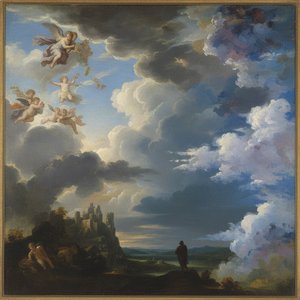
Ephemeral Visions: Clouds as Motif & Metaphor in Western Art History
Explore the captivating history of clouds in Western art! From Romantic masterpieces to Symbolist visions, discover how artists captured atmosphere, emotion & spirituality. A guide for collectors and enthusiasts.