

 プレビュー
プレビュー
 シェアする
シェアする シェアする
シェアする
 詳細を見る
詳細を見る

 ダウンロード
 似ている作品
 X線調査
X線調査 スライドショー
 統計情報
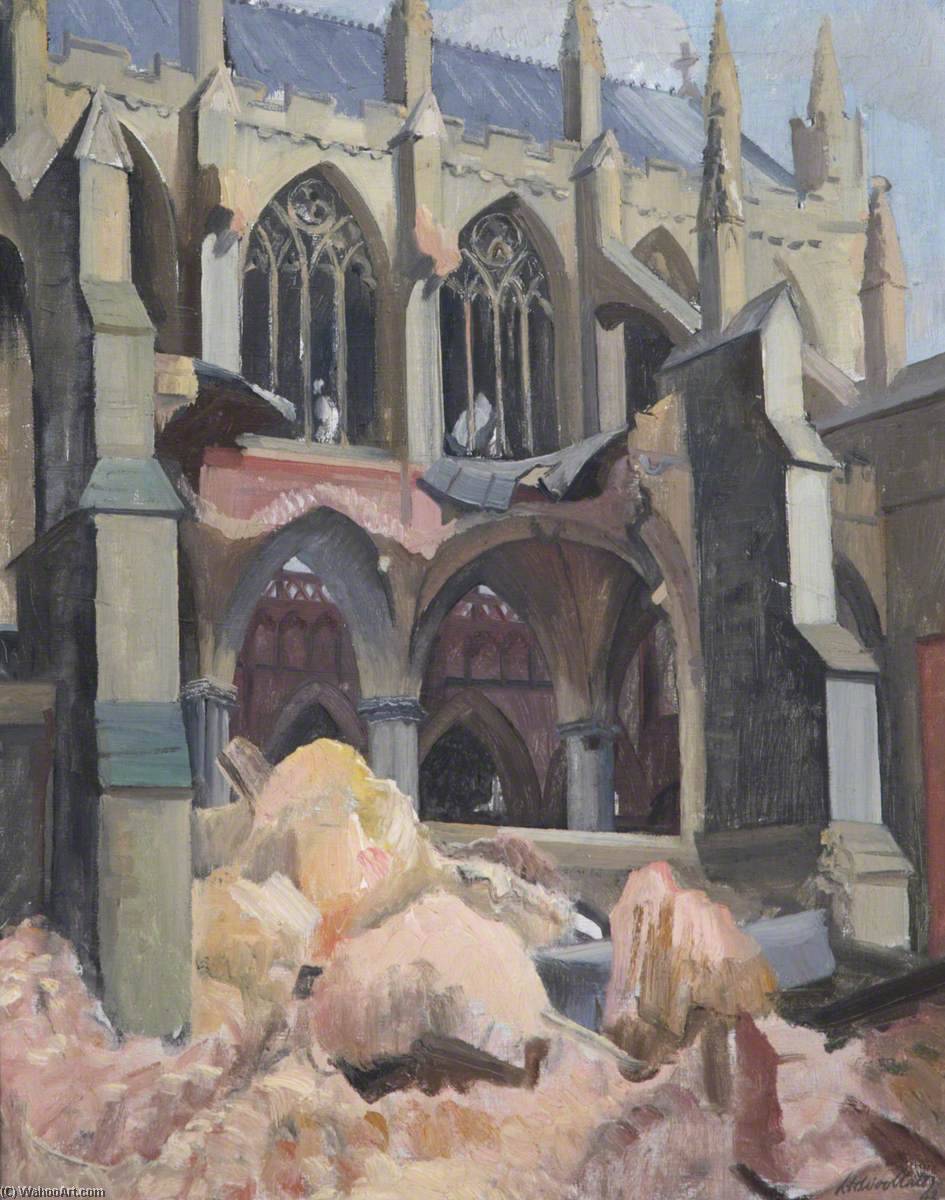
統計情報South Chancel, Exeter Cathedral, Devon
 1942
1942 51.0 x 41.0 cm
 Royal Albert Memorial Museum
 詳細を見る
詳細を見る
手描き油彩複製画
当社のアーティストが、お客様のご希望のサイズと額縁に合わせて、キャンバスに手描きで制作する油彩画です。 ( プリント版に切り替え デジタル画像販売へ切り替え)




































作品のオリジナル比率に合わせた、当店の規定サイズからお選びください。

特定のフレームやスペースに合わせて、ご希望のサイズをご入力いただけます。選択されたサイズが元の画像の比率と異なる場合、アートワークをトリミングするか、手描きで要素を追加して絵画を拡張いたします。デジタルモックアップ を制作し、制作開始前にご確認(承認)をいただきます。
画面上のプレビューは、実際のトリミングや拡張を正確に反映しているものではありません。最終的な構図は、モックアップによってのみ正確にご確認いただけます。
カスタムサイズもご利用いただけますが、元の比率を維持するためには、あらかじめ用意されたリストからサイズを選択することをお勧めいたします。
ご注文後、ArtsDot.com チームより詳細な指示をお送りするとともに、仕上がりイメージ(モックアップ)をご提供いたします。


 ガラスオプションは、110cm未満のサイズでのみご利用いただけます。

South Chancel, Exeter Cathedral, Devon
複製技法
複製画のサイズ
-


合計金額
$ 263
関連作品









アーティストの略歴
Leighton Hall Woollatt: A Devon Landscape Painter of Quiet Intensity
Leighton Hall Woollatt (1905-1974) wasn’t a name that immediately leaps to mind when discussing the titans of British landscape painting. Yet, within the quieter corners of Devon and Exeter, his work—characterized by a remarkable sensitivity to light, texture, and a subtle, almost melancholic beauty—holds a significant place. Born in Nottingham, Woollatt's artistic journey began with formal training at Nottingham College of Art, followed by invaluable experiences at the Royal Academy Schools and Chelsea Polytechnic, equipping him with both technical skill and an appreciation for classical forms. These formative years instilled a deep respect for tradition while simultaneously fostering a desire to capture the essence of his surroundings with a distinctly personal vision. Woollatt’s career unfolded across several decades, punctuated by teaching positions at various art schools throughout Britain – institutions like the University College of Art in Birmingham and the Royal College of Art in London. This pedagogical role wasn't merely about imparting knowledge; it was a vital conduit for his own artistic evolution, allowing him to observe and learn from generations of aspiring artists. Crucially, he served as a War Artist during World War II, producing poignant depictions of wartime scenes that now reside within the Exeter Records Office – a testament to his ability to translate complex emotions into visual form. However, it’s his work *after* the war, particularly his focus on the Devon and Wessex countryside, that truly defines his legacy.The Devon Landscape: A World of Subtle Detail
Woollatt's artistic output is overwhelmingly defined by his meticulous renderings of the Devon and Exeter landscape. He wasn’t interested in dramatic vistas or sweeping romanticism; instead, he sought to capture the quiet dignity of everyday scenes – a weathered stone wall, a glimpse of the River Otter winding through meadows, the imposing presence of Exeter Cathedral bathed in golden light. His paintings aren't flamboyant displays of color but rather carefully constructed compositions built upon subtle shifts in tone and texture. He employed a restrained palette, favoring muted greens, browns, greys, and ochres, allowing the nuances of light and shadow to dictate the mood and atmosphere of each scene. His technique was rooted in observation; he spent countless hours sketching outdoors, meticulously studying the way light fell upon surfaces, the patterns of foliage, and the subtle variations in color.Key Works and Influences
Several paintings stand out as particularly compelling examples of Woollatt’s artistic vision. “Sun Street, Exeter, Devon” (1933) offers a remarkable study of urban decay and resilience, capturing the weathered facades of buildings against a backdrop of a cloudy sky. “Post Eleven Speaking” (1929), a portrait of Thomas Gorrie, Provost of Dunfermline, showcases his ability to imbue formal portraits with a sense of quiet dignity and psychological depth. And “Leighton Hall Woollatt – Sculpture Gallery with Madonna and Child” (1929) is a masterclass in capturing the stillness and solemnity of classical sculpture, rendered with an almost photographic precision. While he was undoubtedly influenced by the Impressionists’ focus on light and color, and the British landscape painters of the Victorian era like Turner and Constable, Woollatt developed his own distinct style—one characterized by a remarkable sensitivity to detail and a profound appreciation for the beauty of the ordinary.A Legacy of Quiet Observation
Leighton Hall Woollatt’s work often goes unnoticed outside of specialist circles, yet it represents a significant contribution to British landscape painting. He wasn't striving for fame or recognition; his primary motivation was a deep-seated love of the Devon countryside and a desire to capture its essence with honesty and restraint. His paintings invite viewers to slow down, to observe closely, and to appreciate the subtle beauty that often goes unnoticed in our busy lives. His legacy lies not in grand pronouncements or revolutionary techniques, but in his quiet dedication to observation, meticulous craftsmanship, and an unwavering commitment to capturing the spirit of a place—a testament to the enduring power of landscape art. His work continues to be held by museums such as Nottingham Castle Museum, Royal Academy of Arts, and Oxfordshire County Museums Service, ensuring that his vision endures for future generations.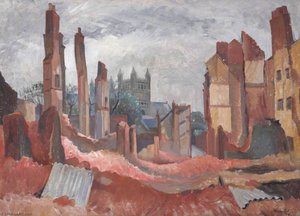
leighton hall woollatt
1905 - 1974
基本情報
- Artistic Movement Or Style: Landscape painting
- Artists Or Movements Influenced By This Artist: ['Royal Academy']
- Artists Who Influenced This Artist: ['Edgar Woollatt']
- Date Of Birth: 1905
- Date Of Death: 1974
- Full Name: Leighton Hall Woollatt
- Nationality: British
- Notable Artworks:
- Sun Street, Exeter
- Thomas Gorrie
- Post Eleven Speaking
- Place Of Birth: Nottingham, UK