

 プレビュー
プレビュー
 プリントを購入
 シェアする
シェアする シェアする
シェアする
 詳細を見る
詳細を見る

 ダウンロード
 似ている作品
 X線調査
X線調査 スライドショー
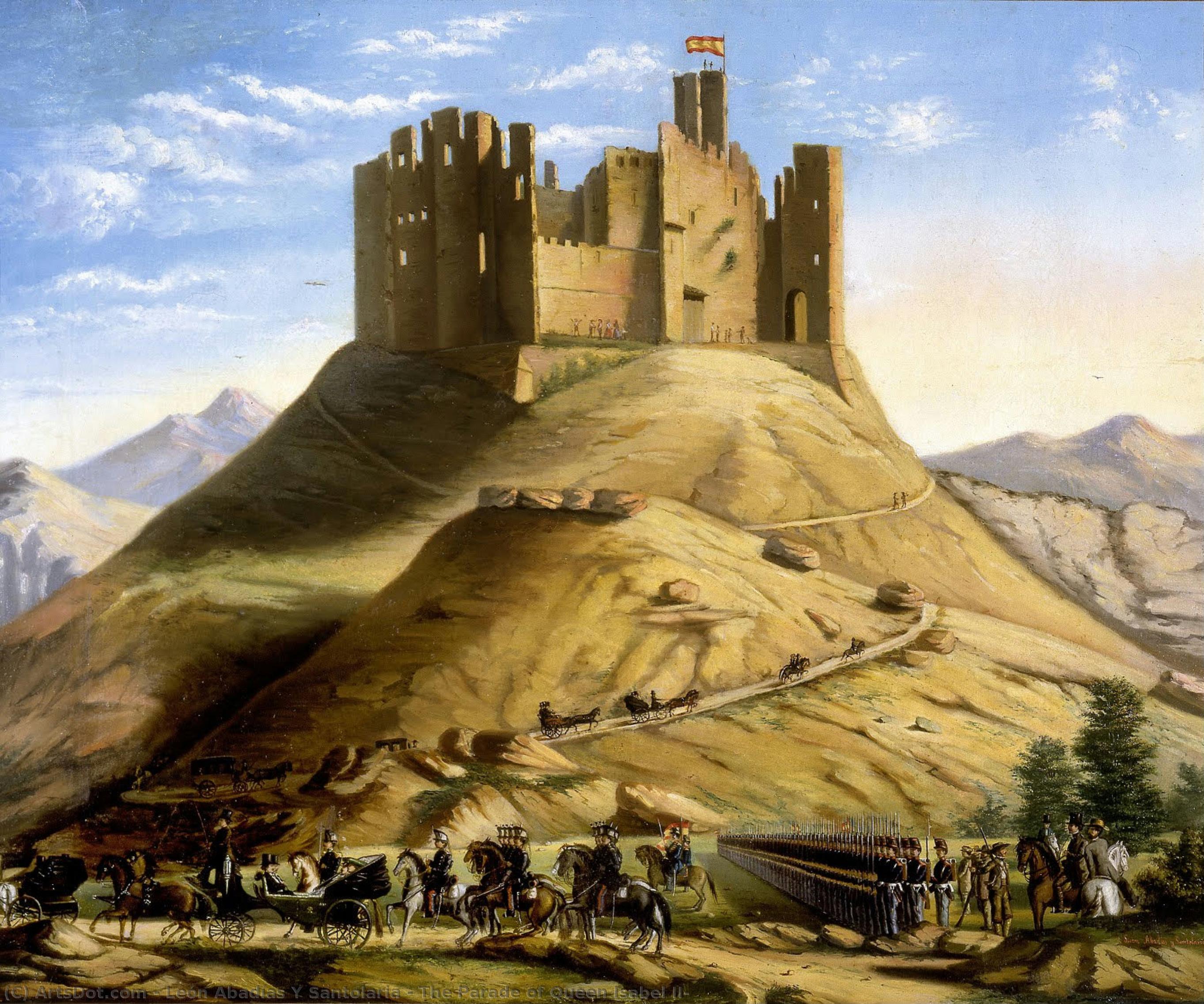
The Parade of Queen Isabel II


 詳細を見る
詳細を見る
オンラインプレビューをはるかに凌ぐ、高解像度で鮮明なデジタル画像をご購入いただけます。
各ファイルは、社内の専門家が高度なツールと熟練した手作業によるレタッチを用いて、細心の注意を払って準備されています。すべての画像において、卓越した鮮明度、正確な色彩再現性、そして繊細なディテールを保証いたします。
最終ファイルは、プロフェッショナルな編集・印刷環境ですぐにご利用いただけるよう最適化された状態で、72時間以内にメールにてお届けいたします。これは、一流のデザインスタジオ、出版社、ギャラリーから信頼されているものと同等の品質です。
デジタル画像のご注文に付随する特典
高品質なデジタル画像配信を、確かな品質で。
ArtsDot.com を選ぶことは、単に画像を手に入れることではありません。それは、プロの手によって精密に仕上げられ、満足保証が付いた高品質なデジタルアートワークを受け取ることを意味します。ご注文いただいた際に自動的に付随する内容は、以下の通りです:

メールですぐにお届け
ご注文から72時間以内に、高解像度のデジタル画像ファイルがメールでお手元に届きます。すぐにそのままご利用いただけます。

AI技術で最適化されたデジタルファイル
お客様の作品は、高度なAIツールと専門家による手作業の編集を組み合わせてプロフェッショナルに最適化されており、細部のディテール、鮮明さ、そして正確な色再現性を最大限に引き出しています。

一生涯無料の再送サービス
ファイルを誤って削除したり、紛失してしまったりしましたか?ご安心ください。いつでも無料で再送いたします。

輸入手数料は一切かかりません
関税や手数料、配送料を気にすることなく、お気に入りのアートワークをすぐにお楽しみいただけます。デジタルダウンロードは常に免税です。

色彩再現の保証
プロ仕様のツールとカラーマネジメント技術を用いることで、デジタル画像が元の色を最大限に忠実に再現することを保証いたします。

60日間満足保証
ご購入いただいたデジタル画像にご満足いただけない場合は、60日以内であれば、修正または100%の返金(理由を問う必要はありません)をさせていただきます。

100% 返金保証
ご満足いただけない場合は、デジタルファイルを受け取ってから60日以内であれば、理由を問わず全額返金いたします。

まとめ買い割引
3枚購入で10%OFF - 5枚購入で15%OFF - 10枚以上購入で20%OFF。クリエイティブなプロジェクト、ギャラリー、エージェンシーに最適です。
関連作品

作家の略歴
León Abadías y Santolaria: A Quiet Observer of Spanish Life
In the grand tapestry of nineteenth-century Spanish art, certain names shine with an unshakeable brilliance, while others weave a more subtle, intimate thread. León Abadías y Santolaria (1836–1894) belongs to that second, deeply evocative group—artists whose mastery lay not in loud political manifestos, but in the tender, meticulous observation of the world around them. Born in Huesca, a landscape steeped in rugged beauty and historical weight, Abadías emerged from an era defined by the shifting tides of Romanticism and the burgeoning academic traditions of Spain. His journey was one of disciplined study and profound connection to his roots, as he moved through the prestigious art circles of Zaragoza and Madrid, eventually leaving an indelible mark on the architectural and cultural soul of Aragon and Andalusia.
The foundation of Abadías’s talent was laid under the watchful eyes of some of the most esteemed masters of his generation. His education was a rigorous pilgrimage through the finest institutions, beginning with the Escuela de Estudios Elementales in Zaragoza and culminating in the prestigious Real Academia de Bellas Artes de San Fernando in Madrid. This academic lineage—drawing influence from figures such as Federico Madrazo, Carlos Múgica y Pérez, and Bernardino Montañés—imbued his work with a technical precision that allowed him to navigate diverse genres with ease. Whether he was capturing the sweeping vistas of a landscape or the delicate psychological depth of a portrait, his brushwork remained anchored in a profound respect for form, light, and the atmospheric nuances of the Spanish terrain.
A Versatile Vision: From Genre Scenes to Sacred Spaces
Abadías’s oeuvre is characterized by a remarkable versatility that defied simple categorization. He was a painter of many faces: a chronicler of daily life, a landscape artist, and a restorer of sacred beauty. His genre paintings, often depicting the rhythms of Aragonese life, possess a warmth and sincerity that invite the viewer into a shared moment of existence. In works such as Un trabajador aragonés y su perro, one senses his ability to elevate the mundane to the level of the monumental, finding dignity in the labor and companionship of the common man. His interest in hunting scenes and maritime studies further showcased his capacity to manipulate light and movement, capturing the tension of a chase or the rhythmic pulse of the sea.
Beyond the canvas of private collections, Abadías played a vital role in the preservation and embellishment of Spain’s architectural heritage. His hand can be found in some of the most significant religious and civic spaces in the region. He undertook the delicate task of restoring paintings within the Basílica del Pilar in Zaragoza, ensuring that the splendor of the Baroque era continued to inspire future generations. His decorative prowess was equally evident in his large-scale commissions, such as the ceiling for the Salón de Sesiones of the Provincial Corporation and the ornamentation of the Huesca Town Hall. These works demonstrate an artist who understood that painting was not merely an isolated act of creation, but a way to breathe life into the very walls that house a community's history.
Legacy and the Intersection of Art and Intellect
The significance of León Abadías y Santolaria extends far beyond the aesthetic pleasure of his paintings. He was a man of deep intellectual engagement, serving as a professor of drawing and contributing to the literary landscape through his writings in La Revista Popular de Barcelona. His life was intertwined with the great intellectual currents of his time; he even shared connections with figures such as the Nobel laureate Santiago Ramón y Cajal, suggesting a social circle where art, science, and literature converged. This multifaceted existence allowed him to act as both a creator and a custodian of culture, documenting the artistic riches of his province through his work on the General Catalogue of Aragonese artistic treasures.
As we look back upon his career, we see an artist who achieved a rare balance between academic rigor and emotional resonance. His accolades, including a bronze medal at the Aragonese Exhibition of 1868, serve as testament to a career defined by excellence and recognition within the Spanish establishment. Though he may not occupy the same immediate spotlight as the titans of Romanticism, his legacy lives on in the quiet strength of his landscapes, the dignity of his portraits, and the enduring beauty of the spaces he helped to adorn. He remains a vital figure for anyone seeking to understand the soul of nineteenth-century Spain—a painter who looked closely at the world and found within it something truly timeless.

león abadías y santolaria
1836 - 1894 , Spain
プロフィール概要
- Artistic Movement Or Style: Decorative painting
- Artists Or Movements Influenced By This Artist: ['Santiago Ramón y Cajal']
- Artists Who Influenced This Artist:
- Federico Madrazo
- Carlos Múgica y Pérez
- Bernardino Montañés
- Date Of Birth: 1836
- Full Name: León Abadías y Santolaria
- Nationality: Spanish
- Notable Artworks:
- The Parade of Queen Isabel II
- Tofu
- Place Of Birth: Huesca, Spain

