

 シェアする
シェアする シェアする
シェアする
 詳細を見る
詳細を見る

 ダウンロード
 似ている作品
 スライドショー
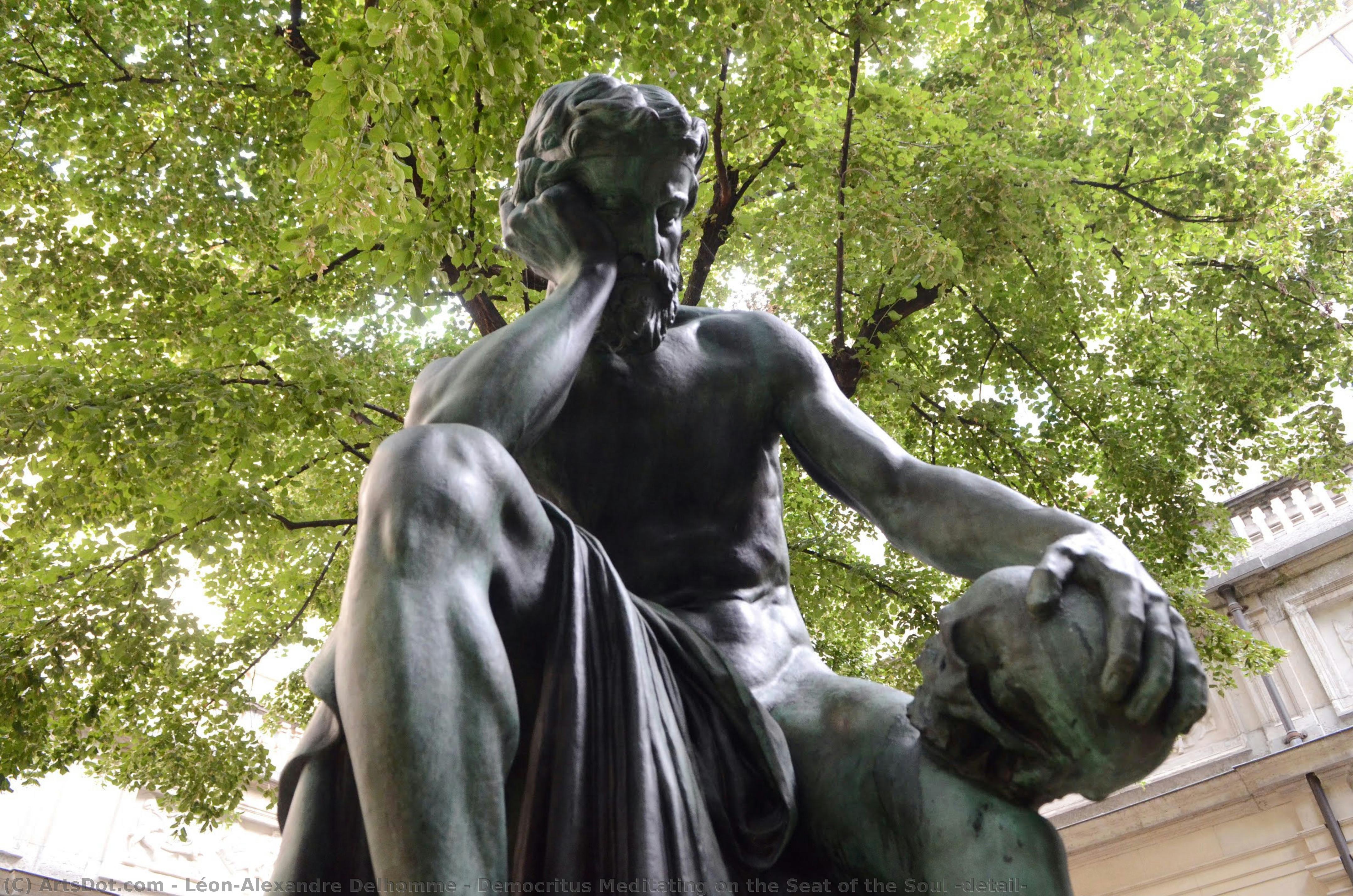
Democritus Meditating on the Seat of the Soul (detail)


 詳細を見る
詳細を見る
ジークレー/アートプリント
迅速な制作と多彩な仕上げオプションを備えた、ミュージアムクオリティのジークレーまたはキャンバスプリント。 ( 手描きの絵画を購入 画像を購入)




































作品のオリジナル比率に合わせた、当店の規定サイズからお選びください。

特定のフレームやスペースに合わせて、ご自身でサイズを指定することも可能です。選択されたサイズが元の画像の比率と一致しない場合、作品をトリミングするか、鏡面反射または単色での塗りつぶしによって画像を拡張いたします。制作を開始する前に、ご確認用のデジタルモックアップをお送りいたします。
画面上のプレビューには、実際のトリミングや拡張は反映されませんのでご注意ください。最終的な構図を正確に確認できるのは、モックアップのみとなります。
カスタムサイズも承っておりますが、元の比率を維持するためには、あらかじめ用意されたリストからサイズを選択することをお勧めいたします。


 ガラスオプションは、110cm未満のサイズでのみご利用いただけます。

Democritus Meditating on the Seat of the Soul (detail)
ジークレー/アートプリント
複製画のサイズ
-


合計金額
$ 62
The Quietude of Thought: A Study in Bronze and Being
In the delicate interplay of shadow and light, Democritus Meditating on the Seat of the Soul emerges as a profound testament to the power of introspection. This exquisite detail, captured through the masterful lens of Léon-Alexandre Delhomme’s sculptural vision, invites the viewer into a sanctuary of silence. The subject, the ancient Greek philosopher Democritus, is not depicted in the heat of debate or the vigor of discovery, but in a moment of profound stillness. Seated upon a weathered bench, his head rests heavily in his hands, a pose that transcends mere physical fatigue to embody the weight of existential inquiry. The bronze medium, with its deep, resonant tones, lends a tactile gravity to the figure, suggesting that the thoughts being processed are as enduring and unyielding as the metal itself.
The composition is masterfully balanced by the soft, dappled light filtering through a canopy of trees. This natural setting serves as more than just a backdrop; it acts as a living frame that cradles the philosopher in a state of organic solitude. The subtle textures of the bronze—the smoothness of the skin contrasted against the ruggedness of the seated form—create a sensory experience that draws the eye into the very heart of the meditation. For the discerning collector or interior designer, this piece offers a rare opportunity to introduce an element of classical gravitas and intellectual depth into a contemporary space, acting as a focal point that commands attention through its quietude rather than through clamor.
A Legacy of Symbolism and Sculptural Mastery
Léon-Alexandre Delhomme, a sculptor deeply rooted in the French tradition of elegance and allegory, utilizes this work to bridge the gap between the physical and the metaphysical. As a student of the École des Beaux-Arts, Delhomme possessed the technical prowess to render the anatomical precision of the human form, yet his true genius lies in his ability to imbue bronze with soul. In this depiction of Democritus, the "Laughing Philosopher," we see a departure from his more boisterous reputation, focusing instead on the "seat of the soul"—that internal space where the atomic nature of reality meets human consciousness. The symbolism is layered; the surrounding greenery represents the cyclical, eternal nature of the cosmos, while the philosopher’s inward gaze represents the human attempt to decode that very cycle.
To possess a reproduction of this work is to bring a piece of history into the modern home. It is an invitation to pause, much like the subject himself. The emotional impact of the piece lies in its relatability; we have all sought that moment of retreat from the chaos of the world to find clarity within. Whether placed in a sunlit library, a sophisticated study, or a curated gallery wall, this artwork serves as a constant reminder of the beauty found in contemplation. It is not merely a decoration, but an atmospheric anchor that elevates the spirit and inspires a deeper connection to the contemplative traditions of the past.
関連作品
アーティストの略歴
The Sculptor of Symbol and Elegance
Léon-Alexandre Delhomme (1841–1895) remains a profound voice in the history of French sculpture, a master who navigated the delicate intersection of classical tradition and the burgeoning naturalism of his era. Born in the picturesque town of Tournon-sur-Rhône, Delhomme’s early life was steeped in an environment where craftsmanship and artistry were woven into the fabric of daily existence. This foundational connection to the artisan spirit would later manifest in his meticulous approach to bronze casting and modeling, allowing him to breathe a lifelike vitality into cold metal and stone. His journey through the prestigious École des Beaux-Airs in Lyon and Paris, under the watchful eyes of masters such as Auguste Dumont and Joseph-Hugues Fabisch, provided him with more than just technical proficiency; it instilled in him a deep reverence for the allegorical power of form.
As his style matured, Delhomme’s work became a mirror to the shifting political and intellectual landscape of late 19th-century France. He possessed a unique ability to translate complex humanist ideals into tangible, monumental figures. His sculptures were rarely mere portraits; they were vessels for national identity and philosophical inquiry. This is perhaps most exquisitely realized in his Statue of the Republic, commissioned for the main amphitheatre of the Sorbonne in 1889. In this work, Delhomme depicts the Republic as a wise, maternal figure positioned between an urn and a lion, symbolically removing the veil of ignorance from a young Frenchman. Such works demonstrate how he utilized the language of sculpture to celebrate republican values and the light of knowledge during a transformative period in French history.
A Legacy Cast in Bronze and Stone
The breadth of Delhomme’s oeuvre reflects a deep engagement with the prominent figures and social movements of his time. His talent for capturing the essence of character is evident in his commemorative works, which sought to immortalize the intellectual giants of France. Beyond the allegorical, his ability to render historical gravity can be seen in his bronze sculpture of Louis Blanc on Place Monge in Paris, a tribute to a man whose political influence shaped the nation's trajectory. Similarly, his bust of Stanislas Laugiers serves as a testament to his dedication to honoring those who contributed to the medical and humanist progress of society.
Delhomme’s artistic development was characterized by a seamless blend of influences, ranging from the emotional depth of Romanticism to the observational precision of Impressionist-era naturalism. This duality allowed him to create works that were both emotionally resonant and technically flawless. Even in his more contemplative pieces, such as Democritus Meditating on the Seat of the Soul, one can sense a profound preoccupation with the internal life of the subject—a hallmark of a sculptor who sought to capture not just the exterior likeness, but the very spirit of his subjects.
Though his life was relatively short, Delhomme’s impact on French sculpture remains indelible. His presence is still felt in the streets and institutions of Paris, from the grand halls of the Sorbonne to the quiet repose of the Cimetière du Montparnasse, where he is himself immortalized. Through his mastery of medium and his commitment to the themes of progress, intellect, and identity, Léon-Alexandre Delhomme secured his place as a sculptor who could turn the heavy weight of bronze into the lightness of an enduring idea.
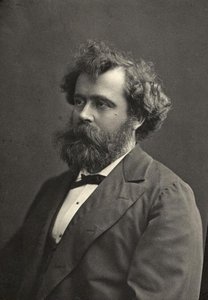
léon-alexandre delhomme
1841 - 1895 , France
基本情報
- Artistic Movement Or Style: École des Beaux-Arts
- Artists Who Influenced This Artist:
- Augustin Dumont
- Joseph-Hugues Fabisch
- Date Of Birth: 20 July 1841
- Date Of Death: 16 March 1895
- Full Name: Léon-Alexandre Delhomme
- Nationality: French
- Notable Artworks:
- Statue of the Republic
- Louis Blanc statue
- Bust of Stanislas Lauzier
- Place Of Birth: Tournon-sur-Rhône, France
関連記事

Bronze Age to Modern Masters: 10 Sculptures That Redefined Art | ArtsDot
Journey through art history with 10 legendary bronze sculptures – from Michelangelo's David to Rodin’s Thinker. Explore the stories, techniques & timeless beauty of these masterpieces. Find museum-quality reproductions & elevate your home decor on ArtsDot.com.

Bronze Sculptures That Defined Art History | ArtsDot
Journey through art history with our Top 10 bronze sculptures! Explore masterpieces by Rodin, Michelangelo & more. Discover stories behind iconic statues and find museum-quality reproductions for your home decor at ArtsDot.com.
The Enduring Legacy of Bronze: A Historical & Artistic Exploration for the Collector
Explore the rich history & enduring appeal of bronze sculpture with expert insights for collectors at ArtsDot. Learn about casting techniques, iconic artists, collecting tips & contemporary interpretations.
The Enduring Legacy of Bronze: History, Technique & Artistic Expression for the Collector
Explore the rich history & enduring appeal of bronze sculpture with expert insights for collectors at ArtsDot. Learn about casting techniques, iconic artists, and collecting tips.

The Enduring Legacy of Bronze Sculpture: Technique, Symbolism & Cultural Impact
Explore the rich history & enduring appeal of bronze sculpture with expert insights for collectors. Learn about casting techniques, iconic artists, collecting tips & contemporary interpretations at ArtsDot.