 プレビュー
プレビュー
 プリントを購入
 シェアする
シェアする シェアする
シェアする
 詳細を見る
詳細を見る

 ダウンロード
 似ている作品
 X線調査
X線調査 スライドショー
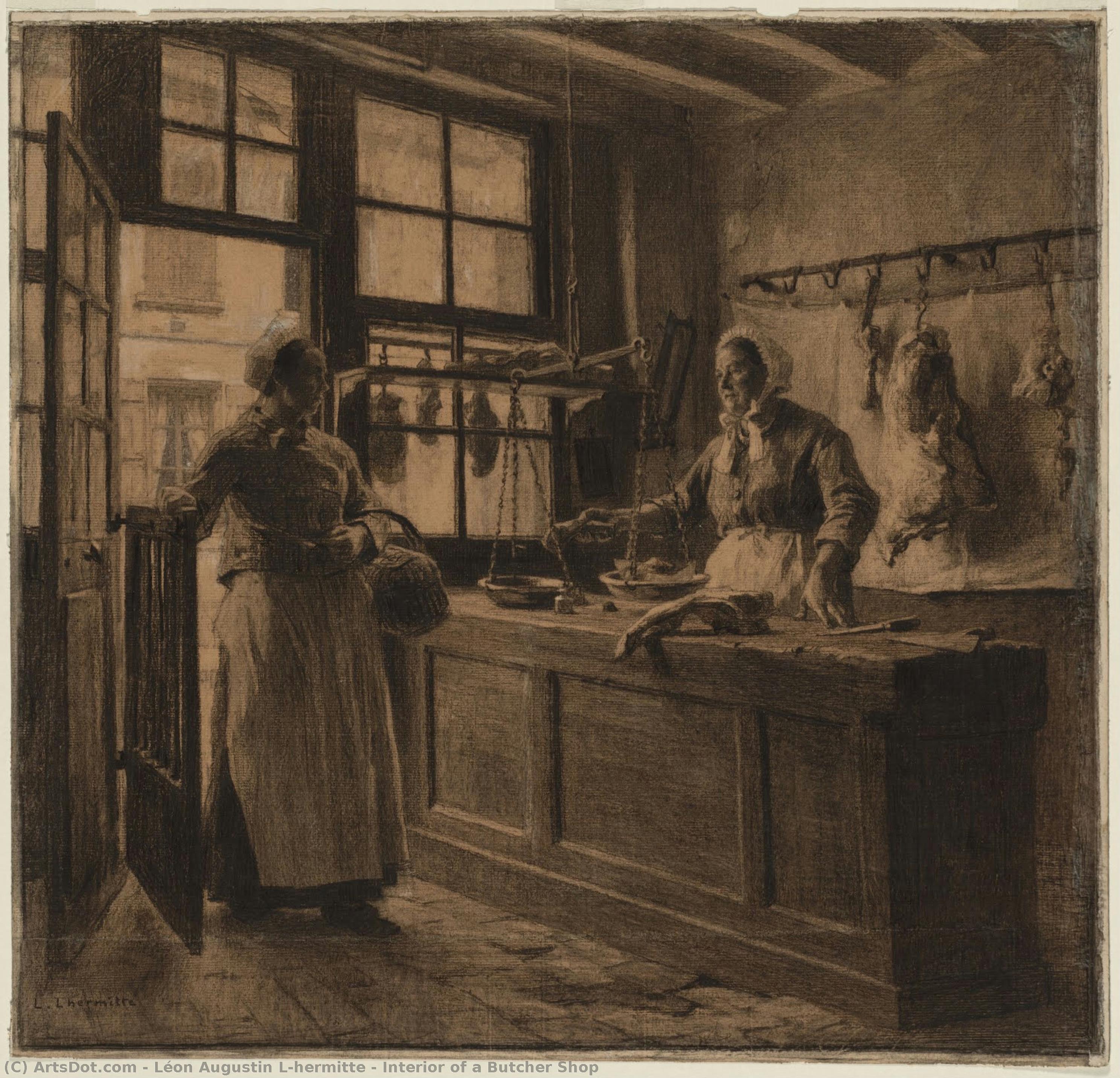
Interior of a Butcher Shop
 Acrylic
- WallArt
- Realist Painting
 1881
1881 55.0 x 57.0 cm
 クリーブランド美術館
 詳細を見る
詳細を見る




P118B $10

P118H $10

P118W $10

P438Z $10

P508JH $12

P508YH $12

P805H $10

P805Z $10

P919BZ $10

P919G $10

P919XJ $10

P959ZH $10

P968JZ $12

W106C $8

W218G $10

W218JH $8

W218Y $10

W307PJ $10

W316G $10

W316PJ $8

W316Y $10

W398PJ $8

W4111J $10

W500HY $15

W500JH $15

W692G $12

W849H $8

W940BG $15

W953PJ $8




作品のオリジナル比率に合わせた、当店の規定サイズからお選びください。

特定のフレームやスペースに合わせて、ご希望のサイズをご入力いただけます。選択されたサイズが元の画像の比率と異なる場合、アートワークをトリミングするか、手描きで要素を追加して絵画を拡張いたします。デジタルモックアップ を制作し、制作開始前にご確認(承認)をいただきます。
画面上のプレビューは、実際のトリミングや拡張を正確に反映しているものではありません。最終的な構図は、モックアップによってのみ正確にご確認いただけます。
カスタムサイズもご利用いただけますが、元の比率を維持するためには、あらかじめ用意されたリストからサイズを選択することをお勧めいたします。
ご注文後、ArtsDot.com チームより詳細な指示をお送りするとともに、仕上がりイメージ(モックアップ)をご提供いたします。


 ガラスオプションは、110cm未満のサイズでのみご利用いただけます。

Interior of a Butcher Shop
複製技法
複製画のサイズ
-


合計金額
$ 263
作品解説
A Snapshot of Rural Life: Léon Augustin L'Hermitte’s “Interior of a Butcher Shop”
Léon Augustin L'Hermitte’s “Interior of a Butcher Shop,” painted in 1881, isn’t merely a depiction of a working-class scene; it’s a poignant meditation on community, labor, and the quiet dignity of everyday life. This evocative drawing, rendered in meticulous charcoal and subtly heightened with white chalk, transports us to a modest butcher shop nestled within the heart of rural France – a place where commerce intertwined seamlessly with social interaction. L'Hermitte, a devoted realist painter deeply rooted in the traditions of his Picardy homeland, masterfully captures the atmosphere of this particular space, imbuing it with a sense of warmth and authenticity rarely found in academic art of the period. The composition is deceptively simple: two men engaged in conversation dominate the foreground, their postures suggesting familiarity and perhaps even camaraderie. A central dining table, laden with bowls brimming with ingredients – hinting at shared meals and culinary discussions – anchors the scene, while a scattering of chairs invites viewers to imagine themselves as part of this intimate gathering.The Realist Vision: L'Hermitte’s Artistic Approach
L'Hermitte’s artistic philosophy centered on portraying the lives of ordinary people with unflinching honesty and empathy. He rejected the grand narratives and idealized subjects favored by many of his contemporaries, instead focusing on the realities of rural French life – the farmers, laborers, and artisans who formed the backbone of society. This commitment to realism is evident in every detail of “Interior of a Butcher Shop.” The figures are not presented as heroic or romanticized; they are simply men, caught in a moment of conversation within their daily routine. L'Hermitte’s technique—characterized by precise lines, subtle tonal variations, and a masterful use of light and shadow—creates a remarkably three-dimensional effect, drawing the viewer into the scene with an almost palpable sense of immediacy. The artist’s attention to detail extends beyond the figures themselves; he meticulously renders the textures of the wooden table, the worn surfaces of the chairs, and the rough-hewn walls of the shop, grounding the scene in a tangible reality.Symbolism and Social Commentary
Beyond its surface depiction of a butcher shop, “Interior of a Butcher Shop” carries deeper symbolic weight. The presence of the men engaged in conversation speaks to the importance of social connection within rural communities – a vital element often overlooked in depictions of agrarian life. The table laden with food symbolizes sustenance, shared experiences, and the bonds that tie people together. Furthermore, the butcher shop itself represents a crucial link between the land and its inhabitants, providing essential goods while serving as a gathering place for local residents. L'Hermitte’s choice to focus on this seemingly mundane setting is, in effect, a subtle commentary on the value of everyday life – suggesting that beauty and meaning can be found not in grand gestures or heroic deeds, but in the quiet rhythms of rural existence. The scene subtly critiques the growing industrialization of France at the time, highlighting the importance of preserving traditional ways of life and community values.A Window into the 19th Century: Historical Context
Painted in 1881, “Interior of a Butcher Shop” reflects the social and artistic currents of its era. The late 19th century witnessed a growing interest in realism as an alternative to academic art, with artists like L'Hermitte seeking to capture the lives of ordinary people with honesty and empathy. This movement was fueled by industrialization, urbanization, and the rise of socialist thought – all of which challenged traditional social hierarchies and sparked debates about the role of labor and community. The painting’s depiction of a rural butcher shop also aligns with the broader trend of documenting agricultural practices during this period, reflecting a growing awareness of the importance of food production and its connection to society. The work is considered part of the legacy of French Realism, alongside artists like Millet and Courbet, who similarly focused on depicting the lives of working-class people.Bringing L'Hermitte’s Vision Home: A Hand-Painted Reproduction
ArtsDot offers a stunning hand-painted reproduction of “Interior of a Butcher Shop,” meticulously crafted by our team of skilled artists to faithfully capture the essence and atmosphere of L'Hermitte’s original masterpiece. Unlike digital prints, this reproduction utilizes traditional painting techniques, resulting in unparalleled depth, texture, and color accuracy. The subtle nuances of charcoal and chalk are expertly recreated, ensuring that every detail – from the worn surfaces of the furniture to the expressions on the men’s faces – is rendered with exquisite precision. This artwork will not only grace your walls but also serve as a timeless reminder of L'Hermitte’s profound insights into human nature and rural life. Available in various sizes, this reproduction provides an authentic and captivating addition to any interior space, inviting viewers to step back in time and experience the quiet beauty of a bygone era.関連作品

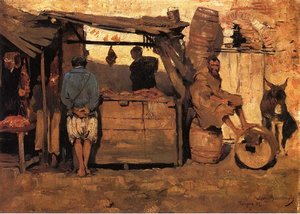
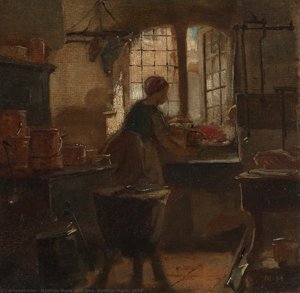

アーティストの略歴
レオン・オーギュスタン・エルミット:リアリズムに捧げた生涯
レオン・オーギュスタン・エルミットは、1844年7月31日にフランスのモン=サン=ピエールで生まれました。彼の芸術的ビジョンは、ピカルディ地方の田園風景の中で育まれた深い経験に根ざしています。幼い頃からその才能が認められ、父である学校教師からの温かい励ましを受け、正式な訓練として、オラース・ルコック・ド・ボバドランの下で特殊な製図と数学の学校(“プチ・エコール”)に入学し、確かな素描力を養いました。その後、名門パリ美術学校へと進み、さらなる研鑽を積みました。躍進と芸術的スタイル
エルミットは1864年のパリサロンでのデビューを機に注目を集め、当初から評価を得ました。農村生活や労働者階級を描く姿勢が観客や批評家の共感を呼び、彼はすぐにリアリズム運動の主要な人物として確立しました。特に彼の革新的なパステル画の使用は高く評価されました。1884年にはフランスレジオン・ドヌール勲章を授与され、1889年のパリ万国博覧会ではグランプリを受賞し、その名声と芸術的功績が広く認められました。彼のスタイルは、農村コミュニティにおける尊厳と苦難に焦点を当てた、日常生活の繊細な描写によって特徴づけられます。影響と芸術的発展
ジャン=フランソワ・ミレーはエルミットの作品に大きな影響を与え、特に主題の選択や農民生活に対する共感的な表現において顕著です。エルミットはミレーと同様に、現実を誠実に描き出すというコミットメントを持ちました。また、より広範なリアリズム運動からもインスピレーションを受け、理想化やロマン主義にとらわれず、ありのままの世界を描こうと努めました。彼の初期の訓練では、綿密な観察力と技術的なスキルが重視され、それらは後に彼独自のパステル技法に応用されました。代表作とテーマ
- 肉屋の内部:労働者階級の生活を詳細に描き出し、エルミットの構成力とリアリズムの才能を示しています。
- 拾い集める人々 (1887年):農村労働の本質と、畑で働く人々の尊厳をとらえた作品です。
- 干し草作り:干し草作りの風景を描き、農業労働の共同体的な側面を強調しています。
- 渡し守:船頭とその乗客の姿を感動的に表現した作品です。
- 病児のための巡礼。ブルージュの教会:農村コミュニティの精神生活を示す宗教的な行列を描いています。
遺産と歴史的意義
エルミットのリアリズム運動への貢献は、彼の芸術史における地位を確固たるものにしました。彼の絵画は、アムステルダム、ボストン、ブリュッセル、クリーブランド、フィラデルフィア、ワシントンD.C.など、世界中の著名な美術館に展示されています。1905年には美術アカデミーの正会員に選出され、彼の芸術的地位がさらに強化されました。フィンセント・ファン・ゴッホ自身もエルミットの作品をその美しさと感情的な深さに対して賞賛しました。エルミットの遺産は、19世紀フランス社会の一端を貴重な視点から描き出す、繊細で巧みな筆致によって農村生活の本質をとらえた能力にあります。彼は1925年に亡くなりましたが、その作品は今日でも人々に感動と共感を与え続けています。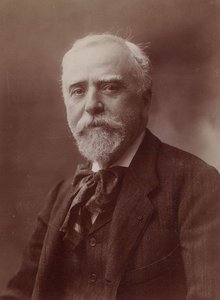
レオン・オーギュスタン・エルミット
1844 - 1925
基本情報
- Artistic Movement Or Style: 写実主義
- Artists Or Movements Influenced By This Artist: ['フィンセント・ファン・ゴッホ']
- Artists Who Influenced This Artist: ['ジャン=フランソワ・ミレー']
- Date Of Birth: 1844年7月31日
- Date Of Death: 1925年
- Full Name: レオン・オーギュスタン・エルミット
- Nationality: フランス人
- Notable Artworks (List Of Titles):
- 屠殺場の内部
- 落穂拾い
- 干し草作り
- 渡し守
- 病児のための巡礼
- Place Of Birth (City And Country): モン=サン=ピエール, フランス
関連記事

Romantic Realism's Finest: 10 Masterpieces for Your Home | ArtsDot
Explore 10 defining masterpieces of Romantic Realism! Discover Courbet, Millet & Daumier's powerful paintings—capturing emotion and social realities. Find museum-quality reproductions for your home at ArtsDot.com.
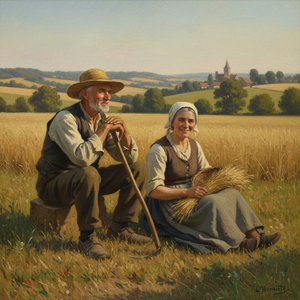
Léon Augustin L'Hermitte: Capturing the Soul of French Rural Life
Discover the captivating realist paintings of Léon Augustin L'Hermitte, masterfully depicting French rural life. Explore his technique, influences & legacy – a cornerstone of 19th-century art.
Academic Realism's Finest: 10 Masterpieces for Art Lovers & Home Decor
Explore 10 defining Academic Realism masterpieces by Bouguereau, Gérôme & Cabanel. Discover the stories behind these iconic paintings and bring timeless art into your home with museum-quality reproductions from ArtsDot.com. Explore the full collection online!

The Poetic Truth of Observation: Exploring 19th-Century Realism in Painting
Explore the captivating world of 19th-century Realism! Discover key artists like Courbet & Millet, masterpieces, and the powerful social commentary behind this influential art movement. Expert insights at ArtsDot.
The Nuances of Graphite: Exploring Emotional Depth & Technical Mastery in Pencil Drawing
Explore the captivating world of graphite drawing! Discover its rich history, master essential techniques like chiaroscuro, and learn how artists evoke emotion through this timeless medium. Expert insights for art enthusiasts.