 プレビュー
プレビュー
 プリントを購入
 シェアする
シェアする シェアする
シェアする
 詳細を見る
詳細を見る

 ダウンロード
 似ている作品
 X線調査
X線調査 スライドショー
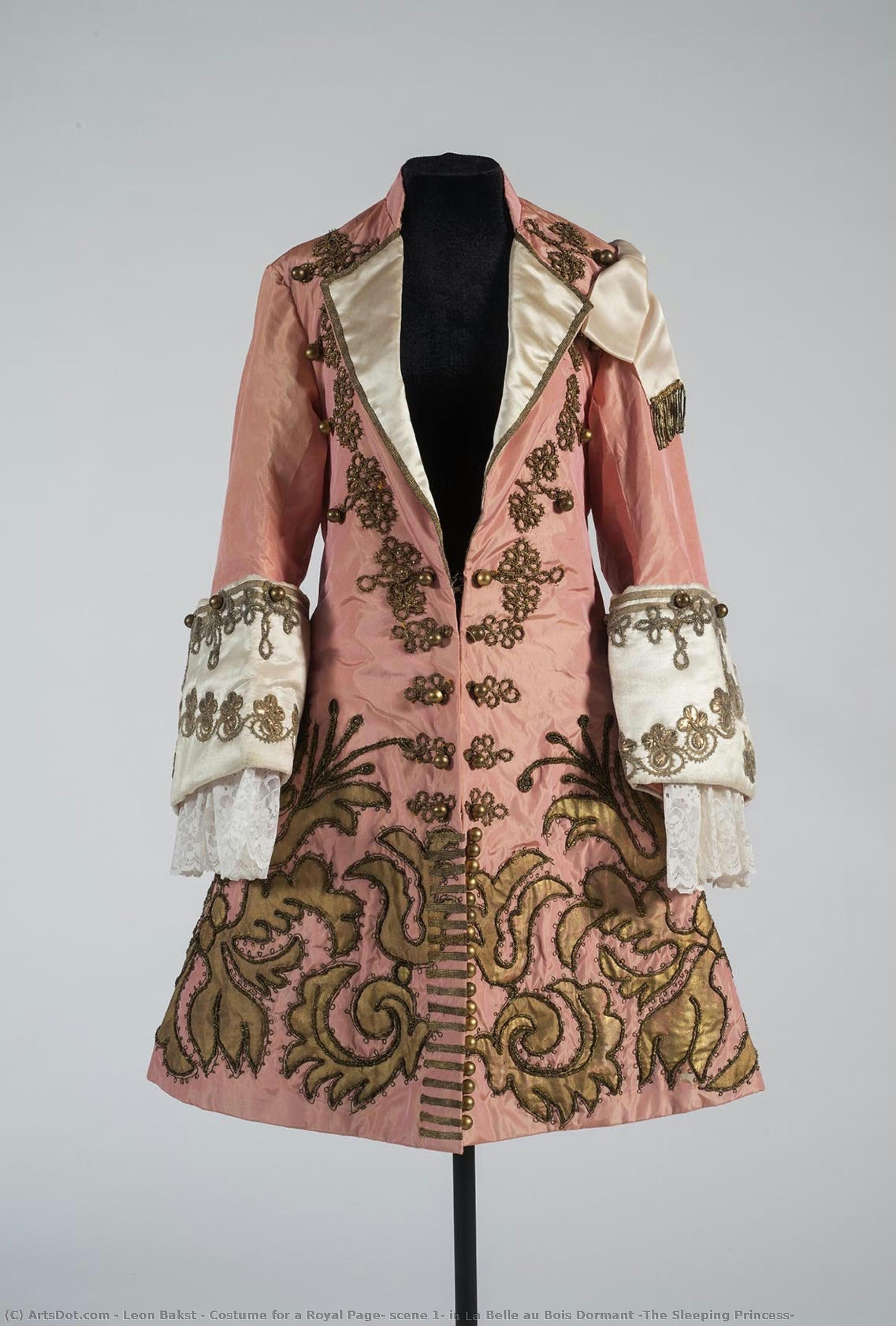
Costume for a Royal Page, scene 1, in La Belle au Bois Dormant (The Sleeping Princess)


 詳細を見る
詳細を見る




P118B $10

P118H $10

P118W $10

P438Z $10

P508JH $12

P508YH $12

P805H $10

P805Z $10

P919BZ $10

P919G $10

P919XJ $10

P959ZH $10

P968JZ $12

W106C $8

W218G $10

W218JH $8

W218Y $10

W307PJ $10

W316G $10

W316PJ $8

W316Y $10

W398PJ $8

W4111J $10

W500HY $15

W500JH $15

W692G $12

W849H $8

W940BG $15

W953PJ $8




作品のオリジナル比率に合わせた、当店の規定サイズからお選びください。

特定のフレームやスペースに合わせて、ご希望のサイズをご入力いただけます。選択されたサイズが元の画像の比率と異なる場合、アートワークをトリミングするか、手描きで要素を追加して絵画を拡張いたします。デジタルモックアップ を制作し、制作開始前にご確認(承認)をいただきます。
画面上のプレビューは、実際のトリミングや拡張を正確に反映しているものではありません。最終的な構図は、モックアップによってのみ正確にご確認いただけます。
カスタムサイズもご利用いただけますが、元の比率を維持するためには、あらかじめ用意されたリストからサイズを選択することをお勧めいたします。
ご注文後、ArtsDot.com チームより詳細な指示をお送りするとともに、仕上がりイメージ(モックアップ)をご提供いたします。


 ガラスオプションは、110cm未満のサイズでのみご利用いただけます。

Costume for a Royal Page, scene 1, in La Belle au Bois Dormant (The Sleeping Princess)
複製技法
複製画のサイズ
-


合計金額
$ 263
作品解説
A Glimpse into a Dream: Léon Bakst’s Costume for “La Belle au Bois Dormant”
Léon Bakst's "Costume for a Royal Page, Scene 1, in La Belle au Bois Dormant" isn’t merely a depiction of clothing; it’s a portal into the fantastical world of Sergei Diaghilev’s Ballets Russes and the dawn of modern art. Created in 1921, this exquisite piece transcends its function as a stage costume, becoming a miniature masterpiece brimming with symbolism, intricate detail, and a palpable sense of romantic yearning. Bakst, a pivotal figure in the Russian avant-garde movement, masterfully blended influences from Orientalism, Art Nouveau, and the burgeoning dynamism of Cubo-Futurism to craft an image that continues to captivate viewers nearly a century later.
- Theatrical Origins: Commissioned for Diaghilev’s production of “La Belle au Bois Dormant” (The Sleeping Princess), the costume was designed for Anton Dolin, portraying a young page boy. This wasn't simply about dressing a dancer; it was about constructing an entire visual language for the ballet – a world of shimmering silks, opulent embellishments, and a dreamlike atmosphere.
- A Fusion of Styles: Bakst’s design is a testament to his eclectic approach. The rich, flowing fabrics—a blend of taffeta, satin, and lace—evoke the luxuriousness of Russian aristocracy while simultaneously referencing the vibrant colors and intricate patterns found in Persian textiles, reflecting his fascination with the Orient.
Deconstructing the Details: Craftsmanship and Symbolism
Upon closer inspection, the costume reveals a remarkable level of craftsmanship and layered symbolism. The dominant pink hue isn’t simply chosen for its beauty; it represents both innocence and vulnerability – qualities central to the Sleeping Princess narrative. The gold embroidery, meticulously applied across the jacket and cape, speaks to royalty, status, and perhaps even a hint of danger, mirroring the curse that befalls the princess. Notice the delicate lace detailing—a hallmark of Art Nouveau—adding an element of ethereal beauty and fragility.
- The Jacket’s Significance: The high collar of the jacket immediately draws attention to the figure, emphasizing his youth and suggesting a protective role within the royal court.
- The Cape's Flowing Lines: The cape, adorned with gold braid, creates an impression of movement and grace, mirroring the swirling emotions of the ballet’s score by Tchaikovsky.
Historical Context & Bakst’s Legacy
Léon Bakst's work during this period was profoundly influential in shaping the visual language of 20th-century theatre and design. He collaborated closely with Diaghilev, a visionary impresario who revolutionized ballet by incorporating innovative music, choreography, and artistic elements. Bakst’s designs for “La Belle au Bois Dormant” – alongside works like "Scheherazade" and "The Harlequin Carnival" – are considered cornerstones of the Ballets Russes' success, introducing audiences to a new aesthetic that blended Russian folklore with avant-garde sensibilities. His exploration of color, form, and movement paved the way for Surrealism and other modern artistic movements.
Born in Grodno (now Belarus) in 1866, Bakst’s early life instilled within him a deep appreciation for both tradition and innovation – a duality that would become central to his artistic vision.A Timeless Masterpiece: Reproduction & Inspiration
“Costume for a Royal Page, Scene 1, in La Belle au Bois Dormant” remains a powerfully evocative image. Its rich colors, intricate details, and symbolic depth continue to inspire artists, designers, and collectors alike. High-quality reproductions capture the essence of Bakst’s genius, allowing viewers to appreciate this extraordinary work of art from any perspective. Whether adorning your walls or serving as a source of creative inspiration, this piece offers a glimpse into a world where dreams, romance, and artistic innovation intertwine.
関連作品
アーティストの略歴
幼少期と芸術的反逆の種
1866年、当時はロシア帝国の一部であったグロドノのユダヤ人居住区において、レイブ=ハイム・イズライレヴィチ・ローゼンバーグは産声を上げました。レオン・バクストが芸術の名声へと歩みを進める道のりは、天賦の才能と社会的な制約が複雑に織りなされた、極めてドラマチックな物語でした。彼の家族は中流階級として安定した暮らしを送っていましたが、祖父が皇帝の寵愛を受ける名高い仕立て屋であったことから、帝廷との繋がりも持っていました。このような背景は、幼いレイブに文化的な機微への鋭い感性を授け、同時に彼の中に描画への情熱を育みました。わずか12歳でコンクールに入賞したことは、その才能の片鱗を鮮烈に示す出来事でした。しかし、この芽生え始めた芸術的傾向は、当初、型にはまらない道を拒む両親の抵抗に遭うこととなります。家族の懸念にもかかわらず、バクストは屈することなく前進し、やがて名門サンクトペテルブルク美術アカデミーに非常科生として身を置きました。その傍らで、彼は本の挿絵画家として働きながら学問を補いました。この実務的な経験こそが、彼の技術を研ぎ澄ませ、経済的な自立をもたらしたのです。1889年、彼は「バクスト」という姓を名乗るようになります。これは、ユダヤ人に対して偏見のあった当時の社会において、出生名がキャリアの妨げになることを危惧した現実的な決断であったと伝えられており、当時の周縁化されたコミュニティに属する芸術家たちが直面していた困難を物語っています。「芸術の都」と近代性の受容
バクストの芸術的発展は、影響力を持った運動「芸術の都(ミール・イスクーストヴォ)」への参画によって真の開花を迎えます。彼はセルゲイ・ディアギレフやアレクサンドル・ベノワといった巨匠たちと肩を並べる中心的人物となり、そのグループが発行する同名の定期刊行物に、鮮烈なグラフィックを通じて多大な貢献を果たしました。この結びつきは彼に広範な認知をもたらし、ロシアの芸術界における新星としての地位を確立させました。初期の作品には、フィリップ・マリャヴィン、ワシーリー・ロザノフ、アンドレイ・ベーリ、ジナイダ・ギッピウスといった著名人たちの魅力的な肖像画が含まれており、単なる外見の写実にとどまらず、被写体の知性や感情の本質までも捉える彼の卓越した能力を示しています。この時期のバクストのスタイルは、ロシアの芸術的伝統と、台頭しつつあったヨーロッパの影響――特にオリエンタリズムや初期モダニズム――が見事に融合したものでした。彼は鮮やかな色彩、エキゾチックな主題、そして様式化された形態を取り入れ、後に舞台にもたらすことになる革命的な美学を予兆させていました。多様な影響を実験し、統合しようとするこの意欲こそが、時代の変化する潮流に敏感な芸術家としての彼を際立たせていたのです。彼の作品は、厳格な再現を超え、喚起的な示唆へと向かう新しい視覚言語の囁きを、聴衆の耳に届け始めました。バレエ・リュスによるバレエの革命
バクストのキャリアにおける決定的な瞬間は、1908年に演劇作品の舞台美術と衣装のデザインを開始した時に訪れました。この転換は、舞台デザインのあり方を永遠に変えてしまうことになります。セルゲイ・ディアギレフ率いる「バレエ・リュス」とのコラボレーションは変革をもたらし、演劇的美学に革命を起こすと同時に、両者のアーティストを国際的な名声へと押し上げました。バクストのデザインは画期的でした。それは写実的な描写から脱却し、様式化された形態、大胆な色彩、そして豪華絢爛なファンタジーの感覚を纏っていました。遺産と永続する影響力
レオン・バクストの遺産は、バレエへの貢献を遥かに超えて広がっています。彼は演劇デザインの歴史において最も重要な人物の一人と正当に評価されており、後世の世代における舞台美術と衣装制作の両面に多大な影響を与え続けています。また、様式化された形態、豊かな色彩、そしてエキゾチックな主題を強調した彼のデザインは、アール・デコ様式の発展にも寄与しており、視覚文化に対する彼の広範な影響力の証となっています。生前にはその過剰とも取れる華美さゆえに批判にさらされることもありましたが、バクストの作品は広く称賛されました。1924年の彼の葬儀には、著名な芸術家、詩人、音楽家、ダンサー、批評家たちが驚くほど多く集まりました。これは、彼がいかに敬愛されていたかを物語る痛切な光景でした。今日、彼の芸術作品は世界中の美術館で見ることができ、ArtsDot.comのようなプラットフォームを通じて提供される複製画によってインスピレーションを与え続けており、その革新的な精神と芸術的ビジョンが世界中の観客に受け継がれることを確かなものにしています。多様な影響を統合し、実験を受け入れ、視覚的に圧倒的な世界を創り出すバクストの能力は、20世紀の真の先見者としての地位を不動のものとしたのです。- 色彩と構図の巨匠。
- 舞台デザインにおける新たなアプローチを切り拓いた。
- アール・デコの美学に影響を与えた。
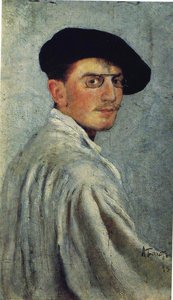
レオン・バクスト
1866 - 1924 , ベラルーシ
基本情報
- Artistic Movement Or Style: アール・ヌーヴォー、オリエンタリズム
- Artists Or Movements Influenced By This Artist:
- バレエ・リュス
- アール・デコ
- Date Of Birth: 1866年
- Date Of Death: 1924年
- Full Name: レオン・バクスト
- Nationality: ロシア
- Notable Artworks:
- シェヘラザード
- 牧神の午後
- クレオパトラ
- カルナヴァル
- 薔薇の精
- Place Of Birth: ベラルーシ、グロドノ
関連記事
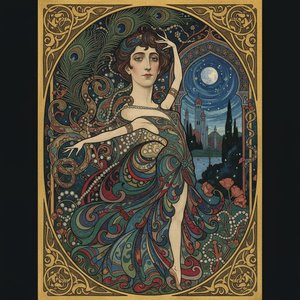
Léon Bakst: A Master of Decadence and the Ballet Russes' Visual Revolution
Explore the captivating world of Léon Bakst, master designer of the Ballets Russes. Discover his opulent costumes, revolutionary stagecraft & lasting influence on art and design. Learn about Diaghilev's vision and Bakst’s iconic works.

The Gilded Age Reimagined: Exploring the Aesthetic Principles & Enduring Legacy of Art Deco
Explore the captivating world of Art Deco! Discover its origins, defining features, cultural impact & enduring legacy. Expert insights for collectors and design enthusiasts. Shop handmade reproductions at ArtsDot.
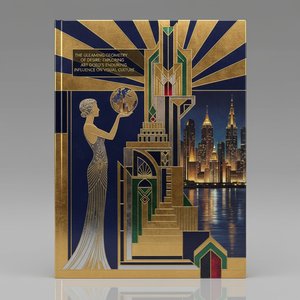
The Gleaming Geometry of Desire: Exploring Art Deco's Enduring Influence on Visual Culture
Explore the captivating world of Art Deco! Discover its history, key characteristics, enduring influence on design & collecting with expert insights from ArtsDot.com.
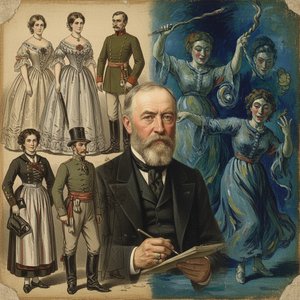
Albert Kretschmer: Capturing 19th-Century Costume & the Seeds of Expressionism
Explore the exquisite costume studies of Albert Kretschmer (1825-1891). Discover his detailed illustrations, influence on art history & connection to early Expressionism. Learn about collecting this remarkable artist's work.
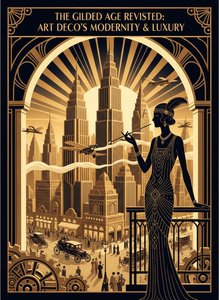
The Gilded Age Revisited: Art Deco's Modernity & Luxury
Explore the captivating world of Art Deco paintings & the Gilded Age's enduring legacy. Discover iconic artists like Tamara de Lempicka & invest in museum-quality reproductions with ArtsDot.