

 プレビュー
プレビュー
 プリントを購入
 シェアする
シェアする シェアする
シェアする
 詳細を見る
詳細を見る

 ダウンロード
 似ている作品
 X線調査
X線調査 スライドショー
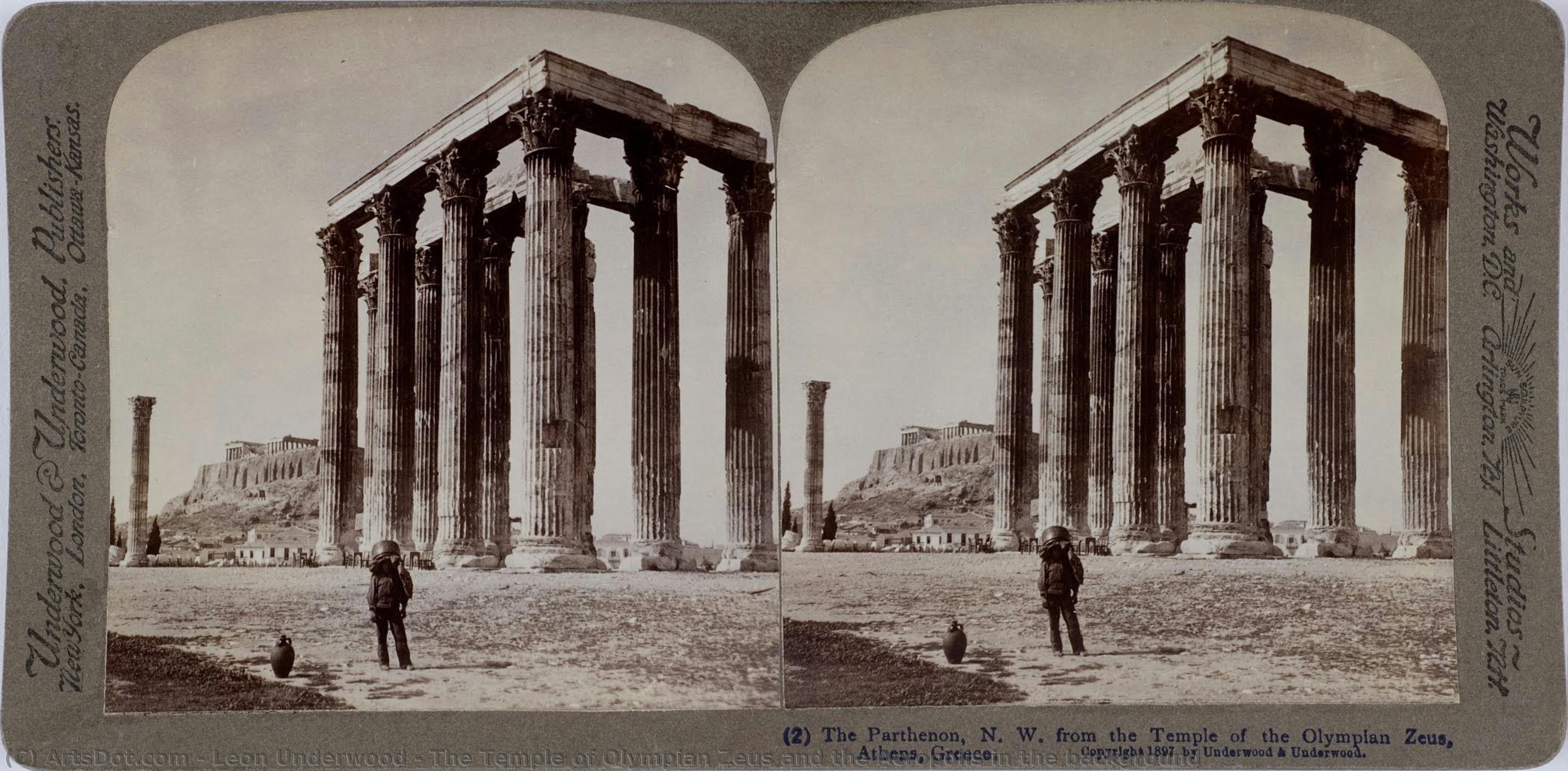
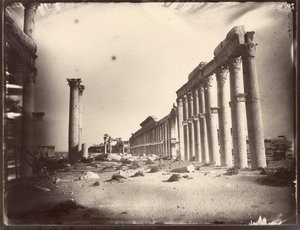
The Temple of Olympian Zeus and the Acropolis in the background
 19th Century Photography
 1897
1897 155.0 x 83.0 cm
 Benaki Museum of Greek Civilization
 詳細を見る
詳細を見る




































作品のオリジナル比率に合わせた、当店の規定サイズからお選びください。

特定のフレームやスペースに合わせて、ご希望のサイズをご入力いただけます。選択されたサイズが元の画像の比率と異なる場合、アートワークをトリミングするか、手描きで要素を追加して絵画を拡張いたします。デジタルモックアップ を制作し、制作開始前にご確認(承認)をいただきます。
画面上のプレビューは、実際のトリミングや拡張を正確に反映しているものではありません。最終的な構図は、モックアップによってのみ正確にご確認いただけます。
カスタムサイズもご利用いただけますが、元の比率を維持するためには、あらかじめ用意されたリストからサイズを選択することをお勧めいたします。
ご注文後、ArtsDot.com チームより詳細な指示をお送りするとともに、仕上がりイメージ(モックアップ)をご提供いたします。


 ガラスオプションは、110cm未満のサイズでのみご利用いただけます。

The Temple of Olympian Zeus and the Acropolis in the background
複製技法
複製画のサイズ
-


合計金額
$ 288
関連作品

アーティストの略歴
Leon Underwood: Bridging Tradition and Innovation in British Sculpture
Leon Underwood (1890-1975) stands as a fascinating figure within the landscape of early twentieth-century British art, often overshadowed by his more celebrated contemporaries. While he may not command the immediate recognition afforded to artists like Henry Moore or Barbara Hepworth – figures who benefited from significant institutional support and whose stylistic explorations resonated deeply with the zeitgeist – Underwood’s contribution to sculpture and printmaking deserves a renewed appreciation for its quiet brilliance and profound engagement with artistic heritage.- Early Life & Training: Born George Claude Leon Underwood in 1890, he pursued his artistic education at Regent Street Polytechnic before honing his skills at the Royal College of Art (RCA) between 1910 and 1913. This formative period instilled in him a disciplined approach to technique and exposed him to influential teachers like Henry Tonks, shaping his aesthetic sensibilities.
- Travels & Influences: Underwood’s adventurous spirit propelled him eastward in 1914, embarking on a perilous journey through Lithuania and Belarus amidst the escalating tensions of World War I. This expedition instilled within him an enduring fascination with Eastern European culture and traditions – influences that would subtly permeate his artistic output.
Sculpture: A Synthesis of Form and Emotion
Underwood’s sculptural practice distinguished itself by a remarkable fusion of stylistic approaches. He skillfully blended the formal rigor of Academic sculpture with expressive gestures derived from African art – a deliberate choice reflecting his conviction that “there should be a relationship between content and form in art.” This commitment to conveying emotion through meticulously crafted shapes resulted in works characterized by dynamism and psychological depth. Notable sculptures include pieces exploring themes of human figure, often imbued with subtle nuances of movement and gesture. His students—Henry Tonks and Blair Hughes-Stanton—were profoundly impacted by Underwood’s teaching methods and artistic vision.- Notable Works: Underwood's sculptural output includes pieces exploring themes of human figure, often imbued with subtle nuances of movement and gesture.
- Teaching Legacy: Underwood’s influence extended beyond his own creations; he mentored a generation of artists who embraced his belief in the importance of intuition alongside technical mastery.
Printmaking: Exploring Rhythm & Texture
Beyond sculpture, Underwood excelled as a printmaker, particularly in wood engraving. His prints demonstrated an exceptional command of line and texture—techniques he honed during his travels to Mexico where he was captivated by the vibrant colours and bold patterns of Mexican art. Underwood’s prints are notable for their rhythmic compositions and meticulous attention to detail, reflecting his conviction that “inspiration and intuition have a value over science and logic.” His work stands as testament to the enduring power of traditional printmaking methods combined with artistic vision.- Technique & Style: Underwood’s prints showcased an exceptional command of line and texture—techniques he honed during his travels to Mexico where he was captivated by the vibrant colours and bold patterns of Mexican art.
- Recognition & Exhibitions: Underwood's work gained recognition through exhibitions at Abbott and Holder, Pallant House and The Redfern Gallery, showcasing a retrospective in 1996.
Historical Significance & Legacy
Despite his understated profile within the broader canon of British Modernism—a movement largely defined by monumental forms and abstract explorations—Leon Underwood’s artistic integrity and unwavering dedication to craft ensured that he would be remembered as a pivotal figure in bridging the gap between Academic tradition and expressive innovation. His enduring influence can be discerned in the work of subsequent sculptors like Henry Moore and Barbara Hepworth, demonstrating his role as an educator and mentor who championed both technical precision and emotional resonance—a legacy deserving of renewed scholarly attention.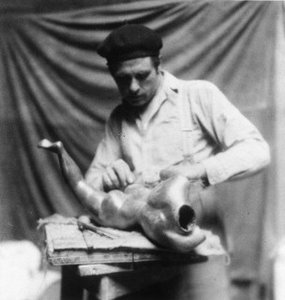
leon underwood
1890 - 1975
基本情報
- Artistic Movement Or Style: Modernist Sculpture
- Artists Or Movements Influenced By This Artist:
- Henry Moore
- Barbara Hepworth
- Artists Who Influenced This Artist:
- Gaudier-Brzeska
- Jacob Epstein
- Eric Gill
- Date Of Birth: December 25, 1890
- Date Of Death: October 9, 1975
- Full Name: George Claude Leon Underwood
- Nationality: British
- Notable Artworks:
- Belgian children made orphans by the war
- Temple of Olympian Zeus and the Acropolis in the background
- Place Of Birth: London
関連記事

Beyond the Lens: Photography's Enduring Influence on Modern & Contemporary Art
Explore photography's pivotal role in shaping modern & contemporary art. Discover key movements, influential artists like Stieglitz, and expert collecting advice from ArtsDot.

Monochrome Visions: Exploring the Aesthetic & Historical Significance of Black & White Photography
Explore the rich history & artistic power of black and white photography. From early techniques to iconic masters like Ansel Adams, discover why monochrome continues to captivate art lovers today. Expert insights for collectors.

Pictorialism: A Search for Artistic Photography's Soul – Aesthetics, Techniques & Legacy
Explore the captivating world of Pictorialism – a pivotal movement that transformed photography into fine art. Discover key artists like Stieglitz & Käsebier, techniques, and collecting tips from experts.

Witnessing History Through Lens & Light: Documentary Photography's Enduring Legacy
Explore the powerful history of documentary photography – from its origins to contemporary masters like Gordon Parks & W. Eugene Smith. Discover how this art form shapes our understanding of society and witness pivotal moments in time.
Documentary Photography's Defining Moments: 10 Masterpieces for Your Home |
Explore 10 defining documentary photography masterpieces – from Dorothea Lange to Robert Capa. Discover powerful stories, iconic images & timeless art for your home. Museum-quality prints at .

