

 プレビュー
プレビュー
 プリントを購入
 シェアする
シェアする シェアする
シェアする
 詳細を見る
詳細を見る

 ダウンロード
 似ている作品
 X線調査
X線調査 スライドショー
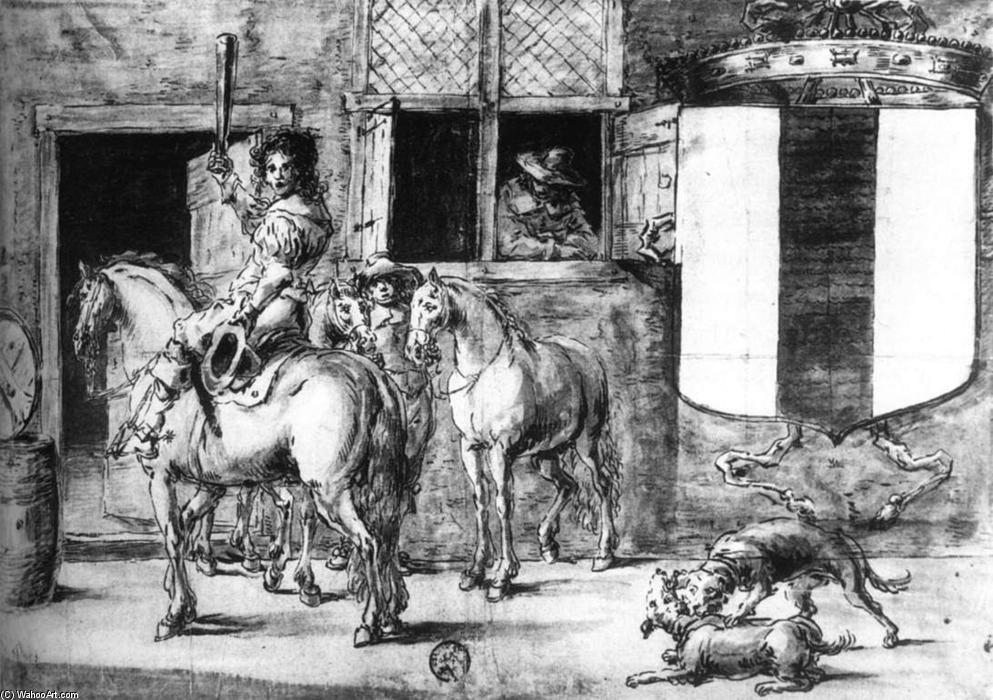
Soldiers with Horses before a House
 Oil On Canvas
- WallArt
- Dutch Golden Age
 1655
1655- Renaissance
 395.0 x 593.0 cm
 Museum Kunstpalast
 詳細を見る
詳細を見る




P118B $10

P118H $10

P118W $10

P438Z $10

P508JH $12

P508YH $12

P805H $10

P805Z $10

P919BZ $10

P919G $10

P919XJ $10

P959ZH $10

P968JZ $12

W106C $8

W218G $10

W218JH $8

W218Y $10

W307PJ $10

W316G $10

W316PJ $8

W316Y $10

W398PJ $8

W4111J $10

W500HY $15

W500JH $15

W692G $12

W849H $8

W940BG $15

W953PJ $8




作品のオリジナル比率に合わせた、当店の規定サイズからお選びください。

特定のフレームやスペースに合わせて、ご希望のサイズをご入力いただけます。選択されたサイズが元の画像の比率と異なる場合、アートワークをトリミングするか、手描きで要素を追加して絵画を拡張いたします。デジタルモックアップ を制作し、制作開始前にご確認(承認)をいただきます。
画面上のプレビューは、実際のトリミングや拡張を正確に反映しているものではありません。最終的な構図は、モックアップによってのみ正確にご確認いただけます。
カスタムサイズもご利用いただけますが、元の比率を維持するためには、あらかじめ用意されたリストからサイズを選択することをお勧めいたします。
ご注文後、ArtsDot.com チームより詳細な指示をお送りするとともに、仕上がりイメージ(モックアップ)をご提供いたします。


 ガラスオプションは、110cm未満のサイズでのみご利用いただけます。

Soldiers with Horses before a House
複製技法
複製画のサイズ
-


合計金額
$ 313
作品解説
Soldiers with Horses Before a House by Leonaert Bramer
Leonaert Bramer’s “Soldiers with Horses Before a House,” painted in 1655-60, stands as a cornerstone of Dutch Baroque art—a masterful depiction that transcends mere visual representation to embody the spirit of its era and resonate deeply with viewers centuries later. More than just a portrait of military prowess, it's an exploration of power, order, and the subtle interplay between human ambition and architectural grandeur.Composition and Technique: A Symphony of Line
The painting’s horizontal format immediately establishes a sense of stability, mirroring the formal ideals prevalent in Dutch art during the Golden Age. Two mounted soldiers dominate the central space, positioned slightly off-center to draw the eye and create visual dynamism. Their figures are rendered with meticulous anatomical accuracy—a testament to Bramer's skill as an artist—and imbued with palpable energy through expressive poses and detailed drapery. Supporting these commanding figures is a barrel on the left and a window figure on the right, adding depth and complexity to the composition. The artist skillfully employs hatching and cross-hatching techniques throughout the artwork, particularly prominent in the armor of the soldiers and the coats of the horses. These delicate lines generate textures that convincingly simulate surfaces—the metallic sheen of the armor reflecting light, the soft fur of the horse’s mane—bringing the scene to life with remarkable realism.Historical Context: The Baroque Ideal
Painted during a period marked by burgeoning scientific inquiry and artistic innovation, “Soldiers with Horses Before a House” reflects the Baroque aesthetic's fascination with dramatic lighting and theatrical grandeur. Like many Baroque paintings of its time, it aims to inspire awe and convey moral virtue—a characteristic born from the Counter-Reformation’s influence on European culture. The inclusion of dogs underscores the importance of loyalty and vigilance within the military hierarchy, reinforcing themes of duty and honor. Furthermore, the architectural backdrop—a stately house or fortress—symbolizes authority and permanence, anchoring the scene in a broader narrative of societal stability.Symbolism: Order Versus Chaos
Beyond its technical brilliance, “Soldiers with Horses Before a House” carries symbolic weight. The upright posture of the soldiers embodies discipline and control, representing the triumph of reason over instinct. Conversely, the horses symbolize strength and nobility—attributes associated with leadership and courage. The overall balance of the composition reinforces this duality, suggesting that true greatness lies in maintaining equilibrium between opposing forces. The muted color palette contributes to the painting’s contemplative mood, emphasizing the solemnity of the subject matter and inviting viewers to contemplate its profound implications.Emotional Impact: A Moment Frozen in Time
Ultimately, “Soldiers with Horses Before a House” succeeds in capturing a fleeting moment—a tableau vivant that transcends time. It evokes feelings of admiration for military valor and reverence for architectural magnificence. The artist’s masterful use of light and shadow creates an atmosphere of solemn grandeur, transporting the viewer back to 17th-century Delft and immersing them in the artistic spirit of its era. This enduring artwork continues to inspire contemplation and captivate audiences today—a testament to Bramer's genius and the timeless beauty of Baroque art.関連作品





アーティストの略歴
光に照らされた生涯:レオナール・ブラメールの世界
17世紀のデルフトの響きとともに語り継がれる名、レオナール・ブラメール。彼は単なる画家ではありませんでした。冒険家であり、革新者であり、そしてオランダ黄金時代における極めて重要な人物だったのです。1596年に生まれた彼の人生は、広範な旅、芸術的な実験、そして当時の活気あふれる文化的タペストリーへの深い関わりによって織りなされた、抗いがたい魅力を持つ物語でした。ブラメールの遺産は、彼が描き上げたキャンバスそのものだけでなく、そこに吹き込まれた独自の視点によって定義されます。異国情緒豊かな細部が散りばめられたドラマチックな夜景への傾倒は、同時代の多くの画家たちから彼を際立たせていました。彼は単に現実を描写していたのではありません。情緒と神秘に満ちた世界を創り出していたのです。その功績により、イタリア滞在中に「レオナルド・デッラ・ノッテ(夜のレオナルド)」という、詩的で情熱的な愛称さえ授かりました。デルフトからローマへ:芸術的形成への旅路
ブラメールの芸術的な旅は、わずか18歳という若さで故郷デルフトを大胆に離れることから始まりました。それは、彼の審美眼を形作ることになるグランドツアーの幕開けでした。この旅は単なる気楽な探訪ではなく、ヨーロッパの芸術の中心地における没入的な修行の道でもありました。アルストレ、アミアン、そしてパリといった都市を経て、彼は1616年に芸術的野心の試練の場であるローマへと辿り着きました。そこで彼は、風刺的なニックネームを使い、活発な知的議論に興じた北方の芸術家集団「ベントヴーフヘルス」の一員となりました。ブラメールは「ネステルガット(落ち着きのない者)」として知られるようになりますが、これは彼の人生と芸術の両方に浸透していた、絶え間ないエネルギーを暗示していました。イタリアでの日々には衝突もつきものでした。名高いクロード・ロランとの身体的な争いがあったことも記録に残っており、対立を恐れない情熱的な精神を物語っています。しかし、このダイナミックな環境こそが、ブラメールの技量を磨き上げた場所でもありました。彼は北欧では比較的珍しかったフレスコ画の技法を習得し、アダム・エルスハイマーやアゴスティーノ・タッシといった巨匠たちの影響を吸収していったのです。マンチュアやヴェネツィアなどイタリア各地を広く旅したことで、彼の発展途上のスタイルにはさらなる深みが加わっていきました。デルフトへの帰還:パトロネージュ、革新、そして芸術的多才さ
1628年にデルフトへ戻ったブラメールは、瞬く間に地元の芸術界に溶け込み、1629年には聖ルカ・ギルドに加入しました。彼はオレンジ家の一族や有力な地方官吏といった著名な人物たちからすぐに庇護を受け、自身の芸術活動のための安定した基盤を築き上げました。しかし、ブラメールは決して一面的な画家ではありませんでした。彼は絵画の枠を超え、多様な創造的探求に身を投じたのです。タペストリー工房のために複雑な文様をデザインし、その作品はオランダ中の家庭を彩りました。さらに、彼は野心的な壁画プロジェクトにも取り組み、錯視的な技法を用いることで、室内空間を没入感のある環境へと変貌させました。悲しいことに、これらのフレスコ画の多くは、オランダの厳しい気候によって時とともに失われてしまいましたが、その存在自体がブラメールの驚くべき多才さと、芸術的境界を押し広げようとする意志の証となっています。神経質なまでのエネルギーと見事な光の反射描写を特徴とする彼の独自のスタイルは、従来のオランダ的な風景画や静物画よりもイタリア風の主題を好んで描き、当時の環境において彼を孤高の個人主義者として際立たせていました。師としての手跡:ブラメールの影響と不朽の遺産
ブラメールの影響は、彼自身の芸術作品の枠を遥かに超えて広がっていました。ヨハネス・フェルメールの初期のキャリアにおいて、彼が極めて重要な役割を果たしたと考えられています。将来の義母が結婚を阻止しようとした際、この若き芸術家を擁護したというエピソードは、両者の親密な関係を示唆しており、多くの学者はブラメールがフェルメールの師であった可能性を推測しています(決定的な証拠はいまだ見つかっていませんが)。彼の知的好奇心は、「アルバム・ブラメール」(1642-1654年)の制作にも表れています。この素描集は、当時のデルフトで普及していた美術コレクションや芸術的慣習を知る上で、極めて貴重な洞察を与えてくれます。レオナール・ブラメールは1674年2月10日より前にデルフトでその生涯を閉じましたが、彼が残した作品群は今なお人々を魅了し、謎めいた魅力を放ち続けています。死後、一時的にその名は衰退した時期もありましたが、近年の研究によって彼の人生と芸術への関心は再び燃え上がり、オランダ美術史における重要かつ、しばしば見過ごされてきた人物としての地位を確固たるものにしました。彼は、個人のビジョンの持つ力、そして芸術的な卓越性を追求して生きる人生が持つ、永遠の魅力を証明し続けているのです。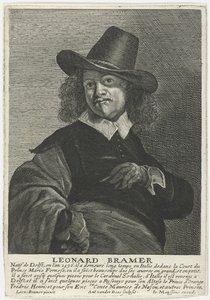
レオナールト・ブラメール
1596 - 1674 , オランダ
基本情報
- Artistic Movement Or Style: バロック
- Artists Or Movements Influenced By This Artist: ['ヨハネス・フェルメール']
- Artists Who Influenced This Artist:
- アダム・エルスハイマー
- アゴスティーノ・タッシ
- Date Of Birth: 1596年
- Date Of Death: 1674年
- Full Name: レオナール・ブラーメル
- Nationality: オランダ
- Notable Artworks:
- 聖ペテロの否認
- パシュルのエレミヤへの打撃
- ソロモンの裁判
- Place Of Birth: オランダ、デルフト
関連記事

Dutch Baroque Masters: 10 Paintings That Shaped an Era | ArtsDot
Journey through the Golden Age with our guide to the Top 10 Dutch Baroque masterpieces! Explore iconic paintings by Rembrandt, Vermeer & Frans Hals. Find museum-quality art reproductions and elevate your home decor at ArtsDot.com.

Golden Age Reflections: Dutch Baroque Painting & Cultural Innovation
Explore the Dutch Golden Age of painting! Discover key artists like Vermeer & ter Borch, their innovative techniques, and the rich cultural context behind these Baroque masterpieces. Learn about collecting & appreciating this iconic art period.

Giclée Prints: Archival Quality & Aesthetic Nuances for the Discerning Collector
Explore the world of giclée prints with ArtsDot. Learn about archival quality, aesthetic nuances & investment potential. Expert guidance for discerning art collectors seeking museum-quality reproductions and lasting value.

The Enduring Legacy of Fine Art Prints: Technique, History & Aesthetic Impact
Explore the rich history & techniques of fine art prints. Discover investment potential, assess authenticity, and learn how to preserve your collection with expert guidance. Trusted insights for discerning collectors.

バロック美術を極めた至宝:時代を彩る10大名作の世界
バロック美術の華!カラヴァッジョ、ベルニーニら巨匠が創り上げた10大名作を徹底解剖。ドラマチックな色彩と豪華絢爛の世界観に触れ、至宝のアートプリントで空間を彩ろう。ArtsDot.comで美術館品質の複製と洗練されたインテリアを見つけましょう!

