

 プレビュー
プレビュー
 シェアする
シェアする シェアする
シェアする
 詳細を見る
詳細を見る

 ダウンロード
 似ている作品
 X線調査
X線調査 スライドショー
 Stats
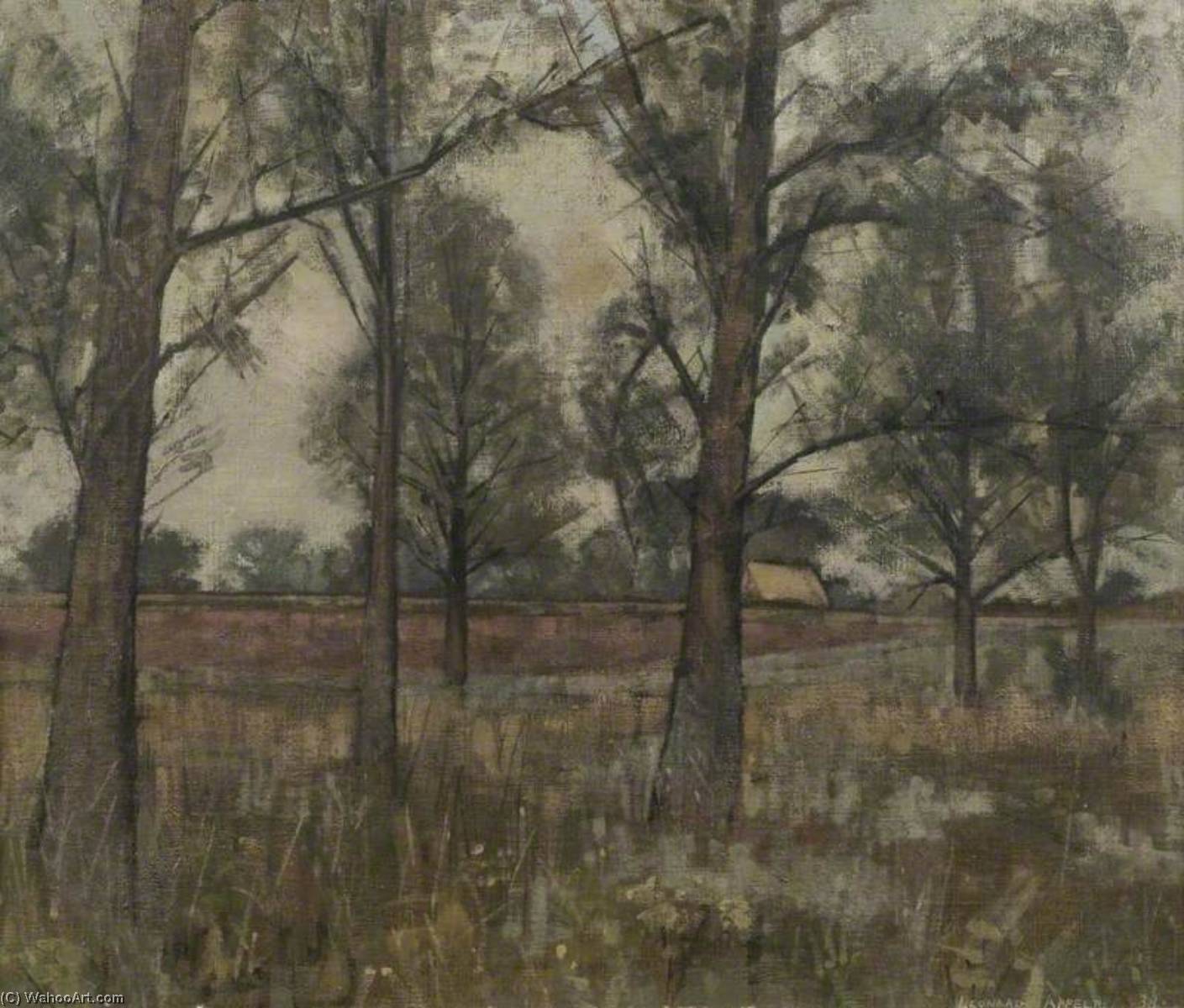
StatsWixoe, Suffolk
 1938
1938 59.0 x 69.0 cm
 Alfred East Art Gallery
 詳細を見る
詳細を見る
オンラインプレビューをはるかに凌ぐ、高解像度で鮮明なデジタル画像をご購入いただけます。
各ファイルは、社内の専門家が高度なツールと熟練した手作業によるレタッチを用いて、細心の注意を払って準備されています。すべての画像において、卓越した鮮明度、正確な色彩再現性、そして繊細なディテールを保証いたします。
最終ファイルは、プロフェッショナルな編集・印刷環境ですぐにご利用いただけるよう最適化された状態で、72時間以内にメールにてお届けいたします。これは、一流のデザインスタジオ、出版社、ギャラリーから信頼されているものと同等の品質です。
デジタルアート
個人での鑑賞、印刷、クリエイティブなプロジェクト用に、高解像度ファイルをダウンロードできます。 ( Switch to Print 手描きの絵画を購入)
デジタル画像のご注文に付随する特典
高品質なデジタル画像配信を、確かな品質で。
ArtsDot.com を選ぶことは、単に画像を手に入れることではありません。それは、プロの手によって精密に仕上げられ、満足保証が付いた高品質なデジタルアートワークを受け取ることを意味します。ご注文いただいた際に自動的に付随する内容は、以下の通りです:

メールですぐにお届け
ご注文から72時間以内に、高解像度のデジタル画像ファイルがメールでお手元に届きます。すぐにそのままご利用いただけます。

AI技術で最適化されたデジタルファイル
お客様の作品は、高度なAIツールと専門家による手作業の編集を組み合わせてプロフェッショナルに最適化されており、細部のディテール、鮮明さ、そして正確な色再現性を最大限に引き出しています。

一生涯無料の再送サービス
ファイルを誤って削除したり、紛失してしまったりしましたか?ご安心ください。いつでも無料で再送いたします。

輸入手数料は一切かかりません
関税や手数料、配送料を気にすることなく、お気に入りのアートワークをすぐにお楽しみいただけます。デジタルダウンロードは常に免税です。

色彩再現の保証
プロ仕様のツールとカラーマネジメント技術を用いることで、デジタル画像が元の色を最大限に忠実に再現することを保証いたします。

100日間満足保証
ご購入いただいたデジタル画像にご満足いただけない場合は、100日以内であれば、理由を問わず修正または100%の返金対応をさせていただきます。

100% 返金保証
ご満足いただけない場合は、デジタルファイルを受け取ってから100日以内であれば、理由を問わず全額返金いたします。

まとめ買い割引
3枚購入で10%OFF - 5枚購入で15%OFF - 10枚以上購入で20%OFF。クリエイティブなプロジェクト、ギャラリー、エージェンシーに最適です。
The Painting's Composition
The painting depicts a field with trees in the background, their bare branches stretching towards the sky. The atmosphere is tranquil, inviting the viewer to step into the serene landscape. The use of oil on canvas adds depth and texture to the piece, making it a stunning example of landscape art. For more information on the artist and his works, visit /art/list/?Filter=Leonard-Appelbee.Other Notable Works
The Alfred East Art Gallery also features other notable works, including Two Glasses by Margaret Firth and The Oakley Road by Leonard Herbert Turland. These pieces showcase the diversity of the gallery's collection and highlight the talent of various artists. To explore more artworks, visit /en/art/show/art-aqvdfk-en/.- Wixoe, Suffolk is a prime example of landscape painting, capturing the essence of nature and its tranquility.
- The Alfred East Art Gallery is a must-visit destination for art enthusiasts, featuring a wide range of artworks from various artists.
- For those interested in learning more about the gallery and its collection, visit /art/list/?Filter=A@D3C4T7-Alfred-East-Art-Gallery:-A-Hidden-Gem-in-Kettering-United-States.
The Wixoe, Suffolk painting is a beautiful representation of the English countryside, and its serene landscape invites the viewer to step into the tranquil atmosphere. With its stunning composition and use of oil on canvas, this piece is a must-see for art enthusiasts.
関連作品








作家の略歴
The Quiet Observer: The Life and Legacy of Leonard Appelbee
Born on November 13th, 1914, in the heart of Fulham, London, Leonard Appelbee emerged as a painter whose work would eventually become a profound meditation on the stillness of English life. Though his roots were tied to the industrious spirit of his father, a coppersmith, Appelbee’s soul was drawn toward the delicate interplay of light and form. His early education at Goldsmiths College of Art and later at the Royal College of Art provided him with a rigorous technical foundation, yet it was his deep connection to the landscape that would define his artistic identity. Throughout a career spanning nearly six decades, Appelbee moved between the urban energy of London and the tranquil expanses of the Suffolk countryside, allowing each environment to leave an indelible mark on his palette and perspective.
The evolution of Appelbee’s style is a fascinating journey through the major movements of the twentieth century. In his early years, one can detect the structural echoes of Cubism, particularly in works like "The King Crab" (1938), where the influence of masters such as Picasso and Braque manifests in textured, muted tones and a deliberate fragmentation of form. However, as his gaze turned more frequently toward the natural world, his work transitioned into a deeply personal brand of Impressionism. This shift was not merely a change in technique but a deepening of intent; he began to prioritize the atmospheric weight of a scene, using meticulous brushwork and careful layering of pigments to capture the fleeting luminosity of the English seasons. His landscapes, often depicting the coastal marshes and arable fields of Suffolk, utilize a sophisticated range of greens, browns, and blues to evoke a sense of quiet dignity and post-war resilience.
A Mastery of Stillness and Symbolism
While his landscapes offered a window into the soul of rural England, it was in his still lifes that Appelbee achieved a remarkable ability to distill complex emotions into deceptively simple arrangements. He possessed a rare gift for elevating the mundane—a piece of raw meat, an onion, or a bowl—into objects of profound contemplation. In masterpieces such as "Still Life No.10" (1950), the artist demonstrates an exquisite command over composition and balance, guiding the viewer’s eye through a harmonious arrangement that feels both intimate and timeless. These works often serve as meditations on memory and the beauty of everyday existence, where the play of light on organic textures creates a surface that seems to shimmer with life.
Beyond the domestic sphere, Appelbee’s versatility extended into portraiture and even graphic design, notably his 1939 poster for the Wimbledon Championships. His wartime service in the Army, including roles within the Special Operations Executive, added a layer of gravity to his later observations of peace. The following elements characterize the breadth of his artistic output:
- Portraiture: Notable commissions for prestigious institutions such as Eton College and Corpus Christi College, Cambridge, showcasing his ability to capture character and presence.
- Landscape Art: Serene depictions of the British countryside, such as "The Watering Place" (1949), which evoke a sense of tranquility and connection to nature.
- Printmaking: A dedicated exploration of line and texture that complemented his oil paintings.
Historical Significance and Enduring Resonance
Though Appelbee remained largely unrecognized by the mainstream art establishment during much of his lifetime, his contributions to British art are increasingly recognized for their sincerity and technical brilliance. His participation in the Festival of Britain celebrations in 1951, through works like "One-man Band", placed him at the center of a significant cultural moment in post-war reconstruction. His accolades, including winning the Silver Medal at the Paris Salon in 1970, speak to an international standard of excellence that transcended local boundaries.
Today, Appelbee’s work resonates with a contemporary audience seeking solace in the "quiet" moments of history. He remains a vital figure for collectors and historians alike, representing a bridge between the structured experimentation of early modernism and the emotive, observational traditions of British landscape painting. His legacy lives on in the way his canvases continue to capture the ephemeral beauty of a world caught between the shadows of war and the enduring light of the natural world.
leonard appelbee
1914 - 2000
プロフィール概要
- Artistic Movement Or Style: Cubism & Impressionism
- Artists Or Movements Influenced By This Artist: ['Cubism']
- Artists Who Influenced This Artist: ['Georges Braque']
- Date Of Birth: 1914
- Date Of Death: 2000
- Full Name: Leonard Appelbee
- Nationality: British
- Notable Artworks:
- Still Life No.10
- The King Crab
- Torridge above Sheepwash Bridge
- Place Of Birth: Suffolk, England