

 プリントを購入
 シェアする
シェアする シェアする
シェアする
 詳細を見る
詳細を見る

 ダウンロード
 似ている作品
 スライドショー
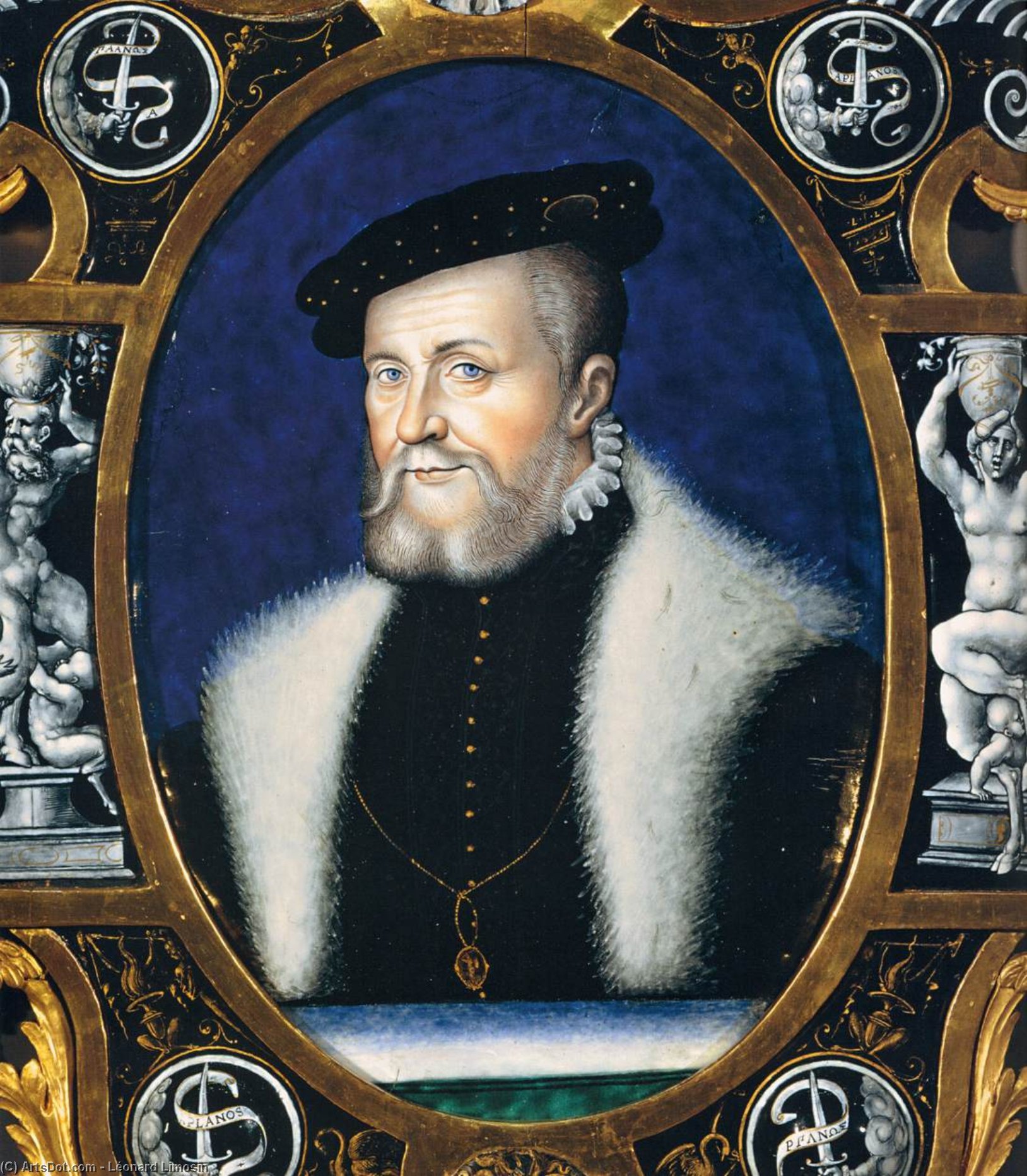
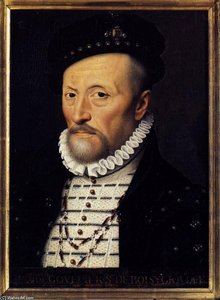
Portrait of Anne the Montmorency (detail)


 詳細を見る
詳細を見る
オンラインプレビューをはるかに凌ぐ、高解像度で鮮明なデジタル画像をご購入いただけます。
各ファイルは、社内の専門家が高度なツールと熟練した手作業によるレタッチを用いて、細心の注意を払って準備されています。すべての画像において、卓越した鮮明度、正確な色彩再現性、そして繊細なディテールを保証いたします。
最終ファイルは、プロフェッショナルな編集・印刷環境ですぐにご利用いただけるよう最適化された状態で、72時間以内にメールにてお届けいたします。これは、一流のデザインスタジオ、出版社、ギャラリーから信頼されているものと同等の品質です。
デジタル画像のご注文に付随する特典
高品質なデジタル画像配信を、確かな品質で。
ArtsDot.com を選ぶことは、単に画像を手に入れることではありません。それは、プロの手によって精密に仕上げられ、満足保証が付いた高品質なデジタルアートワークを受け取ることを意味します。ご注文いただいた際に自動的に付随する内容は、以下の通りです:

メールですぐにお届け
ご注文から72時間以内に、高解像度のデジタル画像ファイルがメールでお手元に届きます。すぐにそのままご利用いただけます。

AI技術で最適化されたデジタルファイル
お客様の作品は、高度なAIツールと専門家による手作業の編集を組み合わせてプロフェッショナルに最適化されており、細部のディテール、鮮明さ、そして正確な色再現性を最大限に引き出しています。

一生涯無料の再送サービス
ファイルを誤って削除したり、紛失してしまったりしましたか?ご安心ください。いつでも無料で再送いたします。

輸入手数料は一切かかりません
関税や手数料、配送料を気にすることなく、お気に入りのアートワークをすぐにお楽しみいただけます。デジタルダウンロードは常に免税です。

色彩再現の保証
プロ仕様のツールとカラーマネジメント技術を用いることで、デジタル画像が元の色を最大限に忠実に再現することを保証いたします。

100日間満足保証
ご購入いただいたデジタル画像にご満足いただけない場合は、100日以内であれば、修正または100%の返金(理由を問う必要はありません)をさせていただきます。

100% 返金保証
ご満足いただけない場合は、デジタルファイルを受け取ってから100日以内であれば、理由を問わず全額返金いたします。

まとめ買い割引
3枚購入で10%OFF - 5枚購入で15%OFF - 10枚以上購入で20%OFF。クリエイティブなプロジェクト、ギャラリー、エージェンシーに最適です。
The Enamored Gaze: Leonard Limosin’s Portrait of Anne de Montmorency
Within the intricate world of 16th-century French portraiture, Leonard Limosin's “Portrait of Anne the Montmorency (detail)” stands as a testament to both technical mastery and subtle emotional depth. More than simply a likeness, it’s a carefully constructed tableau – a glimpse into the life and status of a powerful noblewoman within the turbulent political landscape of France. The painting, executed around 1556, is not merely a representation; it's an invitation to contemplate Anne de Montmorency’s presence, her bearing, and the world she inhabited.
The subject herself – Anne, First Duke of Montmorency – was a figure of considerable importance. A skilled diplomat, soldier, and loyal servant to five successive French kings, she navigated the treacherous currents of courtly intrigue with grace and shrewdness. Her life spanned a period of immense change, from the waning days of the Italian Wars to the burgeoning religious conflicts that would ultimately engulf France. Limosin’s portrait captures her at a pivotal moment – a woman of considerable age, yet radiating an undeniable strength and dignity.
A Symphony of Color and Technique: The Art of French Enamel
Limosin's skill lies not just in his ability to capture likeness but in his masterful manipulation of the enamel technique. This was a highly specialized art form, practiced primarily in Limoges, France – a city renowned for its vibrant glassmaking tradition. Unlike oil paint, enamel involved applying layers of colored glass paste to a metal substrate (typically silver or copper), which were then fired at extremely high temperatures to fuse them together. The result is an astonishingly durable and luminous surface, capable of capturing subtle nuances of color and texture.
- Color Palette: Limosin employs a rich, jewel-toned palette – deep blues, vibrant reds, shimmering golds, and delicate greens – creating a sense of opulence and formality. The use of grisaille (monochrome enamel) for the background adds depth and emphasizes Anne’s figure.
- Surface Detail: Notice the incredible detail in the rendering of her clothing—the intricate folds of the velvet gown, the subtle sheen of the jewels adorning her hair. The meticulous application of each color demonstrates Limosin's extraordinary control over his medium.
- Composition: The portrait is framed within a gilded wood panel, its strapwork and foliage echoing the decorative motifs prevalent in the Fontainebleau School – a testament to Limosin’s exposure to Italian Renaissance influences.
Symbolism and Context: A Portrait of Power and Grace
Beyond the immediate likeness, the portrait is laden with symbolic meaning. The presence of two birds perched above Anne's head—one on either side of her ears—is particularly noteworthy. Birds are frequently associated with nobility and virtue in Renaissance art, representing qualities such as wisdom, loyalty, and divine favor. The elaborate headdress, adorned with jewels and pearls, further reinforces her status and wealth.
Furthermore, the portrait’s placement within a formal frame—a gilded wood panel—underscores its importance as a royal commission. The choice of Limosin himself speaks volumes about the esteem in which his work was held by the French court. He wasn't merely a painter; he was an artist of considerable prestige and influence, trusted to immortalize one of France’s most prominent figures.
A Timeless Masterpiece: Investing in a Legacy
“Portrait of Anne the Montmorency (detail)” is more than just a beautiful painting—it's a window into a bygone era. Reproductions, meticulously crafted by skilled artisans, offer an opportunity to bring this remarkable artwork into your home or office, allowing you to appreciate its beauty and historical significance for generations to come. Consider the enduring appeal of Limosin’s artistry – a testament to his skill, vision, and the timeless allure of Renaissance portraiture.
関連作品
作家の略歴
Biography
Léonard Limosin (b. ca. 1505, Limoges, d. ca. 1575/77) stands as one of the most celebrated enamel painters of Renaissance France, a figure whose legacy continues to inspire admiration for his masterful technique and profound artistic vision. Born in Limoges – a city renowned for its vibrant enamel tradition – he descended from a family of seven skilled enamellers, establishing him within a lineage deeply rooted in this distinctive art form. While precise details surrounding his early life remain elusive, scholarly consensus suggests that Limosin honed his craft under the tutelage of Jean Nardon Pénaud, a prominent Limoges artist whose influence undoubtedly shaped his formative years.- Early Influences: Limosin’s artistic journey commenced with an undeniable connection to German Renaissance art. His inaugural authenticated work, dated 1532, comprises eighteen enamel plaques depicting the Passion of Christ – a direct adaptation of prints by Albrecht Dürer. This stylistic debt underscores the pervasive impact of Northern European artistic sensibilities on French painters during this period.
- The Fontainebleau School: Recognizing the importance of broadening his artistic horizons, Limosin actively sought inspiration from the Italian masters residing at Fontainebleau Palace. Artists such as Primaticcio, Rosso Fiorentino, Giulio Romano and Andrea Solari captivated him with their innovative use of arabesque ornament and their exploration of mythological subjects—elements that would subsequently permeate his own oeuvre.
- Service to Royalty: In 1530 Limosin entered the service of Francis I as painter and valet de chambre, a position he maintained throughout Henry II’s reign. This patronage afforded him unparalleled access to royal commissions, resulting in numerous portraits executed in enamel—among them striking depictions of Diane de Poitiers, who served as Henry II's mistress, and elaborate decorative works adorning the palaces of Versailles and Fontainebleau.
Major Achievements & Legacy
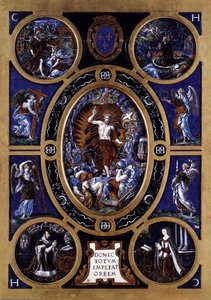
Limosin’s contribution to art history is undeniable, primarily evidenced by his monumental achievement: the creation of approximately two thousand enamels—a staggering number that testifies to his prolific creativity and unwavering dedication to his craft. Among his most enduring masterpieces are the two votive tablets commissioned for Sainte Chapelle in Paris – a breathtaking assemblage of twenty-three plaques meticulously crafted according to Dürer’s designs, symbolizing faith and devotion. These tablets remain treasured relics of Gothic art, captivating visitors with their exquisite artistry and symbolic grandeur. Furthermore, Limosin's portraits—including depictions of Henry II, Marguerite de Valois, the Duke of Guise and Cardinal Lorraine—are considered cornerstones of Renaissance portraiture, capturing the dignity and complexity of royal figures with unparalleled skill. His works continue to be exhibited at prestigious institutions such as the Louvre Museum, ensuring that his artistic legacy persists for generations to come.Notable Works
Limosin’s oeuvre encompasses a diverse range of projects—from monumental enamel plaques to intimate miniature paintings—each reflecting his distinctive stylistic sensibilities and technical prowess. His most celebrated achievements include:- The Sainte Chapelle Votive Tablets
- Portraits of Henry II, Marguerite de Valois, Duke of Guise & Cardinal Lorraine
- Enamel Plaques Depicting Diane de Poitiers
léonard limosin
1505 - 1575 , France
プロフィール概要
- Artistic Movement Or Style: Renaissance enamel art
- Artists Or Movements Influenced By This Artist: ['Italian Mannerists']
- Artists Who Influenced This Artist:
- Albrecht Dürer
- Francesco Primaticcio
- Rosso
- Date Of Birth: c. 1505
- Date Of Death: c. 1575
- Full Name: Léonard Limosin
- Nationality: French
- Notable Artworks:
- Crucifixion
- Resurrection
- Portrait of Galiot de Genouillac
- Place Of Birth: Limoges, France