

 プレビュー
プレビュー
 シェアする
シェアする シェアする
シェアする
 詳細を見る
詳細を見る

 ダウンロード
 似ている作品
 X線調査
X線調査 スライドショー
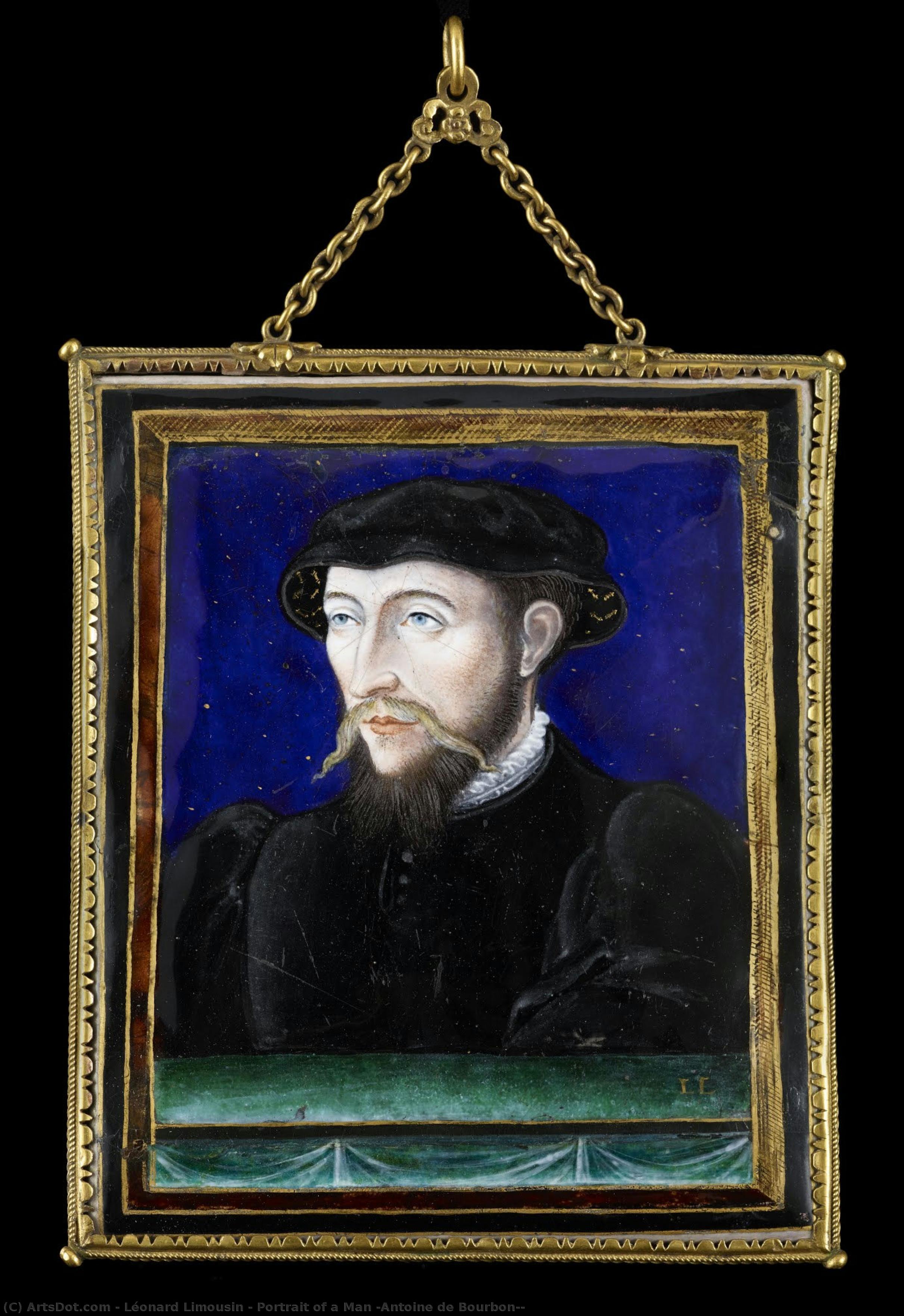
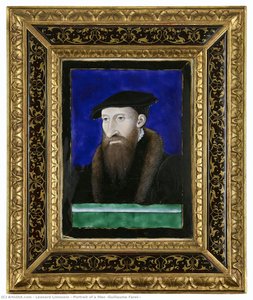
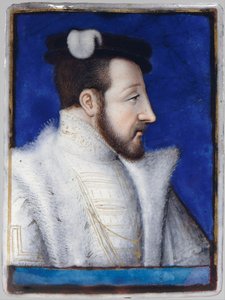
Portrait of a Man (Antoine de Bourbon?)


 詳細を見る
詳細を見る
ジークレー/アートプリント
迅速な制作と多彩な仕上げオプションを備えた、ミュージアムクオリティのジークレーまたはキャンバスプリント。 ( 手描きの絵画を購入 画像を購入)




































作品のオリジナル比率に合わせた、当店の規定サイズからお選びください。

特定のフレームやスペースに合わせて、ご自身でサイズを指定することも可能です。選択されたサイズが元の画像の比率と一致しない場合、作品をトリミングするか、鏡面反射または単色での塗りつぶしによって画像を拡張いたします。制作を開始する前に、ご確認用のデジタルモックアップをお送りいたします。
画面上のプレビューには、実際のトリミングや拡張は反映されませんのでご注意ください。最終的な構図を正確に確認できるのは、モックアップのみとなります。
カスタムサイズも承っておりますが、元の比率を維持するためには、あらかじめ用意されたリストからサイズを選択することをお勧めいたします。


 ガラスオプションは、110cm未満のサイズでのみご利用いただけます。

Portrait of a Man (Antoine de Bourbon?)
ジークレー/アートプリント
複製画のサイズ
-


合計金額
$ 62
関連作品






アーティストの略歴
The Luminous Craft of Léonard Limousin
To encounter the work of Léonard Limousin is to step into a world where artistry and metallurgy achieved a breathtaking, luminous union. He was more than merely a painter; he was a master artisan whose touch transformed enamel—a delicate marriage of glass and metal—into narratives of profound beauty. As a prominent figure within a celebrated family of Limoges enamel painters, his skill placed him at the zenith of French decorative arts during the Renaissance. Though born in France, his artistic journey was one of rich absorption, drawing inspiration from disparate cultural wells to forge a style uniquely his own.
Echoes of Influence and Early Mastery
Limousin’s early development reveals a fascinating dialogue between geographical influences. While his foundational training may have been rooted in the traditions of the German school, evidenced by his early plaques depicting the Passion of the Lord after Albrecht Dürer, his vision was rapidly broadened. His exposure to the grand masters of Italy—artists such as Primaticcio, Rosso, Giulio Romano, and Andrea Solari—imprinted upon him a deep appreciation for arabesque ornamentation and the rich mythology that permeated Italian Renaissance art. Yet, what distinguishes Limousin is how he managed this influx of foreign styles; his inherent French tradition proved strong enough to anchor his genius, preventing him from becoming a mere echo of others.
Royal Patronage and Artistic Zenith
His career blossomed under the patronage of royalty, solidifying his reputation as an artist of immense consequence. Entering the service of Francis I, where he served not only as a painter but also as a varlet de chambre, Limousin maintained this esteemed position through the reign of Henry II. It was during these years that his technical prowess shone brightest across various commissions. He created exquisite portraits in enamel, notably those depicting figures like Diane de Poitiers in diverse guises. His output spanned an array of forms—from grand plaques and elegant vases to delicate ewers and cups—all destined for the most magnificent royal palaces.
Enduring Legacy on Sacred Art
Perhaps the most enduring testament to his genius lies within the sacred commissions. The two famous votive tablets housed at the Sainte Chapelle in the Louvre stand as monumental achievements, each comprising twenty-three plaques and bearing his signature, L.L., dated 1553. These works showcase his ability to merge intense religious devotion with unparalleled technical finesse. Beyond these masterpieces, representative examples of his breathtaking enamel work can be found in the collections at Cluny and the Limoges museums, while institutions such as the Victoria and Albert Museum and the British Museum further attest to the breadth and quality of his contribution to art history.
léonard limousin
France
基本情報
- Artistic Movement Or Style: World Goes Pop
- Artists Or Movements Influenced By This Artist: ['Influenced by pop art movement']
- Artists Who Influenced This Artist: ['Influenced by diverse artists in The World Goes Pop exhibition']
- Date Of Death: Living
- Notable Artworks: ['Various works featured in The World Goes Pop exhibition']
- Place Of Birth: WahooArt

