

 プリントを購入
 シェアする
シェアする シェアする
シェアする
 詳細を見る
詳細を見る

 ダウンロード
 似ている作品
 スライドショー
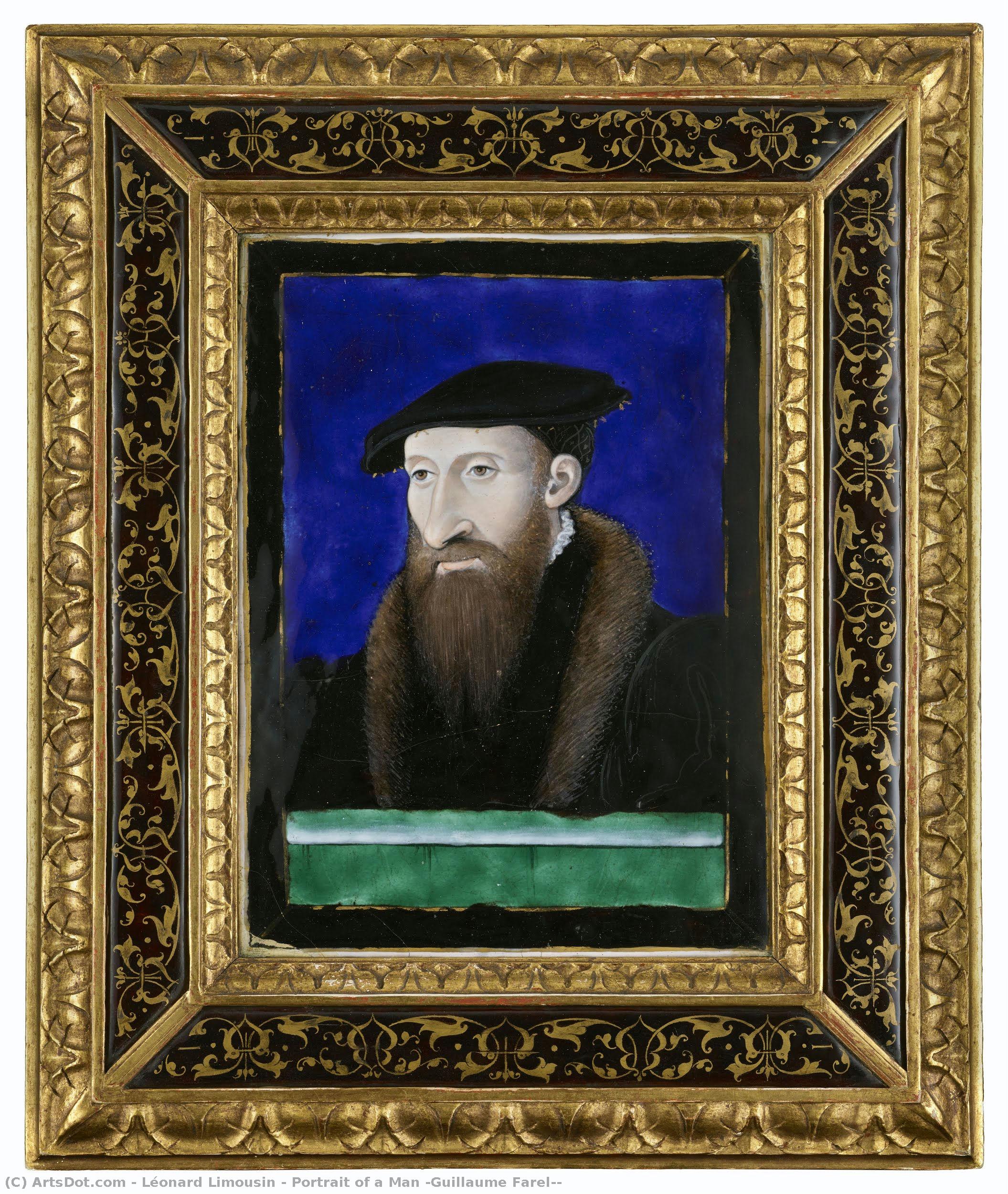
Portrait of a Man (Guillaume Farel?)
 Enamel
- Decor
- Renaissance
 1546
1546- Renaissance
 19.0 x 14.0 cm
 フリック美術館
 詳細を見る
詳細を見る
オンラインプレビューをはるかに凌ぐ、高解像度で鮮明なデジタル画像をご購入いただけます。
各ファイルは、社内の専門家が高度なツールと熟練した手作業によるレタッチを用いて、細心の注意を払って準備されています。すべての画像において、卓越した鮮明度、正確な色彩再現性、そして繊細なディテールを保証いたします。
最終ファイルは、プロフェッショナルな編集・印刷環境ですぐにご利用いただけるよう最適化された状態で、72時間以内にメールにてお届けいたします。これは、一流のデザインスタジオ、出版社、ギャラリーから信頼されているものと同等の品質です。
デジタル画像のご注文に付随する特典
高品質なデジタル画像配信を、確かな品質で。
ArtsDot.com を選ぶことは、単に画像を手に入れることではありません。それは、プロの手によって精密に仕上げられ、満足保証が付いた高品質なデジタルアートワークを受け取ることを意味します。ご注文いただいた際に自動的に付随する内容は、以下の通りです:

メールですぐにお届け
ご注文から72時間以内に、高解像度のデジタル画像ファイルがメールでお手元に届きます。すぐにそのままご利用いただけます。

AI技術で最適化されたデジタルファイル
お客様の作品は、高度なAIツールと専門家による手作業の編集を組み合わせてプロフェッショナルに最適化されており、細部のディテール、鮮明さ、そして正確な色再現性を最大限に引き出しています。

一生涯無料の再送サービス
ファイルを誤って削除したり、紛失してしまったりしましたか?ご安心ください。いつでも無料で再送いたします。

輸入手数料は一切かかりません
関税や手数料、配送料を気にすることなく、お気に入りのアートワークをすぐにお楽しみいただけます。デジタルダウンロードは常に免税です。

色彩再現の保証
プロ仕様のツールとカラーマネジメント技術を用いることで、デジタル画像が元の色を最大限に忠実に再現することを保証いたします。

60日間満足保証
ご購入いただいたデジタル画像にご満足いただけない場合は、60日以内であれば、修正または100%の返金(理由を問う必要はありません)をさせていただきます。

100% 返金保証
ご満足いただけない場合は、デジタルファイルを受け取ってから60日以内であれば、理由を問わず全額返金いたします。

まとめ買い割引
3枚購入で10%OFF - 5枚購入で15%OFF - 10枚以上購入で20%OFF。クリエイティブなプロジェクト、ギャラリー、エージェンシーに最適です。
A Glimpse Through the Enamel Veil
To behold the Portrait of a Man, attributed by many scholars to the influential reformer Guillaume Farel, is to encounter a moment frozen in the luminous medium of Renaissance enamel. Created in 1546 by the master Léonard Limousin, this exquisite plaque transcends the boundaries of mere portraiture, offering instead a window into the profound spiritual and political tensions of the sixteenth century. The subject, captured with a striking sense of gravity, gazorpingly looks downward toward the viewer, his gaze heavy with the weight of conviction. Clad in a somber black hat and attire that whispers of clerical or scholarly importance, the man’s presence is both intimate and imposing. The artist has utilized the delicate marriage of glass and metal to create a surface that seems to glow from within, where the deep pigments of the subject's features contrast beautifully against a serene, ethereal blue sky that provides an unexpected sense of infinite depth.
The technique employed by Limousin is nothing short of miraculous, representing the zenith of the Limoges school of enameling. Unlike traditional oil painting on canvas, this work relies on the meticulous application of vitreous enamel—ground glass fused to a metal base through intense heat. This process allows for a jewel-like brilliance and a durability that has preserved the vibrancy of the colors for nearly five centuries. The subtle gradations in the man's beard and the soft modeling of his face demonstrate a mastery of light and shadow, often referred to as chiaroscuro, adapted perfectly for the translucent properties of enamel. For the discerning collector or interior designer, such a piece offers more than just visual beauty; it provides a tactile connection to the craftsmanship of the French Renaissance, where every millimeter of the plaque was a testament to the artist's breath and precision.
Historical Resonance and Decorative Splendor
Beyond its technical brilliance, the portrait serves as a poignant historical document. If the identification of Guillaume Farel is correct, the piece may have been commissioned to commemorate a pivotal moment in the Protestant Reformation—specifically, the decade following the conversion of much of western Switzerland. In this context, the portrait becomes a symbol of religious transformation and the intellectual fervor that reshaped Europe. The somber tones and focused composition evoke the austerity of the era, yet the ornate, gilded frame surrounding the work lends it an air of royal prestige, reminiscent of Limousin’s celebrated role as "enameler to the king" under Henry II. This duality between the humble, spiritual subject and the opulent, courtly medium makes the piece a captivating centerpiece for any curated collection.
Integrating a high-quality reproduction of this masterpiece into a contemporary space allows for a sophisticated dialogue between history and modern elegance. The deep blues and rich golds of the composition possess a timeless quality that complements both classical and minimalist interiors. Whether placed in a study to inspire quiet contemplation or featured in a grand gallery setting to anchor a room's aesthetic, this portrait invites the viewer to reflect on the enduring power of identity and faith. It is an invitation to possess a fragment of history, rendered with a luminous grace that continues to captivate the soul centuries after its creation.
関連作品
作家の略歴
The Luminous Craft of Léonard Limousin
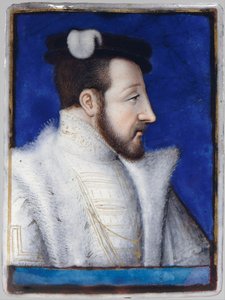
To encounter the work of Léonard Limousin is to step into a world where artistry and metallurgy achieved a breathtaking, luminous union. He was more than merely a painter; he was a master artisan whose touch transformed enamel—a delicate marriage of glass and metal—into narratives of profound beauty. As a prominent figure within a celebrated family of Limoges enamel painters, his skill placed him at the zenith of French decorative arts during the Renaissance. Though born in France, his artistic journey was one of rich absorption, drawing inspiration from disparate cultural wells to forge a style uniquely his own.
Echoes of Influence and Early Mastery
Limousin’s early development reveals a fascinating dialogue between geographical influences. While his foundational training may have been rooted in the traditions of the German school, evidenced by his early plaques depicting the Passion of the Lord after Albrecht Dürer, his vision was rapidly broadened. His exposure to the grand masters of Italy—artists such as Primaticcio, Rosso, Giulio Romano, and Andrea Solari—imprinted upon him a deep appreciation for arabesque ornamentation and the rich mythology that permeated Italian Renaissance art. Yet, what distinguishes Limousin is how he managed this influx of foreign styles; his inherent French tradition proved strong enough to anchor his genius, preventing him from becoming a mere echo of others.
Royal Patronage and Artistic Zenith
His career blossomed under the patronage of royalty, solidifying his reputation as an artist of immense consequence. Entering the service of Francis I, where he served not only as a painter but also as a varlet de chambre, Limousin maintained this esteemed position through the reign of Henry II. It was during these years that his technical prowess shone brightest across various commissions. He created exquisite portraits in enamel, notably those depicting figures like Diane de Poitiers in diverse guises. His output spanned an array of forms—from grand plaques and elegant vases to delicate ewers and cups—all destined for the most magnificent royal palaces.
Enduring Legacy on Sacred Art
Perhaps the most enduring testament to his genius lies within the sacred commissions. The two famous votive tablets housed at the Sainte Chapelle in the Louvre stand as monumental achievements, each comprising twenty-three plaques and bearing his signature, L.L., dated 1553. These works showcase his ability to merge intense religious devotion with unparalleled technical finesse. Beyond these masterpieces, representative examples of his breathtaking enamel work can be found in the collections at Cluny and the Limoges museums, while institutions such as the Victoria and Albert Museum and the British Museum further attest to the breadth and quality of his contribution to art history.
léonard limousin
France
プロフィール概要
- Artistic Movement Or Style: World Goes Pop
- Artists Or Movements Influenced By This Artist: ['Influenced by pop art movement']
- Artists Who Influenced This Artist: ['Influenced by diverse artists in The World Goes Pop exhibition']
- Date Of Death: Living
- Notable Artworks: ['Various works featured in The World Goes Pop exhibition']
- Place Of Birth: WahooArt

