

 プレビュー
プレビュー
 プリントを購入
 シェアする
シェアする シェアする
シェアする
 詳細を見る
詳細を見る

 ダウンロード
 似ている作品
 X線調査
X線調査 スライドショー
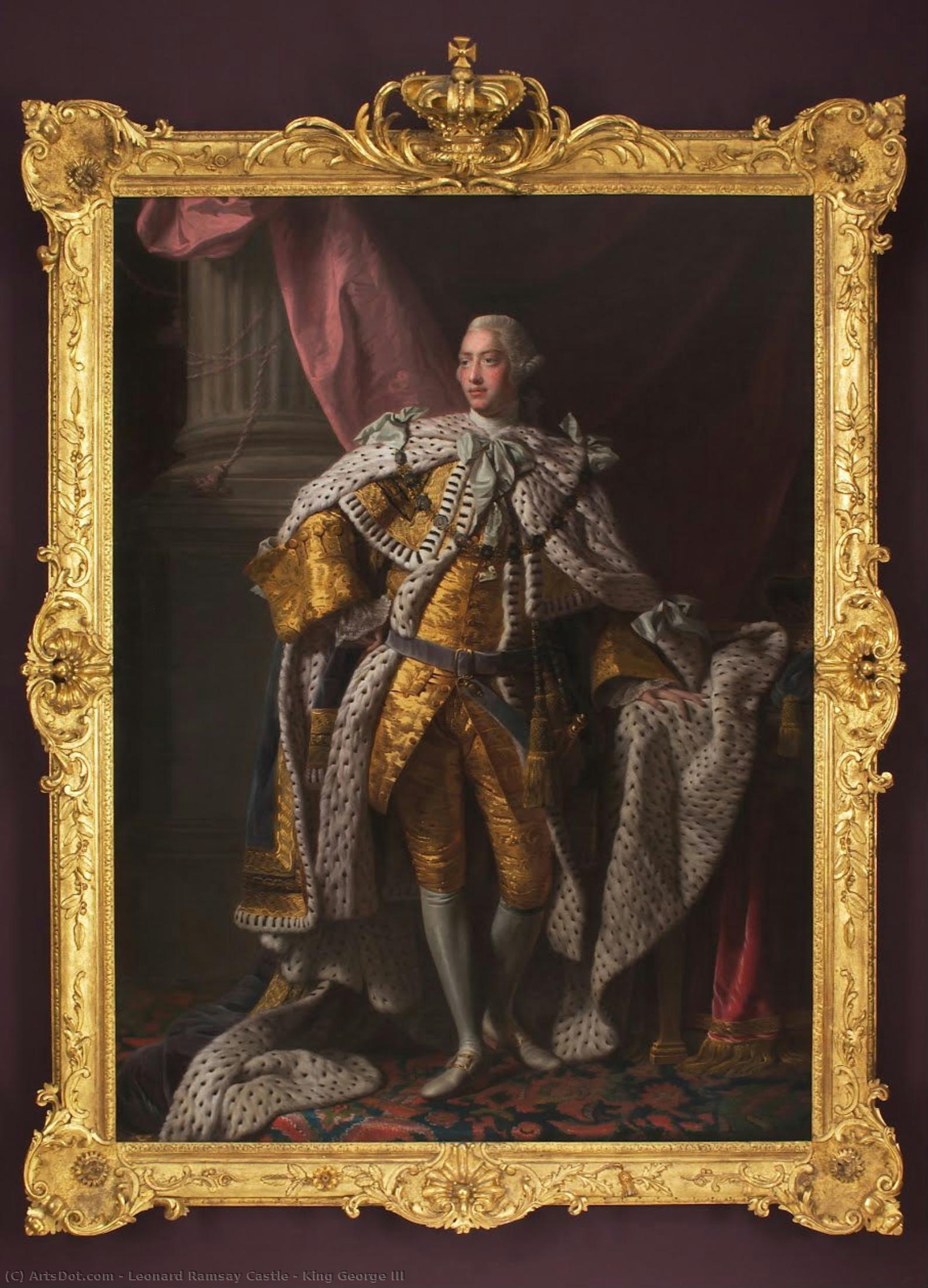
King George III

 詳細を見る
詳細を見る
オンラインプレビューをはるかに凌ぐ、高解像度で鮮明なデジタル画像をご購入いただけます。
各ファイルは、社内の専門家が高度なツールと熟練した手作業によるレタッチを用いて、細心の注意を払って準備されています。すべての画像において、卓越した鮮明度、正確な色彩再現性、そして繊細なディテールを保証いたします。
最終ファイルは、プロフェッショナルな編集・印刷環境ですぐにご利用いただけるよう最適化された状態で、72時間以内にメールにてお届けいたします。これは、一流のデザインスタジオ、出版社、ギャラリーから信頼されているものと同等の品質です。
デジタル画像のご注文に付随する特典
高品質なデジタル画像配信を、確かな品質で。
ArtsDot.com を選ぶことは、単に画像を手に入れることではありません。それは、プロの手によって精密に仕上げられ、満足保証が付いた高品質なデジタルアートワークを受け取ることを意味します。ご注文いただいた際に自動的に付随する内容は、以下の通りです:

メールですぐにお届け
ご注文から72時間以内に、高解像度のデジタル画像ファイルがメールでお手元に届きます。すぐにそのままご利用いただけます。

AI技術で最適化されたデジタルファイル
お客様の作品は、高度なAIツールと専門家による手作業の編集を組み合わせてプロフェッショナルに最適化されており、細部のディテール、鮮明さ、そして正確な色再現性を最大限に引き出しています。

一生涯無料の再送サービス
ファイルを誤って削除したり、紛失してしまったりしましたか?ご安心ください。いつでも無料で再送いたします。

輸入手数料は一切かかりません
関税や手数料、配送料を気にすることなく、お気に入りのアートワークをすぐにお楽しみいただけます。デジタルダウンロードは常に免税です。

色彩再現の保証
プロ仕様のツールとカラーマネジメント技術を用いることで、デジタル画像が元の色を最大限に忠実に再現することを保証いたします。

100日間満足保証
ご購入いただいたデジタル画像にご満足いただけない場合は、100日以内であれば、修正または100%の返金(理由を問う必要はありません)をさせていただきます。

100% 返金保証
ご満足いただけない場合は、デジタルファイルを受け取ってから100日以内であれば、理由を問わず全額返金いたします。

まとめ買い割引
3枚購入で10%OFF - 5枚購入で15%OFF - 10枚以上購入で20%OFF。クリエイティブなプロジェクト、ギャラリー、エージェンシーに最適です。
関連作品









作家の略歴
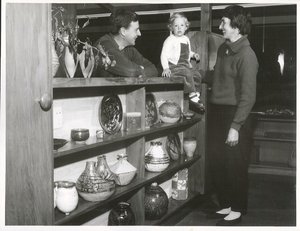
Leonard Ramsay Castle: Weaver of Northwest Landscapes
Born in Auckland, New Zealand, in 1924, Leonard Ramsay Castle (Len Castle) emerged as a singular voice in the world of ceramics during a period of significant artistic exploration. His life and work were inextricably linked to the dramatic landscapes of his homeland – the rugged West Coast, the volcanic interiors, and the verdant rainforests – informing a deeply personal and evocative style that continues to resonate with collectors and art enthusiasts today. Castle’s journey wasn't one of formal training; instead, it was a gradual immersion in materials and techniques, shaped by encounters with influential figures like Bernard Leach and Theo Schoon, and fueled by an enduring fascination with the natural world.
Castle’s early life offered little indication of his future as a renowned potter. He initially pursued a career in teaching, earning a Bachelor of Science degree from Auckland University College in 1947. However, a pivotal encounter with Olive Jones at the Auckland Easter Show ignited a lifelong passion for ceramics. This initial spark led him to explore the craft through evening classes at Avondale College, where he began experimenting with clay and developing his unique approach. His relocation to Cornwall, England, in the mid-1950s proved transformative, providing invaluable experience working alongside Bernard Leach, a pioneer of studio pottery and a key figure in the development of modern ceramics. This immersion in Leach’s philosophy – emphasizing simplicity, functionality, and direct engagement with materials – profoundly influenced Castle's artistic vision.
Returning to New Zealand in 1963, Castle established his own studio amidst the lush rainforests of the Waitākere Ranges near Auckland. This remote location became central to his creative process, providing him with an unparalleled connection to the surrounding environment. He began incorporating elements of the geothermal landscapes – the steam vents, bubbling mud pools, and volcanic rock formations – into his work, creating a distinctive visual language that captured the raw beauty and elemental power of New Zealand’s geological features. His collaboration with Theo Schoon was particularly significant; Schoon introduced Castle to the use of local clays and techniques for incorporating natural pigments derived from the region's flora and fauna, resulting in vibrant, earthy tones that mirrored the colors of the landscape.
The Language of Landscape
Castle’s ceramic surfaces are rarely smooth or polished. Instead, they retain a tactile quality, reflecting the textures and irregularities of the earth itself. He employed a variety of techniques – incising, carving, impressing, and applying slip – to create intricate patterns that mimicked the contours of mountains, the flow of rivers, and the dappled light filtering through the forest canopy. His work is characterized by a remarkable ability to translate three-dimensional landscapes onto two-dimensional surfaces, evoking a sense of depth and spatial awareness. The recurring motifs—volcanic peaks, swirling steam, and stylized ferns—became hallmarks of his distinctive style, instantly recognizable as expressions of his deep connection to the New Zealand environment.
Castle’s artistic vision extended beyond mere representation; he sought to capture the *feeling* of being immersed in these landscapes. His pieces are imbued with a sense of quiet contemplation and reverence for nature's power. The deliberate imperfections, the subtle shifts in color and texture, all contribute to this immersive quality, inviting viewers to step into his world and experience the beauty and drama of New Zealand’s wilderness.
Key Works and Recognition
Several works stand out as particularly significant examples of Castle's artistic achievement. “King George III” and “Queen Charlotte,” created in the late 1960s, are among his most celebrated pieces, showcasing his mastery of surface decoration and his ability to capture the likenesses of historical figures with remarkable detail and sensitivity. These works demonstrate his skill at portraying human subjects within a landscape context, highlighting the interplay between portraiture and environmental representation. His commission for “Treasures of the Underworld” for the New Zealand pavilion at the 1991 Seville World Expo further cemented his international recognition, showcasing his ability to create large-scale ceramic installations that engaged with complex themes.
Castle’s contributions to the New Zealand ceramics community were widely acknowledged. He was appointed a Commander of the Order of the British Empire (CBE) in 1986 and later awarded the New Zealand 1990 Commemoration Medal, recognizing his significant service to the arts. In 2004, he received the Distinguished Companion of the New Zealand Order of Merit, a testament to his enduring legacy as one of New Zealand’s most influential ceramic artists.
Legacy and Influence
Leonard Ramsay Castle's impact on contemporary ceramics extends far beyond his individual creations. He established the New Zealand Society of Potters in 1963, fostering a vibrant community of ceramic artists and promoting the development of the craft in New Zealand. His work continues to inspire generations of potters, demonstrating the power of observation, experimentation, and a deep connection to place. Castle’s legacy is not simply one of artistic achievement; it's also one of cultural preservation – he captured the essence of New Zealand’s landscapes and shared them with the world through his extraordinary ceramics.
Castle passed away in 2011, leaving behind a rich body of work that stands as a testament to his unique vision and enduring artistic spirit. His pieces are now held in prestigious collections around the world, ensuring that his legacy will continue to be celebrated for years to come.
leonard ramsay castle
1924 - 2011 , New Zealand
プロフィール概要
- Artistic Movement Or Style: Ceramic art
- Artists Or Movements Influenced By This Artist: ['Contemporary ceramics']
- Artists Who Influenced This Artist:
- Bernard Leach
- Theo Schoon
- Date Of Birth: December 23, 1924
- Date Of Death: September 29, 2011
- Full Name: Leonard Ramsay Castle
- Nationality: New Zealander
- Notable Artworks:
- King George III
- Queen Charlotte
- Place Of Birth: Auckland, New Zealand