

 プレビュー
プレビュー
 プリントを購入
 シェアする
シェアする シェアする
シェアする
 詳細を見る
詳細を見る

 ダウンロード
 似ている作品
 X線調査
X線調査 スライドショー
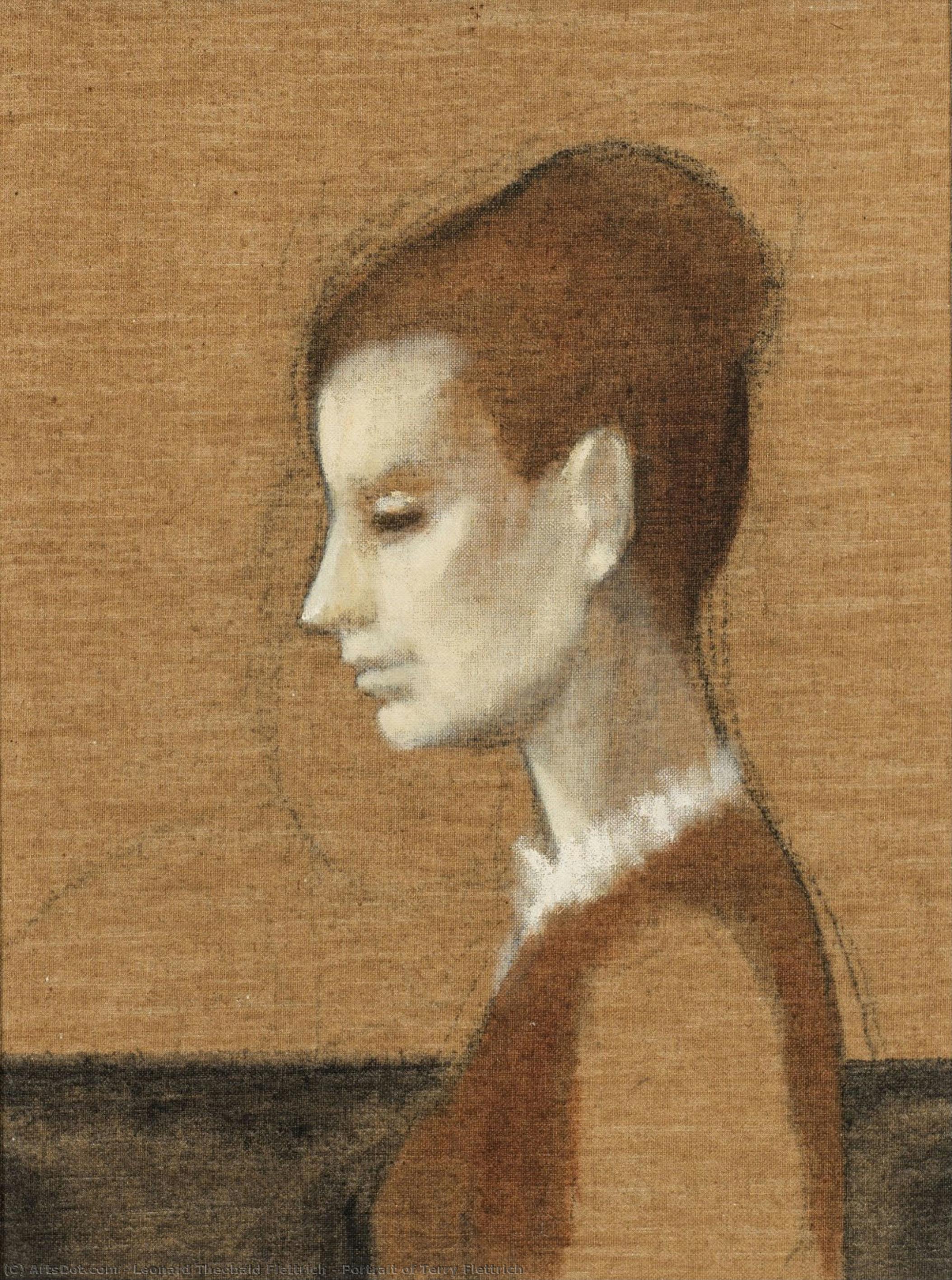
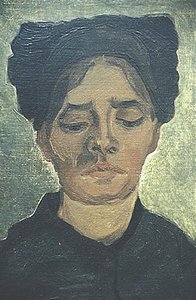
Portrait of Terry Flettrich


 詳細を見る
詳細を見る
オンラインプレビューをはるかに凌ぐ、高解像度で鮮明なデジタル画像をご購入いただけます。
各ファイルは、社内の専門家が高度なツールと熟練した手作業によるレタッチを用いて、細心の注意を払って準備されています。すべての画像において、卓越した鮮明度、正確な色彩再現性、そして繊細なディテールを保証いたします。
最終ファイルは、プロフェッショナルな編集・印刷環境ですぐにご利用いただけるよう最適化された状態で、72時間以内にメールにてお届けいたします。これは、一流のデザインスタジオ、出版社、ギャラリーから信頼されているものと同等の品質です。
デジタル画像のご注文に付随する特典
高品質なデジタル画像配信を、確かな品質で。
ArtsDot.com を選ぶことは、単に画像を手に入れることではありません。それは、プロの手によって精密に仕上げられ、満足保証が付いた高品質なデジタルアートワークを受け取ることを意味します。ご注文いただいた際に自動的に付随する内容は、以下の通りです:

メールですぐにお届け
ご注文から72時間以内に、高解像度のデジタル画像ファイルがメールでお手元に届きます。すぐにそのままご利用いただけます。

AI技術で最適化されたデジタルファイル
お客様の作品は、高度なAIツールと専門家による手作業の編集を組み合わせてプロフェッショナルに最適化されており、細部のディテール、鮮明さ、そして正確な色再現性を最大限に引き出しています。

一生涯無料の再送サービス
ファイルを誤って削除したり、紛失してしまったりしましたか?ご安心ください。いつでも無料で再送いたします。

輸入手数料は一切かかりません
関税や手数料、配送料を気にすることなく、お気に入りのアートワークをすぐにお楽しみいただけます。デジタルダウンロードは常に免税です。

色彩再現の保証
プロ仕様のツールとカラーマネジメント技術を用いることで、デジタル画像が元の色を最大限に忠実に再現することを保証いたします。

100日間満足保証
ご購入いただいたデジタル画像にご満足いただけない場合は、100日以内であれば、理由を問わず修正または100%の返金対応をさせていただきます。

100% 返金保証
ご満足いただけない場合は、デジタルファイルを受け取ってから100日以内であれば、理由を問わず全額返金いたします。

まとめ買い割引
3枚購入で10%OFF - 5枚購入で15%OFF - 10枚以上購入で20%OFF。クリエイティブなプロジェクト、ギャラリー、エージェンシーに最適です。
関連作品


作家の略歴
Odilon Redon: A World of Dreams and Shadows
Born Bertrand Redon in Bordeaux, France, in 1840, Odilon Redon’s life was a testament to the power of imagination and the enduring allure of the subconscious. His early years were marked by a conventional upbringing – attending school, studying architecture – yet it was through drawing that he discovered his true calling, a path illuminated by charcoal sketches and the nascent influence of printmaking. Redon's artistic journey wasn’t defined by grand narratives or revolutionary movements; instead, it unfolded as a deeply personal exploration of inner landscapes, rendered in hauntingly beautiful monochrome works that prefigured the Symbolist movement and hinted at the surrealism to come.
Initially, Redon’s work focused on meticulous depictions of everyday life – portraits, landscapes, and scenes from classical mythology. However, a pivotal shift occurred after his service in the Franco-Prussian War, when he began experimenting with *noirs*, or black drawings. These stark, evocative images—often depicting nocturnal figures, fantastical creatures, and dreamlike visions—became his signature style. He meticulously crafted these works using charcoal, exploring textures and shadows to create a sense of mystery and unease. This period established him as a master of mood and atmosphere, laying the groundwork for his later explorations into color and abstraction.
The 1890s witnessed a significant evolution in Redon’s artistic practice. He began incorporating pastel and oil paints, abandoning the strict monochrome palette of his earlier work. This transition coincided with a growing fascination with Eastern cultures, particularly Hinduism and Buddhism, which profoundly influenced his imagery. He sought to capture the essence of these spiritual traditions through symbolic representations—mythological figures, mandalas, and scenes from Hindu epics – often imbued with a sense of melancholy and timelessness. His paintings during this period are characterized by their luminous colors, intricate details, and a dreamlike quality that transports the viewer to another realm.
Redon’s later years saw him delve further into abstraction, experimenting with flattened forms, simplified shapes, and vibrant hues. He drew inspiration from Japanese art, particularly woodblock prints, which influenced his use of bold outlines and asymmetrical compositions. Despite his increasing age and failing eyesight, Redon remained a prolific artist until his death in 1916, leaving behind a vast body of work that continues to captivate viewers with its haunting beauty and profound psychological depth. His legacy lies not in grand pronouncements or revolutionary gestures, but in the quiet power of his images—visions born from the depths of his imagination.
Thomas Eakins: Capturing the Essence of American Life
Born in Philadelphia in 1844, Thomas Eakins was a remarkably unconventional artist who defied the conventions of academic art and forged a distinctly American style. Rather than pursuing a traditional artistic education, Eakins honed his skills through self-study at the Pennsylvania Academy of the Fine Arts, supplemented by anatomical lessons at Jefferson Medical College – an unusual choice that provided him with unparalleled knowledge of the human body. This unique combination of artistic training and scientific observation became the cornerstone of his distinctive approach to painting.
Eakins’s work is characterized by its unflinching realism and its focus on capturing the essence of everyday life. He eschewed idealized depictions in favor of portraying ordinary people—athletes, doctors, lawyers, students—engaged in their daily activities. His paintings are not merely portraits; they are dynamic studies of human movement, gesture, and expression. Eakins was particularly fascinated by sports, meticulously documenting boxing matches, rowing competitions, and wrestling bouts with a keen eye for detail and an understanding of the mechanics of motion.
A key element of Eakins’s artistic vision was his deliberate rejection of traditional studio lighting. He often painted outdoors, capturing the natural light and shadows that shaped his subjects' appearances. This commitment to realism extended to his use of color, which he employed with a subtle palette of muted tones—browns, grays, and blues—to create a sense of atmosphere and depth. His most famous work, *The Gross Clinic*, exemplifies this approach, depicting a scene from a Philadelphia hospital operating room with remarkable accuracy and psychological insight.
Despite his artistic success, Eakins faced considerable opposition during his lifetime. His unconventional methods—particularly his willingness to paint nude models in front of students—were met with criticism and controversy. Ultimately, he was forced to resign from his teaching position at the Pennsylvania Academy of the Fine Arts in 1886 due to public outcry. However, Eakins’s legacy endures as one of America's greatest realist painters, whose innovative approach to portraiture and genre painting continues to inspire artists today.
Odilon Redon: The Language of Dreams
Odilon Redon’s artistic journey is a compelling narrative of transformation, marked by a gradual shift from meticulous realism to the evocative realm of dreams and symbolism. Born in Bordeaux, France, in 1840, Redon initially pursued a conventional path – architecture before finding his true calling in drawing. His early works—portraits, landscapes, and mythological scenes—demonstrate a mastery of technique but lack a distinctive voice.
The turning point in Redon’s career arrived after the Franco-Prussian War. He began to experiment with *noirs*, or black drawings, creating hauntingly beautiful images that explored themes of mortality, isolation, and the subconscious. These monochrome works—often depicting nocturnal figures, fantastical creatures, and dreamlike visions—became his signature style, establishing him as a master of mood and atmosphere. Redon’s use of charcoal was characterized by its meticulous detail and subtle gradations of tone, creating a sense of depth and texture that drew viewers into the darkness of his images.
In the 1890s, Redon expanded his artistic palette, incorporating pastel and oil paints. This transition coincided with a growing fascination with Eastern cultures—particularly Hinduism and Buddhism—which profoundly influenced his imagery. He sought to capture the essence of these spiritual traditions through symbolic representations—mythological figures, mandalas, and scenes from Hindu epics – often imbued with a sense of melancholy and timelessness. His paintings during this period are characterized by their luminous colors, intricate details, and a dreamlike quality that transports the viewer to another realm.
Redon’s later years saw him delve further into abstraction, experimenting with flattened forms, simplified shapes, and vibrant hues. He drew inspiration from Japanese art, particularly woodblock prints, which influenced his use of bold outlines and asymmetrical compositions. Despite his increasing age and failing eyesight, Redon remained a prolific artist until his death in 1916, leaving behind a vast body of work that continues to captivate viewers with its haunting beauty and profound psychological depth. His legacy lies not in grand pronouncements or revolutionary gestures, but in the quiet power of his images—visions born from the depths of his imagination.
Georgia O’Keeffe: A Visionary of the American Southwest
Born Georgia Totto O’Keeffe in 1887 in Sun Prairie, Wisconsin, Georgia O’Keeffe was a pioneering American artist whose work profoundly shaped modern art. Her early life on a farm instilled in her a deep connection to nature and a keen eye for detail—qualities that would later inform her distinctive artistic style. Despite her family's modest circumstances, O’Keeffe pursued her passion for art, studying at the Art Institute of Chicago and the Art Students League in New York City.
O’Keeffe’s artistic journey took a dramatic turn when she encountered the revolutionary ideas of Arthur Wesley Dow, an American artist who advocated for abstraction and emphasized the importance of line and color. Dow encouraged O’Keeffe to break free from traditional representational techniques and explore her own unique vision. This shift led her to experiment with abstract forms and bold colors, laying the foundation for her later work.
In 1916, O’Keeffe met Alfred Stieglitz, a renowned photographer and art dealer who became her husband and champion. Stieglitz recognized O’Keeffe's talent and exhibited her work in his galleries, bringing her to the attention of the New York art world. O’Keeffe’s early paintings—primarily cityscapes and portraits—were characterized by their sharp lines, bold colors, and a sense of urban dynamism.
In 1929, O’Keeffe made the first of many trips to northern New Mexico, an experience that would profoundly transform her artistic practice. The stark landscape, Native American cultures, and vast desert vistas captivated her imagination, inspiring a new series of paintings—often depicting flowers, skulls, and geological formations—that became her signature subject matter. O’Keeffe's New Mexico paintings are renowned for their scale, detail, and evocative power, capturing the essence of the Southwest with an unparalleled sense of intimacy and reverence.
Throughout her career, O’Keeffe remained a fiercely independent artist, resisting commercial pressures and pursuing her own artistic vision. Her work continues to be celebrated for its beauty, originality, and profound exploration of the natural world—a testament to her enduring legacy as one of America's most iconic artists.
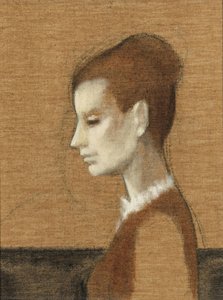
leonard theobald flettrich
1916 - 1970 , United States of America
プロフィール概要
- Artistic Movement Or Style: Symbolism, Cubism
- Artists Or Movements Influenced By This Artist:
- Surrealism
- Expressionism
- Artists Who Influenced This Artist:
- Russian folklore
- Cubism
- Fauvism
- Date Of Birth: July 7, 1887
- Full Name: Marc Chagall
- Nationality: French and Russian
- Notable Artworks:
- I and the Village
- The Fiddler
- Birthday
- White Crucifixion
- Place Of Birth: Vitebsk (Belarus)