 プレビュー
プレビュー
 シェアする
シェアする シェアする
シェアする
 詳細を見る
詳細を見る

 ダウンロード
 似ている作品
 X線調査
X線調査 スライドショー
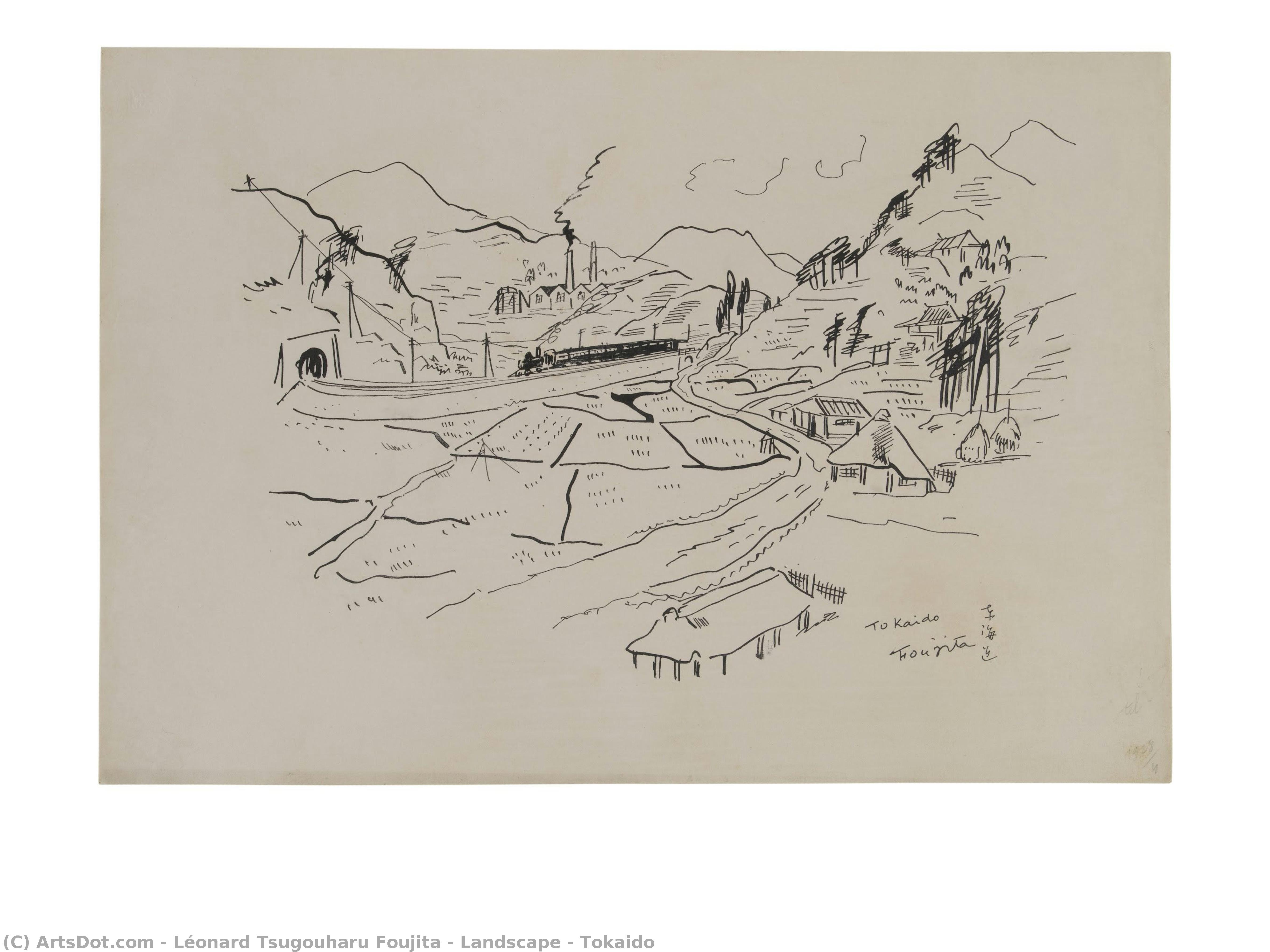
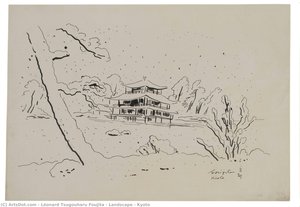
Landscape - Tokaido
 Acrylic On Canvas
- WallArt
- Japanese Ink Wash Painting
 1927
1927- 19th Century
 25.0 x 37.0 cm
 国立カルオステ・ギルベンキアン美術館
 詳細を見る
詳細を見る
ジークレー/アートプリント
迅速な制作と多彩な仕上げオプションを備えた、ミュージアムクオリティのジークレーまたはキャンバスプリント。 ( 手描きの絵画を購入 画像を購入)




P118B $10

P118H $10

P118W $10

P438Z $10

P508JH $12

P508YH $12

P805H $10

P805Z $10

P919BZ $10

P919G $10

P919XJ $10

P959ZH $10

P968JZ $12

W106C $8

W218G $10

W218JH $8

W218Y $10

W307PJ $10

W316G $10

W316PJ $8

W316Y $10

W398PJ $8

W4111J $10

W500HY $15

W500JH $15

W692G $12

W849H $8

W940BG $15

W953PJ $8




作品のオリジナル比率に合わせた、当店の規定サイズからお選びください。

特定のフレームやスペースに合わせて、ご自身でサイズを指定することも可能です。選択されたサイズが元の画像の比率と一致しない場合、作品をトリミングするか、鏡面反射または単色での塗りつぶしによって画像を拡張いたします。制作を開始する前に、ご確認用のデジタルモックアップをお送りいたします。
画面上のプレビューには、実際のトリミングや拡張は反映されませんのでご注意ください。最終的な構図を正確に確認できるのは、モックアップのみとなります。
カスタムサイズも承っておりますが、元の比率を維持するためには、あらかじめ用意されたリストからサイズを選択することをお勧めいたします。


 ガラスオプションは、110cm未満のサイズでのみご利用いただけます。

Landscape - Tokaido
ジークレー/アートプリント
複製画のサイズ
-


合計金額
$ 62
作品詳細説明
A Moment Frozen in Time: Unveiling Landscape – Tokaido
Léonard Tsuguharu Foujita’s “Landscape – Tokaido” isn't merely a depiction of a Japanese railway scene; it’s a carefully constructed tableau brimming with quiet observation and a subtle, melancholic beauty. Painted in 1927 during his formative years in Paris, this work represents a pivotal moment in the artist’s evolution—a synthesis of his rigorous training in traditional Japanese painting with the burgeoning experimentation of European modernism. The scene unfolds along the Tokaido line, one of Japan's most historically significant railway routes, capturing not just the physical landscape but also an intangible sense of journey and transition.
Foujita’s approach immediately distinguishes itself through a masterful restraint. He eschews vibrant color in favor of a meticulously rendered monochrome palette—a deliberate choice that amplifies the textures and forms within the image. The stark contrast between light and shadow, achieved through delicate hatching and cross-hatching techniques, creates an almost sculptural quality to the mountains, the train, and even the figures scattered along the tracks. This technique, deeply rooted in Japanese *sumi-e* (ink wash painting), lends a sense of immediacy and intimacy to the scene, as if we’re peering through a window into a fleeting moment.
The Language of Line: Technique and Style
At the heart of “Landscape – Tokaido” lies Foujita's extraordinary command of line. He employs a diverse range of lines—thick, broken, and subtly varied in pressure—to define shapes with remarkable precision. The mountains are rendered with dense, layered hatching, conveying their imposing scale and rugged texture. Conversely, the train itself is suggested through lighter, more fluid lines, capturing its movement and dynamism without resorting to overt detail. This interplay of line creates a captivating visual rhythm that draws the eye across the composition.
The painting’s style is undeniably influenced by *nihonga*, the traditional Japanese school of painting, yet it transcends mere imitation. Foujita skillfully integrates elements of *sumi-e*—the emphasis on brushwork and tonal variation—with Western techniques of perspective and composition. The flattened perspective, a characteristic feature of Japanese ink paintings, lends the scene an air of timelessness, as if capturing a moment outside of conventional spatial relationships. The subtle use of atmospheric perspective – softening distant elements – further enhances this effect.
A Journey Through Symbolism: Context and Emotion
“Landscape – Tokaido” is more than just a scenic view; it’s imbued with layers of symbolic meaning. The Tokaido line itself represents Japan's rapid modernization during the early 20th century, a period of profound social and economic transformation. The train journey symbolizes progress, connection, and the movement towards an uncertain future. The scattered figures along the tracks—farmers, travelers, perhaps even laborers—represent the diverse population impacted by this change.
Furthermore, the painting’s melancholic mood reflects Foujita's own complex emotional landscape. His work often explored themes of loss, nostalgia, and the fleeting nature of beauty. The muted colors and subtle details contribute to a sense of quiet contemplation—a feeling that lingers long after viewing the image. The scene evokes a poignant awareness of time passing and the inevitable changes that shape our lives.
A Legacy in Ink: Reproduction and Appreciation
Today, “Landscape – Tokaido” stands as a testament to Léonard Tsuguharu Foujita’s artistic genius. Reproductions of this captivating work offer an accessible way to experience its beauty and contemplate its profound symbolism. ArtsDot offers high-quality giclee prints that faithfully capture the nuances of Foujita's original technique, allowing art lovers to bring a piece of Japanese modernism into their homes or offices.
関連作品


アーティストの略歴
東と西の融合:レオナール・ツグハル・藤田の生涯と芸術
レオナール・ツグハル・藤田。その名は、20世紀初頭のパリの活気に満ちたエネルギーと、日本の伝統的な芸術的優雅さという、対照的な二つの世界を想起させる。彼は容易に分類できないアーティストであり、東京で1886年に生まれ、厳格な日本画の訓練からヨーロッパのアバンギャルドの中心部へと旅立ち、東洋のエッセンスと西洋のモダニズムを融合させた独自のスタイルを確立した。
藤田は単なる画家ではなかった。彼は文化的な架け橋であり、型破りな個性であり、キャンバス上で美しさと憂鬱さを捉えることにかけては天才だった。彼の幼少期は芸術的追求のための確固たる基盤を提供した。父、藤田重昭は陸軍医療部長を務め、若きレオナールに規律の念とともに美への感謝を植え付けた。小学校の生徒でさえ、彼は絵画に対する強い関心を示し、将来の才能をほのめかす水彩画を描いた。彼は東京美術学校でヨーガ(西洋式絵画)を正式に学び、日本の芸術教育における重要な人物である西園寺公を通して指導を受けた。同時に、彼は伝統的な日本画ニホガにも没頭し、後に彼の特徴的なスタイルに不可欠となる技術を吸収した。これらの初期の経験は彼に二つの視点を与え、東洋と西洋の両方の目で世界を見ることができる能力を養った。
パリ狂騒曲:芸術家たちの輪の中で
1913年、藤田は変革的な旅に出かけ、芸術的革新が脈打つ都市、パリへと移住した。彼はヨーロッパの芸術シーンに没頭し、新興のモダニズム運動に自分の声を捧げることを熱望していた。すぐに、彼はモンパルナスのコミュニティの中心人物となり、アメデオ・モディリアーニ、シャム・スースタン、フェルナン・レジェ、フアン・グリス、パブロ・ピカソといった時代の最も影響力のある芸術家たちと親交を深めた。この活気に満ちたアイデアの交換は彼の芸術的発展に深く影響を与えた。
藤田の初期のパリ作品は、これらの影響の融合を反映していた。彼は日本製の墨技—特に繊細な滲みと正確な線—を西洋の絵画スタイルと巧みに組み合わせた。肖像画、裸体画、静物画が彼の好みの主題となり、それぞれに官能性と抑制性の独特なブレンドが宿っていた。1922年のモンパルナス界隈のミューズとして知られるキキ・ド・モンパルナスの肖像画は、彼を名声と商業的成功へと導いた。この作品は、彼の肉体的美しさだけでなく、その背後にある脆弱性と内省的な感覚さえも捉える能力を示すものだった。おそらく最も有名なのは、猫が頻繁に彼の芸術に出現し始め、優雅さ、静けさ、そして友情を象徴する繰り返しのモチーフとなったことだ。1930年に出版された猫の版画集は国際的に高い評価を受け、彼をパリの「猫画家」として確固たる地位を築いた。
戦時下の影と精神的覚醒
1930年代初頭には、藤田は南米や北米を広範囲に旅し、熱心な観客の前で彼の作品を発表した。しかし、1933年に日本に戻ったことは転換点となり、高まるナショナリズムと軍国主義の影に覆われた出来事となった。彼は第二次世界大戦中に日本の軍隊のためにプロパガンダアートの制作に関わり、その時代との関連性から論争を呼ぶ時期があった。
日本の敗北後、藤田は日本美術界への再統合に苦労した。戦後の気候は容赦がなく、彼は受け入れられるのに苦労した。より歓迎的な環境を求めて、彼は1950年にフランスに戻った。しかし、彼の芸術的道が新たな目的を見出すのは、1959年の深遠な精神的覚醒まで待たなければならなかった。サン=レミ大聖堂への訪問は彼をカトリックに改宗させ、その深い宗教的な信念を反映したフレスコ画とステンドグラスで飾られた壮大な空間である藤田礼拝堂の設計と建設に導いた。
持続する遺産:東と西を結ぶ
レオナール・ツグハル・藤田は、1968年にスイスのチューリッヒで亡くなるまで、絵を描き続け芸術を創造し続けた。彼の遺産は複雑であり、芸術的革新と戦時中の関与という倫理的な複雑さを包含している。彼は学校・ド・パリにおける重要な人物として、日本の墨技をヨーロッパのモダニズムとシームレスに融合させた独自のスタイルで高く評価されている。彼の美しさ、憂鬱さ、精神性、文化アイデンティティといったテーマの探求は、今日でも観客に共鳴し続けている。
藤田の芸術は、文化の相互接続性と芸術的表現が境界を越えて変革する永続的な力についての強力なリマインダーとして機能する。 彼は異質な存在であり、彼の日本的な遺産と彼が受け入れたヨーロッパのアイデンティティの両方を受け入れたアーティストだった。彼の作品は文化交流の変革の可能性と、真に独創的なビジョンの永続的な魅力の証となっている。
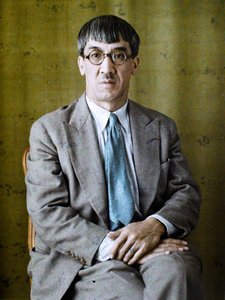
藤田嗣治 (Fūjita Tsugiharu)
1886 - 1968 , 日本
基本情報
- フルネーム: レオナール・ツグハル・藤田
- 主な作品:
- キキ・ド・モンパルナス
- 猫
- プチ・ペキノワ
- 出生地: 東京, 日本
- 国籍: 日本、フランス
- 影響を与えたアーティストまたは運動: ['パリ派']
- 影響を受けたアーティスト: ['黒田清澄']
- 死亡年月日: 1968年1月29日
- 生年月日: 1886年11月27日
- 芸術運動またはスタイル: パリ派、表現主義
関連記事

葛飾北斎:25の傑作が語る浮世絵の世界 - ArtsDot
葛飾北斎の25選:『神奈川沖浪裏』や『富嶽三十六景』など、浮世絵の世界を深く探求。木版画の技法と日本美術の美をArtsDotで。高品質なアートプリントで空間に感動を。コレクションはこちら。

Evocations of Place: A Historical Journey Through Landscape Art
Explore the rich history of landscape art with ArtsDot. Discover renowned artists, movements like Impressionism & Romanticism, and expert guidance for collecting timeless pieces. Find your perfect serene escape today!

ロマン派ランドスケープ:時代を彩る巨匠の10選|アートとインテリアの世界
ロマン派絵画の時代を彩る10選。巨匠たちの風景が織りなす感動の世界へ。ターナー、ルーベンスなど、名作の裏話と高精細複製でアートをお部屋に。ArtsDot.comで至福のアート体験を。
Evocations of Place: A Historical Journey Through Landscape Art
Explore the rich history of landscape art with ArtsDot. Discover renowned artists, movements like Impressionism & tonalism, and expert guidance for collecting timeless pieces. Find your perfect serene escape today!
Evoking Atmosphere & Identity: A Journey Through Landscape Painting's History
Explore the rich history of landscape painting! Discover renowned artists, movements like Romanticism, & techniques such as atmospheric perspective. Find inspiration and quality reproductions at ArtsDot.