 プレビュー
プレビュー
 プリントを購入
 シェアする
シェアする シェアする
シェアする
 詳細を見る
詳細を見る

 ダウンロード
 似ている作品
 X線調査
X線調査 スライドショー
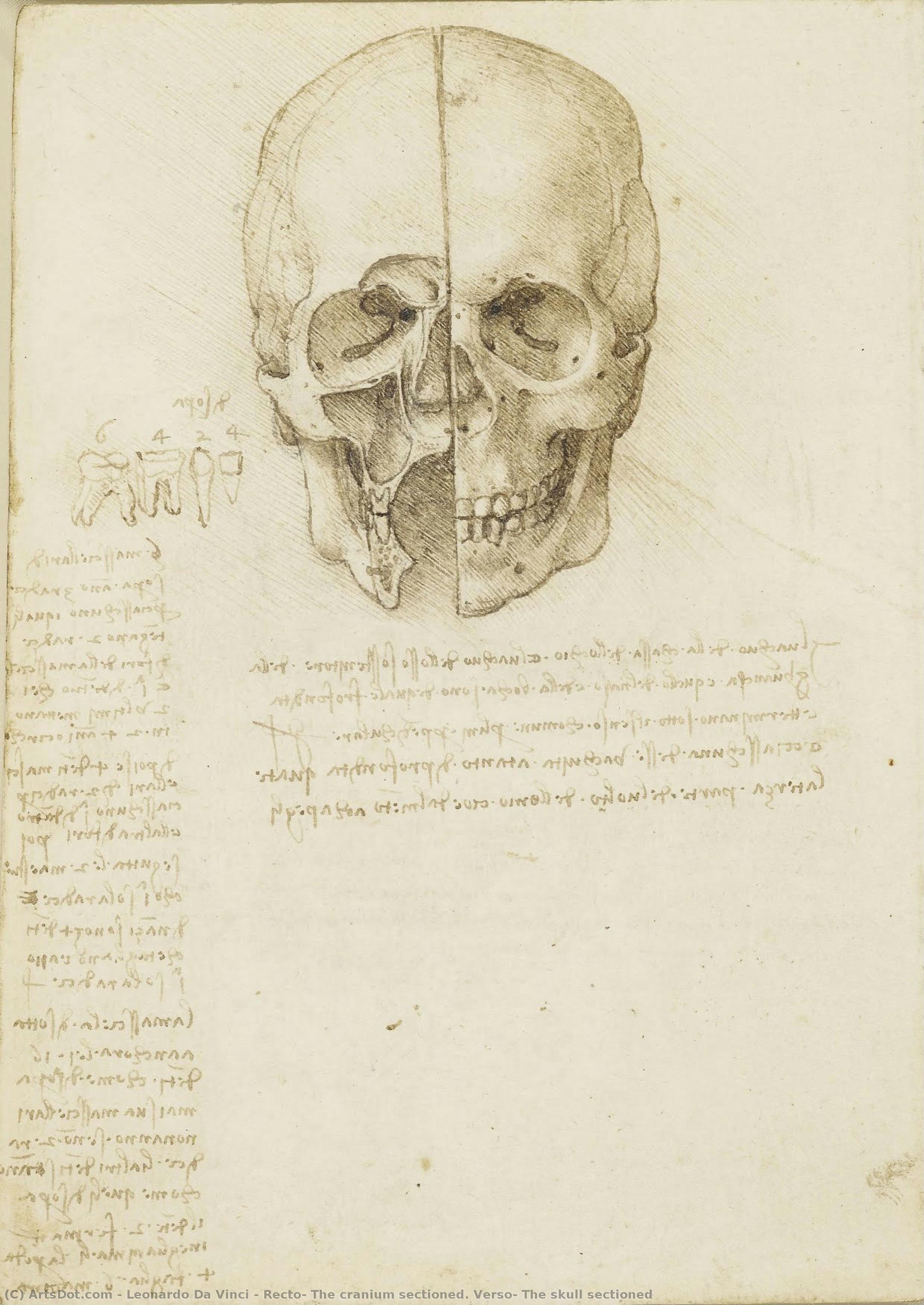
Recto: The cranium sectioned. Verso: The skull sectioned
 Acrylic On Canvas
- WallArt
- Early Renaissance Anatomy
 1489
1489- Early Medieval
 19.0 x 13.0 cm
 ロイヤル・コレクション
 詳細を見る
詳細を見る




P118B $10

P118H $10

P118W $10

P438Z $10

P508JH $12

P508YH $12

P805H $10

P805Z $10

P919BZ $10

P919G $10

P919XJ $10

P959ZH $10

P968JZ $12

W106C $8

W218G $10

W218JH $8

W218Y $10

W307PJ $10

W316G $10

W316PJ $8

W316Y $10

W398PJ $8

W4111J $10

W500HY $15

W500JH $15

W692G $12

W849H $8

W940BG $15

W953PJ $8




作品のオリジナル比率に合わせた、当店の規定サイズからお選びください。

特定のフレームやスペースに合わせて、ご希望のサイズをご入力いただけます。選択されたサイズが元の画像の比率と異なる場合、アートワークをトリミングするか、手描きで要素を追加して絵画を拡張いたします。デジタルモックアップ を制作し、制作開始前にご確認(承認)をいただきます。
画面上のプレビューは、実際のトリミングや拡張を正確に反映しているものではありません。最終的な構図は、モックアップによってのみ正確にご確認いただけます。
カスタムサイズもご利用いただけますが、元の比率を維持するためには、あらかじめ用意されたリストからサイズを選択することをお勧めいたします。
ご注文後、ArtsDot.com チームより詳細な指示をお送りするとともに、仕上がりイメージ(モックアップ)をご提供いたします。


 ガラスオプションは、110cm未満のサイズでのみご利用いただけます。

Recto: The cranium sectioned. Verso: The skull sectioned
複製技法
複製画のサイズ
-


合計金額
$ 263
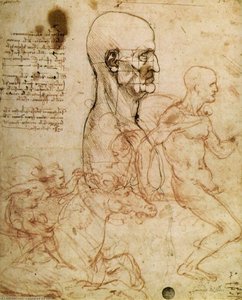
A Window into Anatomical Obsession: Leonardo da Vinci’s ‘Recto: The cranium sectioned. Verso: The skull sectioned’
This extraordinary drawing, executed in 1489, offers a rare and profoundly intimate glimpse into the mind of Leonardo da Vinci – not merely as an artist celebrated for his masterpieces like the Mona Lisa, but as a relentless scientific investigator driven by an insatiable curiosity about the human form. ‘Recto: The cranium sectioned. Verso: The skull sectioned’ is more than just a detailed anatomical study; it's a testament to Leonardo’s unique approach – seamlessly blending artistic observation with meticulous scientific documentation, a hallmark of his genius that continues to fascinate centuries later.
The drawing itself presents a striking duality. On the recto, we encounter a meticulously rendered sectioned cranium, revealing the intricate network of intracranial nerves and vessels with astonishing precision. Leonardo’s characteristic ‘mirror-writing,’ left-handed and moving from right to left, is immediately apparent – a deliberate stylistic choice that reflects his unconventional thought processes and perhaps even a subconscious preference for working in reverse. The verso showcases a similarly detailed dissection of the skull, meticulously divided down the middle and then across the front of the right side, allowing for a comparative study of facial cavities against their surface features. The stark black and white medium emphasizes the sharp lines and precise details, lending an almost clinical intensity to the subject matter while simultaneously revealing the artist’s deep appreciation for form and structure.
Decoding Leonardo's Anatomical Method
What truly distinguishes this drawing is not simply its technical accuracy – though it undoubtedly possesses that in abundance. Leonardo wasn’t content with merely depicting what he saw; he sought to understand *how* things worked. The notes scrawled around the edges, describing the different types of teeth – molar, premolar, canine, and incisor – demonstrate his systematic approach to categorization and observation. This meticulous enumeration reflects a broader methodology: Leonardo’s anatomical studies were rooted in direct experience, primarily through dissections he conducted in monastery hospitals. He painstakingly recorded his findings, often challenging prevailing medical theories of the time, believing that the frontal sinus was significantly smaller than traditional accounts suggested – a radical assertion based on his own observations.
The drawing’s historical context is crucial to understanding its significance. Leonardo's anatomical investigations were groundbreaking for their era. He produced hundreds of drawings from corpses, documenting structures with unprecedented detail and accuracy, effectively laying the groundwork for modern anatomy. This wasn’t simply an academic exercise; it was a deeply personal quest driven by his belief that true art stemmed from a profound understanding of the human body – its mechanics, its beauty, and its inherent fragility.
Symbolism and Emotional Resonance
Beyond its scientific value, ‘Recto: The cranium sectioned. Verso: The skull sectioned’ carries a potent symbolic weight. The skull, universally recognized as the symbol of mortality, is presented here not with morbid fascination but with intellectual curiosity. Leonardo isn't simply illustrating death; he’s exploring the very essence of what it means to be human – our physical structure, our internal workings, and ultimately, our place within the vastness of existence. The act of dissection itself can be interpreted as a metaphor for unraveling mysteries, both external and internal.
The drawing's stark simplicity and intense focus invite contemplation on themes of knowledge, observation, and the pursuit of understanding. It’s a powerful reminder that Leonardo da Vinci was not just an artist; he was a visionary who sought to bridge the gap between art and science, leaving behind a legacy that continues to inspire awe and wonder.
A Reproduction for Your Collection
ArtsDot is proud to offer a meticulously crafted hand-painted reproduction of ‘Recto: The cranium sectioned. Verso: The skull sectioned’. This faithful recreation captures the drawing’s remarkable detail, tonal range, and distinctive character, bringing Leonardo's profound insights into your home or studio. Printed on archival-quality canvas using giclee printing techniques, this reproduction ensures lasting beauty and vibrancy for generations to come. Whether you are an art enthusiast, a collector of Renaissance masterpieces, or simply seeking a unique piece to elevate your interior design, this artwork offers a tangible connection to one of history’s greatest minds. Dimensions: 19 x 13 cm – a perfect size for display on a desk, shelf, or gallery wall.
関連作品
アーティストの略歴
レオナルド・ダ・ヴィンチ:ルネサンスの至宝、芸術と科学の融合
1452年、トスカーナ地方のヴィンチ村近くで生まれたレオナルド・ダ・ヴィンチは、ルネサンス期を象徴するまさに「万能の天才」でした。画家、彫刻家、建築家、科学者、技術者、解剖学者…彼の好奇心と探求心は、芸術、科学、工学の分野に革命をもたらし、後世に計り知れない影響を与えました。非嫡出子として生まれたという出自にも関わらず、彼は卓越した才能を発揮し、その名は今もなお、創造性と革新性の代名詞となっています。
幼少期を過ごしたヴィンチで自然と触れ合いながら育ったレオナルドは、14歳でフィレンツェの芸術家アンドレア・デル・ヴェロッキオの工房に入門します。そこで彼は、絵画や彫刻だけでなく、金属加工、木工、製図といった幅広い技術を習得し、その基礎を築きました。ヴェロッキオの工房での経験は、彼の多才な才能を開花させるための土台となり、後に彼自身が師を凌駕するほどの才能を持つことを予感させました。当時から、彼の並外れた才能は評判となり、ヴェロッキオ自身もレオナルドの才能に圧倒され、絵筆を置いたという逸話も残されています。
ミラノでの活躍:芸術と技術の融合
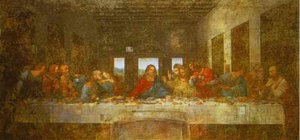
1482年、レオナルドはルドヴィーコ・スフォルツァ公の宮廷に仕官し、ミラノへと移ります。これは単なる芸術家としての任命ではなく、軍事技術者、建築家、彫刻家、そして舞台デザイナーとしても活躍する機会となりました。彼は革新的な防御施設の設計、豪華な舞台装置のデザイン、さらには空を飛ぶ機械の構想など、多岐にわたるプロジェクトに取り組みました。この時期に着手された「最後の晩餐」は、彼の代表作の一つであり、サンタ・マリア・デッレ・グラツィエ修道院の食堂壁画として完成しました。この作品は、単なる食事の場面を描写するだけでなく、人間の感情と心理的なドラマを深く掘り下げており、その革新的な構図と遠近法は、西洋美術に多大な影響を与えました。また、スフォルツァ公のために様々な彫刻プロジェクトに取り組む一方で、レオナルドの探求心は科学分野にも向かい、解剖学の研究を開始します。
フィレンツェへの帰還と完璧を追求する姿勢
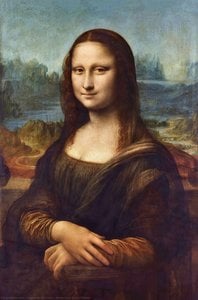
1499年のフランス軍によるミラノ攻略後、レオナルドはフィレンツェに戻り、芸術の中心地で新たな活動を展開しました。この時期に制作された「モナ・リザ(ジョコンダ)」は、彼の最も有名な作品の一つであり、その謎めいた微笑みと魅惑的な眼差しは、何世代にもわたって人々を魅了し続けています。レオナルドが開発したスフマート技法—光と影の微妙なグラデーションによって輪郭をぼかし、幻想的な雰囲気を生み出す技術—は、この作品の神秘性をさらに高めています。また、彼は人間の形態を科学的に理解しようと試み、解剖学の研究を重ねました。遺体の解剖を通して得られた知識をもとに、筋肉、骨格、臓器などを詳細に記録した図面は、当時としては画期的なものでした。
芸術と科学の融合:不朽の遺産
その後のレオナルドは、フィレンツェ、ミラノ、ローマなど、イタリア各地を転々としながら活動を続けました。1516年には、フランス王フランシス1世の招聘を受け、アンボワーズ城近くのクロ・リュセ城に住み込み、晩年を過ごしました。1519年に亡くなったレオナルドは、芸術史における彼の遺産は計り知れません。彼は芸術家を単なる熟練した職人から、科学的探求に基づいた知的存在へと高めました。彼の作品は、写実性、心理的な深み、革新的な技法によって高く評価されています。レオナルド・ダ・ヴィンチは、人間の好奇心、創造性、そして知識の絶え間ない追求を象徴する存在であり、その影響力は今日まで色褪せることなく、私たちに畏敬の念と感動を与え続けています。
主要な業績と永続的な影響
- 絵画: モナ・リザ, 最後の晩餐, 岩間の聖母, 告知
- 素描 & 製図: 広範な解剖学的研究, エンジニアリング設計(飛行機械、兵器), 植物のイラストレーション
- 科学 & 技術: 解剖学、光学、水力学、地質学、測量における先駆的な研究。当時としては画期的な発明の構想。
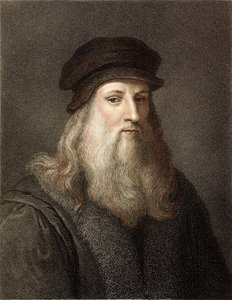
レオナルド・ダ・ヴィンチ
1452 - 1519 , イタリア
基本情報
- フルネーム: レオナルド・ダ・ヴィンチ
- 主な作品:
- モナ・リザ
- 最後の晩餐
- 岩間の聖母
- 出生地: ヴィニチャ、イタリア
- 国籍: イタリア
- 影響を与えたアーティストまたは運動: ['ルネサンス美術']
- 影響を受けたアーティスト: ['アンドレア・デル・ヴェロッキオ']
- 死亡年月日: 1519年5月2日
- 生年月日: 1452年4月15日
- 芸術運動またはスタイル: ルネサンス美術
関連記事
レオナルド・ダ・ヴィンチ:至高の25選 - 芸術、科学、そして不朽の名作の世界
レオナルド・ダ・ヴィンチの至宝25選。モナリザ、最後の晩餐…ルネサンス美術を代表する名画の世界へ。芸術史、技法、そして感動の物語を紐解き、お部屋に飾る高級複製画で特別な空間を。ArtsDot.comで全コレクションをご覧ください。
Leonardo da Vinci: A Renaissance Master’s Synthesis of Art, Science & Human Observation – Reinterpreted for the Collector
Explore Leonardo da Vinci’s timeless masterpieces with ArtsDot. Discover insights into his art, science, and legacy – trusted expertise for discerning collectors seeking authentic reproductions & investment opportunities.
Renaissance Humanism's Greatest Art: 10 Masterpieces for Your Home
Explore 10 Renaissance Humanism masterpieces by Leonardo da Vinci, Michelangelo & Raphael. Discover the stories behind these iconic paintings & sculptures and bring timeless art into your home with museum-quality reproductions from ArtsDot.com. Explore the full collection online!

ルーブル美術館の至宝25選:名画と芸術史を巡る旅 | ArtsDot
ルーブル美術館の至宝25選。レオナルド・ダ・ヴィンチ、ミロのヴィーナス…名画の歴史と感動を紐解きます。複製画やインテリアアートも豊富に。ArtsDotで、あなただけの芸術空間を。

ウフィツィ美術館の至宝25選:ルネサンス巨匠たちの傑作とアートデコレーション
ウフィツィ美術館の至宝25選:ボッティチェリ、レオナルド・ダ・ヴィンチ…ルネサンス巨匠たちの傑作と感動的な物語を紐解きます。高品質な絵画複製やアートプリントで、お部屋に名画の輝きを。ArtsDot.comで芸術の世界へ。