

 プレビュー
プレビュー
 プリントを購入
 シェアする
シェアする シェアする
シェアする
 詳細を見る
詳細を見る

 ダウンロード
 似ている作品
 X線調査
X線調査 スライドショー
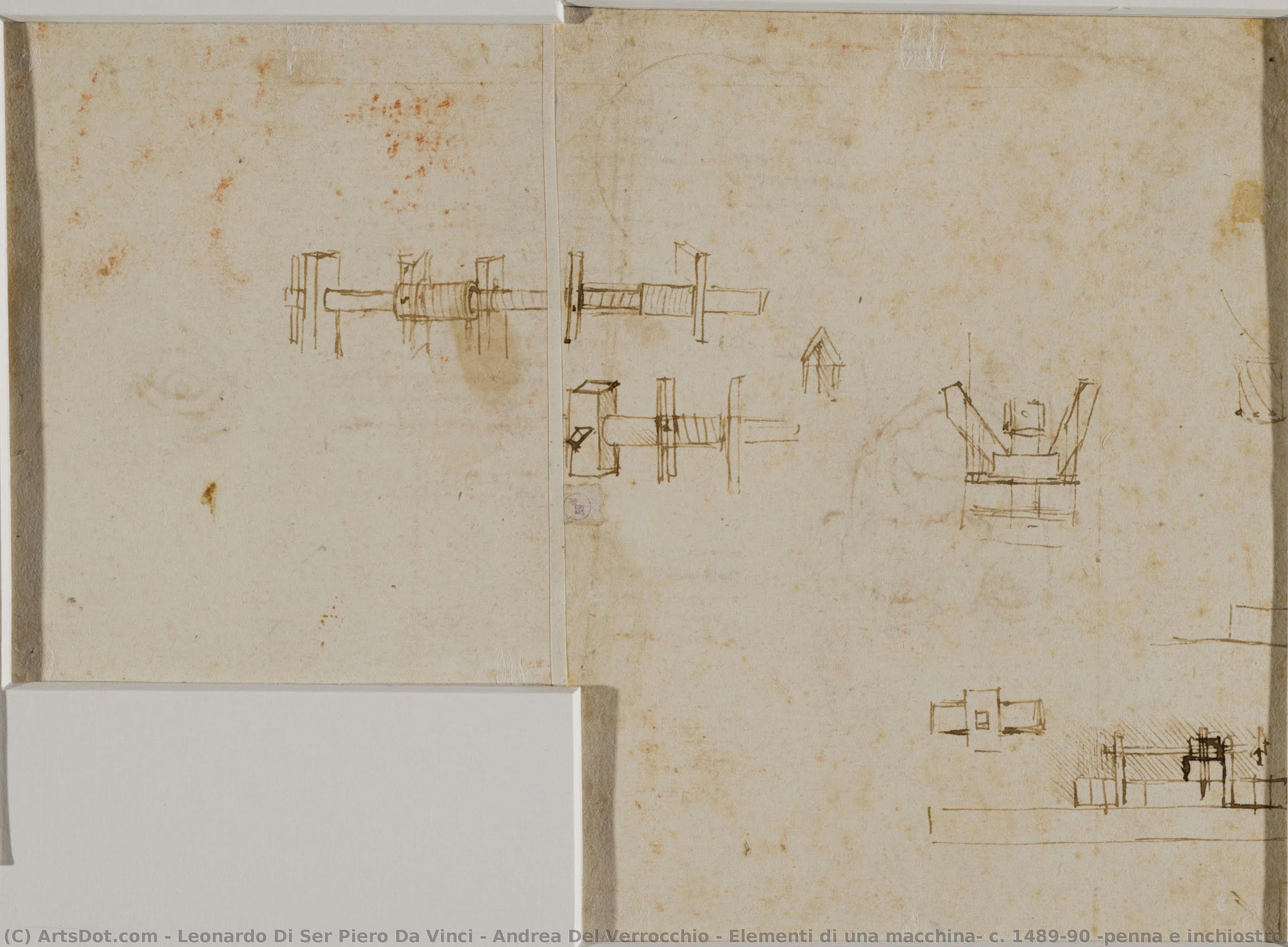
Elementi di una macchina, c. 1489-90 (penna e inchiostro bruno su carta)


 詳細を見る
詳細を見る




P118B $10

P118H $10

P118W $10

P438Z $10

P508JH $12

P508YH $12

P805H $10

P805Z $10

P919BZ $10

P919G $10

P919XJ $10

P959ZH $10

P968JZ $12

W106C $8

W218G $10

W218JH $8

W218Y $10

W307PJ $10

W316G $10

W316PJ $8

W316Y $10

W398PJ $8

W4111J $10

W500HY $15

W500JH $15

W692G $12

W849H $8

W940BG $15

W953PJ $8




作品のオリジナル比率に合わせた、当店の規定サイズからお選びください。

特定のフレームやスペースに合わせて、ご希望のサイズをご入力いただけます。選択されたサイズが元の画像の比率と異なる場合、アートワークをトリミングするか、手描きで要素を追加して絵画を拡張いたします。デジタルモックアップ を制作し、制作開始前にご確認(承認)をいただきます。
画面上のプレビューは、実際のトリミングや拡張を正確に反映しているものではありません。最終的な構図は、モックアップによってのみ正確にご確認いただけます。
カスタムサイズもご利用いただけますが、元の比率を維持するためには、あらかじめ用意されたリストからサイズを選択することをお勧めいたします。
ご注文後、ArtsDot.com チームより詳細な指示をお送りするとともに、仕上がりイメージ(モックアップ)をご提供いたします。


 ガラスオプションは、110cm未満のサイズでのみご利用いただけます。

Elementi di una macchina, c. 1489-90 (penna e inchiostro bruno su carta)
複製技法
複製画のサイズ
-


合計金額
$ 263
作品解説
A Glimpse into Leonardo’s Workshop: The Mechanics of Innovation
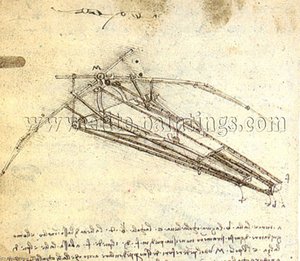
Within the meticulously preserved pages of a 15th-century drawing, held by the Biblioteca Nazionale Centrale di Firenze, resides “Elementi di una macchina,” or “Elements of a Machine.” Attributed to the collaborative genius of Leonardo da Vinci and Andrea del Verrocchio, this remarkable work offers an intimate window into the burgeoning world of Renaissance engineering. More than just a technical diagram, it’s a testament to human curiosity—a visual exploration of how machines might function, driven by a desire to understand and replicate the intricate workings of nature itself. The drawing, rendered in delicate pen and ink on aged paper, immediately draws the eye with its dense concentration of geometric forms: interlocking cylinders, precise rectangles, and carefully delineated circles – all hinting at a complex system yet to be fully realized.
The medium—brunello (brown ink) on laid paper—contributes significantly to the artwork’s character. The muted tones evoke the atmosphere of a workshop, bathed in candlelight and filled with the scent of parchment and charcoal. The texture of the paper itself, bearing the subtle imperfections of age, speaks volumes about its history, grounding the viewer in the tangible reality of the drawing's creation. It’s not merely an image; it’s a physical artifact, carrying the weight of centuries.
Renaissance Engineering: A Fusion of Art and Science
To fully appreciate “Elementi di una macchina,” one must understand the intellectual climate of the Italian Renaissance. This period witnessed a remarkable convergence of artistic and scientific inquiry—a shift away from purely theological explanations towards empirical observation and rational analysis. Leonardo da Vinci, embodying this spirit, seamlessly blended his artistic talents with his insatiable curiosity about mechanics, anatomy, and hydraulics. Verrocchio, a renowned sculptor and artist in Florence, likely served as an early mentor to the young Leonardo, instilling within him a deep appreciation for precision and detail.
The drawing’s subject matter—the design of mechanical components—reflects this era's fascination with innovation. While the specific purpose of these elements remains somewhat enigmatic, they clearly represent an attempt to systematize and visualize the principles of motion and force. The drawings are not simply illustrations; they are conceptual explorations, anticipating later advancements in engineering and technology. It’s a remarkable example of how art could serve as a powerful tool for scientific investigation.
Symbolism and the Pursuit of Understanding
Beyond its technical merit, “Elementi di una macchina” is imbued with symbolic significance. The meticulous detail with which each component is rendered suggests a profound respect for order and precision—values central to Renaissance thought. The act of drawing itself can be interpreted as an attempt to impose structure onto the chaotic world, to capture and represent its underlying mechanisms. Furthermore, the very existence of such detailed diagrams speaks to humanity’s inherent desire to understand how things work – a fundamental drive that continues to shape our technological advancements today.
A Legacy in Reproduction: Bringing Renaissance Ingenuity to Your Space
ArtsDot offers high-quality reproductions of “Elementi di una macchina,” allowing you to bring this captivating piece of Renaissance history into your home or office. Each reproduction is meticulously crafted using archival inks and premium materials, ensuring that the artwork’s rich colors and intricate details are faithfully preserved. Whether displayed as a statement piece in a modern setting or incorporated into a study celebrating the spirit of innovation, this drawing serves as a timeless reminder of humanity's enduring quest to understand and master the world around us.
関連作品
アーティストの略歴
レオナルドの謎:キャンバスを超えた生涯
ルネサンスの天才という言葉と分かちがたく結びついた名、レオナルド・ディ・セル・ピエロ・ダ・ヴィンチ。彼は単なる画家という枠に収まる存在ではありませんでした。1452年、イタリアのヴィンチ近郊に生まれた彼は、人文主義の理想を体現する人物でした。その飽くなき好奇心は、芸術、科学、工学、解剖学、そして発明という、あらゆる領域へと彼を突き動かしたのです。公証人ピエロ・フルオジーノ・ディ・アントニオ・ダ・ヴィンチとカテリーナ・ディ・メオ・リッピの間に非嫡子として生まれたという背景は、当時の社会規範から少し外れた人生をもたらしましたが、それがむしろ、知識への絶え間ない探求を支える独立心、自由な精神を育んだのかもしれません。アンキアーノで母と共に過ごした幼少期、そして後に父の家で過ごした日々が彼の基礎を築き、1466年頃、フィレンツェにあるアンドレア・デル・ラ・ヴェロッキオの工房へと足を踏み入れることになります。この徒弟修行は極めて重要な転換点となりました。それは単なる技術習得の場ではなく、ボッティチェリやギルランダイオ、ペルジーノといった巨匠たちと出会う、活気に満ちた芸術的環境への没入だったのです。ヴェロッキオの「キリストの洗礼」におけるレオナルドの貢献――彼が描いた天使が師の作品を凌駕したと言い伝えられているエピソードは、後に芸術の境界を再定義することになる、彼の芽生えつつあった才能の凄まかりを雄弁に物語っています。ミラノと革新の開花
1482年、レオナルドはミラノ公ルドヴィーコ・スフォルツァの宮廷に入り、そのキャリアは劇的な転換期を迎えます。これは単なるパトロンとの契約ではなく、宮廷の技師、建築家、彫刻家、そして画家としての役割を託されたことを意味しており、彼の多才さを証明するものでした。続く17年間は、驚くべき創造性の噴出の時代でした。彼はフランチェスコ・スフォルツァのための巨大な騎馬像という野心的なプロジェクトに取り組みましたが、悲劇的にも未完に終わり、その粘土模型も後の政治的動乱の中で失われてしまいました。ミラノはレオナルドにとって科学的探求の実験室となりました。彼は解剖学、水力学、力学を緻密に研究し、そのノートには詳細な観察記録と革新的な設計図が書き込まれていきました。この時期には「岩窟の聖母」も制作され、光と影の微細な階調を用いて、まるで夢のような、この世のものとは思えない空気感を生み出す技法「スフマート」の極致が示されました。そして、この時代の最も象徴的な作品といえば、サンタ・マリア・デッレ・グラツィエ修道院の食堂に描かれた壮大なフレスコ画「最後の晩餐」でしょう。その革命的な構図、心理的な深み、そして革新的な遠近法の活用は、数世紀を経た今もなお観る者を魅了して止みません。しかし、レオナルドによるフレスコ技法への実験的な試みは、作品の急速な劣化を招くこととなりました。それは、実用的な制約を顧みず、完璧を追い求めた彼の執念がもたらした、切ない記憶でもあります。彷徨える精神:フィレンツェ、ローマ、そしてフランスでの晩年
1499年、ミラノの政治的混乱によってレオナルドは去ることを余儀なくされ、ここから放浪の旅が始まります。フィレンツェへの一時的な帰還、ローマへの遠征、そして最終的にはフランス国王フランソワ1世の庇護のもとでの安息へと続きました。フィレンツェに戻った彼は、新たな依頼を受ける一方で、かつてのプロジェクトにも再び取り組みましたが、その多くは未完のまま残されました。肖像画への情熱はさらに深まり、世界で最も有名な絵画となった「モナ・リザ」の誕生へと結実します。あの謎めいた微笑と繊細なスフマートは、彼女の正体や内面について、終わることのない憶測を呼び起こしてきました。フランスでの晩年は、学術的な探求と宮廷での務めに彩られました。彼は科学的研究を研ぎ澄ませ続け、建築プロジェクトの設計や、様々な工学的事業においてフランソワ1世への助言を行いました。レオナル動は1519年、クロ・リュセにてその生涯を閉じましたが、彼が遺したレガシーは、芸術と科学の境界を軽々と超えて輝き続けています。不朽の遺産:芸術と知識の統合
レオナルド・ダ・ヴィンチが与えた影響は、現存する絵画の枠を遥かに超えています。解剖図、工学設計、植物学の研究、そして哲学的な思索で埋め尽くされた彼のノートは、自然界を理解しようと絶え間なく努めた精神の軌跡です。彼は筋肉や骨格構造を研究するために人体を解剖し、現代の解剖学的図譜を数世紀も先取りしていました。飛行機械、戦車、潜水服といった彼の発明品は、当時の技術では実現困難なものも多かったものの、並外れた先見性と革新的な精神を証明しています。
レオナルド・ダ・ヴィンチ & アンドレア・デル・ヴェロッキオ
1452 - 1519 , イタリア
基本情報
- Artistic Movement Or Style: 盛期ルネサンス
- Artists Or Movements Influenced By This Artist: ['盛期ルネサンスの芸術家']
- Artists Who Influenced This Artist: ['アンドレア・デル・ヴェロッキオ']
- Date Of Birth: 1452年
- Date Of Death: 1519年
- Full Name: レオナルド・ダ・ヴィンチ & ヴェロッキオ
- Nationality: イタリア
- Notable Artworks:
- モナ・リザ
- 最後の晩餐
- ウィトルウィウス的人体図
- 聖アンドレの頭部
- カーネーションの聖母
- キリストの洗礼
- Place Of Birth: イタリア、ヴィンチ
関連記事
レオナルド・ダ・ヴィンチ:至高の25選 - 芸術、科学、そして不朽の名作の世界
レオナルド・ダ・ヴィンチの至宝25選。モナリザ、最後の晩餐…ルネサンス美術を代表する名画の世界へ。芸術史、技法、そして感動の物語を紐解き、お部屋に飾る高級複製画で特別な空間を。ArtsDot.comで全コレクションをご覧ください。
Leonardo da Vinci: A Renaissance Master’s Synthesis of Art, Science & Human Observation – Reinterpreted for the Collector
Explore Leonardo da Vinci’s timeless masterpieces with ArtsDot. Discover insights into his art, science, and legacy – trusted expertise for discerning collectors seeking authentic reproductions & investment opportunities.
ルーブル美術館の至宝25選:名画と芸術史を巡る旅 | ArtsDot
ルーブル美術館の至宝25選。レオナルド・ダ・ヴィンチ、ミロのヴィーナス…名画の歴史と感動を紐解きます。複製画やインテリアアートも豊富に。ArtsDotで、あなただけの芸術空間を。
Renaissance Humanism's Greatest Art: 10 Masterpieces for Your Home
Explore 10 Renaissance Humanism masterpieces by Leonardo da Vinci, Michelangelo & Raphael. Discover the stories behind these iconic paintings & sculptures and bring timeless art into your home with museum-quality reproductions from ArtsDot.com. Explore the full collection online!
ウフィツィ美術館の至宝25選:ルネサンス巨匠たちの傑作とアートデコレーション
ウフィツィ美術館の至宝25選:ボッティチェリ、レオナルド・ダ・ヴィンチ…ルネサンス巨匠たちの傑作と感動的な物語を紐解きます。高品質な絵画複製やアートプリントで、お部屋に名画の輝きを。ArtsDot.comで芸術の世界へ。

