

 プレビュー
プレビュー
 プリントを購入
 シェアする
シェアする シェアする
シェアする
 詳細を見る
詳細を見る

 ダウンロード
 似ている作品
 X線調査
X線調査 スライドショー
Nudi, per la


 詳細を見る
詳細を見る
オンラインプレビューをはるかに凌ぐ、高解像度で鮮明なデジタル画像をご購入いただけます。
各ファイルは、社内の専門家が高度なツールと熟練した手作業によるレタッチを用いて、細心の注意を払って準備されています。すべての画像において、卓越した鮮明度、正確な色彩再現性、そして繊細なディテールを保証いたします。
最終ファイルは、プロフェッショナルな編集・印刷環境ですぐにご利用いただけるよう最適化された状態で、72時間以内にメールにてお届けいたします。これは、一流のデザインスタジオ、出版社、ギャラリーから信頼されているものと同等の品質です。
デジタル画像のご注文に付随する特典
高品質なデジタル画像配信を、確かな品質で。
ArtsDot.com を選ぶことは、単に画像を手に入れることではありません。それは、プロの手によって精密に仕上げられ、満足保証が付いた高品質なデジタルアートワークを受け取ることを意味します。ご注文いただいた際に自動的に付随する内容は、以下の通りです:

メールですぐにお届け
ご注文から72時間以内に、高解像度のデジタル画像ファイルがメールでお手元に届きます。すぐにそのままご利用いただけます。

AI技術で最適化されたデジタルファイル
お客様の作品は、高度なAIツールと専門家による手作業の編集を組み合わせてプロフェッショナルに最適化されており、細部のディテール、鮮明さ、そして正確な色再現性を最大限に引き出しています。

一生涯無料の再送サービス
ファイルを誤って削除したり、紛失してしまったりしましたか?ご安心ください。いつでも無料で再送いたします。

輸入手数料は一切かかりません
関税や手数料、配送料を気にすることなく、お気に入りのアートワークをすぐにお楽しみいただけます。デジタルダウンロードは常に免税です。

色彩再現の保証
プロ仕様のツールとカラーマネジメント技術を用いることで、デジタル画像が元の色を最大限に忠実に再現することを保証いたします。

60日間満足保証
ご購入いただいたデジタル画像にご満足いただけない場合は、60日以内であれば、修正または100%の返金(理由を問う必要はありません)をさせていただきます。

100% 返金保証
ご満足いただけない場合は、デジタルファイルを受け取ってから60日以内であれば、理由を問わず全額返金いたします。

まとめ買い割引
3枚購入で10%OFF - 5枚購入で15%OFF - 10枚以上購入で20%OFF。クリエイティブなプロジェクト、ギャラリー、エージェンシーに最適です。
作品の詳細
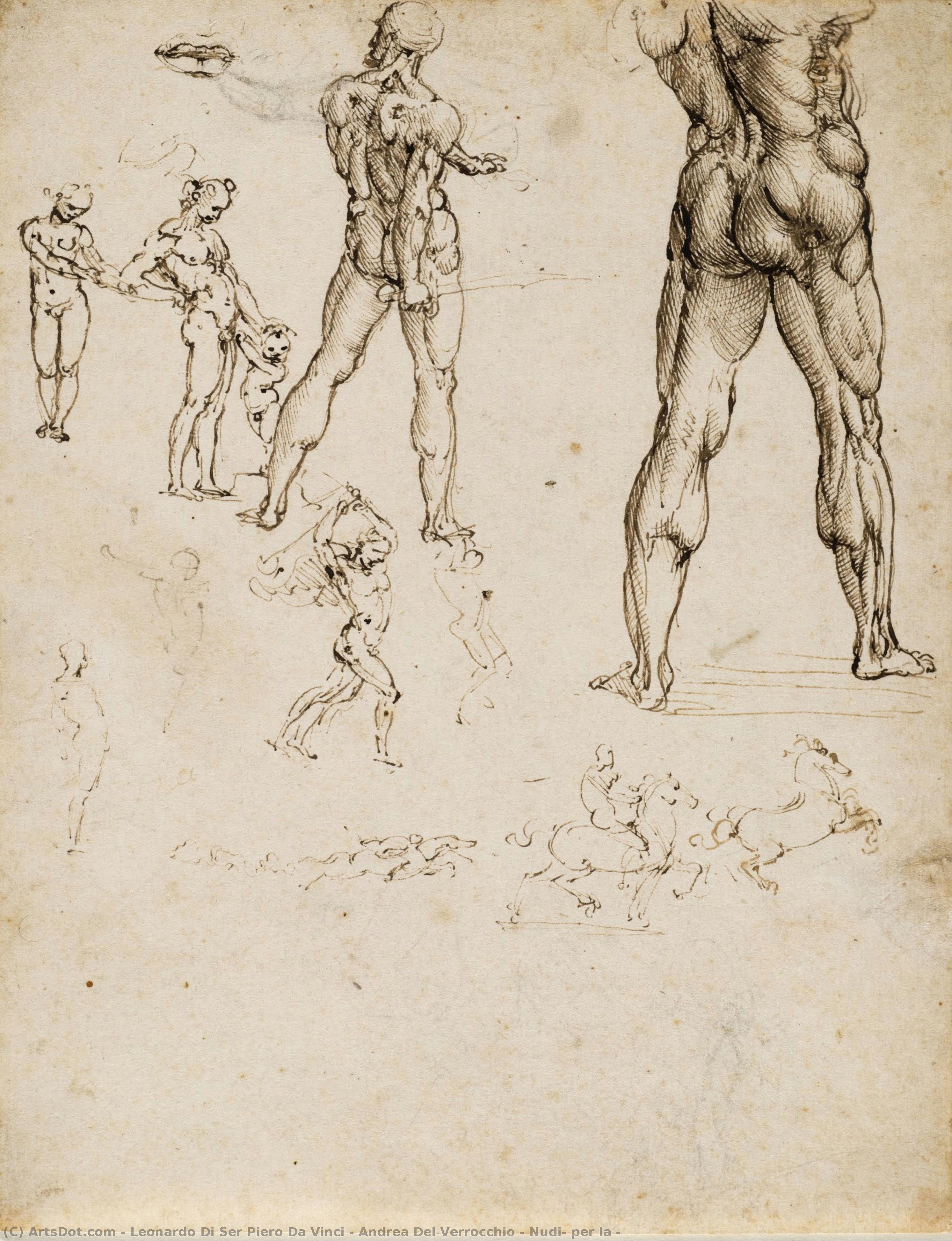
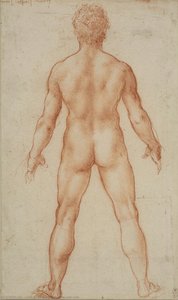
Nudi, per la – A Renaissance Masterpiece of Movement and Anatomy
Leonardo da Vinci’s “Nudi, per la,” alongside Andrea del Verrocchio’s contribution, stands as a testament to the artistic fervor of Florence during the High Renaissance. Completed around 1500, this drawing transcends mere representation; it embodies a profound exploration of human anatomy and dynamic movement—themes central to Da Vinci's groundbreaking scientific observations and artistic endeavors.
The artwork depicts five nude male figures engaged in various poses – running, jumping, standing with outstretched arms, bending over – capturing the essence of humanist ideals prevalent at the time. Verrocchio’s meticulous attention to detail is evident in the anatomical accuracy of each figure, reflecting his mastery as a sculptor and demonstrating the influence of classical sculpture on Renaissance art.
Da Vinci's signature sfumato technique—characterized by subtle gradations of tone—creates an ethereal atmosphere, blurring outlines and softening contours. This masterful blending of colors contributes to the drawing’s captivating visual quality and enhances its expressive power. The artist skillfully conveys a sense of energy and vitality through the figures’ movements, inviting viewers to contemplate the beauty and complexity of human form.
Historically, “Nudi, per la” represents a pivotal moment in artistic history—a culmination of humanist scholarship and artistic innovation. It exemplifies the Renaissance preoccupation with understanding the human body as a microcosm of the universe, mirroring Da Vinci’s broader scientific pursuits. The drawing's placement within Verrocchio’s studio underscores the collaborative spirit of Florentine artmaking during this era.
Beyond its technical brilliance and historical significance, “Nudi, per la” resonates emotionally with viewers through its depiction of idealized male beauty—a reflection of Renaissance ideals concerning masculinity and virtue. The drawing serves as a timeless reminder of the enduring power of art to inspire contemplation and celebrate human potential.
Detailed Analysis: Technique and Style
The drawing utilizes charcoal on paper prepared with olive oil, a technique favored by Verrocchio for capturing nuanced tonal variations. Careful layering of graphite creates depth and texture, mirroring the sculptor’s approach to modeling stone or bronze. The artist's meticulous observation of musculature—particularly in the legs—demonstrates Da Vinci’s anatomical studies and his commitment to scientific accuracy.
The style aligns perfectly with Renaissance artistic conventions – prioritizing realism while simultaneously elevating the subject matter to a level of symbolic grandeur. The dynamic poses convey movement and energy, mirroring the humanist fascination with human action and expression. Furthermore, the drawing's composition—characterized by balanced asymmetry—creates visual harmony and reinforces its aesthetic impact.
Historical Context: Florence During the Renaissance
“Nudi, per la” was created during a period of unparalleled artistic creativity in Florence – a time when Leonardo da Vinci and Andrea del Verrocchio were shaping the course of Western art. The humanist movement championed reason and observation—influencing artists like Da Vinci to depict human figures with anatomical precision and psychological depth.
The drawing reflects the broader cultural landscape of Renaissance Florence, where classical ideals intertwined with Christian beliefs—resulting in artworks that celebrated both beauty and moral virtue. Its creation coincided with a renewed interest in ancient Greek and Roman art—inspiring artists to emulate their stylistic achievements.
Symbolism: Human Form and Ideal Beauty
The nude male figures embody humanist ideals concerning human dignity and potential—representing the Renaissance fascination with celebrating the human body as a symbol of perfection. The poses convey movement and vitality—mirroring the humanist belief in active engagement with the world.
Da Vinci’s sfumato technique contributes to the drawing's symbolic resonance—creating an ethereal atmosphere that transcends mere representation. It evokes contemplation and invites viewers to consider the beauty and complexity of human form—affirming Renaissance artistic values.
Emotional Impact: Capturing Movement and Vitality
"Nudi, per la" succeeds in conveying a palpable sense of energy and dynamism—capturing the essence of human movement with remarkable skill. The artist’s meticulous attention to detail enhances its visual impact—drawing viewers into a contemplative experience.
The drawing's harmonious composition reinforces its emotional resonance—creating a balanced aesthetic that celebrates beauty and vitality. It serves as an enduring reminder of Da Vinci’s artistic genius—solidifying his place among the most influential figures in Western art history.
関連作品
作家の略歴
レオナルドの謎:キャンバスを超えた生涯
ルネサンスの天才という言葉と分かちがたく結びついた名、レオナルド・ディ・セル・ピエロ・ダ・ヴィンチ。彼は単なる画家という枠に収まる存在ではありませんでした。1452年、イタリアのヴィンチ近郊に生まれた彼は、人文主義の理想を体現する人物でした。その飽くなき好奇心は、芸術、科学、工学、解剖学、そして発明という、あらゆる領域へと彼を突き動かしたのです。公証人ピエロ・フルオジーノ・ディ・アントニオ・ダ・ヴィンチとカテリーナ・ディ・メオ・リッピの間に非嫡子として生まれたという背景は、当時の社会規範から少し外れた人生をもたらしましたが、それがむしろ、知識への絶え間ない探求を支える独立心、自由な精神を育んだのかもしれません。アンキアーノで母と共に過ごした幼少期、そして後に父の家で過ごした日々が彼の基礎を築き、1466年頃、フィレンツェにあるアンドレア・デル・ラ・ヴェロッキオの工房へと足を踏み入れることになります。この徒弟修行は極めて重要な転換点となりました。それは単なる技術習得の場ではなく、ボッティチェリやギルランダイオ、ペルジーノといった巨匠たちと出会う、活気に満ちた芸術的環境への没入だったのです。ヴェロッキオの「キリストの洗礼」におけるレオナルドの貢献――彼が描いた天使が師の作品を凌駕したと言い伝えられているエピソードは、後に芸術の境界を再定義することになる、彼の芽生えつつあった才能の凄まかりを雄弁に物語っています。ミラノと革新の開花
1482年、レオナルドはミラノ公ルドヴィーコ・スフォルツァの宮廷に入り、そのキャリアは劇的な転換期を迎えます。これは単なるパトロンとの契約ではなく、宮廷の技師、建築家、彫刻家、そして画家としての役割を託されたことを意味しており、彼の多才さを証明するものでした。続く17年間は、驚くべき創造性の噴出の時代でした。彼はフランチェスコ・スフォルツァのための巨大な騎馬像という野心的なプロジェクトに取り組みましたが、悲劇的にも未完に終わり、その粘土模型も後の政治的動乱の中で失われてしまいました。ミラノはレオナルドにとって科学的探求の実験室となりました。彼は解剖学、水力学、力学を緻密に研究し、そのノートには詳細な観察記録と革新的な設計図が書き込まれていきました。この時期には「岩窟の聖母」も制作され、光と影の微細な階調を用いて、まるで夢のような、この世のものとは思えない空気感を生み出す技法「スフマート」の極致が示されました。そして、この時代の最も象徴的な作品といえば、サンタ・マリア・デッレ・グラツィエ修道院の食堂に描かれた壮大なフレスコ画「最後の晩餐」でしょう。その革命的な構図、心理的な深み、そして革新的な遠近法の活用は、数世紀を経た今もなお観る者を魅了して止みません。しかし、レオナルドによるフレスコ技法への実験的な試みは、作品の急速な劣化を招くこととなりました。それは、実用的な制約を顧みず、完璧を追い求めた彼の執念がもたらした、切ない記憶でもあります。彷徨える精神:フィレンツェ、ローマ、そしてフランスでの晩年
1499年、ミラノの政治的混乱によってレオナルドは去ることを余儀なくされ、ここから放浪の旅が始まります。フィレンツェへの一時的な帰還、ローマへの遠征、そして最終的にはフランス国王フランソワ1世の庇護のもとでの安息へと続きました。フィレンツェに戻った彼は、新たな依頼を受ける一方で、かつてのプロジェクトにも再び取り組みましたが、その多くは未完のまま残されました。肖像画への情熱はさらに深まり、世界で最も有名な絵画となった「モナ・リザ」の誕生へと結実します。あの謎めいた微笑と繊細なスフマートは、彼女の正体や内面について、終わることのない憶測を呼び起こしてきました。フランスでの晩年は、学術的な探求と宮廷での務めに彩られました。彼は科学的研究を研ぎ澄ませ続け、建築プロジェクトの設計や、様々な工学的事業においてフランソワ1世への助言を行いました。レオナル動は1519年、クロ・リュセにてその生涯を閉じましたが、彼が遺したレガシーは、芸術と科学の境界を軽々と超えて輝き続けています。不朽の遺産:芸術と知識の統合
レオナルド・ダ・ヴィンチが与えた影響は、現存する絵画の枠を遥かに超えています。解剖図、工学設計、植物学の研究、そして哲学的な思索で埋め尽くされた彼のノートは、自然界を理解しようと絶え間なく努めた精神の軌跡です。彼は筋肉や骨格構造を研究するために人体を解剖し、現代の解剖学的図譜を数世紀も先取りしていました。飛行機械、戦車、潜水服といった彼の発明品は、当時の技術では実現困難なものも多かったものの、並外れた先見性と革新的な精神を証明しています。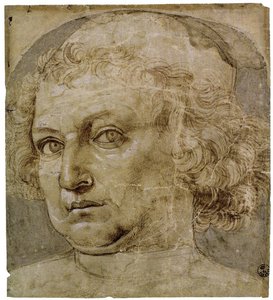
レオナルド・ダ・ヴィンチ & アンドレア・デル・ヴェロッキオ
1452 - 1519 , イタリア
プロフィール概要
- Artistic Movement Or Style: 盛期ルネサンス
- Artists Or Movements Influenced By This Artist: ['盛期ルネサンスの芸術家']
- Artists Who Influenced This Artist: ['アンドレア・デル・ヴェロッキオ']
- Date Of Birth: 1452年
- Date Of Death: 1519年
- Full Name: レオナルド・ダ・ヴィンチ & ヴェロッキオ
- Nationality: イタリア
- Notable Artworks:
- モナ・リザ
- 最後の晩餐
- ウィトルウィウス的人体図
- 聖アンドレの頭部
- カーネーションの聖母
- キリストの洗礼
- Place Of Birth: イタリア、ヴィンチ

