

 プレビュー
プレビュー
 プリントを購入
 シェアする
シェアする シェアする
シェアする
 詳細を見る
詳細を見る

 ダウンロード
 似ている作品
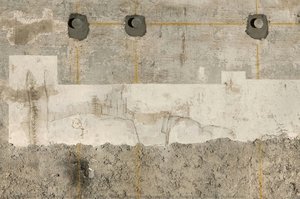
 X線調査
X線調査 スライドショー
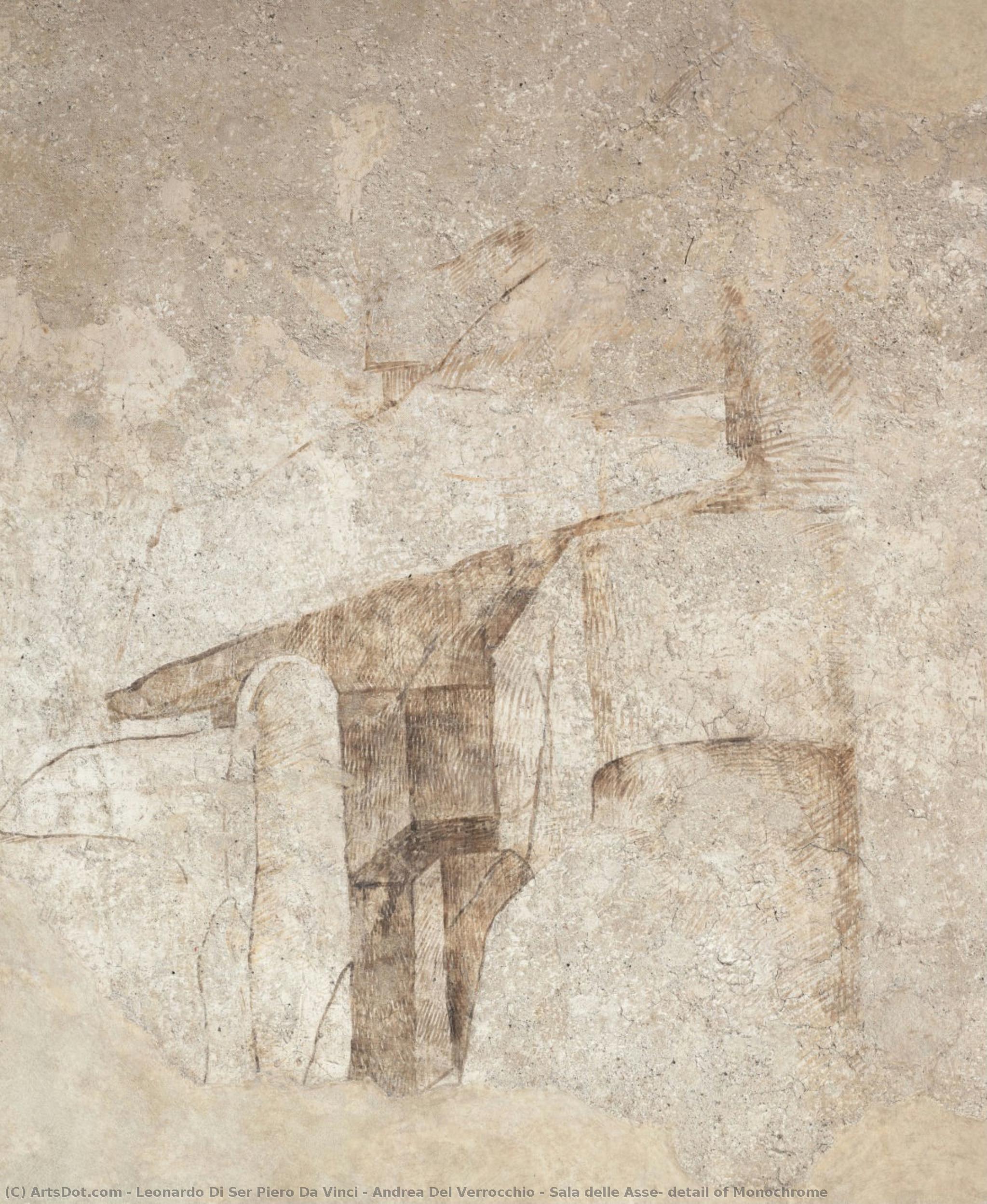
Sala delle Asse, detail of Monochrome


 詳細を見る
詳細を見る




P118B $10

P118H $10

P118W $10

P438Z $10

P508JH $12

P508YH $12

P805H $10

P805Z $10

P919BZ $10

P919G $10

P919XJ $10

P959ZH $10

P968JZ $12

W106C $8

W218G $10

W218JH $8

W218Y $10

W307PJ $10

W316G $10

W316PJ $8

W316Y $10

W398PJ $8

W4111J $10

W500HY $15

W500JH $15

W692G $12

W849H $8

W940BG $15

W953PJ $8




作品のオリジナル比率に合わせた、当店の規定サイズからお選びください。

特定のフレームやスペースに合わせて、ご希望のサイズをご入力いただけます。選択されたサイズが元の画像の比率と異なる場合、アートワークをトリミングするか、手描きで要素を追加して絵画を拡張いたします。デジタルモックアップ を制作し、制作開始前にご確認(承認)をいただきます。
画面上のプレビューは、実際のトリミングや拡張を正確に反映しているものではありません。最終的な構図は、モックアップによってのみ正確にご確認いただけます。
カスタムサイズもご利用いただけますが、元の比率を維持するためには、あらかじめ用意されたリストからサイズを選択することをお勧めいたします。
ご注文後、ArtsDot.com チームより詳細な指示をお送りするとともに、仕上がりイメージ(モックアップ)をご提供いたします。


 ガラスオプションは、110cm未満のサイズでのみご利用いただけます。

Sala delle Asse, detail of Monochrome
複製技法
複製画のサイズ
-


合計金額
$ 263
The Silent Echoes of Sforza: A Monochromatic Revelation
Within the imposing Castello Sforzesco of Milan resides a room that defies easy categorization – Sala delle Asse, a space saturated not with vibrant hues but with an arresting stillness. This isn’t merely a blank canvas; it's a meticulously crafted illusion, a monochrome testament to the ambition and artistry of Leonardo da Vinci and Andrea del Verrocchio in 1498. The room itself, originally designed as a reception hall for Ludovico il Moro, Duke of Milan, is now a captivating puzzle box of history, symbolism, and masterful technique – a place where the echoes of Renaissance power resonate through layers of pigment and carefully rendered stone.
The core of Sala delle Asse’s allure lies in its “monochrome” decoration. This isn't a simple absence of color; it’s an incredibly sophisticated trompe-l’œil, a deliberate manipulation of light and shadow to create the impression of a vast, natural pergola draped with mulberry trees. Rocky Ruggiero, a leading art historian specializing in this room, describes it as “a spectacular vaulted ceiling… decorated with branches and knots all tangled together: a long rope, weaving together all these branches.” The effect is profoundly immersive – one feels transported to an open-air grove, the dappled sunlight filtering through leaves, the scent of ripe fruit hanging heavy in the air. This illusion wasn’t achieved through painting directly onto the ceiling; instead, Leonardo and his collaborators employed a technique of applying layers of gesso and pigment to create the textured surface that mimics natural stone, an astonishing feat of visual deception.
A Chronicle in Cartouches: Decoding the Narrative
The monochrome isn’t merely decorative; it functions as a complex historical record. Scattered across the walls are sixteen cartouches – ornate frames containing inscriptions that chronicle key events in Ludovico il Moro's reign. These aren’t simple dates; they’re meticulously rendered scenes from significant moments: the marriage of Bianca Maria Sforza to Emperor Maximilian, Ludovico’s investiture as Duke, and his journey with Beatrice d’Este to seek aid against Charles VIII of France. The fourth cartouche, now sadly illegible, is believed to have documented Louis XII's victory over Ludovico – a poignant reminder of the fleeting nature of power and the fragility of even the most formidable dynasties.
The arrangement of these cartouches isn’t arbitrary. Ruggiero suggests that Leonardo drew upon his extensive knowledge of natural systems, translating the complex geometry of the room into a visual representation of a sprawling pergola – a deliberate choice reflecting Ludovico's patronage of the mulberry tree industry, which was vital to Milan’s economy and silk production. The cartouches themselves are rendered with remarkable detail, showcasing Leonardo’s mastery of perspective and his ability to capture the texture and weight of stone.
The Secrets Beneath: A Layered History
The story of Sala delle Asse is inextricably linked to its restoration history. Following Milan's fall to the French in 1499, the room was hastily whitewashed, obscuring the original monochrome decoration and effectively erasing a significant chapter of Renaissance art. It wasn’t until the late 19th century that researchers began to uncover traces of Leonardo’s work beneath the layers of paint. The most recent restoration project, completed in 2018, revealed even more intricate preparatory drawings – a network of branches and leaves meticulously rendered on the walls, offering a tantalizing glimpse into Leonardo's creative process.
These rediscovered sketches highlight the incredible patience and precision required to execute such an ambitious illusion. The use of dry point on paper, combined with subtle shading and hatching techniques, creates a palpable sense of texture – one can almost feel the rough surface of stone beneath their fingertips. The monochrome palette itself is remarkably nuanced, ranging from deep shadows to delicate highlights, demonstrating Leonardo’s mastery of chiaroscuro—the dramatic interplay of light and dark—a technique he would later perfect in his paintings.
A Legacy of Illusion: Reproduction and Inspiration
Today, Sala delle Asse stands as a testament to the power of illusion and the enduring legacy of Renaissance art. ArtsDot offers high-quality reproductions that capture the room’s dramatic atmosphere and intricate details, allowing viewers to experience this remarkable space from the comfort of their own homes. The monochrome palette—a deliberate choice by Leonardo—invites contemplation and encourages a deeper appreciation for the subtleties of light, texture, and perspective. More than just a decorative scheme, it's a profound meditation on history, power, and the enduring beauty of illusion itself.
関連作品
アーティストの略歴
レオナルドの謎:キャンバスを超えた生涯
ルネサンスの天才という言葉と分かちがたく結びついた名、レオナルド・ディ・セル・ピエロ・ダ・ヴィンチ。彼は単なる画家という枠に収まる存在ではありませんでした。1452年、イタリアのヴィンチ近郊に生まれた彼は、人文主義の理想を体現する人物でした。その飽くなき好奇心は、芸術、科学、工学、解剖学、そして発明という、あらゆる領域へと彼を突き動かしたのです。公証人ピエロ・フルオジーノ・ディ・アントニオ・ダ・ヴィンチとカテリーナ・ディ・メオ・リッピの間に非嫡子として生まれたという背景は、当時の社会規範から少し外れた人生をもたらしましたが、それがむしろ、知識への絶え間ない探求を支える独立心、自由な精神を育んだのかもしれません。アンキアーノで母と共に過ごした幼少期、そして後に父の家で過ごした日々が彼の基礎を築き、1466年頃、フィレンツェにあるアンドレア・デル・ラ・ヴェロッキオの工房へと足を踏み入れることになります。この徒弟修行は極めて重要な転換点となりました。それは単なる技術習得の場ではなく、ボッティチェリやギルランダイオ、ペルジーノといった巨匠たちと出会う、活気に満ちた芸術的環境への没入だったのです。ヴェロッキオの「キリストの洗礼」におけるレオナルドの貢献――彼が描いた天使が師の作品を凌駕したと言い伝えられているエピソードは、後に芸術の境界を再定義することになる、彼の芽生えつつあった才能の凄まかりを雄弁に物語っています。ミラノと革新の開花
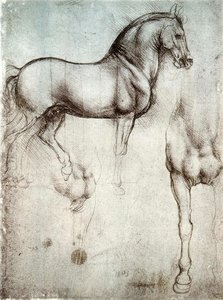
1482年、レオナルドはミラノ公ルドヴィーコ・スフォルツァの宮廷に入り、そのキャリアは劇的な転換期を迎えます。これは単なるパトロンとの契約ではなく、宮廷の技師、建築家、彫刻家、そして画家としての役割を託されたことを意味しており、彼の多才さを証明するものでした。続く17年間は、驚くべき創造性の噴出の時代でした。彼はフランチェスコ・スフォルツァのための巨大な騎馬像という野心的なプロジェクトに取り組みましたが、悲劇的にも未完に終わり、その粘土模型も後の政治的動乱の中で失われてしまいました。ミラノはレオナルドにとって科学的探求の実験室となりました。彼は解剖学、水力学、力学を緻密に研究し、そのノートには詳細な観察記録と革新的な設計図が書き込まれていきました。この時期には「岩窟の聖母」も制作され、光と影の微細な階調を用いて、まるで夢のような、この世のものとは思えない空気感を生み出す技法「スフマート」の極致が示されました。そして、この時代の最も象徴的な作品といえば、サンタ・マリア・デッレ・グラツィエ修道院の食堂に描かれた壮大なフレスコ画「最後の晩餐」でしょう。その革命的な構図、心理的な深み、そして革新的な遠近法の活用は、数世紀を経た今もなお観る者を魅了して止みません。しかし、レオナルドによるフレスコ技法への実験的な試みは、作品の急速な劣化を招くこととなりました。それは、実用的な制約を顧みず、完璧を追い求めた彼の執念がもたらした、切ない記憶でもあります。彷徨える精神:フィレンツェ、ローマ、そしてフランスでの晩年
1499年、ミラノの政治的混乱によってレオナルドは去ることを余儀なくされ、ここから放浪の旅が始まります。フィレンツェへの一時的な帰還、ローマへの遠征、そして最終的にはフランス国王フランソワ1世の庇護のもとでの安息へと続きました。フィレンツェに戻った彼は、新たな依頼を受ける一方で、かつてのプロジェクトにも再び取り組みましたが、その多くは未完のまま残されました。肖像画への情熱はさらに深まり、世界で最も有名な絵画となった「モナ・リザ」の誕生へと結実します。あの謎めいた微笑と繊細なスフマートは、彼女の正体や内面について、終わることのない憶測を呼び起こしてきました。フランスでの晩年は、学術的な探求と宮廷での務めに彩られました。彼は科学的研究を研ぎ澄ませ続け、建築プロジェクトの設計や、様々な工学的事業においてフランソワ1世への助言を行いました。レオナル動は1519年、クロ・リュセにてその生涯を閉じましたが、彼が遺したレガシーは、芸術と科学の境界を軽々と超えて輝き続けています。不朽の遺産:芸術と知識の統合
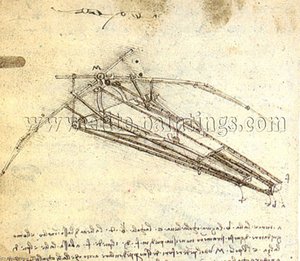
レオナルド・ダ・ヴィンチが与えた影響は、現存する絵画の枠を遥かに超えています。解剖図、工学設計、植物学の研究、そして哲学的な思索で埋め尽くされた彼のノートは、自然界を理解しようと絶え間なく努めた精神の軌跡です。彼は筋肉や骨格構造を研究するために人体を解剖し、現代の解剖学的図譜を数世紀も先取りしていました。飛行機械、戦車、潜水服といった彼の発明品は、当時の技術では実現困難なものも多かったものの、並外れた先見性と革新的な精神を証明しています。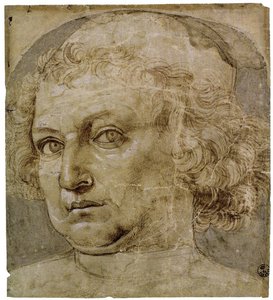
レオナルド・ダ・ヴィンチ & アンドレア・デル・ヴェロッキオ
1452 - 1519 , イタリア
基本情報
- Artistic Movement Or Style: 盛期ルネサンス
- Artists Or Movements Influenced By This Artist: ['盛期ルネサンスの芸術家']
- Artists Who Influenced This Artist: ['アンドレア・デル・ヴェロッキオ']
- Date Of Birth: 1452年
- Date Of Death: 1519年
- Full Name: レオナルド・ダ・ヴィンチ & ヴェロッキオ
- Nationality: イタリア
- Notable Artworks:
- モナ・リザ
- 最後の晩餐
- ウィトルウィウス的人体図
- 聖アンドレの頭部
- カーネーションの聖母
- キリストの洗礼
- Place Of Birth: イタリア、ヴィンチ
関連記事
レオナルド・ダ・ヴィンチ:至高の25選 - 芸術、科学、そして不朽の名作の世界
レオナルド・ダ・ヴィンチの至宝25選。モナリザ、最後の晩餐…ルネサンス美術を代表する名画の世界へ。芸術史、技法、そして感動の物語を紐解き、お部屋に飾る高級複製画で特別な空間を。ArtsDot.comで全コレクションをご覧ください。
Leonardo da Vinci: A Renaissance Master’s Synthesis of Art, Science & Human Observation – Reinterpreted for the Collector
Explore Leonardo da Vinci’s timeless masterpieces with ArtsDot. Discover insights into his art, science, and legacy – trusted expertise for discerning collectors seeking authentic reproductions & investment opportunities.
Renaissance Humanism's Greatest Art: 10 Masterpieces for Your Home
Explore 10 Renaissance Humanism masterpieces by Leonardo da Vinci, Michelangelo & Raphael. Discover the stories behind these iconic paintings & sculptures and bring timeless art into your home with museum-quality reproductions from ArtsDot.com. Explore the full collection online!
ウフィツィ美術館の至宝25選:ルネサンス巨匠たちの傑作とアートデコレーション
ウフィツィ美術館の至宝25選:ボッティチェリ、レオナルド・ダ・ヴィンチ…ルネサンス巨匠たちの傑作と感動的な物語を紐解きます。高品質な絵画複製やアートプリントで、お部屋に名画の輝きを。ArtsDot.comで芸術の世界へ。
ルーブル美術館の至宝25選:名画と芸術史を巡る旅 | ArtsDot
ルーブル美術館の至宝25選。レオナルド・ダ・ヴィンチ、ミロのヴィーナス…名画の歴史と感動を紐解きます。複製画やインテリアアートも豊富に。ArtsDotで、あなただけの芸術空間を。

