

 シェアする
シェアする シェアする
シェアする
 詳細を見る
詳細を見る

 ダウンロード
 似ている作品
 スライドショー
 Stats
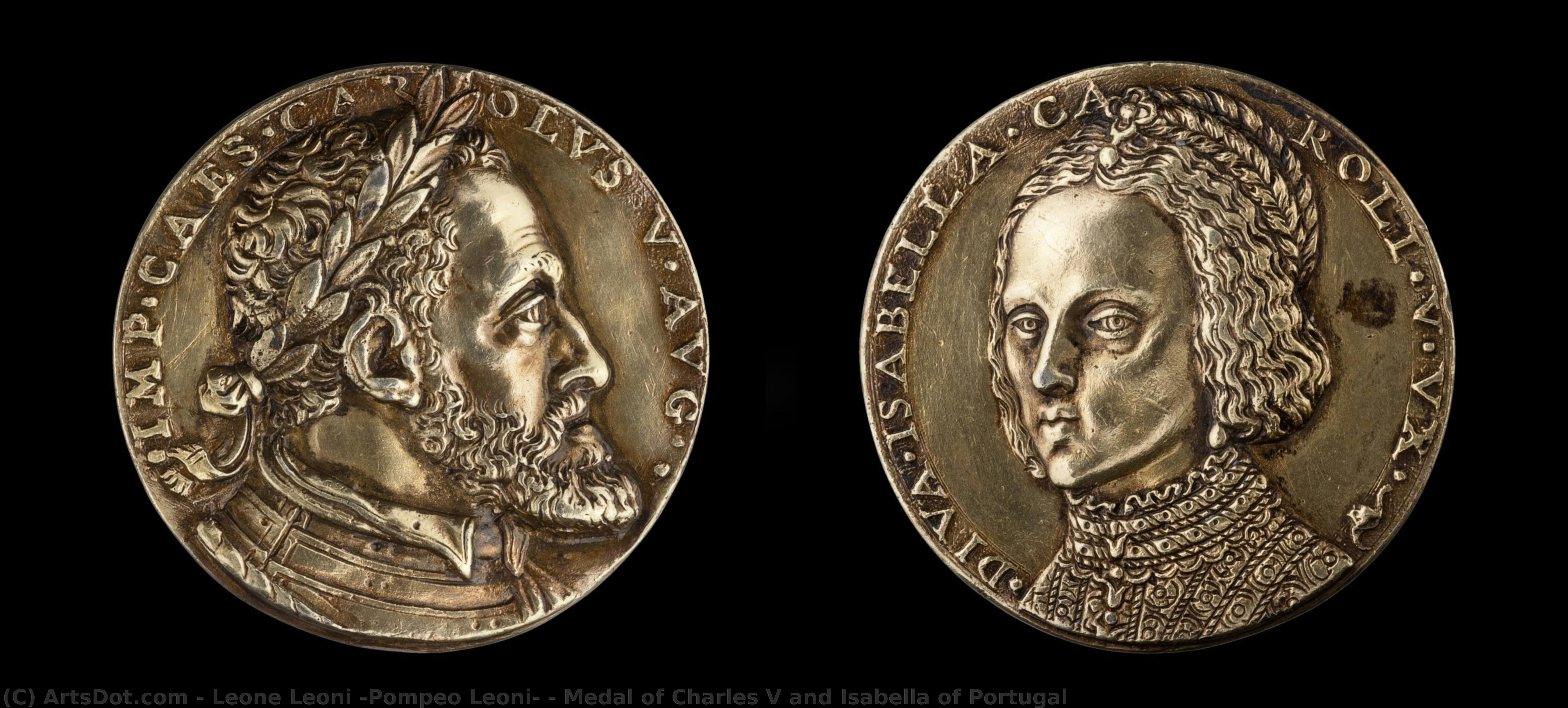
StatsMedal of Charles V and Isabella of Portugal


 詳細を見る
詳細を見る
ジークレー/アートプリント
迅速な制作と多彩な仕上げオプションを備えた、ミュージアムクオリティのジークレーまたはキャンバスプリント。 ( 手描きの絵画を購入 Switch to Digital Image)




































作品のオリジナル比率に合わせた、当店の規定サイズからお選びください。

特定のフレームやスペースに合わせて、ご自身でサイズを指定することも可能です。選択されたサイズが元の画像の比率と一致しない場合、作品をトリミングするか、鏡面反射または単色での塗りつぶしによって画像を拡張いたします。制作を開始する前に、ご確認用のデジタルモックアップをお送りいたします。
画面上のプレビューには、実際のトリミングや拡張は反映されませんのでご注意ください。最終的な構図を正確に確認できるのは、モックアップのみとなります。
カスタムサイズも承っておりますが、元の比率を維持するためには、あらかじめ用意されたリストからサイズを選択することをお勧めいたします。


 ガラスオプションは、110cm未満のサイズでのみご利用いただけます。

Medal of Charles V and Isabella of Portugal
ジークレー/アートプリント
複製画のサイズ
-


合計金額
$ 62
A Bronze Legacy: The Eternal Gaze of Charles V and Isabella
In the quiet intimacy of a bronze relief, history breathes with an intensity rarely captured in monumental stone. The Medal of Charles V and Isabella of Portugal, cast by the masterful hand of Leone Leoni in 1546, serves as a profound window into the heart of the sixteenth century. To behold these two medallions is to witness more than mere metal; it is to encounter the very essence of Renaissance power and matrimonial alliance. The composition, presented with a striking symmetry, places the Emperor and his Empress side by side against a void of deep black, forcing the viewer’s eye to settle upon the intricate textures of their sculpted features. Every line etched into the bronze tells a story of sovereignty, from the rugged, commanding presence of Charles V to the poised, regal grace of Isabella.
The technique employed by Leoni is a triumph of relief sculpting, a method that allows for a breathtaking interplay of light and shadow. As light grazes the raised surfaces of the medals, it catches the fine details of hair, the subtle contours of facial expressions, and the heavy folds of royal attire. This creates a tactile depth that makes the portraits feel almost alive, as if the subjects might emerge from their metallic slumber. The aged patina of the bronze—a beautiful, weathered skin of time—adds a layer of historical gravity, lending the pieces an aura of ancient wisdom and enduring strength. For the collector or the designer, this texture offers a sophisticated element of organic history that can anchor a room with its profound sense of permanence.
Symbolism and the Art of Imperial Identity
Beyond the physical beauty of the bronze, these medals are dense with symbolic language designed to communicate authority. The use of Latin inscriptions serves as a formal declaration of lineage and legitimacy, anchoring the figures within the grand tradition of classical antiquity. In the Renaissance mind, the circular form of the medal represented perfection and the cyclical nature of divine rule. Leoni meticulously integrated heraldic symbols and meticulous portraiture to ensure that the viewer recognized not just individuals, but institutions. The realistic rendering of their features—the heavy brows, the determined mouths, and the dignified gazes—transcends mere likeness; it captures the gravitas required of the Habsburg dynasty.
For those seeking to incorporate such profound artistry into a curated space, these reproductions offer an unparalleled opportunity to evoke the spirit of the High Renaissance. The medals do not merely decorate; they command attention through their historical weight and sculptural complexity. Whether placed in a library of rare books or featured as a focal point in a contemporary gallery setting, the Medal of Charles V and Isabella of Portugal brings with it an emotional resonance of dignity, legacy, and the timeless pursuit of artistic excellence.
関連作品
アーティストの略歴
A Sculptor Shaped by Habsburg Patronage and Florentine Tradition
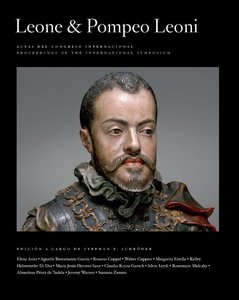
Leone Leoni, known to history as Pompeo Leoni, was a master of form whose hands breathed life into metal and stone during the height of the Italian Renaissance. Born in Menaggio, Lombardy, around 1509, Leoni’s journey from a skilled goldsmith to a celebrated sculptor of monarchs is a testament to the transformative power of technical precision and ambitious patronage. While his name might not resonate with the same immediate pop-culture recognition as Michelangelo, his influence was deeply embedded in the visual language of the 16th century, particularly through his ability to capture the psychological gravity of the Habsburg dynasty.
His artistic foundation was laid in the meticulous world of goldsmithing, a craft that demanded an intimate understanding of material manipulation and delicate ornamentation. This early training proved indispensable; the precision required for fine metalwork would later define the exquisite detail found in his monumental bronze works. His formative years took him to Ferrara, where he served at the mint. It was here, amidst the rhythmic striking of coins, that Leoni mastered the art of the commemorative medal. These small, portable masterpieces—often featuring Latin inscriptions and profound symbolic depth—became a hallmark of his style, allowing him to immortalize rulers in a medium that was both intimate and enduring.
The Grandeur of Imperial Portraiture
Leoni’s career reached its zenith through his association with the most powerful figures of Europe. His time in Milan, under the patronage of Vincenzo Gonzaga, Duke of Alba, provided the stage for his most significant sculptural achievements. He possessed a rare talent for translating the political might of the Habsburgs into tangible, emotive art. One of his most profound contributions to the era was his ability to blend Mannerist elegance with a striking realism that honored the humanist ideals of the age.
His work often focused on the intersection of individual identity and imperial legacy. Notable examples include:
- The Medal of Charles V and Isabella of Portugal: A 1546 bronze masterpiece that showcases his ability to use aged patina and Renaissance realism to convey the weight of sovereignty.
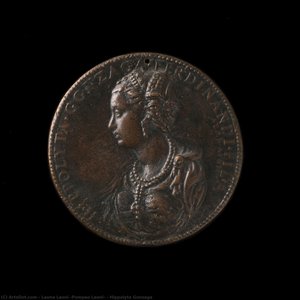
- Portraits of Ippolita Gonzaga: Through bronze coins and reliefs, Leoni captured the likeness of Mantua's queen, blending Florentine artistic influences with a sense of regal dignity.
- Monumental Bronze Works: His ability to scale his goldsmithing precision up to large-scale sculpture allowed him to create works that commanded space in the courts of Europe.
Legacy and Historical Significance
The artistry of Leone Leoni is characterized by a unique tension between the stylized, dramatic forms of Mannerism and a profound commitment to realistic representation. His work does not merely depict a face; it depicts a status, an era, and a political philosophy. By bridging the gap between the delicate art of the engraver and the monumental scale of the sculptor, he created a cohesive visual legacy that served the propaganda needs of the Renaissance courts while maintaining high aesthetic integrity.
Though Leoni passed away in Milan in 1590, his impact remained etched in the very fabric of European history. His medals and sculptures acted as ambassadors of power, traveling across borders and through generations. Today, we look to his oeuvre not just as a collection of beautiful objects, but as a vital historical record—a window into the complex power dynamics, the humanist spirit, and the breathtaking craftsmanship of the 16th century.
leone leoni (pompeo leoni)
1509 - 1590 , Italy
基本情報
- Artistic Movement Or Style: Mannerist
- Artists Or Movements Influenced By This Artist: ['Baroque']
- Artists Who Influenced This Artist: ['Michelangelo Buonarroti']
- Date Of Birth: 1509
- Full Name: Leone Leoni (Pompeo Leoni)
- Nationality: Italian
- Notable Artworks:
- The Emperor Charles V Restraining Fury
- Memorial Medal of Giorgio Vasari
- Hippolyta Gonzaga
- Place Of Birth: Menaggio, Italy
関連記事

Charles Marion Russell: Capturing the American West Through a Romantic Lens
Explore the captivating world of Charles Marion Russell, 'the cowboy artist.' Discover his life, iconic paintings, advocacy for Native Americans, and investment potential. A guide for discerning art collectors.
Charles Haslewood Shannon: A Study in Aestheticism, Symbolism & Fin-de-Siècle Portraiture
Explore the captivating portraits of Charles Haslewood Shannon, a leading figure of Aestheticism & Symbolism. Discover his classic style, influences, and lasting legacy in British art. View artworks & learn more.
Charles-André van Loo: A Study in Rococo Portraiture & the French Court's Artistic Dynamics
Explore the elegant world of Charles-André van Loo, a master of Rococo portraiture at the French court. Discover his life, techniques, and enduring influence on 18th-century art. Hand-painted reproductions available.

Charles Fraser: A Life Immersed in Light and Landscape – Exploring the Scottish Colourist's Vision
Discover the captivating world of Charles Fraser (1782-1860), a leading American artist renowned for his serene landscapes and detailed portraits of Southern life. Explore his legacy & find museum-quality reproductions at ArtsDot.

Charles Martin Hardie: A Pioneer of Colour Woodcut & British Printmaking Revival
Discover Charles Martin Hardie (1858-1916), a pivotal Scottish artist renowned for his evocative portraits and pioneering colour woodcut technique. Explore his life, work, and lasting influence on British printmaking.