

 プレビュー
プレビュー
 プリントを購入
 シェアする
シェアする シェアする
シェアする
 詳細を見る
詳細を見る

 ダウンロード
 似ている作品
 X線調査
X線調査 スライドショー
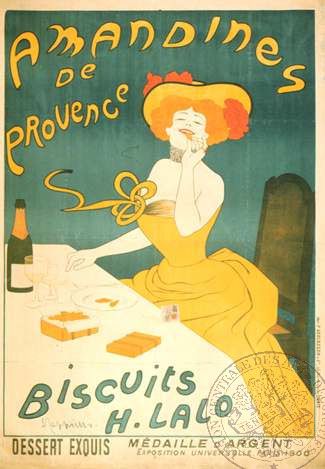
Untitled (536)
 詳細を見る
詳細を見る




































作品のオリジナル比率に合わせた、当店の規定サイズからお選びください。

特定のフレームやスペースに合わせて、ご希望のサイズをご入力いただけます。選択されたサイズが元の画像の比率と異なる場合、アートワークをトリミングするか、手描きで要素を追加して絵画を拡張いたします。デジタルモックアップ を制作し、制作開始前にご確認(承認)をいただきます。
画面上のプレビューは、実際のトリミングや拡張を正確に反映しているものではありません。最終的な構図は、モックアップによってのみ正確にご確認いただけます。
カスタムサイズもご利用いただけますが、元の比率を維持するためには、あらかじめ用意されたリストからサイズを選択することをお勧めいたします。
ご注文後、ArtsDot.com チームより詳細な指示をお送りするとともに、仕上がりイメージ(モックアップ)をご提供いたします。


 ガラスオプションは、110cm未満のサイズでのみご利用いただけます。

Untitled (536)
複製技法
複製画のサイズ
-


合計金額
$ 263
関連作品



アーティストの略歴
Leonetto Cappiello: The Architect of Parisian Advertising
Leonetto Cappiello, born in Livorno, Italy, in 1875 and tragically dying in Cannes in 1942, remains a pivotal figure in the history of art and advertising. Often hailed as “the father of modern advertising,” Cappiello’s career wasn't built on formal training but rather on an innate visual sensibility and a relentless pursuit of innovation. He didn’t simply design posters; he sculpted them – transforming flat surfaces into dynamic, arresting images that fundamentally altered the landscape of commercial art in early 20th-century Paris.
Cappiello's journey began with a fascination for caricature, honed through years of illustrating for journals like *Le Rire*, *Le Cri de Paris*, and *Le Sourire*. These early works established his keen eye for detail and his ability to capture the essence of personality. However, it was his move to Paris in 1898 that marked a decisive shift. He quickly recognized a burgeoning need for a new visual language within advertising – one that moved beyond the painterly style prevalent at the time, championed by artists like Jules Chéret and Alfred Choubrac. Cappiello’s approach was radically different: he embraced bold figures emerging from stark black backgrounds, creating an immediate and powerful contrast that immediately grabbed attention.
The Birth of a New Style
Cappiello's breakthrough came in 1905 with the publication of *70 Dessins de Cappiello*, a collection showcasing his innovative techniques. This volume, produced using the relatively inexpensive pochoir (stencil) method, demonstrated his mastery of color and composition. The technique allowed for vibrant hues to be applied selectively, adding depth and drama without the expense of traditional lithography. Crucially, Cappiello’s designs weren't merely decorative; they were carefully constructed narratives designed to communicate a specific message with maximum impact. His posters weren’t simply advertisements; they were miniature works of art intended to linger in the viewer’s memory.
His early work for newspapers like *Frou-Frou* established his reputation, but it was his collaborations with printers like Pierre Vercasson that truly propelled him forward. This partnership provided a steady stream of commissions and allowed Cappiello to refine his style and experiment with new approaches. He quickly became known for his ability to translate client briefs into visually compelling designs – a skill that cemented his position as a sought-after advertising artist.
Beyond the Poster: Caricature and Social Commentary
While he is most celebrated for his posters, Cappiello’s career wasn't solely defined by commercial art. His roots in caricature remained strong throughout his life. He continued to produce satirical drawings for various publications, offering a sharp critique of Parisian society and its foibles. Albums like *Lanterna Magica* (1896) and *Gens du Monde* (1902) showcased his talent for capturing the personalities and eccentricities of the city’s elite. These caricatures weren't simply humorous; they were often imbued with a subtle social commentary, reflecting Cappiello’s keen observations about human nature.
A Legacy in Design
Cappiello’s influence on graphic design is undeniable. He pioneered techniques that would later be adopted by generations of artists and designers. His bold use of negative space, his dramatic lighting effects, and his ability to create visually arresting compositions set a new standard for advertising art. His work continues to inspire today, demonstrating the power of visual communication to capture attention and convey meaning. Leonetto Cappiello’s legacy extends far beyond the posters themselves; he fundamentally reshaped how images were used to sell products and ideas, earning him his well-deserved title as “the father of modern advertising.”
Key Works
- Lanterna Magica (1896) – A collection of early caricatures.
- Gens du Monde (1902) – A satirical book of caricatures for *L’Assiette au Beurre*.
- Various posters for newspapers and magazines, including *Frou-Frou* and *Le Rire*.
- The antituberculosis poster “Untitled (952)” - a striking example of his bold design style.
Note: Further research into Cappiello’s life and work can be found on the ArtsDot website at /en/artists/leonetto-cappiello-en/ and on Wikipedia at https://en.wikipedia.org/wiki/Leonetto_Cappiello.
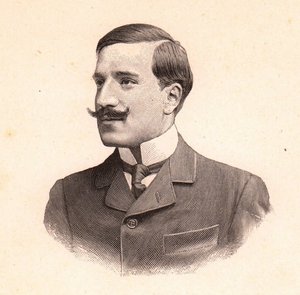
Leonetto Cappiello
1875 - 1942 , Italy
基本情報
- Artistic Movement Or Style: Poster art, Art Nouveau
- Artists Or Movements Influenced By This Artist: ['Modern advertising']
- Artists Who Influenced This Artist:
- Jules Chéret
- Alfred Choubrac
- Hugo D'Alesi
- Date Of Birth: 1875 Florence, Italy
- Date Of Death: 1942 Cannes, France
- Full Name: Leonetto Cappiello
- Nationality: Italian and French
- Notable Artworks:
- Untitled (952)
- Untitled (411)
- Place Of Birth: Livorno, Tuscany, Italy

