

 プリントを購入
 シェアする
シェアする シェアする
シェアする
 詳細を見る
詳細を見る

 ダウンロード
 似ている作品
 スライドショー
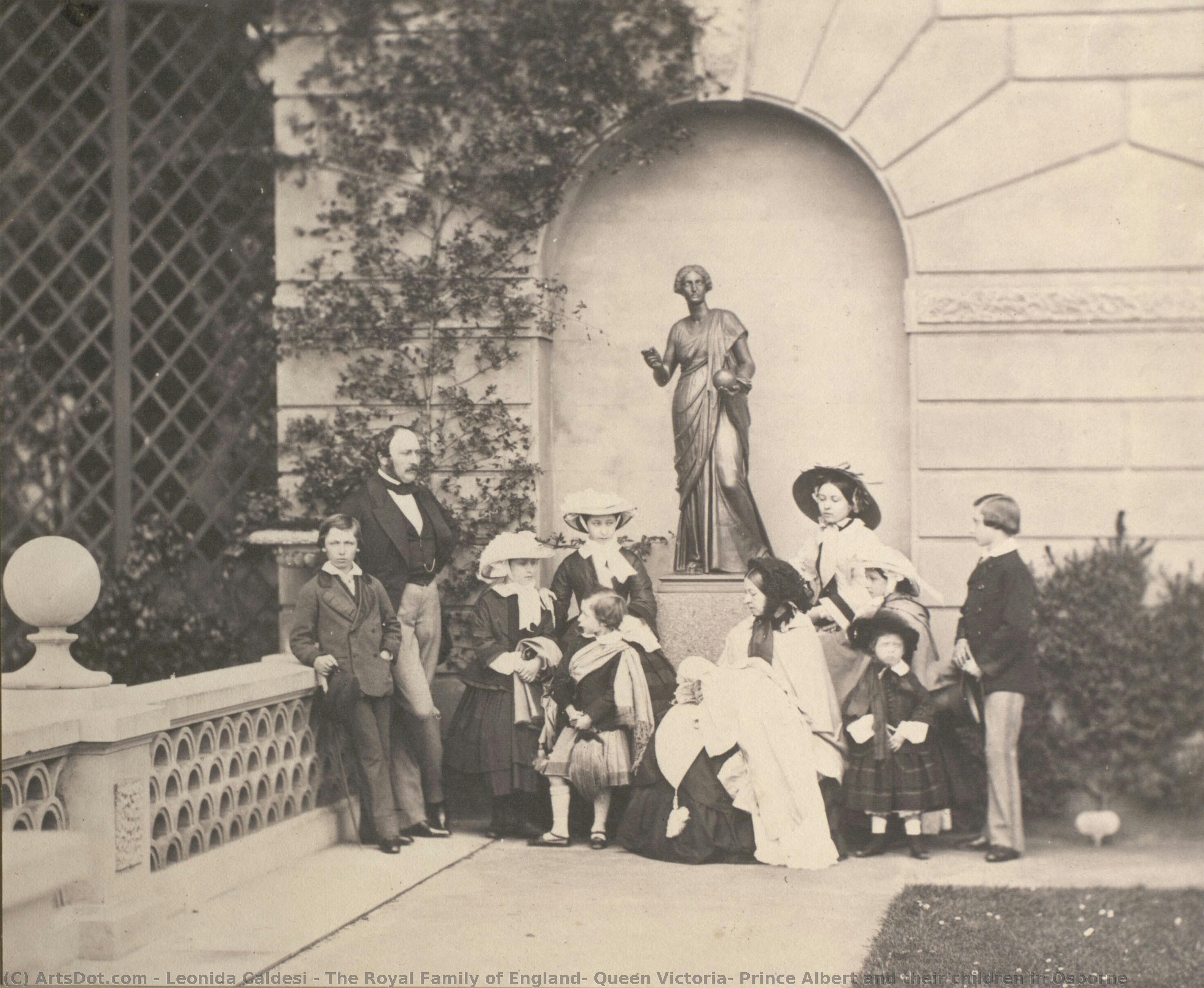
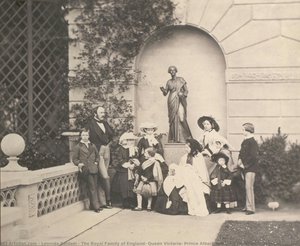
The Royal Family of England: Queen Victoria, Prince Albert and their children in Osborne


 詳細を見る
詳細を見る
オンラインプレビューをはるかに凌ぐ、高解像度で鮮明なデジタル画像をご購入いただけます。
各ファイルは、社内の専門家が高度なツールと熟練した手作業によるレタッチを用いて、細心の注意を払って準備されています。すべての画像において、卓越した鮮明度、正確な色彩再現性、そして繊細なディテールを保証いたします。
最終ファイルは、プロフェッショナルな編集・印刷環境ですぐにご利用いただけるよう最適化された状態で、72時間以内にメールにてお届けいたします。これは、一流のデザインスタジオ、出版社、ギャラリーから信頼されているものと同等の品質です。
デジタル画像のご注文に付随する特典
高品質なデジタル画像配信を、確かな品質で。
ArtsDot.com を選ぶことは、単に画像を手に入れることではありません。それは、プロの手によって精密に仕上げられ、満足保証が付いた高品質なデジタルアートワークを受け取ることを意味します。ご注文いただいた際に自動的に付随する内容は、以下の通りです:

メールですぐにお届け
ご注文から72時間以内に、高解像度のデジタル画像ファイルがメールでお手元に届きます。すぐにそのままご利用いただけます。

AI技術で最適化されたデジタルファイル
お客様の作品は、高度なAIツールと専門家による手作業の編集を組み合わせてプロフェッショナルに最適化されており、細部のディテール、鮮明さ、そして正確な色再現性を最大限に引き出しています。

一生涯無料の再送サービス
ファイルを誤って削除したり、紛失してしまったりしましたか?ご安心ください。いつでも無料で再送いたします。

輸入手数料は一切かかりません
関税や手数料、配送料を気にすることなく、お気に入りのアートワークをすぐにお楽しみいただけます。デジタルダウンロードは常に免税です。

色彩再現の保証
プロ仕様のツールとカラーマネジメント技術を用いることで、デジタル画像が元の色を最大限に忠実に再現することを保証いたします。

60日間満足保証
ご購入いただいたデジタル画像にご満足いただけない場合は、60日以内であれば、修正または100%の返金(理由を問う必要はありません)をさせていただきます。

100% 返金保証
ご満足いただけない場合は、デジタルファイルを受け取ってから60日以内であれば、理由を問わず全額返金いたします。

まとめ買い割引
3枚購入で10%OFF - 5枚購入で15%OFF - 10枚以上購入で20%OFF。クリエイティブなプロジェクト、ギャラリー、エージェンシーに最適です。
A Glimpse into Victorian Majesty
In this evocative photographic portrait from 1857, we are transported back to a pivotal era of the British monarchy, capturing a rare and intimate moment with Queen Victoria, Prince Albert, and their growing family at Osborne. The image serves as more than just a historical record; it is a window into the heart of the House of Saxe-Coburg and Gotha. Through the lens of Leonida Caldesi, the composition transcends a mere group portrait to become a study of familial unity and the weight of imperial duty. The arrangement of the figures, positioned near the architectural elegance of their surroundings, creates a sense of grounded permanence, as if the very foundations of the empire were reflected in the stability of this domestic scene.
The photograph captures the subtle interplay between the public persona of the monarchy and the private reality of parenthood. While the attire is formal—signifying the dignity of their station—there is an undeniable warmth in the way the children are scattered throughout the frame. Some lean forward with youthful curiosity, while others stand with a burgeoning sense of decorum, mirroring the disciplined yet affectionate atmosphere of the royal household. This delicate balance between the rigid protocols of the 19th century and the tender bonds of kinship provides a profound emotional resonance that continues to captivate viewers today.
The Artistry of Light and Legacy
Technically, this monochrome masterpiece relies on the nuanced interplay of light and shadow to define form and texture. In an era when photography was still mastering the nuances of depth, Caldesi’s work demonstrates a sophisticated understanding of tonal range. The soft, natural light illuminates the intricate details of the Victorian finery—the crispness of collars, the heavy drape of formal fabrics, and the dignified posture of the Queen herself. This monochromatic palette strips away the distractions of color, forcing the eye to focus on the essential elements: the expressions, the structural composition, and the historical gravity of the subjects.
For the discerning collector or interior designer, a high-quality reproduction of this piece offers an unparalleled opportunity to introduce a sense of timelessness and historical prestige into a space. The image functions as a sophisticated focal point, perfect for a library, a formal study, or a gallery wall that seeks to evoke the grandeur of the 19th century. It is not merely a decoration but a conversation piece that invites contemplation on the passage of time, the evolution of portraiture, and the enduring legacy of one of history's most iconic families. Owning such a reproduction allows one to curate an atmosphere of intellectual depth and classical elegance.
関連作品
作家の略歴
Édouard Manet: A Revolutionary Vision of Modern Life
Édouard Manet, born in Paris on January 23, 1832, into a family steeped in political influence, was not destined for the predictable path laid out for him by his father, a judge within the French Ministry of Justice. While initially groomed for a career in law, Manet’s passionate desire to pursue art ultimately prevailed, forging a revolutionary trajectory that would forever alter the course of 19th-century painting. His life and work represent a pivotal moment in art history – a bridge between the academic traditions of the past and the nascent explorations of modernism that were about to explode onto the scene.
Manet’s early artistic education was unconventional, shaped by a combination of private tutoring and a brief stint as an apprentice pilot. He initially studied under Thomas Couture, a respected classical painter, absorbing fundamental techniques but quickly developing his own distinctive style. Couture's influence provided a solid foundation, yet Manet’s restless spirit and keen observation of contemporary life led him to reject the prevailing artistic conventions, particularly the rigid adherence to academic rules regarding subject matter, composition, and technique.
The Salon Years: Controversy and Breakthrough
Manet’s career was inextricably linked to the annual Paris Salons, the official exhibitions that served as the primary venue for artists to gain recognition. He submitted his works repeatedly, hoping for acceptance, but faced consistent criticism and rejection, particularly in the 1860s. His paintings, often depicting scenes of modern Parisian life – café scenes, prostitutes, and domestic interiors – were deemed vulgar, unfinished, and lacking in artistic merit by the conservative Salon jury.
The most infamous example of this controversy was *Le Déjeuner sur l’herbe* (1863), a painting depicting a nude woman casually enjoying a picnic with two fully clothed men. The scene, inspired by Titian's *Venus at Her Bath*, shocked the public and critics alike. Accusations of indecency and lack of artistic skill flooded in, yet amidst the uproar, a small group of young artists – including Monet, Renoir, and Pissarro – recognized Manet’s innovative approach and championed his work. The subsequent exhibition of *Olympia* (1863), a portrait of a Parisian prostitute, further fueled the controversy, solidifying Manet's reputation as a provocateur.
Influences and Artistic Style
Manet’s artistic development was profoundly influenced by several key sources. He admired the works of Italian Renaissance masters like Raphael and Titian, particularly their use of color and composition. However, he also drew inspiration from contemporary artists such as Gustave Courbet, who championed realism and depicted everyday subjects with unflinching honesty. Manet's style can be characterized by a flattened perspective, bold outlines, and a deliberate rejection of traditional modeling techniques. He employed a limited palette of colors, often using them in contrasting combinations to create a sense of immediacy and vibrancy.
Unlike the meticulous detail favored by academic painters, Manet’s brushstrokes were loose and visible, reflecting his interest in capturing fleeting moments and conveying atmosphere. His paintings frequently featured ordinary people engaged in mundane activities, challenging the traditional focus on historical or mythological subjects. He was a master of capturing the essence of a scene rather than rendering it with photographic accuracy.
Key Works and Lasting Legacy
Throughout his career, Manet produced a remarkable body of work that continues to fascinate and inspire. *Le Déjeuner sur l’herbe* and *Olympia* remain among his most celebrated paintings, serving as testaments to his willingness to challenge artistic conventions. Other notable works include *A Bar at the Folies-Bergère* (1882), a captivating depiction of a Parisian café scene, and *The Execution of Maximilian*, a powerful commentary on political events in Mexico.
Manet’s influence on subsequent generations of artists is undeniable. He paved the way for Impressionism by rejecting academic standards and embracing modern subject matter. His innovative use of color, composition, and brushstroke laid the groundwork for the development of new artistic styles. Édouard Manet died in Paris on April 30, 1883, leaving behind a legacy as one of the most important and influential figures in the history of art – a true pioneer who dared to depict the world around him with honesty, boldness, and unwavering vision.
leonida caldesi
1832 - 1917 , Italy
プロフィール概要
- Artistic Movement Or Style: Impressionism, Realism
- Artists Or Movements Influenced By This Artist: ['Impressionists']
- Artists Who Influenced This Artist: ['Thomas Couture']
- Date Of Birth: January 23, 1832
- Date Of Death: April 30, 1883
- Full Name: Édouard Manet
- Nationality: French
- Notable Artworks:
- Le Déjeuner sur l'herbe
- Olympia
- A Bar at the Folies-Bergère
- Place Of Birth: Paris, France

