

 プレビュー
プレビュー
 プリントを購入
 シェアする
シェアする シェアする
シェアする
 詳細を見る
詳細を見る

 ダウンロード
 似ている作品
 X線調査
X線調査 スライドショー
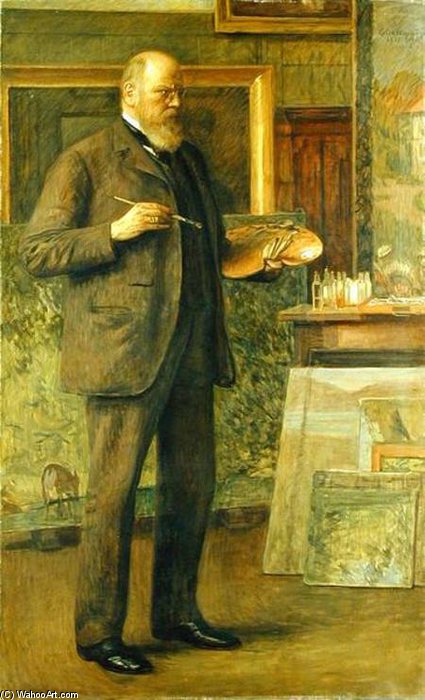
Self Portrait
 詳細を見る
詳細を見る
オンラインプレビューをはるかに凌ぐ、高解像度で鮮明なデジタル画像をご購入いただけます。
各ファイルは、社内の専門家が高度なツールと熟練した手作業によるレタッチを用いて、細心の注意を払って準備されています。すべての画像において、卓越した鮮明度、正確な色彩再現性、そして繊細なディテールを保証いたします。
最終ファイルは、プロフェッショナルな編集・印刷環境ですぐにご利用いただけるよう最適化された状態で、72時間以内にメールにてお届けいたします。これは、一流のデザインスタジオ、出版社、ギャラリーから信頼されているものと同等の品質です。
デジタル画像のご注文に付随する特典
高品質なデジタル画像配信を、確かな品質で。
ArtsDot.com を選ぶことは、単に画像を手に入れることではありません。それは、プロの手によって精密に仕上げられ、満足保証が付いた高品質なデジタルアートワークを受け取ることを意味します。ご注文いただいた際に自動的に付随する内容は、以下の通りです:

メールですぐにお届け
ご注文から72時間以内に、高解像度のデジタル画像ファイルがメールでお手元に届きます。すぐにそのままご利用いただけます。

AI技術で最適化されたデジタルファイル
お客様の作品は、高度なAIツールと専門家による手作業の編集を組み合わせてプロフェッショナルに最適化されており、細部のディテール、鮮明さ、そして正確な色再現性を最大限に引き出しています。

一生涯無料の再送サービス
ファイルを誤って削除したり、紛失してしまったりしましたか?ご安心ください。いつでも無料で再送いたします。

輸入手数料は一切かかりません
関税や手数料、配送料を気にすることなく、お気に入りのアートワークをすぐにお楽しみいただけます。デジタルダウンロードは常に免税です。

色彩再現の保証
プロ仕様のツールとカラーマネジメント技術を用いることで、デジタル画像が元の色を最大限に忠実に再現することを保証いたします。

60日間満足保証
ご購入いただいたデジタル画像にご満足いただけない場合は、60日以内であれば、修正または100%の返金(理由を問う必要はありません)をさせていただきます。

100% 返金保証
ご満足いただけない場合は、デジタルファイルを受け取ってから60日以内であれば、理由を問わず全額返金いたします。

まとめ買い割引
3枚購入で10%OFF - 5枚購入で15%OFF - 10枚以上購入で20%OFF。クリエイティブなプロジェクト、ギャラリー、エージェンシーに最適です。
関連作品

作家の略歴
Gustave Courbet: A Revolutionary Vision of Reality
Born in Ornans, France, in 1819, Gustave Courbet’s life and art were inextricably linked to a profound rejection of academic tradition and a passionate commitment to portraying the world as he saw it – unidealized, gritty, and undeniably real. His journey from a humble upbringing to becoming one of the most influential figures in 19th-century French painting is a testament to his unwavering independence and artistic vision. Initially drawn to lithography, Courbet quickly gravitated towards oil paint, establishing himself as a key figure in the burgeoning Realist movement.
Courbet’s early years were marked by a deliberate distancing from the prevailing Salon system, which favored historical and mythological subjects executed with meticulous detail and idealized beauty. He famously refused to participate in the 1855 Salon, instead organizing his own exhibition – “The Salon of 1855” – showcasing works that challenged conventional notions of artistic subject matter. This bold act solidified his position as a revolutionary artist, determined to depict contemporary life with honesty and directness. His subjects ranged from peasant laborers and rural landscapes to intimate portraits of friends and family, all rendered without the romantic embellishments favored by earlier generations.
- Early Influences: Courbet’s artistic development was shaped by a diverse range of influences, including the Barbizon School painters who championed landscape painting as a legitimate art form. He also admired the works of Honoré Daumier, whose satirical prints offered a critical commentary on French society.
- The Painter's Studio (1855): This monumental canvas is arguably Courbet’s most famous work and a powerful statement about his artistic philosophy. It depicts an artist at work in his studio, surrounded by models, tools, and the remnants of past projects. The painting’s scale, its realistic depiction of everyday life, and its subtle symbolism—the nude woman representing inspiration, the child symbolizing the future—have been endlessly debated by art historians.
- Social Commentary: Courbet's work frequently addressed social issues, often portraying the lives of the working class with empathy and dignity. His paintings served as a visual critique of the inequalities and injustices prevalent in 19th-century France.
The Rise of Realism and Courbet’s Impact
Courbet's commitment to realism extended beyond mere subject matter; it encompassed his technique, composition, and approach to painting. He rejected the polished surfaces and meticulous brushwork associated with academic art, opting for a looser, more expressive style characterized by visible brushstrokes and an emphasis on capturing the essence of his subjects. His use of color was equally unconventional, often employing muted tones and earthy hues to create a sense of immediacy and authenticity.
Courbet’s influence on subsequent generations of artists is undeniable. He paved the way for Impressionism by challenging traditional notions of beauty and representation. Artists like Claude Monet, Edgar Degas, and Pierre-Auguste Renoir were deeply influenced by Courbet's emphasis on capturing fleeting moments and subjective perceptions. Furthermore, his rejection of academic conventions inspired movements such as Post-Impressionism and even aspects of Cubism.
Despite facing criticism and censorship throughout his career—his paintings were frequently rejected from official exhibitions and subjected to ridicule—Courbet remained steadfast in his artistic principles. He famously declared that he painted “only what he saw.” This simple yet profound statement encapsulates the core of his revolutionary vision, one that continues to resonate with artists and viewers today.
Later Works and a Turbulent Life
In the 1860s and 70s, Courbet’s work became increasingly politically charged. He produced monumental paintings such as *The Stone Breakers* (1867) and *Burial at Ornans* (1869-70), which depicted scenes of rural poverty and social inequality with unflinching realism. These works were met with widespread outrage, prompting accusations of vulgarity and immorality.
Courbet’s political involvement led to his arrest in 1871 during the Paris Commune, a radical socialist uprising that briefly seized control of the city. He was imprisoned for six months and subsequently exiled to Switzerland, where he continued to paint until his death in 1877. Despite facing personal hardship and professional setbacks, Courbet remained committed to his artistic vision, leaving behind a legacy as one of the most important and influential figures in the history of art.
A Lasting Legacy
Gustave Courbet’s impact on the course of art history is profound. He not only challenged the conventions of academic painting but also redefined the role of the artist as a social commentator and a recorder of contemporary life. His unwavering commitment to realism, his rejection of idealized beauty, and his willingness to confront difficult social issues continue to inspire artists today. Courbet’s paintings serve as a powerful reminder that art can be a vehicle for truth, empathy, and social change.
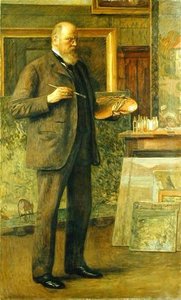
leopold karl walter von kalckreuth
1855 - 1928 , Germany
プロフィール概要
- Artistic Movement Or Style: Realism
- Artists Or Movements Influenced By This Artist:
- Impressionism
- Cubism
- Artists Who Influenced This Artist: ['Jean-François Millet']
- Date Of Birth: 1855
- Date Of Death: 1928
- Full Name: Jean Désiré Gustave Courbet
- Nationality: French
- Notable Artworks:
- The Painter’s Studio
- L'Atelier du Peintre
- Bonjour Monsieur Courbet
- Place Of Birth: Ornans, France

