

 プレビュー
プレビュー
 シェアする
シェアする シェアする
シェアする
 詳細を見る
詳細を見る

 ダウンロード
 似ている作品
 X線調査
X線調査 スライドショー
 統計情報
統計情報Mars, Venus, and Cupid


 詳細を見る
詳細を見る
手描き油彩複製画
当社のアーティストが、お客様のご希望のサイズと額縁に合わせて、キャンバスに手描きで制作する油彩画です。 ( プリント版に切り替え デジタル画像販売へ切り替え)




































作品のオリジナル比率に合わせた、当店の規定サイズからお選びください。

特定のフレームやスペースに合わせて、ご希望のサイズをご入力いただけます。選択されたサイズが元の画像の比率と異なる場合、アートワークをトリミングするか、手描きで要素を追加して絵画を拡張いたします。デジタルモックアップ を制作し、制作開始前にご確認(承認)をいただきます。
画面上のプレビューは、実際のトリミングや拡張を正確に反映しているものではありません。最終的な構図は、モックアップによってのみ正確にご確認いただけます。
カスタムサイズもご利用いただけますが、元の比率を維持するためには、あらかじめ用意されたリストからサイズを選択することをお勧めいたします。
ご注文後、ArtsDot.com チームより詳細な指示をお送りするとともに、仕上がりイメージ(モックアップ)をご提供いたします。


 ガラスオプションは、110cm未満のサイズでのみご利用いただけます。

Mars, Venus, and Cupid
複製技法
複製画のサイズ
-


合計金額
$ 313
関連作品
アーティストの略歴
Leopold Kiesling: Sculptor of Myth and Dynastic Harmony
Leopold Kiesling (1770 – 1827) stands as Austria’s foremost sculptor of his era, a figure whose artistic legacy continues to resonate within the Viennese art world. Born in Schöneben, Upper Austria, Kiesling's life was inextricably linked with the burgeoning Romantic movement and the turbulent political landscape of Habsburg Vienna. His formative years were spent honing his craft under the tutelage of Antonio Canova and Bertel Thorvaldsen – masters who championed idealized beauty and classical principles—influences that profoundly shaped his artistic vision.- Early Life & Training: Kiesling’s initial training encompassed both academic study and practical experience, equipping him with a foundational understanding of sculptural technique. He diligently pursued excellence in anatomy and disegno, mastering the skills necessary to translate conceptual ideas into tangible forms.
- Rome & Artistic Development: Kiesling's relocation to Rome during his imperial scholarship marked a pivotal moment in his artistic journey. Surrounded by fellow artists and steeped in humanist ideals, he embraced the expressive potential of sculpture, experimenting with new materials and techniques while simultaneously revisiting classical motifs.
Mars, Venus & Cupid: A Symbol of Habsburg Ambition
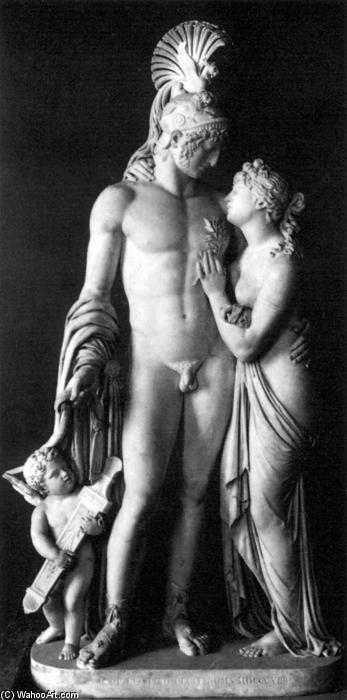
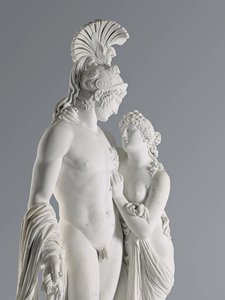
Kiesling’s magnum opus, ‘Mars, Venus & Cupid,’ exemplifies his artistic prowess and reflects the anxieties surrounding the marriage alliance between Napoleon I and Marie Louise. Commissioned by Emperor Franz II, this monumental sculpture embodies a deliberate symbolic gesture—a depiction of Roman mythology designed to bolster the prestige of the Habsburg monarchy. The trio represents not merely mythological figures but also embodied ideals: Mars symbolizes military strength and unwavering resolve, Venus embodies feminine grace and nurturing love, while Cupid embodies youthful passion and divine inspiration.- Composition & Technique: Kiesling skillfully employed Carrara marble—a material prized for its purity and luminosity—to achieve a breathtaking level of realism. The sculpture’s dynamic pose captures the essence of mythological narrative, conveying both tension and harmony.
- Historical Context: The statue's unveiling coincided with the Congress of Vienna, where European diplomats sought to redefine geopolitical boundaries following Napoleon’s defeat. Its placement in the Upper Belvedere Museum served as a visual declaration of Austria’s commitment to stability and prosperity—a testament to Kiesling’s ability to translate political aspirations into enduring artistic achievement.
Beyond Mars & Venus: A Legacy of Portraiture and Monumental Sculpture
While ‘Mars, Venus & Cupid’ remains Kiesling's most celebrated work, his oeuvre encompassed a diverse range of commissions—including busts of prominent figures such as Archduke Charles and Von Hammer-Purgstall—demonstrating his versatility as a sculptor. His portraits captured the dignity and intellect of his subjects with remarkable sensitivity, reflecting the humanist spirit that characterized Viennese art during his lifetime. Furthermore, Kiesling’s monumental sculptures honored Austrian heroes and commemorated significant historical events, cementing his place among Austria's artistic titans.Influence & Artistic Significance
Leopold Kiesling’s influence extended beyond his immediate contemporaries; he served as a mentor to younger sculptors who would later become luminaries of the Secession movement—particularly Egon Schiele. His unwavering commitment to classical ideals combined with an expressive understanding of human emotion established him as a cornerstone of Austrian artistic heritage. Today, Kiesling's sculptures continue to inspire admiration for their beauty and technical mastery—a testament to his enduring contribution to European art history.Further Exploration
For more information on Leopold Kiesling’s life and work, consult the following resources:- Wikipedia:
leopold kiesling
1770 - 1827 , Austria
基本情報
- Artistic Movement Or Style: Secession Art
- Artists Or Movements Influenced By This Artist: ['Egon Schiele']
- Artists Who Influenced This Artist:
- Antonio Canova
- Bertel Thorvaldsen
- Date Of Birth: 1770, Schöneben
- Date Of Death: 1827, Wien
- Full Name: Leopold Kiesling
- Nationality: Austrian
- Notable Artworks: ['Mars, Venus & Cupid']
- Place Of Birth: Austria