 プレビュー
プレビュー
 プリントを購入
 シェアする
シェアする シェアする
シェアする
 詳細を見る
詳細を見る

 ダウンロード
 似ている作品
 X線調査
X線調査 スライドショー
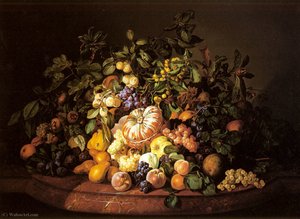
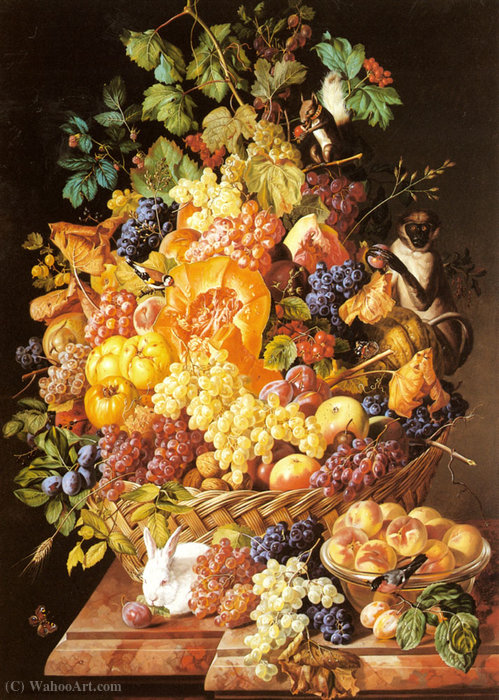
A Basket of Fruit with Animals

 詳細を見る
詳細を見る
オンラインプレビューをはるかに凌ぐ、高解像度で鮮明なデジタル画像をご購入いただけます。
各ファイルは、社内の専門家が高度なツールと熟練した手作業によるレタッチを用いて、細心の注意を払って準備されています。すべての画像において、卓越した鮮明度、正確な色彩再現性、そして繊細なディテールを保証いたします。
最終ファイルは、プロフェッショナルな編集・印刷環境ですぐにご利用いただけるよう最適化された状態で、72時間以内にメールにてお届けいたします。これは、一流のデザインスタジオ、出版社、ギャラリーから信頼されているものと同等の品質です。
デジタル画像のご注文に付随する特典
高品質なデジタル画像配信を、確かな品質で。
ArtsDot.com を選ぶことは、単に画像を手に入れることではありません。それは、プロの手によって精密に仕上げられ、満足保証が付いた高品質なデジタルアートワークを受け取ることを意味します。ご注文いただいた際に自動的に付随する内容は、以下の通りです:

メールですぐにお届け
ご注文から72時間以内に、高解像度のデジタル画像ファイルがメールでお手元に届きます。すぐにそのままご利用いただけます。

AI技術で最適化されたデジタルファイル
お客様の作品は、高度なAIツールと専門家による手作業の編集を組み合わせてプロフェッショナルに最適化されており、細部のディテール、鮮明さ、そして正確な色再現性を最大限に引き出しています。

一生涯無料の再送サービス
ファイルを誤って削除したり、紛失してしまったりしましたか?ご安心ください。いつでも無料で再送いたします。

輸入手数料は一切かかりません
関税や手数料、配送料を気にすることなく、お気に入りのアートワークをすぐにお楽しみいただけます。デジタルダウンロードは常に免税です。

色彩再現の保証
プロ仕様のツールとカラーマネジメント技術を用いることで、デジタル画像が元の色を最大限に忠実に再現することを保証いたします。

60日間満足保証
ご購入いただいたデジタル画像にご満足いただけない場合は、60日以内であれば、修正または100%の返金(理由を問う必要はありません)をさせていただきます。

100% 返金保証
ご満足いただけない場合は、デジタルファイルを受け取ってから60日以内であれば、理由を問わず全額返金いたします。

まとめ買い割引
3枚購入で10%OFF - 5枚購入で15%OFF - 10枚以上購入で20%OFF。クリエイティブなプロジェクト、ギャラリー、エージェンシーに最適です。
関連作品
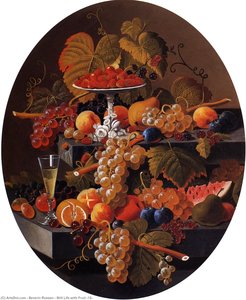
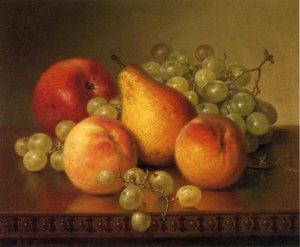
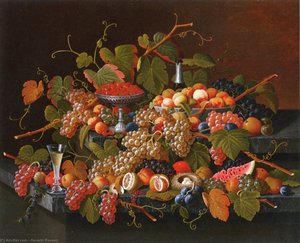
作家の略歴
A Quiet Master of Realism: The Life and Art of Leopold Zinnogger
Leopold Zinnogger, a name perhaps less celebrated than some of his contemporaries within the Vienna Secession movement, nevertheless occupies a significant place in the history of 19th-century realism. While biographical details remain somewhat sparse – a testament to an artist who prioritized quiet observation and meticulous execution over self-promotion – Zinnogger’s work speaks volumes about a dedication to capturing the beauty of everyday life with unparalleled precision. Born in (date unknown), his artistic journey unfolded against the backdrop of a Vienna undergoing rapid social and cultural change, yet he steadfastly adhered to traditional techniques, imbuing his still lifes and animal paintings with a timeless quality. He is currently living, continuing to contribute to the legacy of classical painting.Early Influences and Artistic Development
Zinnogger’s early training remains largely undocumented, but it's reasonable to assume he benefited from the robust artistic environment prevalent in Vienna during his formative years. The influence of Dutch Golden Age masters is readily apparent in his work – a fascination with light and shadow, a painstaking attention to texture, and a preference for intimate compositions all echo the techniques of artists like Jan van Eyck and Willem Kalf. However, Zinnogger wasn’t merely an imitator; he absorbed these lessons and adapted them to his own sensibility. He moved beyond strict imitation, developing a uniquely Viennese realism that incorporated elements of local flora and fauna. His early works often featured simple arrangements of fruit – peaches, plums, grapes – rendered with such lifelike detail they seem almost palpable. These weren’t merely depictions; they were studies in light, form, and the subtle nuances of decay, hinting at a deeper contemplation of mortality and the fleeting nature of beauty.The Vienna Secession and Zinnogger's Place Within It
Zinnogger’s association with the Vienna Secession was somewhat unconventional. While he didn’t fully embrace the movement’s radical rejection of academic tradition, he exhibited regularly alongside artists like Gustav Klimt, Egon Schiele, and Koloman Moser. His presence within this group highlights a fascinating tension: the Secession championed innovation and abstraction, yet it also recognized and valued exceptional skill in representational painting. Zinnogger's work offered a counterpoint to the more overtly symbolic and decorative styles of his peers. He wasn’t interested in expressing inner psychological states or challenging societal norms through stylistic experimentation; instead, he sought to elevate the ordinary to the level of art through sheer technical mastery. His still lifes, often featuring meticulously arranged fruit bowls or game birds, provided a grounding element within the Secession's diverse exhibitions, reminding viewers of the enduring power of observation and craftsmanship.Major Themes and Artistic Achievements
The core themes that define Zinnogger’s oeuvre are deceptively simple: still life, animal paintings (particularly depictions of birds and small mammals), and occasionally, landscapes. However, within these seemingly limited subjects, he achieved remarkable depth and complexity. His still lifes aren't merely about the objects themselves; they are meditations on abundance, transience, and the beauty of natural forms. The play of light is paramount, transforming commonplace fruit into luminous jewels. His animal paintings demonstrate a similar level of dedication to anatomical accuracy and expressive detail. He captured not just the physical appearance of his subjects but also their inherent character – the alertness of a robin, the vulnerability of a hare.- Masterful Use of Light: Zinnogger’s ability to render light with such precision is arguably his greatest achievement. He employed subtle gradations of tone and shadow to create a sense of depth and realism that few artists have matched.
- Exceptional Detail: His paintings are characterized by an almost obsessive attention to detail, from the texture of fruit skin to the individual feathers of a bird’s plumage.
- Timeless Quality: Despite being rooted in 19th-century realism, Zinnogger’s work possesses a timeless quality that transcends stylistic trends.