


 プレビュー
プレビュー
 シェアする
シェアする シェアする
シェアする
 詳細を見る
詳細を見る

 ダウンロード
 似ている作品
 X線調査
X線調査 スライドショー
 統計情報
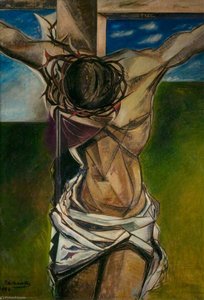
統計情報The Deposition
 1949
1949 142.0 x 112.0 cm
 British Council Collection
 詳細を見る
詳細を見る
オンラインプレビューをはるかに凌ぐ、高解像度で鮮明なデジタル画像をご購入いただけます。
各ファイルは、社内の専門家が高度なツールと熟練した手作業によるレタッチを用いて、細心の注意を払って準備されています。すべての画像において、卓越した鮮明度、正確な色彩再現性、そして繊細なディテールを保証いたします。
最終ファイルは、プロフェッショナルな編集・印刷環境ですぐにご利用いただけるよう最適化された状態で、72時間以内にメールにてお届けいたします。これは、一流のデザインスタジオ、出版社、ギャラリーから信頼されているものと同等の品質です。
デジタルアート
個人での鑑賞、印刷、クリエイティブなプロジェクト用に、高解像度ファイルをダウンロードできます。 ( プリント版に切り替え 手描きの絵画を購入)
デジタル画像のご注文に付随する特典
高品質なデジタル画像配信を、確かな品質で。
ArtsDot.com を選ぶことは、単に画像を手に入れることではありません。それは、プロの手によって精密に仕上げられ、満足保証が付いた高品質なデジタルアートワークを受け取ることを意味します。ご注文いただいた際に自動的に付随する内容は、以下の通りです:

メールですぐにお届け
ご注文から72時間以内に、高解像度のデジタル画像ファイルがメールでお手元に届きます。すぐにそのままご利用いただけます。

AI技術で最適化されたデジタルファイル
お客様の作品は、高度なAIツールと専門家による手作業の編集を組み合わせてプロフェッショナルに最適化されており、細部のディテール、鮮明さ、そして正確な色再現性を最大限に引き出しています。

一生涯無料の再送サービス
ファイルを誤って削除したり、紛失してしまったりしましたか?ご安心ください。いつでも無料で再送いたします。

輸入手数料は一切かかりません
関税や手数料、配送料を気にすることなく、お気に入りのアートワークをすぐにお楽しみいただけます。デジタルダウンロードは常に免税です。

色彩再現の保証
プロ仕様のツールとカラーマネジメント技術を用いることで、デジタル画像が元の色を最大限に忠実に再現することを保証いたします。

100日間満足保証
ご購入いただいたデジタル画像にご満足いただけない場合は、100日以内であれば、理由を問わず修正または100%の返金対応をさせていただきます。

100% 返金保証
ご満足いただけない場合は、デジタルファイルを受け取ってから100日以内であれば、理由を問わず全額返金いたします。

まとめ買い割引
3枚購入で10%OFF - 5枚購入で15%OFF - 10枚以上購入で20%OFF。クリエイティブなプロジェクト、ギャラリー、エージェンシーに最適です。
関連作品
![夜(プレート7)[die Nacht (blatt 7)] - 地獄(die Hölle)より — マックス・ベックマン, Cubist Expressionism](/media/artworks/images-thumb/00/ef/00eff412211ea97065a3447811e4a94b.jpg)





作家の略歴
A Pioneer of Australian Abstraction: The Visionary World of Roy De Maistre
Roy De Maistre, born Leroy Leveson Laurent Joseph De Maistre in 1894, occupies a unique and pivotal position in the history of Australian art. Often hailed as Australia’s first abstract artist, his journey was one of relentless experimentation, driven by a profound belief in the expressive power of colour and form. While biographical details remain somewhat elusive – a consequence perhaps of his intensely private nature and focus on artistic exploration rather than self-promotion – De Maistre's impact on the development of modern art in Australia is undeniable. He wasn’t simply *painting* pictures; he was attempting to translate musical harmonies into visual experiences, forging a path that would inspire generations of artists to come. His early life offered little indication of the radical artistic direction he would eventually take. Born into a relatively conventional background, his initial training focused on traditional art techniques, but these foundations were soon to be challenged and ultimately overturned by his encounter with the burgeoning avant-garde movements in Europe.From Realism to Colour-Music: A Transformation Forged in War
The outbreak of World War I proved a watershed moment for De Maistre. Serving as an ambulance driver on the Western Front, he witnessed firsthand the horrors of conflict, experiences that profoundly altered his artistic sensibilities. The trauma and chaos of war led him to question the representational capacity of traditional art forms. He began seeking a more universal language, one capable of expressing deeper emotional truths beyond the limitations of literal depiction. This search brought him into contact with the vibrant artistic community in London during the 1910s. There, he encountered Cubism and Futurism, movements that deconstructed form and embraced abstraction. However, De Maistre didn’t simply adopt these styles wholesale; he synthesized them with his own burgeoning theories about colour and music. He believed that colours possessed inherent harmonic relationships analogous to musical chords, and he sought to create paintings that functioned as visual equivalents of musical compositions – a concept he termed “colour-music.” This wasn't merely synesthesia; it was a rigorous attempt to establish a systematic correspondence between the chromatic spectrum and the principles of harmony.The Stations of the Cross and Pioneering Experiments
De Maistre’s most celebrated work, the series of *Stations of the Cross* (1927-1930), exemplifies his unique artistic vision. These twelve paintings represent a radical departure from traditional depictions of Christ's Passion. Eschewing narrative detail and figurative representation, De Maistre employed a highly abstracted visual language composed of bold colours, geometric shapes, and dynamic compositions. Each station is not an illustration of a biblical event but rather an emotional response to it, conveyed through the evocative power of colour and form. The series demonstrates his commitment to expressing spiritual themes through abstract means, challenging conventional notions of religious art. Beyond the *Stations*, De Maistre engaged in numerous other experiments throughout his career. He explored various techniques, including oil painting, tempera, and collage, constantly pushing the boundaries of artistic expression. His work often features a distinctive use of layered colours and rhythmic patterns, creating a sense of depth and movement. He was fascinated by the interplay of light and shadow, using these elements to create atmospheric effects and enhance the emotional impact of his paintings.Influence and Legacy: A Lasting Impact on Australian Art
Despite facing initial resistance from a conservative art establishment, De Maistre’s work gradually gained recognition in Australia. He exhibited regularly with prominent artist groups, including the Modern Art Society, and played a key role in promoting abstract art to a wider audience. His influence extended beyond his own paintings; he was also a respected teacher, inspiring numerous students to embrace experimentation and explore new artistic possibilities. While his “colour-music” theory wasn’t universally accepted, it sparked important debates about the nature of abstraction and the relationship between different art forms.- De Maistre's work paved the way for subsequent generations of Australian abstract artists.
- His emphasis on emotional expression and spiritual themes resonated with many artists seeking to move beyond representational conventions.
- He demonstrated that abstraction could be a powerful means of conveying complex ideas and experiences.
プロフィール概要
- Artistic Movement Or Style: Abstract, Colour-Music
- Artists Or Movements Influenced By This Artist: ['Wassily Kandinsky']
- Artists Who Influenced This Artist:
- Cubism
- Post Impressionism
- Date Of Birth: March 27, 1894
- Date Of Death: March 1, 1968
- Full Name: Roy De Maistre
- Nationality: Australian
- Notable Artworks:
- Christ falling under the Weight
- The Deposition
- Third Station of the Cross
- Place Of Birth: Melbourne, Australia