

 プレビュー
プレビュー
 シェアする
シェアする シェアする
シェアする
 詳細を見る
詳細を見る

 ダウンロード
 似ている作品
 X線調査
X線調査 スライドショー
 統計情報
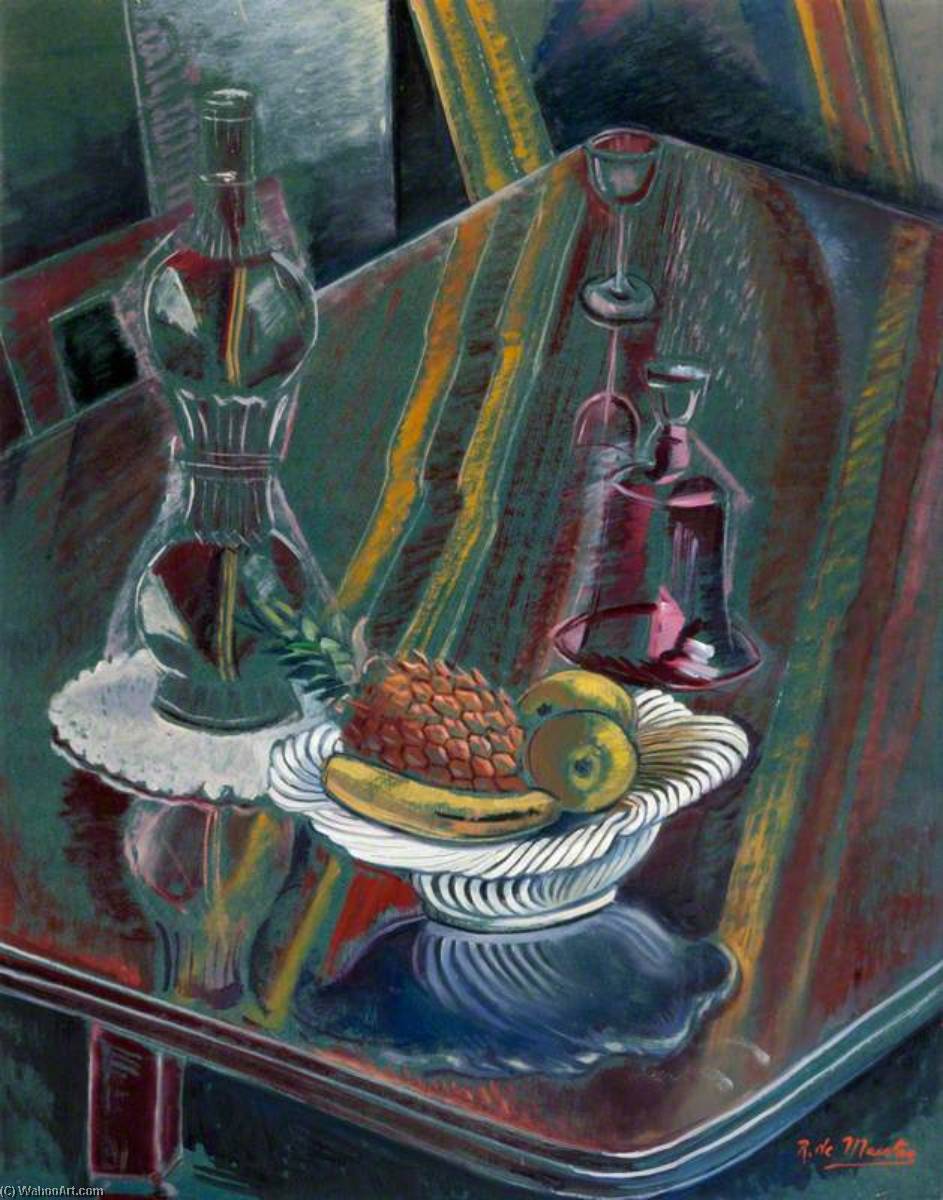
統計情報The Lacemaker's Lamp
 1953
1953 79.0 x 61.0 cm
Discover Roy De Maistre, Australia's first abstract artist! Explore his 'colour-music' theory & Cubist works, including Stations of the Cross & pioneering art experiments.
 詳細を見る
詳細を見る
手描き油彩複製画
当社のアーティストが、お客様のご希望のサイズと額縁に合わせて、キャンバスに手描きで制作する油彩画です。 ( プリント版に切り替え デジタル画像販売へ切り替え)




































標準サイズ
オーダーメイド
CM
INCH
作品のオリジナル比率に合わせた、当店の規定サイズからお選びください。
Loading sizes...

幅
高さ
特定のフレームやスペースに合わせて、ご希望のサイズをご入力いただけます。選択されたサイズが元の画像の比率と異なる場合、アートワークをトリミングするか、手描きで要素を追加して絵画を拡張いたします。デジタルモックアップ を制作し、制作開始前にご確認(承認)をいただきます。
画面上のプレビューは、実際のトリミングや拡張を正確に反映しているものではありません。最終的な構図は、モックアップによってのみ正確にご確認いただけます。
カスタムサイズもご利用いただけますが、元の比率を維持するためには、あらかじめ用意されたリストからサイズを選択することをお勧めいたします。
カスタマイズの例:顔をお客様の写真に置き換える、ペットを追加する(例:猫を犬に変更)、背景に隠れたメッセージを入れる、背景の風景や要素を変更するなど。
ご注文後、ArtsDot.com チームより詳細な指示をお送りするとともに、仕上がりイメージ(モックアップ)をご提供いたします。
ご注文後、ArtsDot.com チームより詳細な指示をお送りするとともに、仕上がりイメージ(モックアップ)をご提供いたします。


 ガラスオプションは、110cm未満のサイズでのみご利用いただけます。

The Lacemaker's Lamp
複製技法
複製画のサイズ
-


合計金額
$ 263
関連作品





アーティストの略歴
A Pioneer of Australian Abstraction: The Visionary World of Roy De Maistre
Roy De Maistre, born Leroy Leveson Laurent Joseph De Maistre in 1894, occupies a unique and pivotal position in the history of Australian art. Often hailed as Australia’s first abstract artist, his journey was one of relentless experimentation, driven by a profound belief in the expressive power of colour and form. While biographical details remain somewhat elusive – a consequence perhaps of his intensely private nature and focus on artistic exploration rather than self-promotion – De Maistre's impact on the development of modern art in Australia is undeniable. He wasn’t simply *painting* pictures; he was attempting to translate musical harmonies into visual experiences, forging a path that would inspire generations of artists to come. His early life offered little indication of the radical artistic direction he would eventually take. Born into a relatively conventional background, his initial training focused on traditional art techniques, but these foundations were soon to be challenged and ultimately overturned by his encounter with the burgeoning avant-garde movements in Europe.From Realism to Colour-Music: A Transformation Forged in War
The outbreak of World War I proved a watershed moment for De Maistre. Serving as an ambulance driver on the Western Front, he witnessed firsthand the horrors of conflict, experiences that profoundly altered his artistic sensibilities. The trauma and chaos of war led him to question the representational capacity of traditional art forms. He began seeking a more universal language, one capable of expressing deeper emotional truths beyond the limitations of literal depiction. This search brought him into contact with the vibrant artistic community in London during the 1910s. There, he encountered Cubism and Futurism, movements that deconstructed form and embraced abstraction. However, De Maistre didn’t simply adopt these styles wholesale; he synthesized them with his own burgeoning theories about colour and music. He believed that colours possessed inherent harmonic relationships analogous to musical chords, and he sought to create paintings that functioned as visual equivalents of musical compositions – a concept he termed “colour-music.” This wasn't merely synesthesia; it was a rigorous attempt to establish a systematic correspondence between the chromatic spectrum and the principles of harmony.The Stations of the Cross and Pioneering Experiments
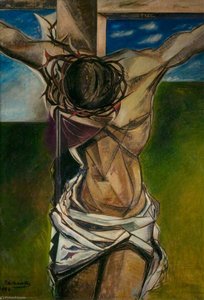
De Maistre’s most celebrated work, the series of *Stations of the Cross* (1927-1930), exemplifies his unique artistic vision. These twelve paintings represent a radical departure from traditional depictions of Christ's Passion. Eschewing narrative detail and figurative representation, De Maistre employed a highly abstracted visual language composed of bold colours, geometric shapes, and dynamic compositions. Each station is not an illustration of a biblical event but rather an emotional response to it, conveyed through the evocative power of colour and form. The series demonstrates his commitment to expressing spiritual themes through abstract means, challenging conventional notions of religious art. Beyond the *Stations*, De Maistre engaged in numerous other experiments throughout his career. He explored various techniques, including oil painting, tempera, and collage, constantly pushing the boundaries of artistic expression. His work often features a distinctive use of layered colours and rhythmic patterns, creating a sense of depth and movement. He was fascinated by the interplay of light and shadow, using these elements to create atmospheric effects and enhance the emotional impact of his paintings.Influence and Legacy: A Lasting Impact on Australian Art
Despite facing initial resistance from a conservative art establishment, De Maistre’s work gradually gained recognition in Australia. He exhibited regularly with prominent artist groups, including the Modern Art Society, and played a key role in promoting abstract art to a wider audience. His influence extended beyond his own paintings; he was also a respected teacher, inspiring numerous students to embrace experimentation and explore new artistic possibilities. While his “colour-music” theory wasn’t universally accepted, it sparked important debates about the nature of abstraction and the relationship between different art forms.- De Maistre's work paved the way for subsequent generations of Australian abstract artists.
- His emphasis on emotional expression and spiritual themes resonated with many artists seeking to move beyond representational conventions.
- He demonstrated that abstraction could be a powerful means of conveying complex ideas and experiences.
基本情報
- Artistic Movement Or Style: Abstract, Colour-Music
- Artists Or Movements Influenced By This Artist: ['Wassily Kandinsky']
- Artists Who Influenced This Artist:
- Cubism
- Post Impressionism
- Date Of Birth: March 27, 1894
- Date Of Death: March 1, 1968
- Full Name: Roy De Maistre
- Nationality: Australian
- Notable Artworks:
- Christ falling under the Weight
- The Deposition
- Third Station of the Cross
- Place Of Birth: Melbourne, Australia