

 プレビュー
プレビュー
 プリントを購入
 シェアする
シェアする シェアする
シェアする
 詳細を見る
詳細を見る

 ダウンロード
 似ている作品
 X線調査
X線調査 スライドショー
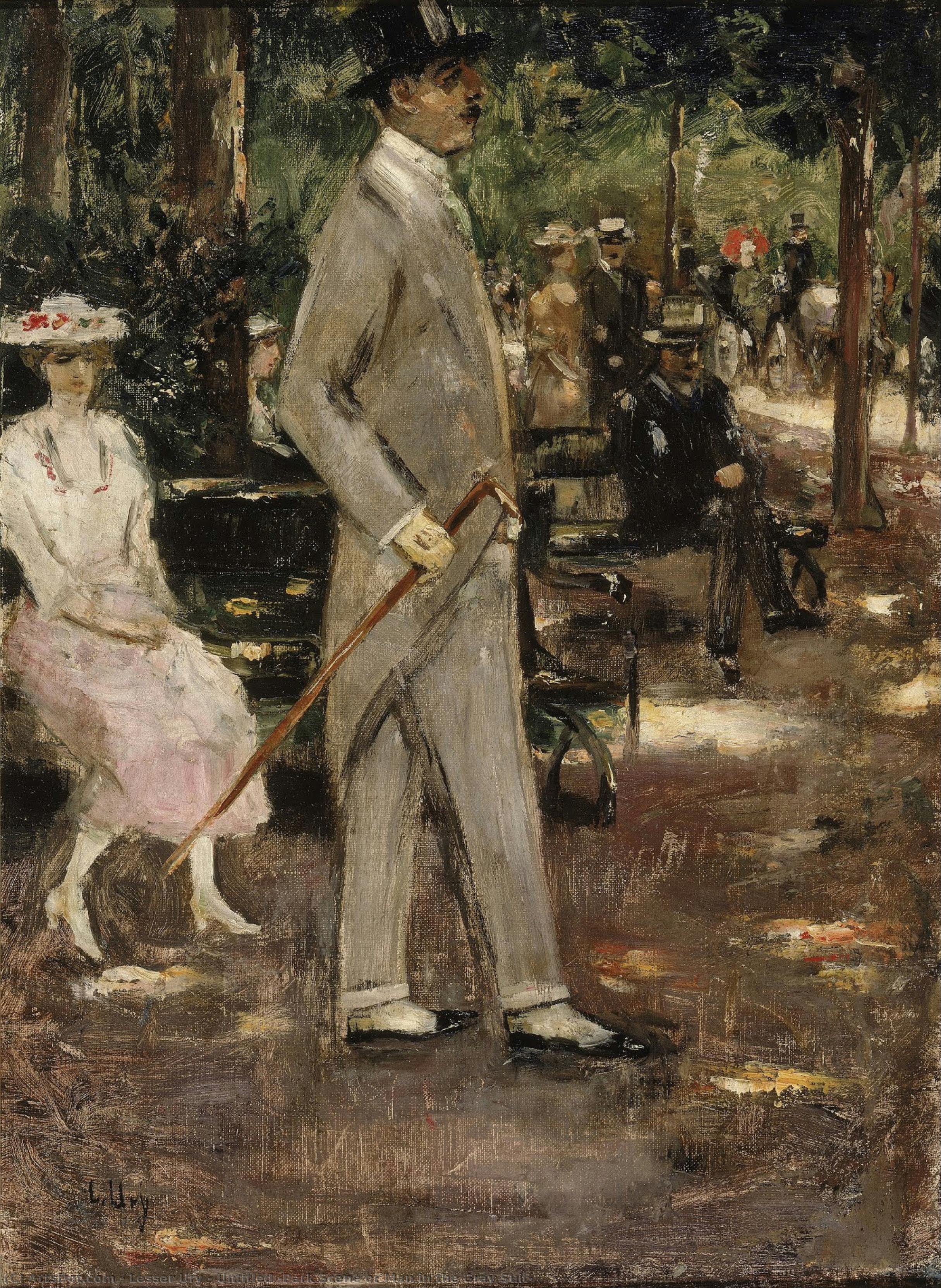
Untitled (Park Scene or Man in the Gray Suit)
 Acrylic On Canvas
- WallArt
- German Impressionism
 1913
1913 52.0 x 38.0 cm
 The Jewish Museum
 詳細を見る
詳細を見る




P118B $10

P118H $10

P118W $10

P438Z $10

P508JH $12

P508YH $12

P805H $10

P805Z $10

P919BZ $10

P919G $10

P919XJ $10

P959ZH $10

P968JZ $12

W106C $8

W218G $10

W218JH $8

W218Y $10

W307PJ $10

W316G $10

W316PJ $8

W316Y $10

W398PJ $8

W4111J $10

W500HY $15

W500JH $15

W692G $12

W849H $8

W940BG $15

W953PJ $8




作品のオリジナル比率に合わせた、当店の規定サイズからお選びください。

特定のフレームやスペースに合わせて、ご希望のサイズをご入力いただけます。選択されたサイズが元の画像の比率と異なる場合、アートワークをトリミングするか、手描きで要素を追加して絵画を拡張いたします。デジタルモックアップ を制作し、制作開始前にご確認(承認)をいただきます。
画面上のプレビューは、実際のトリミングや拡張を正確に反映しているものではありません。最終的な構図は、モックアップによってのみ正確にご確認いただけます。
カスタムサイズもご利用いただけますが、元の比率を維持するためには、あらかじめ用意されたリストからサイズを選択することをお勧めいたします。
ご注文後、ArtsDot.com チームより詳細な指示をお送りするとともに、仕上がりイメージ(モックアップ)をご提供いたします。


 ガラスオプションは、110cm未満のサイズでのみご利用いただけます。

Untitled (Park Scene or Man in the Gray Suit)
複製技法
複製画のサイズ
-


合計金額
$ 263
作品解説
A Moment Frozen in Time: Lesser Ury’s “Untitled (Park Scene or Man in the Gray Suit)”
Lesser Ury's "Untitled (Park Scene or Man in the Gray Suit)" is not merely a depiction of a park; it’s a poignant meditation on urban isolation and the quiet dignity of everyday life. Painted in 1913, this monochrome masterpiece captures a fleeting moment within a bustling Berlin cityscape – a scene imbued with a subtle melancholy that speaks volumes about the anxieties of modernity. Ury, a relatively obscure figure within the vibrant landscape of early 20th-century German art, nevertheless possessed a remarkable ability to distill complex emotions into deceptively simple compositions. His work, deeply rooted in the Düsseldorf School of Painting’s emphasis on tonal realism and atmospheric perspective, offers a window into the soul of a rapidly changing world.
The painting's strength lies not in dramatic action or vibrant color – rather, it resides in its carefully constructed atmosphere. Ury masterfully employs a restricted palette of grays and browns, creating an almost photographic quality that emphasizes the textures of the park’s surfaces: the weathered benches, the worn cobblestones, the muted tones of the figures themselves. The brushwork is loose and expressive, suggesting movement and capturing the diffused light characteristic of Impressionism. Notice how he uses subtle gradations to define form, avoiding sharp outlines and instead relying on the interplay of light and shadow to create a sense of depth and volume.
The Artist’s Biography: A Life Shaped by Displacement
Born in Birnbaum, Prussia (now Międzychód, Poland) in 1861, Leo Lesser Ury's life was profoundly shaped by loss and relocation. The untimely death of his father at a young age forced the family to move to Berlin, an experience that undoubtedly fostered within him a sensitivity to urban alienation – a theme that consistently appears throughout his oeuvre. His early apprenticeship as a tradesman provided a grounding in practical skills, but it was his innate artistic talent that ultimately guided his path. Ury’s travels through Europe—Brussels, Paris, Munich, and beyond—exposed him to diverse artistic influences, yet he retained a distinctly German sensibility, characterized by a quiet introspection and an acute awareness of the human condition.
Despite facing challenges as a Jewish artist in late 19th and early 20th-century Germany, Ury persevered, establishing himself as a respected figure within the Berlin art scene. His work often explored themes of urban life, social commentary, and personal reflection—subjects that resonated deeply with the anxieties and uncertainties of his time. His biography reveals a man who navigated a complex world with both resilience and artistic vision.
Decoding the Scene: Symbolism and Narrative
The central figure – a man in a suit, leaning on a cane – immediately draws the viewer’s attention. While his face is largely obscured, his posture conveys a sense of quiet contemplation, perhaps even weariness. He represents not just an individual but also embodies the archetype of the modern urbanite: detached, solitary, and burdened by the complexities of city life. The other figures in the park – strolling couples, children playing – offer glimpses into a more communal existence, yet they remain distant and somewhat anonymous. The benches themselves become symbols of isolation, inviting reflection but offering no immediate connection.
It’s tempting to interpret this scene as a commentary on the alienation of modern life—a feeling that resonated powerfully during the period. However, Ury's work resists easy categorization. There is a certain beauty and dignity in the man with the cane, suggesting not despair but rather a quiet acceptance of his place within the urban landscape. The painting invites us to contemplate our own relationship to the city and to consider the human cost of progress.
A Timeless Reflection: Reproduction and Artistic Legacy
"Untitled (Park Scene or Man in the Gray Suit)" is a remarkably evocative work that continues to resonate with viewers today. Reproductions, meticulously crafted by hand, capture the painting’s atmospheric depth and nuanced details, offering an accessible way to experience Ury's artistic vision. The piece would be equally at home adorning a contemporary apartment or gracing the walls of a museum—its timeless themes and understated beauty ensuring its continued relevance for generations to come. Consider it not just as a decorative object but as a poignant reminder of the complexities of human existence within the ever-evolving urban environment.
関連作品
アーティストの略歴
光に描かれた生涯:レオ・レッサー・ウリーの世界
レオ・レッサー・ウリーという名は、印象派の他の巨匠たちに比べると、すぐには聞き馴染みのないものかもしれません。しかし、ドイツ絵画の物語において、彼は極めて重要かつ情緒豊かな存在感を放っています。1861年11月7日、プロイセンのビルンバウム(現在のポーランド、ミェンドフホ)に生まれたウリーの歩みは、芸術的な勝利と個人的な苦難の両方に彩られていました。彼の幼少期は喪失の影に覆われていました。1872年、パン職人であった父の死により、彼は母と共にベルリンへの移住を余儀なくされたのです。この転機が、都市の風景や現代生活の儚い性質に対する、生涯続く鋭い感受性を彼の中に植え付けたのかもしれません。当初は職人の弟子として修行を始めたウリーでしたが、芸術への情熱は抗いがたいほど強く、1879年にはデュッセルドルフ芸術アカデミーへと導かれました。そこから始まったのは、ブリュッセル、パリ、ミュンヘン、シュトゥットガルト、カールスルーエといったヨーロッパ各地を巡る長い探求の旅でした。訪れた都市のひとつひとつが、彼の独自のスタイルを形作る色彩と視点を豊かに育んでいったのです。これらの旅は単なる地理的な移動ではなく、光、空気感、そして胎動する近代生活のエネルギーを深く研究するための、没入的な体験でもありました。印象派との邂逅、そして都市の魂を捉えて
ウリーの芸術的発展は、19世紀後半の美術潮流と深く結びついていました。当初は、1889年の最初の展覧会で敵意に満ちた反応を受けるなど、抵抗に遭うこともありました。しかし、彼は高名なアドルフ・メンツェルという強力な支持者を得ることで、ベルリン・アカデミーへの道を開きました。この評価は決定的な転機となり、ウリーは自身の技法とヴィジョンをさらに洗練させていくことが可能となりました。彼が印象派を受け入れたことは、単なる様式の選択ではありませんでした。それは、近代都市生活の移ろいゆく瞬間を捉えるための手段だったのです。1893年にはミュンヘン分離派に加わり、アカデミックな慣習に挑戦し、新たな表現様式を追い求める芸術家集団の一員となりました。ウリーのキャンバスは、躍動感あふれる筆致、質感と奥行きを生み出す厚塗りの技法(インパスト)、そして光が持つ変容の力に対する鋭い感受性によって、輝きを放ち始めました。この時期、彼の主題は明確な形を成していきます。情緒豊かな風景、親密な室内画、そして何よりも、活気に満たされた、しばしば夜の帳が下りた都市の情景です。彼は単にベルリンを「描写」していたのではありません。雨に濡れた路面を照らすガス灯の光、カフェの喧騒、影に潜む静かな孤独――それら都市の本質そのものを捉えようとしていたのです。名声と複雑な遺産
20世紀の初頭、ウリーはベルリンへと戻り、瞬く間に街の芸術界における重要人物となりました。1915年以降、ベルリン分離派の展覧会への参加を通じて、その知名度は着実に高まっていきました。1922年の記念碑的な展覧会では、150点に及ぶ油彩画やパステル画が展示され、彼の名声は不動のものとなりました。ベルリン市長から「首都の芸術的称揚者」と讃えられたこの時期は、批評家からの賞賛と商業的な成功の両面に支えられ、ウリーのキャリアにおける絶頂期となりました。特にパステルの習熟においては類まれな名声を博し、その媒体を用いて、比類なき繊細さと大気の深みを持つ作品を生み出しました。しかし、この成功の裏には、彼の活動における複雑な側面も影を落としていました。需要の高まりに応えるため、ウリーは構図を繰り返して制作し、数多くの複製(中には質の劣るものもありました)を生み出すようになりました。残念ながら、これが一部の批評家の目には、彼の芸術的地位を低下させるものと映ってしまったのです。この実利的なアプローチは、経済的な恩恵をもたらした一方で、最終的には彼の作品群に対する評価を、やや複雑で相反するものにすることとなりました。消えぬ残像:歴史的意義と不朽の魅力
レオ・レッサー・ウリーの歴史的な意義は、その技術的な卓越性や審美眼だけに留まりません。彼は、急速に変化する世界を理解しようとする観衆の心に響く、近代都市生活の鋭い観察者であり、情緒豊かな描写者として記憶されています。彼の作品は、工業化、社会の変化、そして新しい時代の不安に直面し、近代化の入り口に立っていた特定の時代と場所を垣間見せてくれます。さらに、ドイツ社会を生きていたユダヤ人芸術家として、ウリーの生涯と作品には、複雑な社会政治的状況下におけるユダヤ文化のアイデンティティと経験が反映されています。彼の絵画は、決して露骨に政治的なものではありませんが、帰属意識と疎外感の両方を繊細に伝えており、当時のドイツにおけるユダヤ人コミュニティが直面していた課題に対して、独自の視点を提供しています。1931年10月18日にベルリンで没し、ベルリン=ヴァイセンゼーのユダヤ人墓地に埋葬された後も、彼の影響は今日まで生き続けています。その独特なスタイルは後世の芸術家たちの道を切り開き、都市生活の情緒的な描写は、その美しさ、空気感、そして時代と場所が持つ切実な感覚によって、今なお見る人々を魅了し続けているのです。ウリーが遺したものは、単に「何が見えるか」だけでなく、「ある特定の瞬間を生きることがいかに感じられるか」を捉える、芸術の力の証なのです。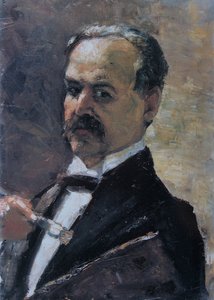
レオ・レッサー・ウリー
1861 - 1931 , ポーランド
基本情報
- Artistic Movement Or Style: 印象派
- Artists Or Movements Influenced By This Artist: 後世の芸術家
- Artists Who Influenced This Artist: ['アドルフ・メンツェル']
- Date Of Birth: 1861年11月7日
- Date Of Death: 1931年10月18日
- Full Name: レオ・レサー・ウリー
- Nationality: ドイツ
- Notable Artworks:
- 祈るユダヤ人
- ガルダ湖にて
- フェンス
- Place Of Birth (City And Country): ポーランド、ビルンバウム
関連記事
Concrete Narratives: Exploring Urban Life in Modern & Contemporary Art
Explore the evolution of cityscape painting with ArtsDot. Discover key artists from Realism to contemporary movements & invest in timeless urban visions. Expert guidance, museum-quality reproductions.
Concrete Visions: Exploring Representations of Urban Life in Modern & Contemporary Art
Explore the evolution of cityscape painting from Realism to contemporary art. Discover key artists & invest in timeless urban visions with ArtsDot's expert guidance and museum-quality reproductions.
Concrete Visions: Exploring the Urban Landscape in Painting – From Realism to Contemporary Art
Explore the evolution of cityscape painting from Realism to contemporary art with ArtsDot. Discover key artists & invest in timeless urban visions. Expert guidance, museum-quality reproductions.

Impressionism's Masterpieces: 10 Paintings That Defined a Movement | ArtsDot
Journey through Impressionism's heart with 10 iconic paintings by Monet, Renoir & Degas. Explore light, color & the stories behind these masterpieces. Find museum-quality art reproductions and elevate your home decor on ArtsDot.com.
Urban Visions: A Historical & Artistic Exploration of the Cityscape in Painting
Explore the evolution of cityscape painting from historical maps to Impressionist masterpieces. Discover artists like Caillebotte & Utrillo. Find museum-quality reproductions at ArtsDot.

