

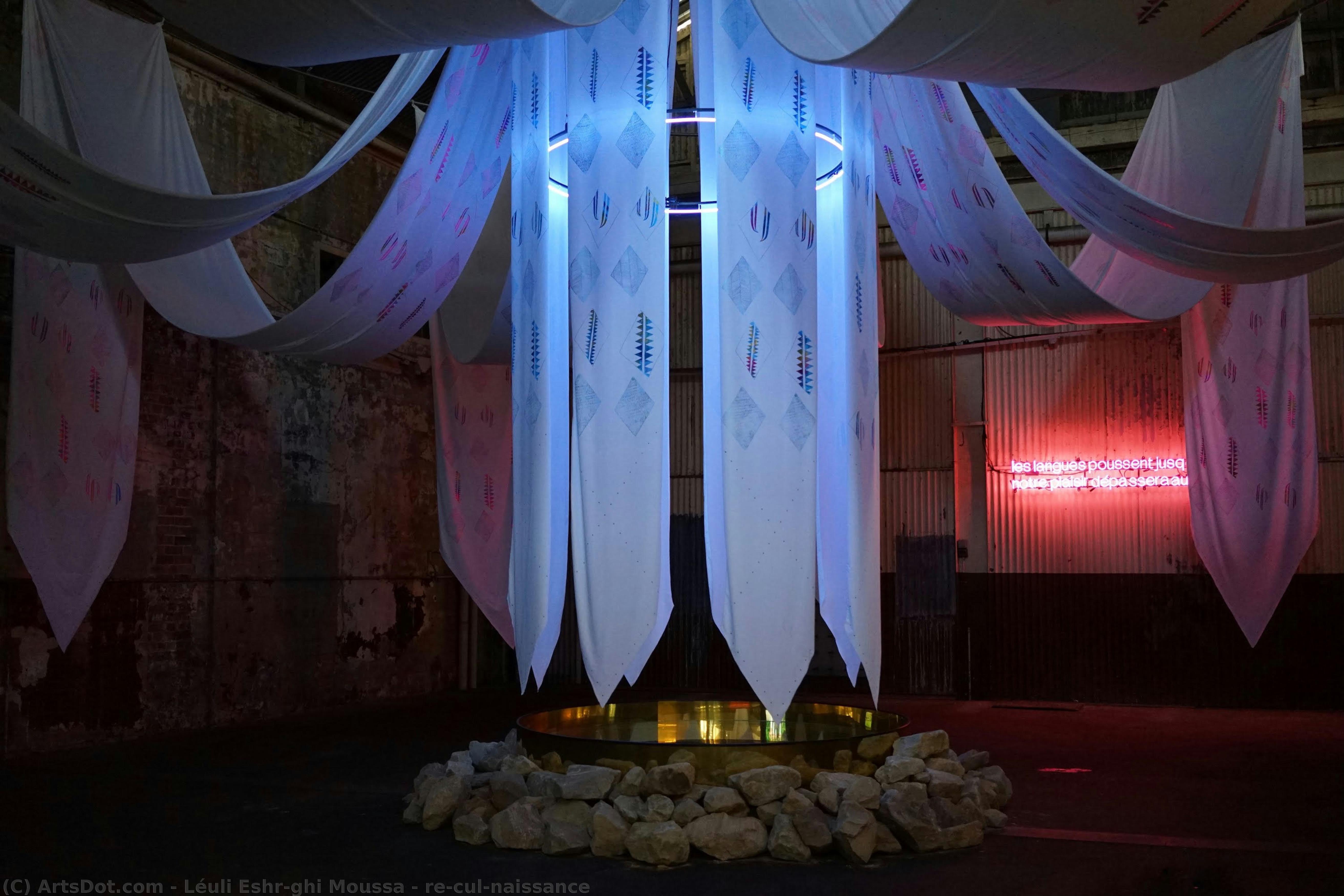
 プレビュー
プレビュー
 シェアする
シェアする シェアする
シェアする
 詳細を見る
詳細を見る

 ダウンロード
 似ている作品
 X線調査
X線調査 スライドショー
 Stats
Statsre(cul)naissance


 詳細を見る
詳細を見る
手描き油彩複製画
当社のアーティストが、お客様のご希望のサイズと額縁に合わせて、キャンバスに手描きで制作する油彩画です。 ( Switch to Print Switch to Digital Image)




































作品のオリジナル比率に合わせた、当店の規定サイズからお選びください。

特定のフレームやスペースに合わせて、ご希望のサイズをご入力いただけます。選択されたサイズが元の画像の比率と異なる場合、アートワークをトリミングするか、手描きで要素を追加して絵画を拡張いたします。デジタルモックアップ を制作し、制作開始前にご確認(承認)をいただきます。
画面上のプレビューは、実際のトリミングや拡張を正確に反映しているものではありません。最終的な構図は、モックアップによってのみ正確にご確認いただけます。
カスタムサイズもご利用いただけますが、元の比率を維持するためには、あらかじめ用意されたリストからサイズを選択することをお勧めいたします。
ご注文後、ArtsDot.com チームより詳細な指示をお送りするとともに、仕上がりイメージ(モックアップ)をご提供いたします。


 ガラスオプションは、110cm未満のサイズでのみご利用いただけます。

re(cul)naissance
複製技法
複製画のサイズ
-


合計金額
$ 263
関連作品








アーティストの略歴
Léuli Eshrāghi Moussa: Bridging Cultures Through Sensory Exploration
Léuli Eshrāghi Moussa, born in Sydney, Australia in 1987, is a Lebanese-Australian artist whose practice transcends conventional boundaries, weaving together threads of Chinese heritage, Samoan ancestry, and Persian influences into multidisciplinary explorations of land, memory, and community. Their artistic journey began with a deep fascination for Indigenous knowledge systems—particularly those rooted in sensory experience—and has evolved into a commitment to fostering dialogue between cultures through art forms that prioritize materiality, language, and ritualistic engagement.- Early Influences: Eshrāghi’s formative years were marked by exposure to diverse artistic traditions, including the intricate weaving practices of Samoan clans Seumanutafa and Tautua—a connection that profoundly informs their own creative process. Simultaneously, they cultivated an appreciation for Persian art and culture, recognizing its emphasis on symbolism and storytelling as powerful tools for conveying complex ideas.
- Formal Education: They pursued postgraduate studies at Monash University and the University of Melbourne, earning a PhD in Curatorial Practice and a Graduate Certificate in Indigenous Arts Management respectively. These academic pursuits honed their understanding of art history, museum ethics, and community engagement—skills that would prove invaluable throughout their artistic career.
- Creative Methodology: Eshrāghi’s artistic approach is characterized by an interdisciplinary spirit. They combine fiber arts with ethnobotany, animation techniques, and performance practices to create immersive experiences that challenge viewers' perceptions of place and identity. Their work consistently seeks to honor Indigenous perspectives while simultaneously pushing the boundaries of artistic expression.
Fiber Art & Sensory Engagement: The Saltwater Loom
At the core of Eshrāghi’s artistic practice lies a dedication to fiber arts, specifically weaving using saltmarsh wool—a material sourced sustainably from coastal ecosystems in Australia. This technique isn't merely about crafting textiles; it represents a deliberate engagement with the natural world and an attempt to translate Indigenous sensory experiences into visual form. The artist utilizes cedar wood as a structural element, embedding plant pigments derived from local flora into the dyeing process—a practice that reflects the deep connection between Indigenous communities and their environment.- Symbolic Significance: Eshrāghi’s weaving projects often incorporate motifs drawn from Samoan mythology and cosmology, referencing concepts such as ‘mālamalama,’ which embodies enlightenment achieved through attentive observation of symbiotic relationships within ecosystems.
- Performance & Ritualistic Elements: Furthermore, their work incorporates performance components—often collaborative endeavors with Indigenous artists—that aim to recreate ceremonial rituals and honor ancestral traditions. These performances serve as conduits for transmitting knowledge and fostering a sense of collective identity.
Institutional Recognition & Artistic Achievements
Eshrāghi’s commitment to Indigenous art has garnered significant recognition within the museum world. They hold the prestigious position of Curator of Indigenous Practices at the Musée des beaux-arts de Montréal, where they champion initiatives promoting inclusivity and fostering dialogue between Indigenous cultures and Western artistic discourse. Their work has been showcased internationally—including at the Palais de Tokyo in Paris and the Biennial of Sydney—demonstrating a global reach and establishing Eshrāghi as a leading voice in contemporary Indigenous art scholarship.- Biennale of Sydney Contribution: Their participation in the 2024 Biennial of Sydney marks a pivotal moment in their artistic trajectory, furthering their exploration of Indigenous perspectives on globalization and cultural exchange.
- Montreal Museum Role: As Curator of Indigenous Practices at MMFA, Eshrāghi is actively shaping the museum’s engagement with Indigenous communities—promoting collaborative exhibitions and fostering educational programs that celebrate Indigenous creativity and resilience.
Future Directions & Artistic Legacy
Looking ahead, Léuli Eshrāghi Moussa intends to continue pushing artistic boundaries while upholding ethical considerations rooted in Indigenous methodologies. Their ongoing collaborations with fellow artists—including Tommy Misa, Stelly Gapp, and Kiliati Pahulu—promise to yield innovative artworks that grapple with pressing social issues—such as land reclamation and the preservation of Indigenous languages—and contribute to a broader understanding of cultural diversity. Eshrāghi’s artistic legacy rests on a steadfast dedication to honoring Indigenous voices and fostering intercultural dialogue—a mission that underscores the transformative potential of art as a tool for shaping collective futures.
léuli eshrāghi moussa
1987 - , Australia
基本情報
- Artistic Movement Or Style: Multidisciplinary art
- Date Of Birth: 1987
- Full Name: léuli eshrāghi moussa
- Nationality: Australian
- Notable Artworks: ['Re(cul)naissance']
- Place Of Birth: Sydney, Australia