

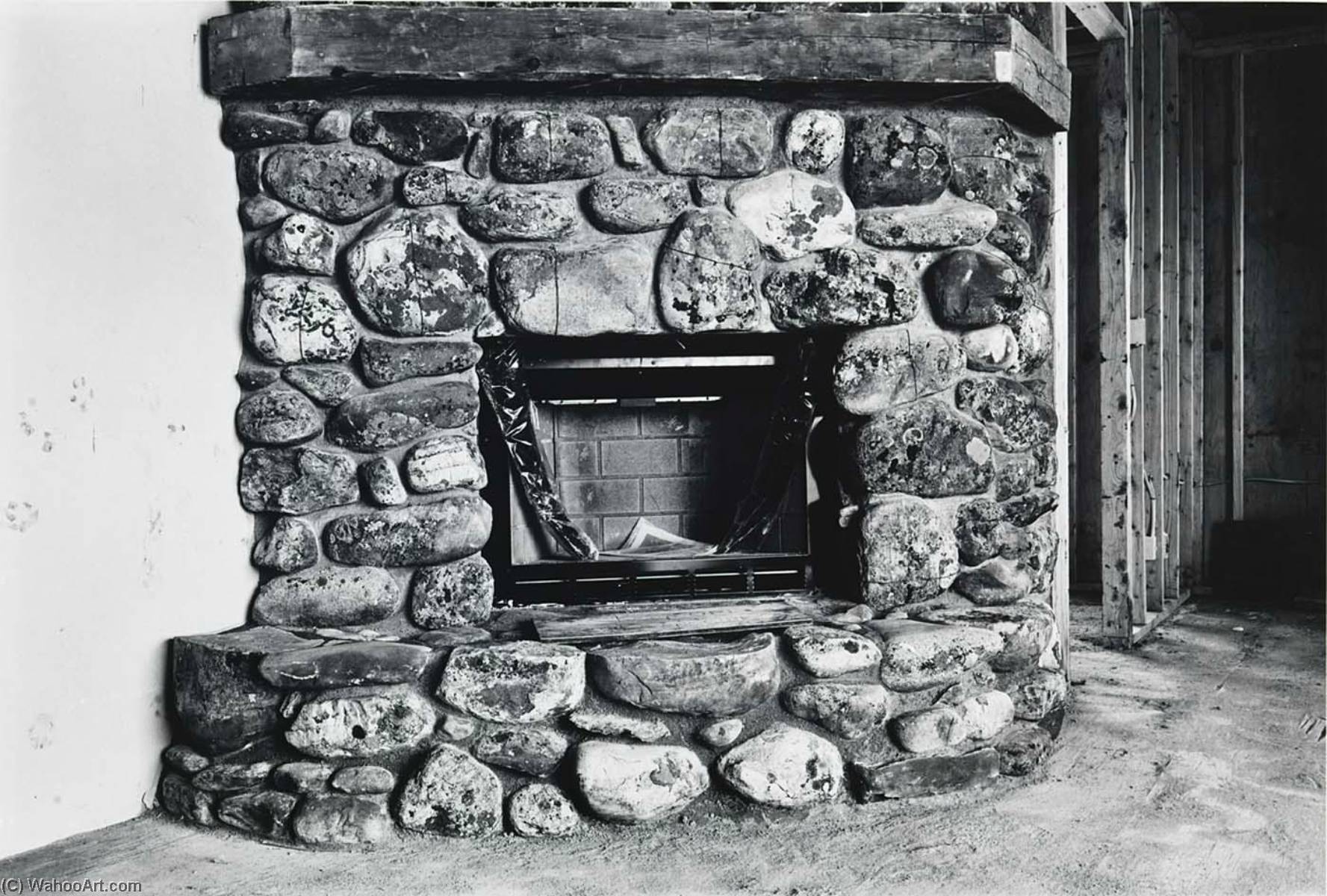
 プレビュー
プレビュー
 シェアする
シェアする シェアする
シェアする
 詳細を見る
詳細を見る

 ダウンロード
 似ている作品
 X線調査
X線調査 スライドショー
 Stats
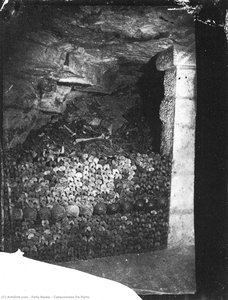
StatsPark City 85. Park City, interior, 24
 1979
1979 20.0 x 25.0 cm
 詳細を見る
詳細を見る
ジークレー/アートプリント
迅速な制作と多彩な仕上げオプションを備えた、ミュージアムクオリティのジークレーまたはキャンバスプリント。 ( 手描きの絵画を購入 Switch to Digital Image)




































作品のオリジナル比率に合わせた、当店の規定サイズからお選びください。

特定のフレームやスペースに合わせて、ご自身でサイズを指定することも可能です。選択されたサイズが元の画像の比率と一致しない場合、作品をトリミングするか、鏡面反射または単色での塗りつぶしによって画像を拡張いたします。制作を開始する前に、ご確認用のデジタルモックアップをお送りいたします。
画面上のプレビューには、実際のトリミングや拡張は反映されませんのでご注意ください。最終的な構図を正確に確認できるのは、モックアップのみとなります。
カスタムサイズも承っておりますが、元の比率を維持するためには、あらかじめ用意されたリストからサイズを選択することをお勧めいたします。


 ガラスオプションは、110cm未満のサイズでのみご利用いただけます。

Park City 85. Park City, interior, 24
ジークレー/アートプリント
複製画のサイズ
-


合計金額
$ 62
関連作品






アーティストの略歴
The Quiet Power of Desolation
Lewis Baltz (1945-2014) stands as a cornerstone of the New Topographics movement, an artistic reaction to landscape painting’s romanticized depictions of nature in the wake of Abstract Expressionism. Rather than celebrating vistas and grandeur, Baltz confronted the pervasive emptiness of American industrial spaces—office buildings, parking lots, factories—transform im into subjects of profound contemplation. His photographs are not merely documentation; they are meditations on control, power dynamics, and the subtle psychological impact of these environments on human experience.
Born in Newport Beach, California, Baltz pursued formal artistic training diligently, earning a BFA from San Francisco Art Institute in 1969 followed by an MFA from Claremont Graduate School. Recognizing his talent early, he benefited from prestigious scholarships including those awarded by the National Endowment for the Arts and the Guggenheim Memorial Fellowship, fueling his ambition to explore uncharted territories within visual art. These grants provided invaluable resources for honing his craft and furthering his artistic vision.
A New Vision of the Man-Altered Landscape
Baltz’s photographic journey began in earnest during the late 1970s when he embraced the New Topographics aesthetic—characterized by black-and-white prints executed with meticulous precision. This movement sought to present a less innocent view of the landscape, challenging the nineteenth-century tradition of Western landscape photography represented by figures like Ansel Adams. Where the old guard captured the sublimity of mountains and shorelines, Baltz revealed the banality of the Golden State’s dead shopping malls and parking lots with a profound, postmodern detachment.
His work often took the form of monographic series or published portfolios that focused on specific geographic areas. These collections served as a visual inventory of suburban sprawl and industrial expansion. Notable achievements in his career include:
- The New Industrial Parks Near Irvine, California (1974): A seminal filmic sequence where massive industrial buildings abruptly rise from open fields, capturing the encroachment of industry on nature.
- Nevada (1978): A stark exploration of the desert landscape, stripped of human presence and traditional romanticism.
- Park City (1980): An examination of the changing topography of mountain landscapes.
Technique, Evolution, and Legacy
The technical execution of Baltz's work was marked by a certain stylistic anonymity, a method that allowed the subject matter to speak through a lens of objective, almost clinical observation. His early black-and-white prints possessed an unsettling stillness, often employing a precision that captured both spatial accuracy and a sense of psychological weight. As his career progressed into the 1980s, Baltz began to experiment with color, expanding his visual vocabulary to include more complex urban landscapes in Europe.
Beyond his solo photographic series, Baltz’s influence extended through teaching at prestigious institutions such as Yale and the California Institute of the Arts, as well as through collaborative projects. His later work often delved into themes of desire, power, and even the aesthetics of true crime, demonstrating a restless intellectual curiosity that refused to remain static. Having lived his final years between Venice, Italy, and Paris, France, he left behind a legacy that continues to challenge how we perceive the boundaries between the natural world and the man-made structures that increasingly define our existence.
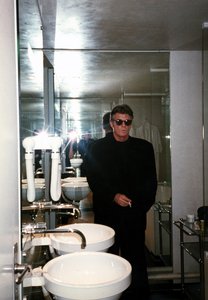
Lewis Baltz
1945 - 2014 , United States of America
基本情報
- Artistic Movement Or Style: New Topographics
- Artists Or Movements Influenced By This Artist: ['Minimalism']
- Artists Who Influenced This Artist:
- Robert Adams
- Eli Lautenbach
- Date Of Birth: September 12, 1945
- Date Of Death: November 22, 2014
- Full Name: Lewis Baltz
- Nationality: American
- Notable Artworks:
- Nevada 2. Hidden Valley
- Park City 18. Prospector Village
- Public Places Houston
- Place Of Birth: Newport Beach, United States