

 プレビュー
プレビュー
 プリントを購入
 シェアする
シェアする シェアする
シェアする
 詳細を見る
詳細を見る

 ダウンロード
 似ている作品
 X線調査
X線調査 スライドショー
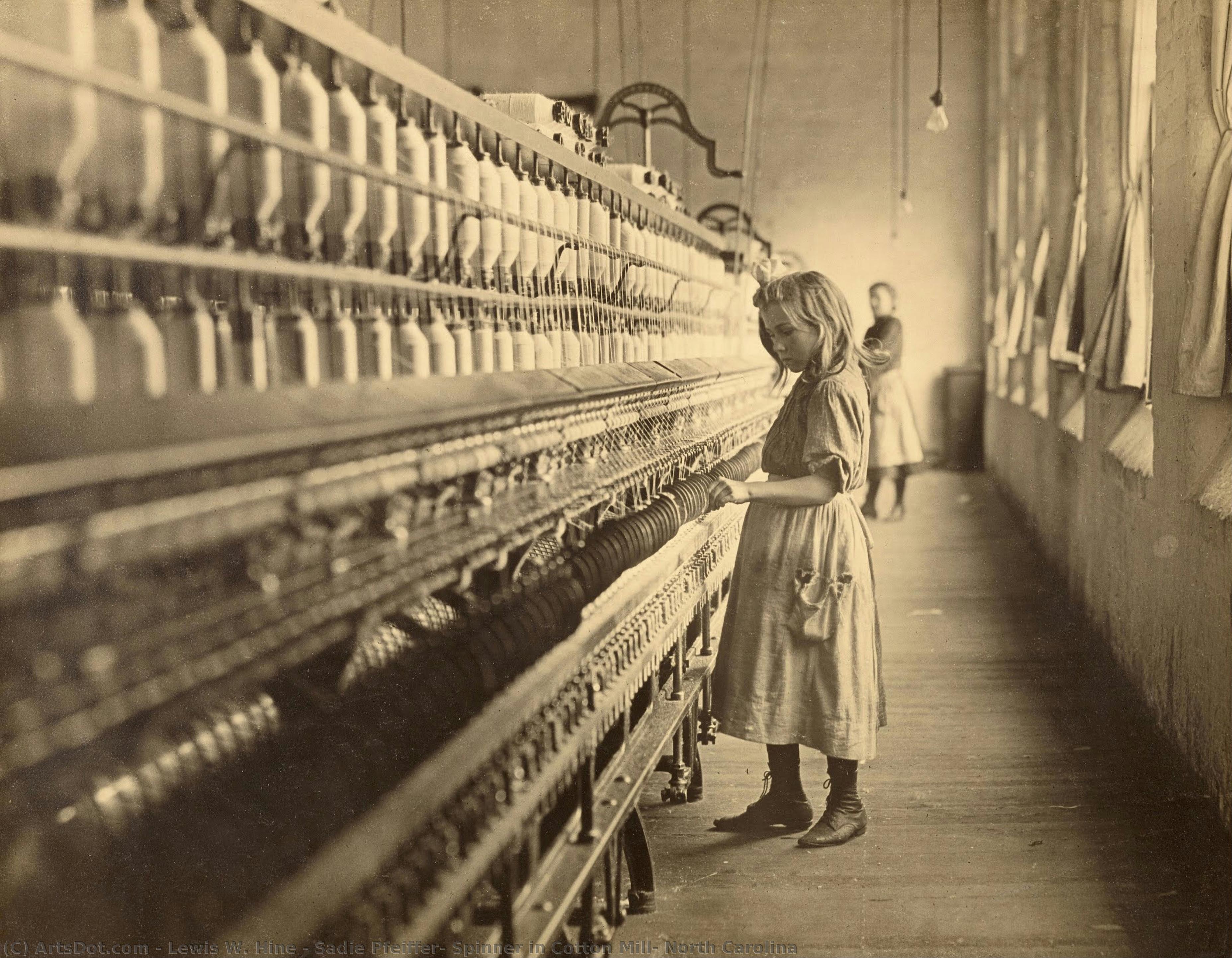
Sadie Pfeiffer, Spinner in Cotton Mill, North Carolina
 Acrylic On Canvas
- WallArt
- Documentary Photography
 1930
1930- 19th Century
 28.0 x 35.0 cm
 J・ポール・ゲティ美術館
 詳細を見る
詳細を見る




P118B $10

P118H $10

P118W $10

P438Z $10

P508JH $12

P508YH $12

P805H $10

P805Z $10

P919BZ $10

P919G $10

P919XJ $10

P959ZH $10

P968JZ $12

W106C $8

W218G $10

W218JH $8

W218Y $10

W307PJ $10

W316G $10

W316PJ $8

W316Y $10

W398PJ $8

W4111J $10

W500HY $15

W500JH $15

W692G $12

W849H $8

W940BG $15

W953PJ $8




作品のオリジナル比率に合わせた、当店の規定サイズからお選びください。

特定のフレームやスペースに合わせて、ご希望のサイズをご入力いただけます。選択されたサイズが元の画像の比率と異なる場合、アートワークをトリミングするか、手描きで要素を追加して絵画を拡張いたします。デジタルモックアップ を制作し、制作開始前にご確認(承認)をいただきます。
画面上のプレビューは、実際のトリミングや拡張を正確に反映しているものではありません。最終的な構図は、モックアップによってのみ正確にご確認いただけます。
カスタムサイズもご利用いただけますが、元の比率を維持するためには、あらかじめ用意されたリストからサイズを選択することをお勧めいたします。
ご注文後、ArtsDot.com チームより詳細な指示をお送りするとともに、仕上がりイメージ(モックアップ)をご提供いたします。


 ガラスオプションは、110cm未満のサイズでのみご利用いただけます。

Sadie Pfeiffer, Spinner in Cotton Mill, North Carolina
複製技法
複製画のサイズ
-


合計金額
$ 263
A Stark Portrait of Childhood and Industry
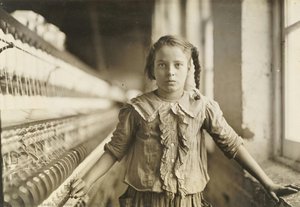
Lewis Wickes Hine’s 1930 photograph, “Sadie Pfeiffer, Spinner in Cotton Mill, North Carolina,” isn't merely a snapshot; it’s a poignant indictment and a testament to the resilience of youth amidst the relentless machinery of early 20th-century industrialization. The image immediately commands attention with its stark black-and-white palette – a deliberate choice that amplifies the scene’s somber mood, stripping away any potential romanticism associated with the era. The composition itself is powerfully direct: Sadie Pfeiffer, a young girl barely reaching the height of her loom, occupies the foreground, dwarfed by the immense scale of the cotton mill machinery that dominates the background. This deliberate imbalance – the small figure against the colossal structure – speaks volumes about the vulnerability and powerlessness experienced by child laborers like Sadie.
Hine’s masterful use of perspective draws the viewer into this claustrophobic space, guiding our eye along the repeating rows of looms that stretch endlessly into the distance. These horizontal lines create a sense of order and repetition, mirroring the monotonous rhythm of Sadie's work – a life consumed by tireless spinning. The subtle diagonal lines formed by the floor and walls add depth to the image, while the diffused lighting, characteristic of industrial settings, casts long shadows and contributes to the overall feeling of confinement and weariness. The photograph’s technical execution is equally impressive; Hine skillfully captures the textures of the rough machinery, the worn fabric of Sadie's dress, and the subtle details of her face – a face etched with an early understanding of hardship.
Documenting a Forgotten Reality
Created during the Great Depression, this photograph emerged from Lewis Hine’s extensive project documenting child labor for the National Child Labor Committee (NCLC). Hine, a sociologist and photographer, recognized the urgent need to expose the harsh realities faced by children working in factories. He wasn't simply recording images; he was actively campaigning for social reform, using his photographs as powerful evidence of exploitation and injustice. The image’s historical context is crucial: it represents a pivotal moment in American labor history, preceding significant legislation aimed at protecting child workers.
The photograph’s symbolism extends beyond the immediate depiction of Sadie Pfeiffer. It embodies the broader struggle between progress and human cost – the relentless drive for industrial efficiency versus the well-being of vulnerable individuals. Sadie's averted gaze, directed downwards as if burdened by exhaustion or resignation, is particularly evocative. It speaks to a quiet dignity in the face of adversity, a silent testament to the lives disrupted by the demands of an increasingly mechanized world.
Technique and Legacy
While the exact photographic process employed by Hine remains debated – wet plate collodion is often cited as the most likely method given the date—the resulting image showcases remarkable detail and tonal range. The careful manipulation of light and shadow, combined with a keen eye for composition, elevates this photograph beyond a simple documentary record. It’s a work of art that transcends its historical context, continuing to resonate with viewers today.
Hine's legacy is profound. His photographs played a crucial role in raising public awareness about child labor and ultimately contributed to the passage of legislation aimed at protecting children from exploitation. “Sadie Pfeiffer, Spinner in Cotton Mill, North Carolina” stands as a powerful reminder of the human cost of industrial progress – a timeless image that compels us to confront uncomfortable truths and strive for a more just and equitable world.
関連作品


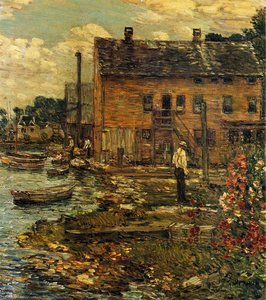
アーティストの略歴
クロード・モネ:儚い光を捉える
オスカー=クロード・モネは、1840年11月14日にノルマンディーのル・アーヴルで生まれた画家でしたが、彼は単なる絵描きではありませんでした。彼は知覚そのものの建築家だったのです。彼の人生と作品は、光と大気の移ろいやすく絶えず変化する性質を捉えようとする飽くなき探求心と切り離せない関係にあります。この哲学こそが印象派を定義し、今日に至るまで深く響き続けています。ノルマンディーの浜辺でスケッチを売る風刺画家というささやかな出発点から、モネの歩みは、壮大な物語や歴史的な場面を描くことではなく、一瞬の「本質」をキャンバス上に凝縮する能力によって、美術史における最も称賛される人物の一人となるという頂点に達したのです。
モネの初期の芸術教育は型破りでした。当初、父親が彼に商売の道に進むことを望んだため、彼は挫折感を味わいましたが、そこでエージェン・ブーダンという指導者に出会い、『戸外制作(プレン・アール)』――自然から直接描くこと――を確立する上で重要な役割を果たした人物と出会います。ブーダンはモネに、風景を横切る光の変化を観察し記録することの極めて重要な意義を植え付けました。この原則は彼の芸術的実践の中心となるものとなりました。この直接的な観察へのこだわりは、当時美術界を支配していたアカデミックな伝統とは著しく対照的でした。そこでは、芸術家たちはアトリエという閉ざされた空間で、模型や歴史上の題材を丹念に模写することが求められていたのです。
パリは、モネの進化する様式にとってまさにるつぼとなりました。彼はシャルル・グレールのアトリエに入学し、ピエール=オーギュスト・ルノワールやフレデリック・バジールといった志を同じくする若き芸術家たちと出会います。このグループは、伝統的なアカデミック絵画の制約から脱却したいという共通の願いを抱え、筆致をより自由にし、色彩を明るくし、写真のような写実性を目指すよりも、その瞬間の「印象」を捉えることに重点を置く実験を行いました。そして、普仏戦争(1870-1871年)はモネをイングランドへの亡命に追い込みました。そこで彼はジョン・コンスタブルやジョセフ・モールロード・ウィリアム・ターナーといった芸術家の作品を研究します。彼らは共に、光と大気の効果を見事に繊細に探求していたのです。これらの出会いは、モネの色彩感覚と構図へのアプローチに深く影響を与えました。
印象派の誕生
1874年にパリに戻ったモネは、後に「印象派」として知られるものを確立する上で極めて重要な役割を果たしました。この年は、美術界だけでなくフランス社会にとっても転換点となった年でした。普仏戦争での屈辱的な敗北とそれに続く短くも激しいパリ・コミューンを経て、パリ市民たちは文化的な追求の中に慰めと気晴らしを見出そうとしていました。モネはルノワールやアルフレッド・シスレーらと共に、1874年に独立した展覧会――「サロン・デ・ラフィュゼ(退廃者展)」――を組織し、彼らの革新的な絵画へのアプローチを披露しました。この出来事は、細部にわたる描写を好む確立されたサロン制度に真っ向から異議を唱えるものでした。
批評家ルイ・ロロワは、『ル・シャリヴァリ』で辛辣な論評を書き、「印象派」という言葉を生み出しました。それはモネの作品『印象、日の出』(1872年)に由来するものです。当初は侮辱として意図されたこのタイトルが、皮肉にもこの新しい運動を定義づけるレッテルとなってしまったのです。モネや同時代の印象派たちの作品は、意図的な未完成さ、目に見える筆致、そして光と色の儚い効果を捉えることに焦点を当てるという特徴を持っていました。物体を写真のように正確に再現しようとするのではなく、彼らは自らの「印象」――それを見るという主観的な経験――を伝えようとしたのです。
連作と光の探求
モネの芸術的野心は、単に個々の風景を記録することにとどまりませんでした。彼は、光が世界といかに相互作用するかを支配する根本原理を理解しようとしていたのです。これが彼を、馴染み深い題材に対する光の変化の効果を時間をかけて丹念に記録するという、一連の壮大なプロジェクトへと導きました。最も有名な例としては、干し草の山(1890-1891年)、ルーアン大聖堂(1892-1894年)、そしてジヴェルニーの庭の睡蓮などが挙げられます。
これらの連作は、単なる同じ題材の繰り返しではありませんでした。それらは光そのものの本質を探求する試みだったのです。モネは同じ場面を何度も描き、そのたびに光の異なる側面――それが朝の温かい輝きであれ、真昼の涼しい影であれ、あるいは黄昏時の銀色の色合いであれ――を捉えようとしました。彼は「戸外制作(プレン・アール)」という技法を用い、それによってこれらの儚い効果を直接観察し、キャンバス上に写し出すことを可能にしました。結果として生まれた絵画は、物体を描いた肖像画ではなく、光と色の研究であり、そのダイナミックな相互作用を私たちに開示しているのです。
遺産と影響
クロード・モネの遺産は計り知れ、多面的なものです。彼はアカデミズムの慣習を拒否し、主観的な知覚を受け入れることによって、美術史の流れそのものを根本的に変え、近代主義への道を切り開きました。彼の「戸外制作」への重点、色彩の革新的な使用法、そして光の探求は芸術実践に革命をもたらし、何世代もの芸術家たちに、単なる再現を超えて自らの経験の本質を捉えるようインスピレーションを与え続けています。
彼の芸術的功績を超えて、モネ自身の人生そのものが魅了の対象となりました。自然への深い献身、緻密な観察力、そして揺るぎない芸術的ビジョンへのコミットメントは、彼を創造性と忍耐力の不朽の象徴としたのです。彼は1926年12月5日、86歳という生涯を閉じましたが、世界中の鑑賞者を魅了し、鼓舞し続ける膨大な作品群を残しました。ジヴェルニーの庭園は今も一般に公開されており、彼の芸術的遺産の証として、訪問者に彼の並外れたビジョンを形作った世界の一端を見せてくれているのです。
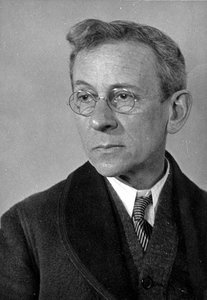
ルイス・ウィキーズ・ハイン
1874 - 1940 , アメリカ合衆国
基本情報
- Artistic Movement Or Style: 印象派
- Artists Or Movements Influenced By This Artist:
- ポスト印象派
- モダニズム
- Artists Who Influenced This Artist:
- यूजीン・ブーダン
- ジョン・コンスタブル
- ジョセフ・モールロード・ウィリアム・ターナー
- Date Of Birth: 1840年11月14日
- Date Of Death: 1926年12月5日
- Full Name: クロード・オスカール・モネ
- Nationality: フランス人
- Notable Artworks:
- 印象、日の出
- 睡蓮の連作
- ルーアン大聖堂の連作
- Place Of Birth: ル=アーヴル(フランス)
関連記事

Monochrome Visions: Exploring the Aesthetic & Historical Significance of Black & White Photography
Explore the rich history & artistic power of black and white photography. From early techniques to iconic masters like Ansel Adams, discover why monochrome continues to captivate art lovers today. Expert insights for collectors.

Beyond the Lens: Photography's Enduring Influence on Modern & Contemporary Art
Explore photography's pivotal role in shaping modern & contemporary art. Discover key movements, influential artists like Stieglitz, and expert collecting advice from ArtsDot.

Dark Masterpieces: 10 Iconic Paintings Dominated by Black Tones |
Explore 10 iconic paintings dominated by black tones, from Rembrandt’s chiaroscuro to Goya's dark expressions. Discover the stories behind these masterpieces & find museum-quality art reproductions for your home at .

Pictorialism: A Search for Artistic Photography's Soul – Aesthetics, Techniques & Legacy
Explore the captivating world of Pictorialism – a pivotal movement that transformed photography into fine art. Discover key artists like Stieglitz & Käsebier, techniques, and collecting tips from experts.

Witnessing History Through Lens & Light: Documentary Photography's Enduring Legacy
Explore the powerful history of documentary photography – from its origins to contemporary masters like Gordon Parks & W. Eugene Smith. Discover how this art form shapes our understanding of society and witness pivotal moments in time.

