

 プリントを購入
 シェアする
シェアする シェアする
シェアする
 詳細を見る
詳細を見る

 ダウンロード
 似ている作品
 スライドショー
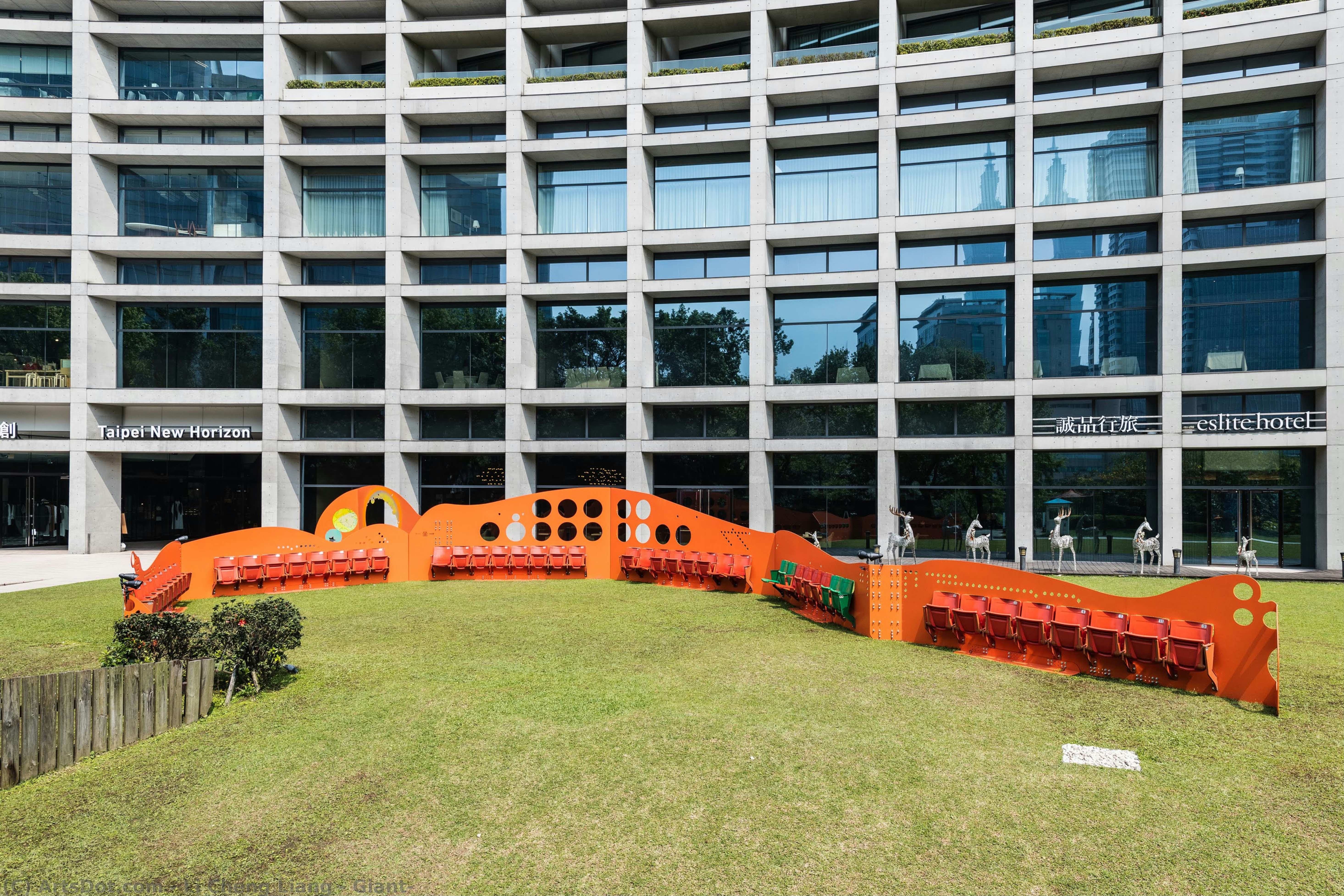
Giant


 詳細を見る
詳細を見る
オンラインプレビューをはるかに凌ぐ、高解像度で鮮明なデジタル画像をご購入いただけます。
各ファイルは、社内の専門家が高度なツールと熟練した手作業によるレタッチを用いて、細心の注意を払って準備されています。すべての画像において、卓越した鮮明度、正確な色彩再現性、そして繊細なディテールを保証いたします。
最終ファイルは、プロフェッショナルな編集・印刷環境ですぐにご利用いただけるよう最適化された状態で、72時間以内にメールにてお届けいたします。これは、一流のデザインスタジオ、出版社、ギャラリーから信頼されているものと同等の品質です。
デジタル画像のご注文に付随する特典
高品質なデジタル画像配信を、確かな品質で。
ArtsDot.com を選ぶことは、単に画像を手に入れることではありません。それは、プロの手によって精密に仕上げられ、満足保証が付いた高品質なデジタルアートワークを受け取ることを意味します。ご注文いただいた際に自動的に付随する内容は、以下の通りです:

メールですぐにお届け
ご注文から72時間以内に、高解像度のデジタル画像ファイルがメールでお手元に届きます。すぐにそのままご利用いただけます。

AI技術で最適化されたデジタルファイル
お客様の作品は、高度なAIツールと専門家による手作業の編集を組み合わせてプロフェッショナルに最適化されており、細部のディテール、鮮明さ、そして正確な色再現性を最大限に引き出しています。

一生涯無料の再送サービス
ファイルを誤って削除したり、紛失してしまったりしましたか?ご安心ください。いつでも無料で再送いたします。

輸入手数料は一切かかりません
関税や手数料、配送料を気にすることなく、お気に入りのアートワークをすぐにお楽しみいただけます。デジタルダウンロードは常に免税です。

色彩再現の保証
プロ仕様のツールとカラーマネジメント技術を用いることで、デジタル画像が元の色を最大限に忠実に再現することを保証いたします。

100日間満足保証
ご購入いただいたデジタル画像にご満足いただけない場合は、100日以内であれば、修正または100%の返金(理由を問う必要はありません)をさせていただきます。

100% 返金保証
ご満足いただけない場合は、デジタルファイルを受け取ってから100日以内であれば、理由を問わず全額返金いたします。

まとめ買い割引
3枚購入で10%OFF - 5枚購入で15%OFF - 10枚以上購入で20%OFF。クリエイティブなプロジェクト、ギャラリー、エージェンシーに最適です。
An Urban Colossus: The Rebirth of the Mundane
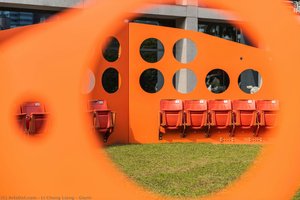
In the heart of Taipei’s bustling urban landscape, standing before the sleek, modern facade of the Taipei New Horizon Building, resides a monumental presence that defies traditional sculptural boundaries. Giant, a breathtaking creation by the contemporary Taiwanese artist Li Cheng Liang, is not merely an object to be viewed from afar, but an immersive experience that bridges the gap between public utility and fine art. At first glance, the viewer is struck by the sheer scale of this inclined figure, a vibrant orange titan emerging from the verdant grass. Yet, as one draws closer, the true genius of the piece reveals itself through its unexpected anatomy: the body of this colossus is composed of hundreds of fold-up chairs, salvaged from the Xinzhuang Baseball Stadium.
Li Cheng Liang’s technique is a masterclass in the art of upcycling, breathing a second, more poetic life into discarded objects. By meticulously reassembling these weathered stadium seats with precisely cut and bent iron panels, the artist transforms industrial refuse into a rhythmic, textured skin. This process of "re-assembling" allows the sculpture to retain a sense of history; each chair carries the phantom echoes of past cheers, summer heat, and the collective energy of sporting crowds. The interplay between the rigid, geometric lines of the metalwork and the repetitive, familiar shapes of the seating creates a fascinating tension between the industrial and the organic, making the sculpture feel like a living entity caught in a moment of repose.
Symbolism and the Interactive Canvas
Beyond its striking visual impact, Giant serves as a profound meditation on the relationship between the individual and the collective. The sculpture is inherently democratic; it does not demand silent reverence but rather invites active participation. As visitors approach, they are encouraged to take a seat within the very fabric of the giant’s body. In this moment, the boundary between the observer and the observed dissolves. When people occupy the chairs, they become the literal "flesh" of the artwork, completing its form with their presence. This creates a beautiful metaphor for urban life: we are all individual components—small, perhaps even discarded—that come together to form something much larger, more powerful, and undeniably magnificent.
For collectors and interior designers, this piece offers a profound source of inspiration. It represents the triumph of creativity over obsolescence and the ability to find beauty in the overlooked fragments of our daily lives. The vibrant orange palette provides a striking contrast to neutral architectural tones, making it an ideal conceptual centerpiece for those looking to inject energy, conversation, and a sense of playful modernism into a space. To possess a reproduction of such a work is to invite a narrative of transformation and communal spirit into one's environment, celebrating the idea that even the most ordinary objects can be reimagined into something legendary.
関連作品


作家の略歴
Li Cheng Liang: Echoes of the Northern Landscape
Born in Qingzhou, Shandong province during the tumultuous Five Dynasties period (907-967), Li Cheng Liang emerged as a pivotal figure in Chinese landscape painting. His life coincided with a time of profound artistic and political upheaval, yet he managed to forge a distinctive style that would profoundly influence generations of artists. More than simply depicting scenes from nature, Li Cheng sought to capture the very essence of the northern mountains – their ruggedness, their ethereal mist, and the quiet dignity of ancient pines – creating works imbued with a sense of timelessness and profound serenity. He wasn’t merely an imitator; he developed a unique approach that moved beyond the conventions of his predecessors, establishing himself as one of the ‘three great rival artists’ alongside Fan Kuan and Guan Tong, a trio whose combined influence shaped the trajectory of Chinese landscape painting for centuries to come.
Li Cheng's early artistic development was deeply rooted in the teachings of Jing Hao, a master of the “literati” style – a school of painting emphasizing intellectualism and subtle brushwork. Jing Hao’s focus on capturing atmospheric effects and conveying a sense of solitude profoundly impacted Li Cheng. However, unlike Jing Hao, who favored detailed depictions of specific locations, Li Cheng broadened his scope to encompass the vastness and mystery of the northern mountains. He also drew inspiration from Juran, known for his expressive brushwork and dramatic use of ink. This synthesis of influences resulted in a style characterized by loose, flowing brushstrokes, subtle tonal variations, and an emphasis on capturing the overall mood and atmosphere rather than precise topographical detail.
The ‘Giant’ and Artistic Innovation
Li Cheng's most celebrated work, “Giant” (Zhong Tu), exemplifies his artistic innovations. This monumental painting, now housed in the National Palace Museum in Taipei, is a testament to his mastery of technique and his ability to evoke a powerful emotional response. The painting depicts a towering pine tree standing alone on a barren mountain peak, shrouded in mist. The scale of the work—over 18 feet tall and nearly 25 feet wide—is truly awe-inspiring. What distinguishes “Giant” is not its meticulous detail but rather its masterful use of ink to create a sense of depth, atmosphere, and drama. The loose, expressive brushstrokes convey the ruggedness of the mountain and the ethereal quality of the mist, while the subtle tonal variations suggest the play of light and shadow. The painting’s composition—the solitary pine tree against the vast expanse of the sky—symbolizes resilience, longevity, and the enduring spirit of nature.
Critics have noted that “Giant” represents a departure from traditional landscape painting conventions. Instead of depicting specific locations or historical events, Li Cheng focused on capturing the essence of the natural world – its beauty, its mystery, and its power. This shift towards abstraction marked a significant step in the development of Chinese landscape painting and paved the way for future generations of artists to explore new ways of representing the world around them.
Influences and Legacy
Li Cheng’s artistic vision was shaped by several factors, including his upbringing in a region known for its rugged mountain landscapes. The dramatic scenery of Shandong province—its towering peaks, its deep valleys, and its perpetually misty atmosphere—provided him with an endless source of inspiration. He also benefited from exposure to the intellectual traditions of Confucianism, which emphasized harmony between humanity and nature. These influences combined to create a unique artistic sensibility that set him apart from his contemporaries.
Li Cheng’s influence on subsequent generations of Chinese landscape painters is undeniable. His loose brushwork, atmospheric effects, and emphasis on capturing the overall mood and atmosphere of the natural world became hallmarks of the “Northern Landscape” style—a dominant trend in Chinese painting during the Song Dynasty. Artists such as Guo Xi, Fan Sang, and Dong Yuan all drew inspiration from Li Cheng’s work, further disseminating his artistic innovations throughout the art community. Despite the fact that many of his original paintings have been lost over time, his influence continues to be felt today, reminding us of the enduring power of nature and the beauty of Chinese landscape painting.
A Life Less Documented
Information about Li Cheng’s life is surprisingly scarce. Historical records suggest he was born in Qingzhou, Shandong province, around 919 AD, but details regarding his early years and career are limited. He was known to be a scholar-artist, skilled in both calligraphy and painting. Anecdotes from the *Xuanhe Catalogue of Paintings* (a comprehensive inventory of paintings in the imperial collection during the Northern Song Dynasty) reveal that he was considered a man of great talent and ambition, but also one who valued personal expression over worldly recognition. The catalogue describes him as “good at writing, his prose has unusual subtlety,” suggesting an intellectual depth beyond simply technical skill. His preference for solitude and his disdain for the superficiality of courtly life likely contributed to the relative obscurity of his biography.
Despite the lack of extensive biographical information, Li Cheng’s artistic legacy endures. His paintings continue to be admired for their beauty, their emotional depth, and their technical mastery. He remains a vital figure in the history of Chinese art—a testament to the power of individual vision and the enduring appeal of the natural world.

li cheng liang
China
プロフィール概要
- Artistic Movement Or Style: Landscape painting
- Artists Or Movements Influenced By This Artist: ['Northern Landscape style']
- Artists Who Influenced This Artist:
- Jing Hao
- Juran
- Date Of Birth: 919 – present
- Full Name: Li Cheng Liang
- Nationality: Chinese
- Notable Artworks: ['Giant']
- Place Of Birth: Qingzhou, China