

 プレビュー
プレビュー
 プリントを購入
 シェアする
シェアする シェアする
シェアする
 詳細を見る
詳細を見る

 ダウンロード
 似ている作品
 X線調査
X線調査 スライドショー
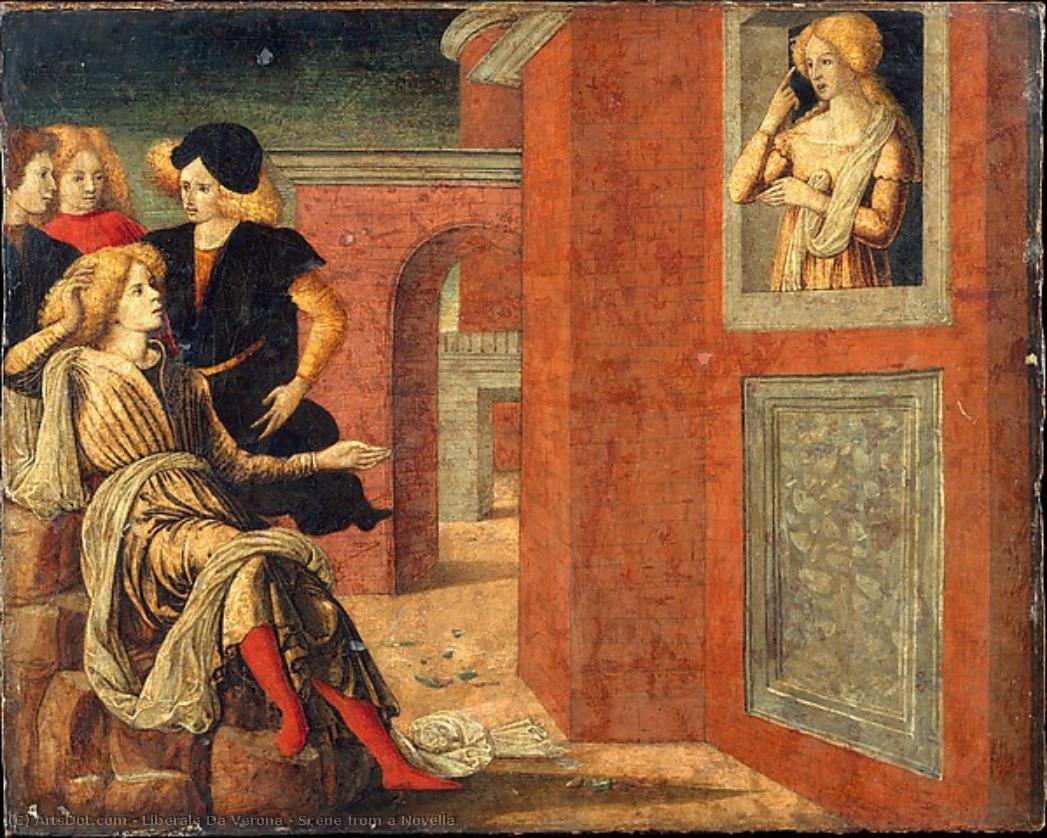
Scene from a Novella
 Acrylic On Canvas
- WallArt
- Renaissance Italian Painting
 33.0 x 41.0 cm
 メトロポリタン美術館
 詳細を見る
詳細を見る
オンラインプレビューをはるかに凌ぐ、高解像度で鮮明なデジタル画像をご購入いただけます。
各ファイルは、社内の専門家が高度なツールと熟練した手作業によるレタッチを用いて、細心の注意を払って準備されています。すべての画像において、卓越した鮮明度、正確な色彩再現性、そして繊細なディテールを保証いたします。
最終ファイルは、プロフェッショナルな編集・印刷環境ですぐにご利用いただけるよう最適化された状態で、72時間以内にメールにてお届けいたします。これは、一流のデザインスタジオ、出版社、ギャラリーから信頼されているものと同等の品質です。
デジタル画像のご注文に付随する特典
高品質なデジタル画像配信を、確かな品質で。
ArtsDot.com を選ぶことは、単に画像を手に入れることではありません。それは、プロの手によって精密に仕上げられ、満足保証が付いた高品質なデジタルアートワークを受け取ることを意味します。ご注文いただいた際に自動的に付随する内容は、以下の通りです:

メールですぐにお届け
ご注文から72時間以内に、高解像度のデジタル画像ファイルがメールでお手元に届きます。すぐにそのままご利用いただけます。

AI技術で最適化されたデジタルファイル
お客様の作品は、高度なAIツールと専門家による手作業の編集を組み合わせてプロフェッショナルに最適化されており、細部のディテール、鮮明さ、そして正確な色再現性を最大限に引き出しています。

一生涯無料の再送サービス
ファイルを誤って削除したり、紛失してしまったりしましたか?ご安心ください。いつでも無料で再送いたします。

輸入手数料は一切かかりません
関税や手数料、配送料を気にすることなく、お気に入りのアートワークをすぐにお楽しみいただけます。デジタルダウンロードは常に免税です。

色彩再現の保証
プロ仕様のツールとカラーマネジメント技術を用いることで、デジタル画像が元の色を最大限に忠実に再現することを保証いたします。

60日間満足保証
ご購入いただいたデジタル画像にご満足いただけない場合は、60日以内であれば、修正または100%の返金(理由を問う必要はありません)をさせていただきます。

100% 返金保証
ご満足いただけない場合は、デジタルファイルを受け取ってから60日以内であれば、理由を問わず全額返金いたします。

まとめ買い割引
3枚購入で10%OFF - 5枚購入で15%OFF - 10枚以上購入で20%OFF。クリエイティブなプロジェクト、ギャラリー、エージェンシーに最適です。
Liberale da Verona - A Venetian Master's Delicate Dance of Light and Shadow
The painting, titled “Scene from a Novella,” is a fragment from the front of a cassone – a richly ornamented chest – originating from Siena around 1467-1476. It’s a captivating glimpse into the amatory literature of the Renaissance, specifically exploring themes of courtship and desire through the lens of chess. The artist responsible for this exquisite piece is Liberale da Verona (1441-1529), a Venetian illuminator renowned for his meticulous craftsmanship and profound influence on the artistic landscape of his time. Liberale’s style embodies the spirit of Mantegna and Bellini, prioritizing geometric precision alongside luminous color palettes. His approach to composition—characterized by careful placement and balanced perspectives—reflects the humanist ideals prevalent during the Quattrocento. The scene depicts two women engaged in a chess game; one poised to lose, embodying vulnerability and impending defeat, while the other exudes confidence and strategic brilliance. This duality speaks to broader anxieties about fate and control within Renaissance society. The depiction of hair is particularly noteworthy. Liberale’s use of bleached blond – a fashionable trend in Siena at the time – demonstrates an acute awareness of contemporary aesthetics. It's not merely decorative; it symbolizes youthfulness, purity, and beauty—values highly prized by aristocratic patrons seeking to elevate their status through artistic patronage. The artist skillfully captures the texture and movement of hair, conveying its frizzy appearance with remarkable accuracy.- Medium: Tempera on Wood
- Dimensions: 33 x 41 cm
- Provenance: Unknown – Likely originating from Captain Alfred Loewenstein’s collection and subsequently sold to the Metropolitan Museum of Art in 1986.
Symbolism and Narrative Depth
The chess game itself serves as a powerful metaphor for relationships—representing strategic maneuvering, calculated risks, and the inevitable confrontation between opposing forces. The woman about to lose embodies acceptance of vulnerability and recognizes that defeat is an unavoidable part of life’s journey. Conversely, her counterpart symbolizes resilience, determination, and triumph over adversity. These figures are not merely characters in a game; they represent universal human experiences—the interplay between hope and despair, success and failure.Technical Brilliance: Mastering Light and Texture
Liberale's masterful technique is evident in his meticulous rendering of light and shadow. He employs subtle gradations of color to create depth and volume, capturing the nuances of fabric texture with remarkable realism. The artist’s attention to detail—from the delicate folds of drapery to the expressive gaze of the figures—demonstrates an unwavering commitment to artistic excellence. This level of craftsmanship reflects the Venetian tradition of illusionistic painting, where artists strive to deceive the eye and create a convincing representation of reality.A Window into Renaissance Sensibilities
“Scene from a Novella” transcends its formal elements to offer insight into the psychological complexities of the Renaissance era. It speaks to anxieties about mortality, honor, and social status—themes that preoccupied artists and intellectuals alike. The painting’s enduring appeal lies in its ability to evoke emotion and stimulate contemplation—reminding us of the timeless fascination with human relationships and the pursuit of beauty. Its inclusion in the Berenson Collection underscores its significance as a masterpiece of Venetian art history.関連作品
作家の略歴
Liberale da Verona: A Renaissance Master
Life and Origins
- Born in Verona, Italy, around 1441, Liberale da Verona was a prominent painter of the Italian Renaissance.
- He passed away in 1529, leaving behind a legacy of exquisite frescoes, panel paintings, and illuminated manuscripts.
- Early Training: Liberale began his artistic journey as a pupil of Vincenzo di Stefano, laying the foundation for his future style.
Influences and Artistic Development
- While trained by di Stefano, Liberale was profoundly influenced by the works of Andrea Mantegna and Jacopo Bellini. This influence is evident in his attention to detail, perspective, and dramatic compositions.
- Giorgio Vasari’s Account: He is notably mentioned in Giorgio Vasari's *Lives of the Most Excellent Painters, Sculptors, and Architects*, solidifying his place within the canon of Renaissance artists.
- His style evolved to incorporate elements of both Mantegna’s rigorous draftsmanship and Bellini’s refined color palettes.
Major Works and Achievements
- Veronese Commissions: In Verona, Liberale completed significant commissions such as the *Adoration of the Magi* in the Duomo (Cathedral) and another version for a chapel within the Bishopric.
- He also decorated the chapel of the Company of the Maddalena in the church of San Bernardino with paintings depicting the *Birth and Assumption of the Virgin*.
- Brera Gallery: A notable work, *St. Stephen*, is housed in the Brera Gallery, showcasing his skill in portraying religious figures.
- Illuminated Manuscripts: Liberale’s talent extended to illuminated books, with examples found in the Cathedral of Chiusi.
- *St. Sebastian* (attributed) at Princeton University Art Museum demonstrates his mastery of anatomical detail and emotional expression.
- Monte Oliveto Abbey: He traveled to Siena to work at the Abbey of Monte Oliveto, where he illuminated numerous manuscripts.
Pupils and Legacy
- Liberale da Verona played a crucial role in training the next generation of Veronese painters.
- Notable Students: Among his pupils were Giovanni and Giovanni Francesco Caroto, Francesco Torbido (also known as Il Moro), and Paolo Cavazzola. These artists continued to develop and disseminate his artistic principles.
Historical Significance
- Renaissance Contribution: Liberale da Verona contributed significantly to the flourishing of Renaissance art in Verona, bridging the gap between earlier styles and the emerging Mannerism.
- Cultural Impact: His works continue to be studied and admired for their technical skill, expressive power, and historical importance. He even appeared as a subject of forgery within popular culture – specifically, in an episode of the British TV series *Inspector Morse* titled “The Death of the Self.”
- His art provides valuable insights into the religious, cultural, and artistic climate of 15th and 16th-century Italy.
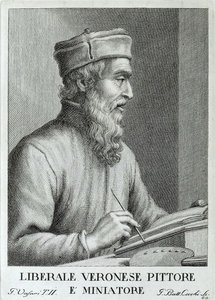
Liberale da Verona
1441 - 1529 , Italy
プロフィール概要
- Birth Date: 1441
- Birth Place: Verona, Italy
- Death Date: 1529
- Influenced:
- Giovanni Caroto
- Giovanni Francesco Caroto
- Francesco Torbido
- Paolo Cavazzola
- Influenced By:
- Andrea Mantegna
- Jacopo Bellini
- Vincenzo di Stefano
- Movement: Renaissance
- Name: Liberale da Verona
- Nationality: Italian
- Notable Works:
- Adoration of the Magi
- St. Sebastian
- The Miniscalchi Altarpiece

