

 プレビュー
プレビュー
 プリントを購入
 シェアする
シェアする シェアする
シェアする
 詳細を見る
詳細を見る

 ダウンロード
 似ている作品
 X線調査
X線調査 スライドショー
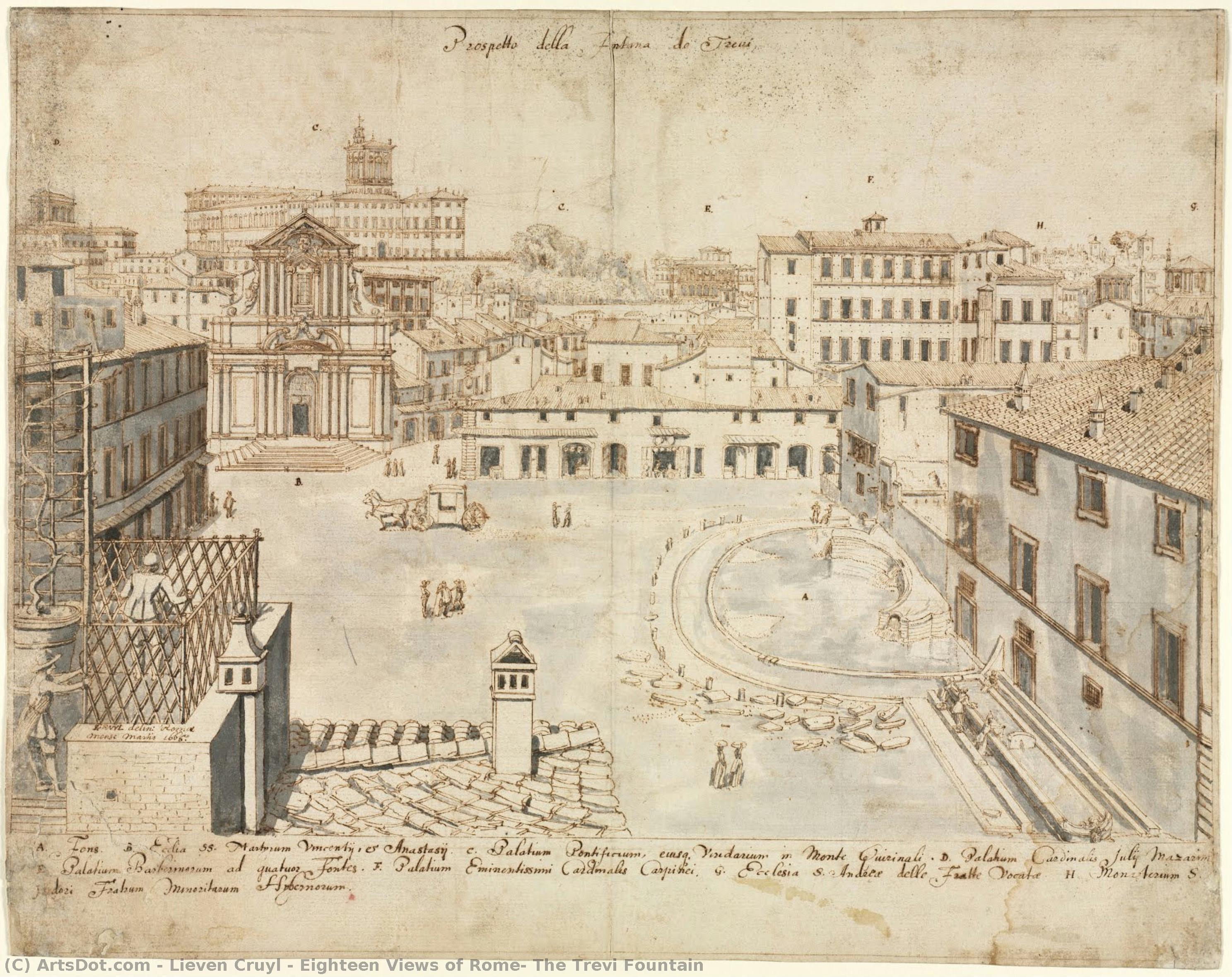
エイトーンビューーズ・オブ・ローマ トレビ広場
 キャンバスにアクリル絵具
- ウォールアート
- Baroque Landscape
 1665
1665 38.0 x 48.0 cm
 クリーブランド美術館
 詳細を見る
詳細を見る
オンラインプレビューをはるかに凌ぐ、高解像度で鮮明なデジタル画像をご購入いただけます。
各ファイルは、社内の専門家が高度なツールと熟練した手作業によるレタッチを用いて、細心の注意を払って準備されています。すべての画像において、卓越した鮮明度、正確な色彩再現性、そして繊細なディテールを保証いたします。
最終ファイルは、プロフェッショナルな編集・印刷環境ですぐにご利用いただけるよう最適化された状態で、72時間以内にメールにてお届けいたします。これは、一流のデザインスタジオ、出版社、ギャラリーから信頼されているものと同等の品質です。
デジタル画像のご注文に付随する特典
高品質なデジタル画像配信を、確かな品質で。
ArtsDot.com を選ぶことは、単に画像を手に入れることではありません。それは、プロの手によって精密に仕上げられ、満足保証が付いた高品質なデジタルアートワークを受け取ることを意味します。ご注文いただいた際に自動的に付随する内容は、以下の通りです:

メールですぐにお届け
ご注文から72時間以内に、高解像度のデジタル画像ファイルがメールでお手元に届きます。すぐにそのままご利用いただけます。

AI技術で最適化されたデジタルファイル
お客様の作品は、高度なAIツールと専門家による手作業の編集を組み合わせてプロフェッショナルに最適化されており、細部のディテール、鮮明さ、そして正確な色再現性を最大限に引き出しています。

一生涯無料の再送サービス
ファイルを誤って削除したり、紛失してしまったりしましたか?ご安心ください。いつでも無料で再送いたします。

輸入手数料は一切かかりません
関税や手数料、配送料を気にすることなく、お気に入りのアートワークをすぐにお楽しみいただけます。デジタルダウンロードは常に免税です。

色彩再現の保証
プロ仕様のツールとカラーマネジメント技術を用いることで、デジタル画像が元の色を最大限に忠実に再現することを保証いたします。

60日間満足保証
ご購入いただいたデジタル画像にご満足いただけない場合は、60日以内であれば、修正または100%の返金(理由を問う必要はありません)をさせていただきます。

100% 返金保証
ご満足いただけない場合は、デジタルファイルを受け取ってから60日以内であれば、理由を問わず全額返金いたします。

まとめ買い割引
3枚購入で10%OFF - 5枚購入で15%OFF - 10枚以上購入で20%OFF。クリエイティブなプロジェクト、ギャラリー、エージェンシーに最適です。
ローマの十八景:トレビ広場
ローマの十八景は、フランドルの画家リエヴン・クルユが1665年に制作した傑作であり、バロック美術における風景画の頂点の一つです。この作品は、イタリアの首都ローマを代表するトレビ広場を詳細に描き出しながらも、単なる写実的な描写にとどまらず、画家独自の視点と技術によって豊かな表現を生み出しています。クルユの作品は、当時の芸術家たちに大きな影響を与え、その後の風景画の発展に貢献しました。 ### 作品の詳細と技法について この絵画は、ペンとインク、グラファイト、そしてグレーウォッシュを用いて制作されています。特にトレビ広場の描写において、クルユは光の表現に卓越した技術を駆使しており、水の流れや周囲の建物からの光の反射などを巧みに再現しています。彼の筆使いは洗練されており、画面全体に動きと奥行きを与え、見る人に圧倒的な臨場感をもたらします。この技法はバロック美術の特徴でありながらも、クルユ独自の工夫によってさらに発展させられています。詳細な観察と正確な描写が可能だった当時の技術水準を反映しており、その精度は現代のデジタル技術では再現することが困難です。 ### 歴史的背景と芸術的な意義 十八景は、ローマにおけるバロック美術の代表的なコレクションであり、ジョヴァンニ・バッティスタ・アッペルマンやフランチェスコ・バッジョなどの著名な画家たちによって制作されました。この絵画が制作された時期は、ローマ教皇庁による芸術奨励政策が盛んな時代であり、芸術家たちは宗教的なテーマだけでなく、都市風景や歴史的な建造物など幅広いモチーフに取り組んでいます。クルユの作品は、当時の社会情勢と文化的な価値観を反映しており、バロック美術における理想的な美しさや力強さを表現しています。特にトレビ広場はローマの歴史と伝統を象徴する場所であり、この絵画はそれらの要素を効果的に取り入れながら、見る人に感動と驚きを与えます。 ### トレビ広場のシンボル性と芸術的表現におけるクルユの貢献 トレビ広場はイタリアで最も有名な観光スポットの一つであり、その美しい噴水と周辺の建物は多くの人々を引き寄せます。この絵画においてクルユは、噴水の優美さを描き出しながらも、周囲の建築物や彫像など様々な要素を巧みに配置することで、画面全体のバランスと調和を実現しています。彼は単に風景を描いただけでなく、その中に人間の活動や感情を表現しており、見る人に豊かな視覚体験を提供します。クルユの作品はバロック美術における芸術的な表現の多様性を示しており、彼の卓越した技術と創造性は後世の画家たちに大きな影響を与えました。この絵画はトレビ広場の美しい景観を伝えるだけでなく、バロック美術の精神と美しさを表現する上で重要な役割を果たしています。 ### まとめ:十八景の芸術的価値とクルユの遺産 ローマの十八景は、リエヴン・クルユの卓越した技術と芸術的な才能を示すとともに、バロック美術における風景画の最高峰を代表しています。この絵画は単なる美しい景色を描いただけでなく、当時の社会情勢や文化的な価値観を反映しており、見る人に感動と驚きを与えます。クルユの作品は後世の画家たちに大きな影響を与え、その遺産は現代においても高く評価されています。この傑作は美術史における重要な記録であり、バロック美術の美しさと力強さを伝える上で欠かせない作品です。関連作品


作家の略歴
Luca Giordano: The Lightning Painter of Naples
Luca Giordano, a name synonymous with vibrant color and astonishing speed, stands as one of the most remarkable figures in 17th-century Italian art. Born on October 18, 1634, in the bustling port city of Naples, he burst onto the artistic scene with an unprecedented ability to capture light and movement – earning him the affectionate nickname “fa presto” (he does it quickly). His life was a whirlwind of commissions, travels, and stylistic evolution, ultimately shaping his legacy as a pivotal bridge between the Baroque’s dramatic intensity and the nascent Rococo style. Giordano's work isn’t merely about depicting scenes; it’s about imbuing them with an almost palpable energy, a testament to his unique approach to painting.
Early Influences and Training
Giordano’s artistic journey began under the tutelage of Giuseppe de Ribera, a Spanish Baroque master who had established himself in Naples following his exile from Rome. Ribera's influence is immediately apparent in Giordano’s early works – particularly his depictions of philosophers, which mirrored Ribera’s own penchant for portraying these figures with dramatic intensity and psychological depth. These weren’t simply portraits; they were explorations of intellect and contemplation, rendered with a stark realism that contrasted sharply with the prevailing decorative tendencies of the time. However, Giordano quickly transcended mere imitation, absorbing elements from other sources – the Venetian masters known for their luminous color palettes and dynamic compositions, and the principles of 16th-century Italian art which emphasized naturalism and emotional expression.
- Key Influences: Giuseppe de Ribera (Baroque drama), Venetian painters (color & dynamism), 16th-century Italian masters (naturalism & emotion).
A Career of Rapid Innovation
Giordano’s career was characterized by a remarkable adaptability and willingness to embrace new techniques. He swiftly moved beyond the somber, tenebrous style favored by Ribera, introducing a brighter, more optimistic palette and a greater emphasis on movement and theatricality. This shift is vividly illustrated in his monumental fresco cycle for the Palazzo Medici-Riccardi in Florence (circa 1682-1683), where he masterfully blended classical mythology with dynamic figures and dazzling color effects. His time in Spain, serving as court painter to King Charles II, further broadened his artistic horizons, exposing him to diverse influences and solidifying his reputation as a versatile and sought-after artist. He skillfully adapted his style to suit the tastes of various patrons, from royal courts to private collectors, demonstrating an impressive command of technique and a keen understanding of visual impact.
- Key Locations: Naples, Florence, Venice, Madrid
- Notable Commissions: Palazzo Medici-Riccardi fresco cycle (Florence), numerous works for Spanish royalty.
Technique and Style – The “Lightning” Painter
What truly set Giordano apart was his astonishing speed—the source of his nickname, "fa presto." He could complete a large-scale commission in remarkably short time, often working directly on the wall with a technique known as *buon fresco*. This rapid execution wasn’t achieved through sacrificing quality; rather, it stemmed from an intuitive understanding of composition and color, coupled with a remarkable ability to visualize and execute his ideas with breathtaking efficiency. His paintings are characterized by loose, expressive brushwork, vibrant colors applied in thick layers, and a masterful manipulation of light and shadow. He employed a technique called *sfumato*, creating soft transitions between tones and blurring outlines, contributing to the sense of movement and atmosphere that defines his work. The dynamism he captured was not simply visual; it felt almost palpable, as if the scenes were unfolding before the viewer’s eyes.
- Key Techniques: *Buon fresco* painting (direct wall application), *sfumato*, loose expressive brushwork, vibrant color layering.
Legacy and Historical Significance
Luca Giordano’s influence extended far beyond his own lifetime. His innovative approach to color and composition paved the way for the Rococo style, foreshadowing its emphasis on elegance, ornamentation, and playful movement. While he remained firmly rooted in the Baroque tradition, his work demonstrated a willingness to experiment and evolve, anticipating the stylistic shifts of the 18th century. Giordano’s legacy is secured by his prolific output – over three hundred paintings, numerous etchings, and countless drawings—each offering a glimpse into the mind of a truly exceptional artist. His paintings continue to captivate viewers with their vibrant energy, dramatic flair, and undeniable beauty, solidifying his place as one of the most important figures in Italian art history.
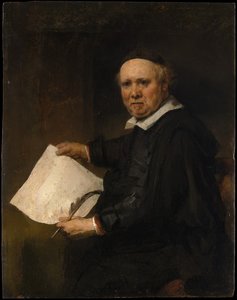
lieven cruyl
1634 -

