

 プレビュー
プレビュー
 プリントを購入
 シェアする
シェアする シェアする
シェアする
 詳細を見る
詳細を見る

 ダウンロード
 似ている作品
 X線調査
X線調査 スライドショー
Lady With a Bowl of Violets


 詳細を見る
詳細を見る




P118B $10

P118H $10

P118W $10

P438Z $10

P508JH $12

P508YH $12

P805H $10

P805Z $10

P919BZ $10

P919G $10

P919XJ $10

P959ZH $10

P968JZ $12

W106C $8

W218G $10

W218JH $8

W218Y $10

W307PJ $10

W316G $10

W316PJ $8

W316Y $10

W398PJ $8

W4111J $10

W500HY $15

W500JH $15

W692G $12

W849H $8

W940BG $15

W953PJ $8




作品のオリジナル比率に合わせた、当店の規定サイズからお選びください。

特定のフレームやスペースに合わせて、ご希望のサイズをご入力いただけます。選択されたサイズが元の画像の比率と異なる場合、アートワークをトリミングするか、手描きで要素を追加して絵画を拡張いたします。デジタルモックアップ を制作し、制作開始前にご確認(承認)をいただきます。
画面上のプレビューは、実際のトリミングや拡張を正確に反映しているものではありません。最終的な構図は、モックアップによってのみ正確にご確認いただけます。
カスタムサイズもご利用いただけますが、元の比率を維持するためには、あらかじめ用意されたリストからサイズを選択することをお勧めいたします。
ご注文後、ArtsDot.com チームより詳細な指示をお送りするとともに、仕上がりイメージ(モックアップ)をご提供いたします。


 ガラスオプションは、110cm未満のサイズでのみご利用いただけます。

Lady With a Bowl of Violets
複製技法
複製画のサイズ
-


合計金額
$ 263
作品解説
A Moment Frozen in Light: Exploring Lilla Cabot Perry’s “Lady with a Bowl of Violets”
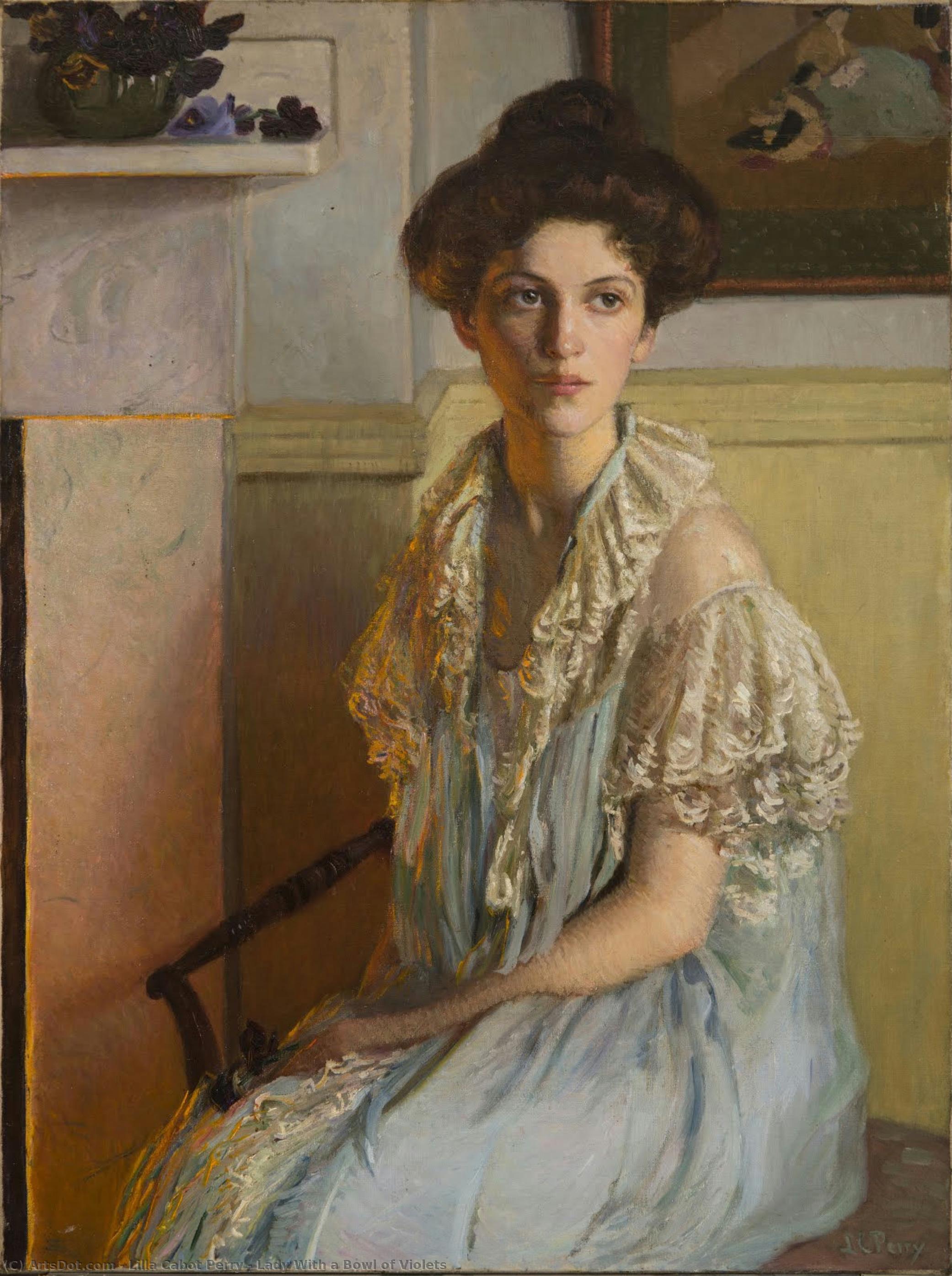
Lilla Cabot Perry's "Lady with a Bowl of Violets" isn’t merely a portrait; it’s a carefully constructed tableau, a distillation of Impressionist ideals and Japanese aesthetic principles. Painted in 1892, shortly after the Perrys’ return from a transformative journey to Japan, the canvas captures a fleeting moment of domestic tranquility – yet within that serenity lies a subtle tension, an intriguing interplay between Western artistic convention and Eastern influence. The painting invites us into a private world, offering a glimpse of a woman at rest, surrounded by the quiet beauty of her home.
Perry’s masterful use of light is immediately striking. She eschews harsh contrasts in favor of diffused illumination, mimicking the soft glow of an interior window. The warm hues—ochres, oranges, and subtle pinks—emanate from a hearth, casting long shadows that define the form of the sitter and her surroundings. This deliberate manipulation of color isn’t simply decorative; it establishes a mood of intimacy and warmth, suggesting a comfortable, lived-in space. Notice how she captures the reflected light on the lace trim of the gown – a small detail that speaks volumes about her meticulous observation and technical skill.
- Brushwork: Perry’s brushstrokes are loose and expressive, characteristic of the Impressionist movement. She employs broken color and visible texture to convey the materiality of the fabrics and surfaces.
- Composition: The cropped composition, reminiscent of Japanese woodblock prints, creates a sense of immediacy and intimacy. The deliberate exclusion of extraneous details focuses our attention entirely on the subject and her immediate environment.
- Color Palette: A harmonious blend of warm earth tones—ochres, browns, oranges—dominates the palette, creating a feeling of warmth and domesticity.
Echoes of Japan: The Influence of Eastern Art
Perry’s fascination with Japanese art is palpable throughout this painting. The cropped composition, mirroring the format of traditional Japanese prints (Ukiyo-e), is a key element. Furthermore, the placement of the framed artwork on the wall – depicting a white animal, likely a dog or bird – subtly echoes the compositional devices found in Japanese screens and paintings. This deliberate reference to Eastern aesthetics demonstrates Perry’s deep appreciation for the simplicity, elegance, and understated beauty of Japanese art.
Her journey to Japan profoundly impacted her artistic vision. She sought to capture not just a likeness but also the *spirit* of the culture – its emphasis on harmony, balance, and the ephemeral nature of beauty. The painting’s quiet stillness, combined with its carefully considered details, reflects this influence.
A Portrait of Domesticity and Female Identity
Beyond its formal qualities, “Lady with a Bowl of Violets” offers a poignant glimpse into the life of a woman in late 19th-century America. The sitter, presumed to be Perry herself or a close friend, is presented as an object of quiet contemplation – a symbol of feminine grace and domesticity. The simple floral arrangement—violets, a symbol of modesty and remembrance—further reinforces this theme.
However, there’s also a subtle sense of melancholy in the painting's mood. The cropped composition and the woman’s slightly averted gaze suggest a quiet introspection, hinting at the complexities of female identity within a restrictive social context. The emptiness on the left side of the canvas—a deliberate compositional choice—adds to this feeling of unease, creating a visual void that invites speculation about the sitter's inner life.
Rediscovering Perry: A Legacy of Impressionist Vision
Lilla Cabot Perry’s “Lady with a Bowl of Violets” is a testament to her artistic vision and her ability to synthesize diverse influences. It stands as a remarkable example of American Impressionism, infused with the spirit of Japan. Today, reproductions of this captivating painting continue to resonate with viewers, offering a glimpse into a bygone era and reminding us of the enduring power of art to capture both beauty and emotion.
関連作品
アーティストの略歴
生い立ちと初期の修練
1848年1月13日、マサチューセッツ州ボストンに生まれたリラ・キャボット・ペリーは、名門キャボット家の娘として育ちました。父サミュエル・キャボット三世と母ハナ・ローウェル・ジャクソン・キャボットは、ボストンの社交界で重要な役割を担っていました。幼少の頃から文学、言語、詩、音楽に親しみ、友人たちとのスケッチを通して絵画の才能を開花させていきました。1867年には両親と共にヨーロッパへ旅行し、そこで様々な美術作品に触れる機会を得て、芸術への情熱を深めていきます。本格的な絵画の修練は1884年にアルフレッド・クイントン・コリンズのもとで始まりましたが、その後のフランス、グレ=シュール=ロワングでの修行が彼女の作風に決定的な影響を与えました。ここではロベール・フォンノーに師事し、plein air(屋外制作)というスタイルを習得します。さらに、カミーユ・ピサロとの交流や、バーナード・ベーレンソンの紹介による旧 мастеровの作品研究を通して、彼女の芸術は新たな次元へと発展していくことになります。芸術的様式と代表作
リラ・キャボット・ペリーの絵画は、大胆な色彩と自由奔放な筆致が特徴で、印象派の影響を強く受けています。クロード・モネやカミーユ・ピサロに加え、日本の美術にも深い感銘を受け、その要素を取り入れた独自のスタイルを確立しました。「赤い帽子」はその鮮やかな色彩と奔放なタッチを象徴する作品であり、「乳幼児の肖像(マーガレット・ペリー)」は、日常の美しさを捉える彼女の才能を示しています。また、「ボートの中にて」は印象派らしい躍動感あふれるポートレートとして知られ、「トーマス・サージェント・ペリー、新聞を読む」は家庭生活を写実的に描いた作品です。「オレンジを持つ少女の肖像」では日本の影響と豊かな質感が見事に融合し、「イブニングドレスを着た婦人」は柔らかな光を通して優雅さと洗練さを表現しています。静謐な雰囲気の中で思索にふけるチェリストを描いた「チェロ奏者」、そして穏やかな美しさを湛えた風景画「日本庭園にて」、さらに自身の尊厳と知性を反映した自画像「リラ・キャボット・ペリーの肖像」も彼女の代表作として挙げられます。初期の作品である「初心者」は、正式な指導のもとで描かれた最初の試みを示しています。「シルエット」、「雨上がり」、「月と宵闇」といった印象派的な作品群は、色彩と光を通して彼女独自のスタイルを表現しています。発展と芸術的進化
リラ・キャボット・ペリーの初期の焦点は、家族の社会的地位を反映した肖像画に置かれていました。しかし、ヨーロッパの芸術家や風景との出会いによって、彼女は印象派的なアプローチへと転換していきます。日本の美学を取り入れた作品「オレンジを持つ少女の肖像」はその影響を如実に示しています。伝統的な肖像画からより自由な筆致で移ろいゆく瞬間を描写するスタイルへと進化していく中で、彼女の技法は洗練されていきます。晩年の作品では、風景画と肖像画の両方を描き続け、その印象派的なスタイルを生涯を通して磨き続けたのです。主要な功績と遺産
リラ・キャボット・ペリーは、アメリカ印象派の先駆者の一人として高く評価されています。彼女の作品は様々な美術館やギャラリーで展示され、美術界において確固たる地位を築きました。トーレード美術館やワーズワース・アセネウム美術館をはじめとする著名なコレクションに彼女の絵画が収蔵されており、その影響力は後世の芸術家たちにも及んでいます。彼女のユニークなスタイルと貢献は、世界中の美術愛好家によって称賛され続けており、アメリカ美術史における確固たる地位を確立しています。歴史的意義
リラ・キャボット・ペリーの作品は、伝統的なアカデミック絵画から近代印象派へと移行する時代の変化を反映しています。男性優位の世界であった美術界において、彼女は成功を収め、後進の女性芸術家たちへの道を切り開きました。ヨーロッパや日本の美術に触れることで、19世紀後半における文化交流が活発化していく様子も描かれています。また、彼女の肖像画や風景画を通して、社会と経済が大きく変化する時代の様々な側面が記録されています。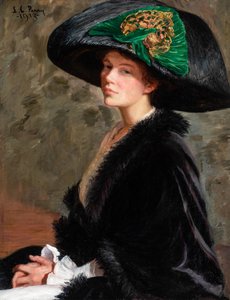
リラ・キャボット・ペリー
1848 - 1932 , アメリカ合衆国
基本情報
- Artistic Movement Or Style: アメリカ印象派
- Artists Who Influenced This Artist:
- クロード・モネ
- カミーユ・ピサロ
- Date Of Birth: 1848年1月13日
- Date Of Death: 1932年
- Full Name: リラ・キャボット・ペリー
- Nationality: アメリカ人
- Notable Artworks (List Of Titles):
- 赤い帽子
- 赤ん坊の肖像
- ボートの中
- Place Of Birth (City And Country): アメリカ合衆国 ボストン
関連記事
Lilla Cabot Perry: Pioneering American Impressionism & Society Portraiture
Discover Lilla Cabot Perry (1848-1933), a pioneering American Impressionist painter. Explore her captivating portraits of Boston society, Monet's influence, and lasting legacy in art history. Learn more at ArtsDot.

Capturing a Nation's Light: Exploring the American Impressionist Movement
Explore the captivating world of American Impressionism! Discover key artists, techniques & its lasting impact on art history. Find museum-quality reproductions and expert guidance at ArtsDot.
Frederick Childe Hassam: American Impressionism's Chronicler of Light & Modern Life
Explore the captivating world of Frederick Childe Hassam, a pioneer of American Impressionism. Discover his iconic paintings capturing light, urban life & coastal beauty. Learn about his legacy and influence on American art history.
印象派を定義する至宝:時代を超えた10傑 – 美術、画家、そして洗練された空間演出
印象派を代表する10傑の世界へ。モネ、ルノワールら巨匠の技と色彩が織りなす至高の名作を紐解きます。美術、インテリアに新たなインスピレーションを。ArtsDot.comで、博物館品質のアート複製と洗練された空間演出を見つけましょう。

Impressionism's Masterpieces: 10 Paintings That Defined a Movement | ArtsDot
Journey through Impressionism's heart with 10 iconic paintings by Monet, Renoir & Degas. Explore light, color & the stories behind these masterpieces. Find museum-quality art reproductions and elevate your home decor on ArtsDot.com.

