

 プレビュー
プレビュー
 プリントを購入
 シェアする
シェアする シェアする
シェアする
 詳細を見る
詳細を見る

 ダウンロード
 似ている作品
 X線調査
X線調査 スライドショー
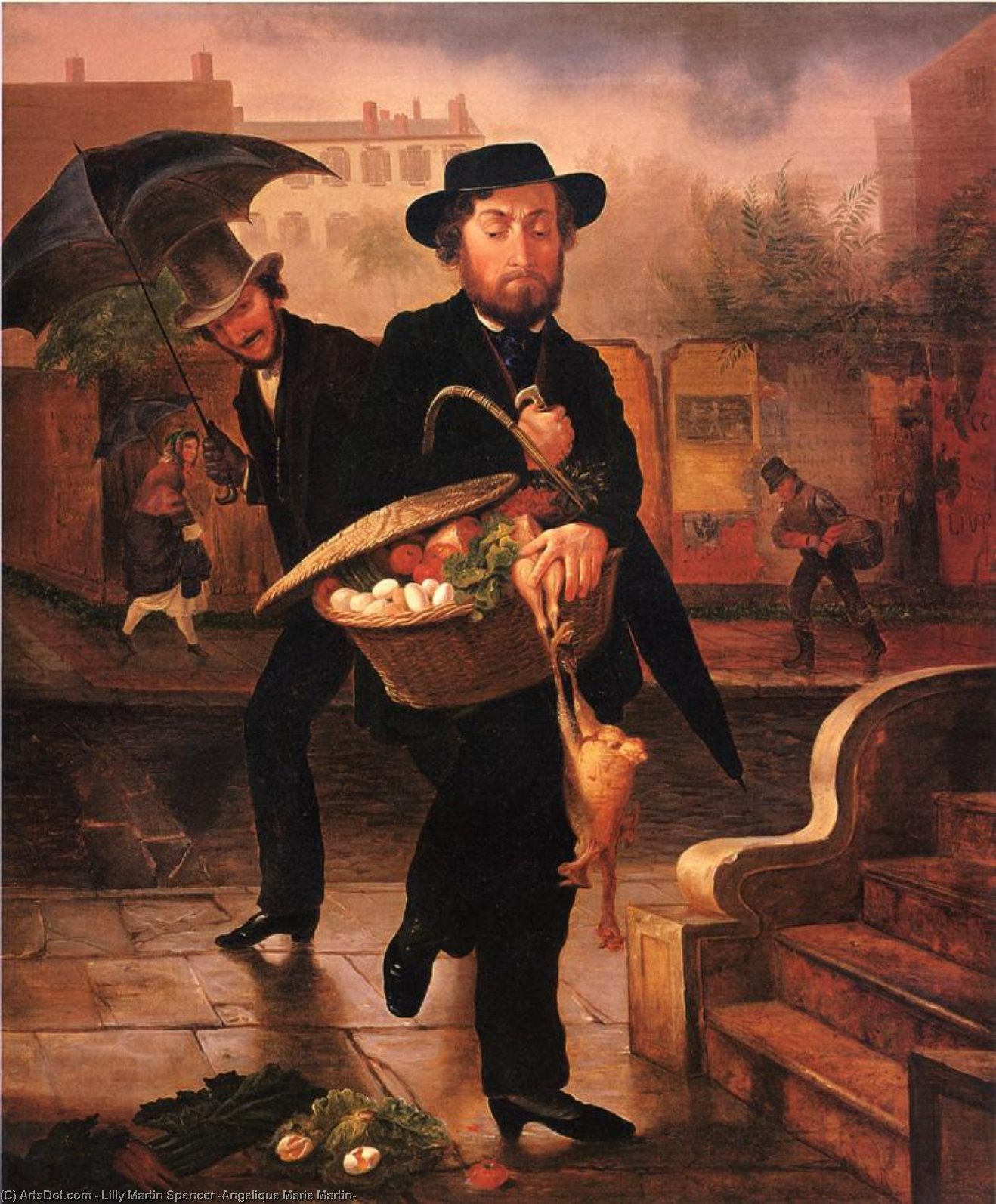
The Young Husband, First Marketing


 詳細を見る
詳細を見る
オンラインプレビューをはるかに凌ぐ、高解像度で鮮明なデジタル画像をご購入いただけます。
各ファイルは、社内の専門家が高度なツールと熟練した手作業によるレタッチを用いて、細心の注意を払って準備されています。すべての画像において、卓越した鮮明度、正確な色彩再現性、そして繊細なディテールを保証いたします。
最終ファイルは、プロフェッショナルな編集・印刷環境ですぐにご利用いただけるよう最適化された状態で、72時間以内にメールにてお届けいたします。これは、一流のデザインスタジオ、出版社、ギャラリーから信頼されているものと同等の品質です。
デジタル画像のご注文に付随する特典
高品質なデジタル画像配信を、確かな品質で。
ArtsDot.com を選ぶことは、単に画像を手に入れることではありません。それは、プロの手によって精密に仕上げられ、満足保証が付いた高品質なデジタルアートワークを受け取ることを意味します。ご注文いただいた際に自動的に付随する内容は、以下の通りです:

メールですぐにお届け
ご注文から72時間以内に、高解像度のデジタル画像ファイルがメールでお手元に届きます。すぐにそのままご利用いただけます。

AI技術で最適化されたデジタルファイル
お客様の作品は、高度なAIツールと専門家による手作業の編集を組み合わせてプロフェッショナルに最適化されており、細部のディテール、鮮明さ、そして正確な色再現性を最大限に引き出しています。

一生涯無料の再送サービス
ファイルを誤って削除したり、紛失してしまったりしましたか?ご安心ください。いつでも無料で再送いたします。

輸入手数料は一切かかりません
関税や手数料、配送料を気にすることなく、お気に入りのアートワークをすぐにお楽しみいただけます。デジタルダウンロードは常に免税です。

色彩再現の保証
プロ仕様のツールとカラーマネジメント技術を用いることで、デジタル画像が元の色を最大限に忠実に再現することを保証いたします。

60日間満足保証
ご購入いただいたデジタル画像にご満足いただけない場合は、60日以内であれば、修正または100%の返金(理由を問う必要はありません)をさせていただきます。

100% 返金保証
ご満足いただけない場合は、デジタルファイルを受け取ってから60日以内であれば、理由を問わず全額返金いたします。

まとめ買い割引
3枚購入で10%OFF - 5枚購入で15%OFF - 10枚以上購入で20%OFF。クリエイティブなプロジェクト、ギャラリー、エージェンシーに最適です。
Artistic Significance
The The Young Husband, First Marketing painting is a significant work in the American art scene, highlighting the daily struggles and joys of ordinary people. The artist's use of oil on canvas brings depth and richness to the scene, inviting the viewer to step into the world of the young husband as he navigates his first marketing experience. The painting's attention to detail, from the eggs in the basket to the umbrella held by the companion, demonstrates Spencer's commitment to capturing the essence of everyday life.- The painting measures oil on canvas, a medium that allows for intricate details and textures.
- The scene is set in a bustling street, with several people visible in the background, adding to the sense of energy and activity.
- A dog is present in the bottom right corner, adding a touch of warmth and humanity to the scene.
The Hunter Museum of American Art is a renowned institution dedicated to preserving and promoting American art. With a vast collection of artworks, including pieces by George Caleb Bingham and Philip Evergood, the museum is a must-visit destination for art enthusiasts. Visit Hunter Museum of American Art to learn more about their collections and exhibitions.
関連作品
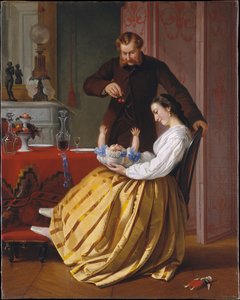
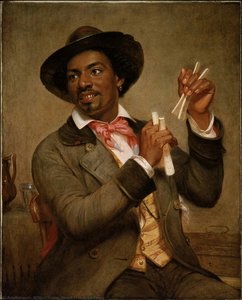
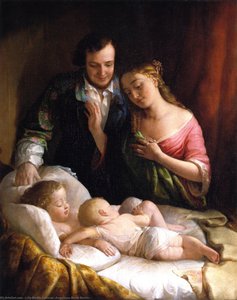
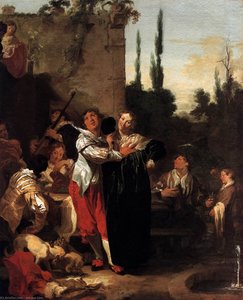
作家の略歴
Rosa Bonheur: A Pioneer of Animal Painting
Rosa Bonheur, born Marie-Rosalie Bonheur in Bordeaux in 1822, stands as a monumental figure in the history of art – a woman who not only achieved remarkable success as an artist but also challenged societal expectations and redefined what was considered acceptable for female creatives during her time. Her life story is one of relentless dedication, profound observation, and a deep connection to the natural world, particularly its animal inhabitants. From humble beginnings assisting her father, a minor landscape painter, Bonheur’s artistic journey led her to become arguably the most celebrated animal painter of the 19th century, leaving behind a legacy of powerful, emotionally resonant works that continue to captivate audiences today.Early Life and Artistic Training
Bonheur's early years were marked by an unusual upbringing for a young girl aspiring to be an artist. Her father, Oscar-Raymond Bonheur, was a landscape painter who encouraged her artistic inclinations, recognizing her talent at a remarkably young age. Despite the prevailing societal norms that limited women’s access to formal art education, Rosa received instruction from her father and later from other artists in Bordeaux. Crucially, she benefited from a family environment steeped in artistic tradition; her grandfather was a stonecutter, and her uncle was also an artist, providing a unique insight into the craft of sculpture. This familial connection fostered a deep appreciation for materials and techniques that would inform her distinctive style. Notably, Bonheur’s family adhered to Saint-Simonianism, a Christian socialist movement emphasizing education for women alongside men – a progressive stance that undoubtedly contributed to her artistic freedom and ambition.The Rise of an Animalière
Bonheur's career truly blossomed in Paris, where she moved with her family in 1829. She initially worked as a model for several prominent artists, honing her observational skills and developing a keen understanding of anatomy – particularly crucial when depicting animals with such realism. This period was invaluable, allowing her to study the nuances of form, movement, and expression firsthand. Her breakthrough came with *Ploughing in the Nivernais* (1848-1850), an enormous painting exhibited at the Salon of 1848. The work, depicting a rural scene of farmers working their fields, immediately garnered attention for its dynamic composition, meticulous detail, and palpable sense of life. It established Bonheur’s reputation as a master of animal painting and marked the beginning of her international acclaim. Subsequent successes followed, including *The Horse Fair* (1853-1855), a monumental canvas capturing the bustling atmosphere of a horse market – a work that Queen Victoria herself admired so greatly that she commissioned a miniature replica for her own collection.Technique and Style
Bonheur’s artistic approach was characterized by intense observation, tireless sketching, and an unwavering commitment to realism. She spent countless hours studying animals in their natural habitats, meticulously documenting their movements, postures, and expressions. Her preparatory sketches are a testament to this dedication, revealing the depth of her understanding of animal anatomy and behavior. Unlike many artists who relied on idealized representations, Bonheur depicted animals with unflinching honesty – capturing both their beauty and their inherent wildness. She employed a technique of layering paint in thin glazes, building up color gradually to achieve remarkable luminosity and texture. Her brushwork was often loose and expressive, conveying the energy and vitality of her subjects. Her sculptures, too, reflected this commitment to realism, showcasing an extraordinary ability to capture the essence of animal form.Legacy and Historical Significance
Rosa Bonheur’s impact on art history extends far beyond her individual achievements. She shattered gender barriers in a male-dominated field, becoming one of the most successful female artists of her era. Her success challenged prevailing societal assumptions about women's roles and capabilities, paving the way for future generations of female artists. Furthermore, Bonheur’s focus on animal subjects – often overlooked by mainstream art—brought attention to the beauty and complexity of the natural world. Her paintings and sculptures continue to be admired for their technical skill, emotional resonance, and profound connection to the animal kingdom. She remains a powerful symbol of artistic determination, innovation, and the enduring power of observation. Despite persistent rumors surrounding her personal life – fueled by speculation about her relationships with women – Bonheur remained steadfast in her dedication to her art, leaving behind a body of work that stands as a testament to her extraordinary talent and unwavering spirit.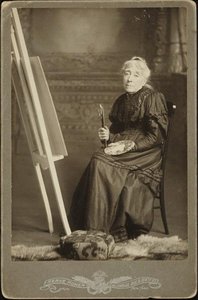
lilly martin spencer (angelique marie martin)
1822 - 1902 , United Kingdom
プロフィール概要
- Artistic Movement Or Style: Animalière painting & sculpture
- Artists Or Movements Influenced By This Artist: ['Neoclassical']
- Artists Who Influenced This Artist: ['Oscar-Raymond Bonheur']
- Date Of Birth: 16 March 1822
- Date Of Death: 25 May 1899
- Full Name: Rosa Bonheur
- Nationality: French
- Notable Artworks:
- Ploughing in the Nivernais
- The Horse Fair
- Place Of Birth: Bordeaux, France

