

 プレビュー
プレビュー
 プリントを購入
 シェアする
シェアする シェアする
シェアする
 詳細を見る
詳細を見る

 ダウンロード
 似ている作品
 X線調査
X線調査 スライドショー
North Harbour


 詳細を見る
詳細を見る




P118B $10

P118H $10

P118W $10

P438Z $10

P508JH $12

P508YH $12

P805H $10

P805Z $10

P919BZ $10

P919G $10

P919XJ $10

P959ZH $10

P968JZ $12

W106C $8

W218G $10

W218JH $8

W218Y $10

W307PJ $10

W316G $10

W316PJ $8

W316Y $10

W398PJ $8

W4111J $10

W500HY $15

W500JH $15

W692G $12

W849H $8

W940BG $15

W953PJ $8




作品のオリジナル比率に合わせた、当店の規定サイズからお選びください。

特定のフレームやスペースに合わせて、ご希望のサイズをご入力いただけます。選択されたサイズが元の画像の比率と異なる場合、アートワークをトリミングするか、手描きで要素を追加して絵画を拡張いたします。デジタルモックアップ を制作し、制作開始前にご確認(承認)をいただきます。
画面上のプレビューは、実際のトリミングや拡張を正確に反映しているものではありません。最終的な構図は、モックアップによってのみ正確にご確認いただけます。
カスタムサイズもご利用いただけますが、元の比率を維持するためには、あらかじめ用意されたリストからサイズを選択することをお勧めいたします。
ご注文後、ArtsDot.com チームより詳細な指示をお送りするとともに、仕上がりイメージ(モックアップ)をご提供いたします。


 ガラスオプションは、110cm未満のサイズでのみご利用いただけます。

North Harbour
複製技法
複製画のサイズ
-


合計金額
$ 263
A Symphony of Maritime Life
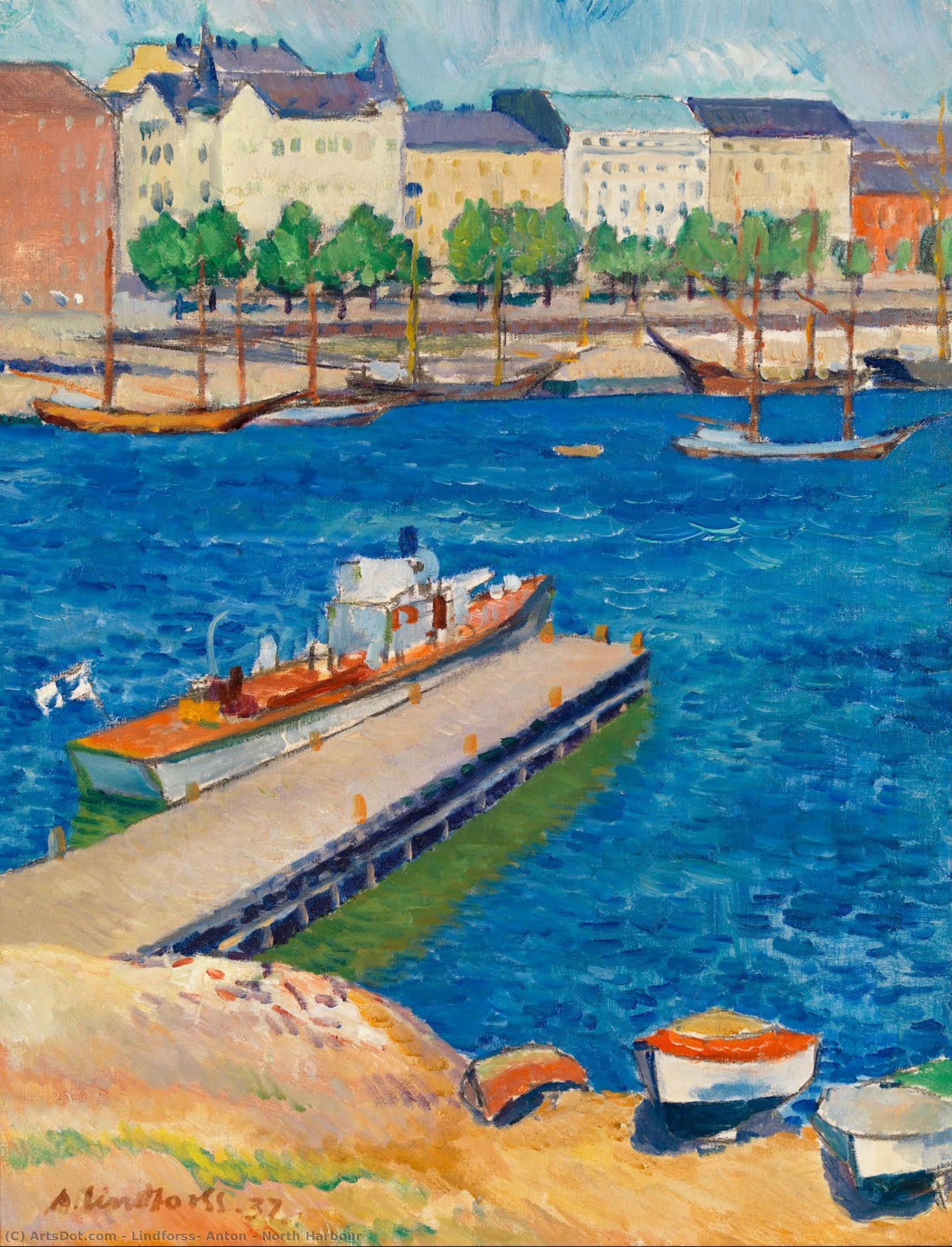
In the quietude of 1937, Anton Lindforss captured a moment of profound maritime vitality in his evocative work, North Harbour. This painting serves as a window into a bustling waterfront, where the rhythmic dance of vessels against the water creates a sense of enduring movement. The composition is masterfully arranged, featuring a diverse fleet of at least twelve boats that range from sturdy, larger vessels to delicate, smaller crafts. Each boat is positioned with intention, guiding the viewer's eye through the harbor's intricate layout. Amidst this sea of masts and hulls, a solitary figure stands near one of the larger ships, providing a human connection to the vastness of the scene. This presence suggests a narrative of stewardship and quiet contemplation, grounding the expansive seascape in a relatable, everyday reality.
The technique employed by Lindforss reflects his roots in Finnish expressionism, utilizing a palette that breathes life into the coastal atmosphere. Through the application of color and form, the artist manages to convey not just the physical presence of the harbor, but its very soul. The interplay of light upon the water and the structural silhouettes of the docked boats create a textured visual experience that is both captivating and serene. For the discerning collector or interior designer, this piece offers a sophisticated balance of complexity and tranquility, making it an ideal centerpiece for spaces that seek to evoke the refreshing essence of the sea and the timeless allure of coastal life.
Historical Resonance and Artistic Legacy
To understand North Harbour is to understand the era of its creation. Painted during a period of significant transition in European art, Lindforss’s work carries the weight of his identity as a prominent figure within the Finnish art scene. As an artist associated with the bold colors and distorted forms characteristic of the November Group, Lindforss brings a unique tension to this maritime subject. While the scene depicts a peaceful harbor, there is an underlying energy—a pulse of life that speaks to the industrious spirit of the North. The painting stands as a testament to his ability to blend the observational accuracy of a landscape painter with the emotional depth of an expressionist.
For those looking to adorn a home or gallery with a high-quality reproduction, this artwork offers more than mere decoration; it offers a piece of history. The emotional impact of North Harbour lies in its ability to transport the viewer to a specific time and place, evoking nostalgia for a slower, more rhythmic way of life. It is a work that invites long periods of study, revealing new layers of light and shadow with every glance. Whether placed in a modern minimalist setting or a classic, richly textured room, this painting serves as an anchor of beauty, bringing the enduring spirit of the Finnish coast into the contemporary interior.
関連作品
アーティストの略歴
Vincent van Gogh: A Life Painted in Light and Emotion
Vincent van Gogh, a name synonymous with passionate brushstrokes and intensely colored landscapes, remains one of the most recognizable figures in art history. Born in 1853 in Groot-Zundert, Netherlands, his life was tragically short – just thirty-seven years – yet within that brief span, he produced over two thousand works: paintings, drawings, and prints that continue to resonate with viewers today. More than simply an artist, Van Gogh was a man wrestling with profound personal struggles, seeking solace and expression through the vibrant language of color and form. His journey from a struggling art dealer to a celebrated visionary is a testament to the power of dedication, self-discovery, and ultimately, artistic genius.
Early Life and Artistic Beginnings
Vincent Willem van Gogh was the eldest son of a Dutch Reformed minister and Anna Cornelia Carbentus. He displayed an early aptitude for drawing, receiving his first lessons from his grandfather. However, he initially pursued various careers – art dealer, teacher, and missionary – before realizing his true calling at the age of twenty-seven. This decision to dedicate himself entirely to painting was a radical shift, driven by a deep desire to capture the essence of life and experience. His early artistic training was largely self-directed, relying on copying prints and studying drawing manuals like Charles Bargue’s *Exercises au fusain*. He honed his skills in Nuenen, Netherlands, from 1882 to 1885, producing a series of intensely personal works depicting peasant life – the iconic *Potato Eaters* being perhaps the most poignant example. These early paintings are characterized by their somber palette and rough, expressive brushwork, reflecting Van Gogh’s desire to connect with the realities of everyday existence.
Parisian Influence and Artistic Transformation
In 1886, Van Gogh moved to Paris, a pivotal moment in his artistic development. The vibrant energy of the city, coupled with exposure to the Impressionist and Neo-Impressionist movements, profoundly impacted his style. He encountered works by artists like Monet, Renoir, Degas, and Seurat, absorbing their techniques of capturing light and color. He experimented with brighter palettes, looser brushstrokes, and a greater emphasis on depicting fleeting moments. The influence of the Neo-Impressionists, particularly Paul Signac’s pointillist technique, is evident in his *Self-Portrait with a Straw Hat*, painted during this period. However, Van Gogh never fully embraced these styles; he retained his own unique vision, blending Impressionistic techniques with his deeply personal emotional expression.
Southern France and the Emergence of Style
Seeking respite from Parisian life and a more idyllic setting, Van Gogh moved to Arles in Provence in 1888. This period marked a significant shift in his artistic focus. He was captivated by the intense sunlight, vibrant colors, and dramatic landscapes of southern France, producing some of his most celebrated works – *Sunflowers*, *Bedroom in Arles*, and *The Starry Night*. He envisioned establishing an artist’s colony in Arles, hoping to create a community where artists could share ideas and inspire one another. However, this dream was shattered by a violent confrontation with Paul Gauguin, which led to Van Gogh's self-inflicted mutilation and subsequent hospitalization.
Late Works and Legacy
Despite his mental health struggles, Van Gogh continued to paint during his time at the Saint-Paul-de-Mausole asylum in Saint-Rémy. His late works are characterized by an even more intense emotionality and a heightened sense of movement. *Wheatfield with Crows* and *The Starry Night*, painted from the window of his room, exemplify this period. These paintings are not simply representations of landscapes; they are expressions of Van Gogh’s inner turmoil and spiritual yearning. He died in Auvers-sur-Oise in 1890, shortly after moving to a rural village with Dr. Gachet. Although he sold only one painting during his lifetime (*The Red Vineyard*), his work gained recognition posthumously, becoming hugely influential on the development of Expressionism and shaping modern art as we know it. Today, Vincent van Gogh’s paintings are treasured for their raw emotion, innovative use of color, and enduring power to connect with viewers across generations.
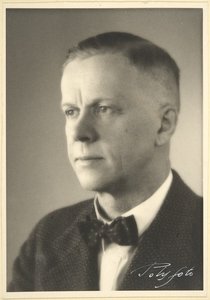
lindforss, anton
1890 - 1943 , Finland
基本情報
- Artistic Movement Or Style: Post-Impressionism
- Artists Or Movements Influenced By This Artist: ['Expressionism']
- Artists Who Influenced This Artist: ['Vincent van Gogh']
- Date Of Birth: March 30, 1853
- Date Of Death: July 29, 1890
- Full Name: Vincent Willem van Gogh
- Nationality: Dutch
- Notable Artworks:
- Starry Night
- Sunflowers
- Bedroom in Arles
- Place Of Birth: Netherlands
関連記事
Boats on Canvas: 10 Masterpieces of Maritime Art for Your Home Decor
Sail away with 10 iconic boat paintings! Explore masterpieces by Monet, Van Gogh & Turner. Discover the stories behind these timeless seascapes and find museum-quality art reproductions for your home decor at ArtsDot.com.
Navigating Symbolism & Sentiment: A Comprehensive Exploration of Boats in Art History
Explore the rich history of boats in art! Discover symbolism & style from ancient myths to Impressionist masterpieces. Expert insights for collectors at ArtsDot.
Akseli Gallen-Kallela: Shaping Finnish Identity Through National Romanticism & Symbolism
Explore the captivating world of Akseli Gallen-Kallela, Finland's iconic National Romantic painter. Discover his symbolic landscapes, Kalevala illustrations & lasting impact on Finnish identity. Expert analysis & high-quality reproductions at ArtsDot.
Figurative Expressionism: Emotional Intensity & Subjective Reality in 20th-Century Art
Explore the powerful world of Figurative Expressionism with ArtsDot. Discover key artists like Kirchner & Beckmann, understand its emotional depth, and learn how to collect this influential 20th-century art movement.
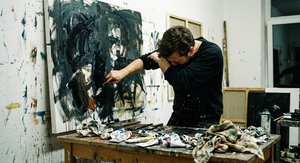
The Raw Emotion of Expressionism: A Deep Dive into its History, Characteristics & Enduring Influence
Explore the raw emotion of Expressionism with ArtsDot. Discover its history, key artists like Kirchner & Munch, and lasting influence on modern art. Expert insights for collectors & enthusiasts.