

 プレビュー
プレビュー
 プリントを購入
 シェアする
シェアする シェアする
シェアする
 詳細を見る
詳細を見る

 ダウンロード
 似ている作品
 X線調査
X線調査 スライドショー
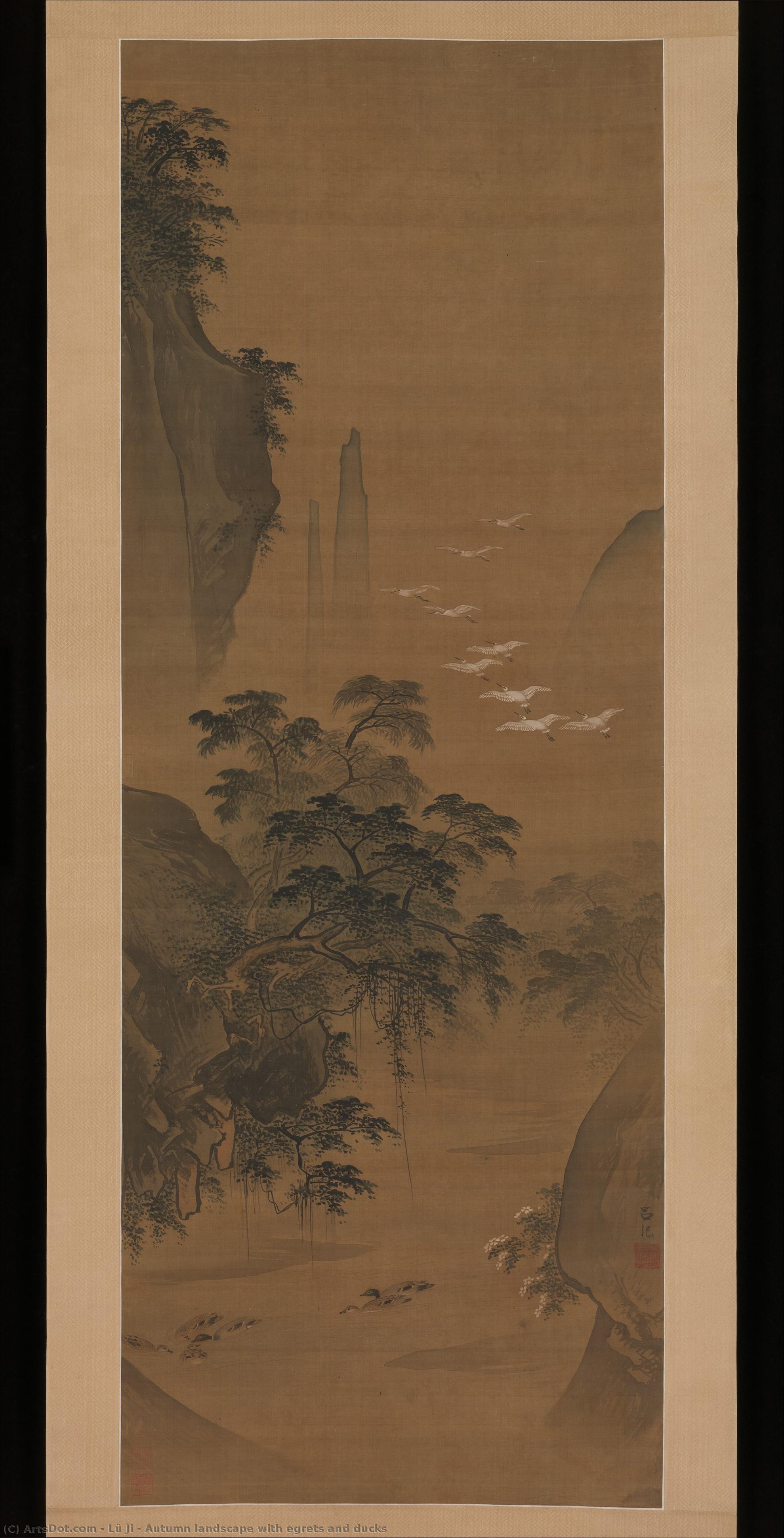
Autumn landscape with egrets and ducks
 401
401 148.0cm x 55.0cm
 詳細を見る
詳細を見る
オンラインプレビューをはるかに凌ぐ、高解像度で鮮明なデジタル画像をご購入いただけます。
各ファイルは、社内の専門家が高度なツールと熟練した手作業によるレタッチを用いて、細心の注意を払って準備されています。すべての画像において、卓越した鮮明度、正確な色彩再現性、そして繊細なディテールを保証いたします。
最終ファイルは、プロフェッショナルな編集・印刷環境ですぐにご利用いただけるよう最適化された状態で、72時間以内にメールにてお届けいたします。これは、一流のデザインスタジオ、出版社、ギャラリーから信頼されているものと同等の品質です。
デジタル画像のご注文に付随する特典
高品質なデジタル画像配信を、確かな品質で。
ArtsDot.com を選ぶことは、単に画像を手に入れることではありません。それは、プロの手によって精密に仕上げられ、満足保証が付いた高品質なデジタルアートワークを受け取ることを意味します。ご注文いただいた際に自動的に付随する内容は、以下の通りです:

メールですぐにお届け
ご注文から72時間以内に、高解像度のデジタル画像ファイルがメールでお手元に届きます。すぐにそのままご利用いただけます。

AI技術で最適化されたデジタルファイル
お客様の作品は、高度なAIツールと専門家による手作業の編集を組み合わせてプロフェッショナルに最適化されており、細部のディテール、鮮明さ、そして正確な色再現性を最大限に引き出しています。

一生涯無料の再送サービス
ファイルを誤って削除したり、紛失してしまったりしましたか?ご安心ください。いつでも無料で再送いたします。

輸入手数料は一切かかりません
関税や手数料、配送料を気にすることなく、お気に入りのアートワークをすぐにお楽しみいただけます。デジタルダウンロードは常に免税です。

色彩再現の保証
プロ仕様のツールとカラーマネジメント技術を用いることで、デジタル画像が元の色を最大限に忠実に再現することを保証いたします。

60日間満足保証
ご購入いただいたデジタル画像にご満足いただけない場合は、60日以内であれば、修正または100%の返金(理由を問う必要はありません)をさせていただきます。

100% 返金保証
ご満足いただけない場合は、デジタルファイルを受け取ってから60日以内であれば、理由を問わず全額返金いたします。

まとめ買い割引
3枚購入で10%OFF - 5枚購入で15%OFF - 10枚以上購入で20%OFF。クリエイティブなプロジェクト、ギャラリー、エージェンシーに最適です。
作品の詳細
関連作品









作家の略歴
The Radiant Master of Ming Dynasty Bird-and-Flower Painting
Lü Ji, a name synonymous with the luminous splendor of the Ming Dynasty, stands as one of the most revered figures in the long tapestry of Chinese art history. Born in the culturally rich region of Ningbo, Zhejiang Province, his life unfolded during a period of significant artistic revival. Whether viewed through the lens of his early years around 1429 or the later era of the mid-Ming, Lü Ji’s presence was felt as a master who could bridge the gap between meticulous technical skill and profound emotional resonance. As a professional painter, he achieved a level of distinction that saw him summoned to serve as a court painter during the Hongzhi period, eventually earning an honorary title as an officer in the imperial guard—a rare feat for an artist of his era.
The foundation of Lü Ji’s brilliance was laid through rigorous study and exposure to the evolving aesthetics of his time. He drew deep inspiration from the pioneering bird-and-flower style championed by Bian Wenjin, a movement dedicated to recapturing the grandeur and vitality of the Tang Dynasty. This training instilled in him an unwavering devotion to the precise observation of nature. His technique became a sophisticated marriage of "fine-brushwork" and "sketching-idea," allowing him to capture both the physical texture of a petal and the spiritual essence of a living creature. While some contemporary scholar-painters, such as the legendary Shen Zhou, occasionally critiqued his descriptive style as being merely "of the hand" rather than "of the heart," it was precisely this masterful command of the brush that allowed Lü Ji to achieve a level of naturalness and splendor that few could replicate.
A Symphony of Color and Symbolism
To gaze upon a work by Lü Ji is to enter a world of vibrant, breathing landscapes. His canvases often exploded with a luminous palette—crimson reds, emerald greens, and sapphire blues—that transformed silk and paper into breathtaking panoramas of the natural world. He was a master of the Southern Song ink-wash tradition, yet he infused it with a uniquely Ming vibrancy that made his compositions feel both timeless and immediate. His ability to utilize bright coloring to create depth and movement allowed him to dominate the bird-and-flower genre, creating works that were as much about emotional impact as they were about botanical accuracy.
Beyond the sheer visual delight of his work lies a profound layer of cultural meaning. Lü Ji utilized the natural world as a vocabulary for human virtues and cosmic harmony. In his masterpieces, every element serves a symbolic purpose:
- Peacocks: Representing beauty, dignity, and the concept of immortality.
- Pine Trees: Standing as enduring symbols of longevity and steadfastness amidst the changing seasons.
- Peonies: Embodying wealth, honor, and the flourishing of prosperity.
- Mandarin Ducks: Often depicted in pairs to evoke themes of marital fidelity and harmonious companionship.
Through these motifs, Lü Ji’s paintings became more than mere decorations for the imperial court; they were visual meditations on Confucian ideals of balance and the eternal beauty of the natural order.
Legacy of the Imperial Brush
The historical significance of Lü Ji lies in his ability to elevate professional painting to a level of unparalleled prestige. By mastering the delicate balance between centered brushwork and rounded, upright strokes, he created a standard of excellence that influenced generations of subsequent painters. His work represents a pinnacle of the middle Ming Dynasty’s artistic output, where the technical precision of the "professional" met the grand scale of imperial patronage. Even today, his ability to capture the fleeting essence of a blossom or the dynamic energy of a bird remains a testament to his genius, ensuring that his name continues to resonate within the halls of art history as a true master of light, color, and life.
プロフィール概要
- Artistic Movement Or Style: Bird-and-flower painting; Southern Song ink wash style
- Artists Or Movements Influenced By This Artist: ['']
- Artists Who Influenced This Artist: ['Bian Wenjin']
- Date Of Birth: Ningbo, China ()
- Date Of Death: Living
- Full Name: Liu Chi or Lü Ji or Lü Ki
- Nationality: Chinese
- Notable Artworks:
- Mandarin ducks and cotton rose hibiscus
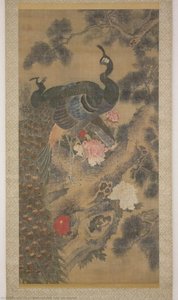
- Peacocks, Pine Tree, and Peonies
- Autumn landscape with egrets and ducks
- Place Of Birth: Ningbo, Zhejiang

