

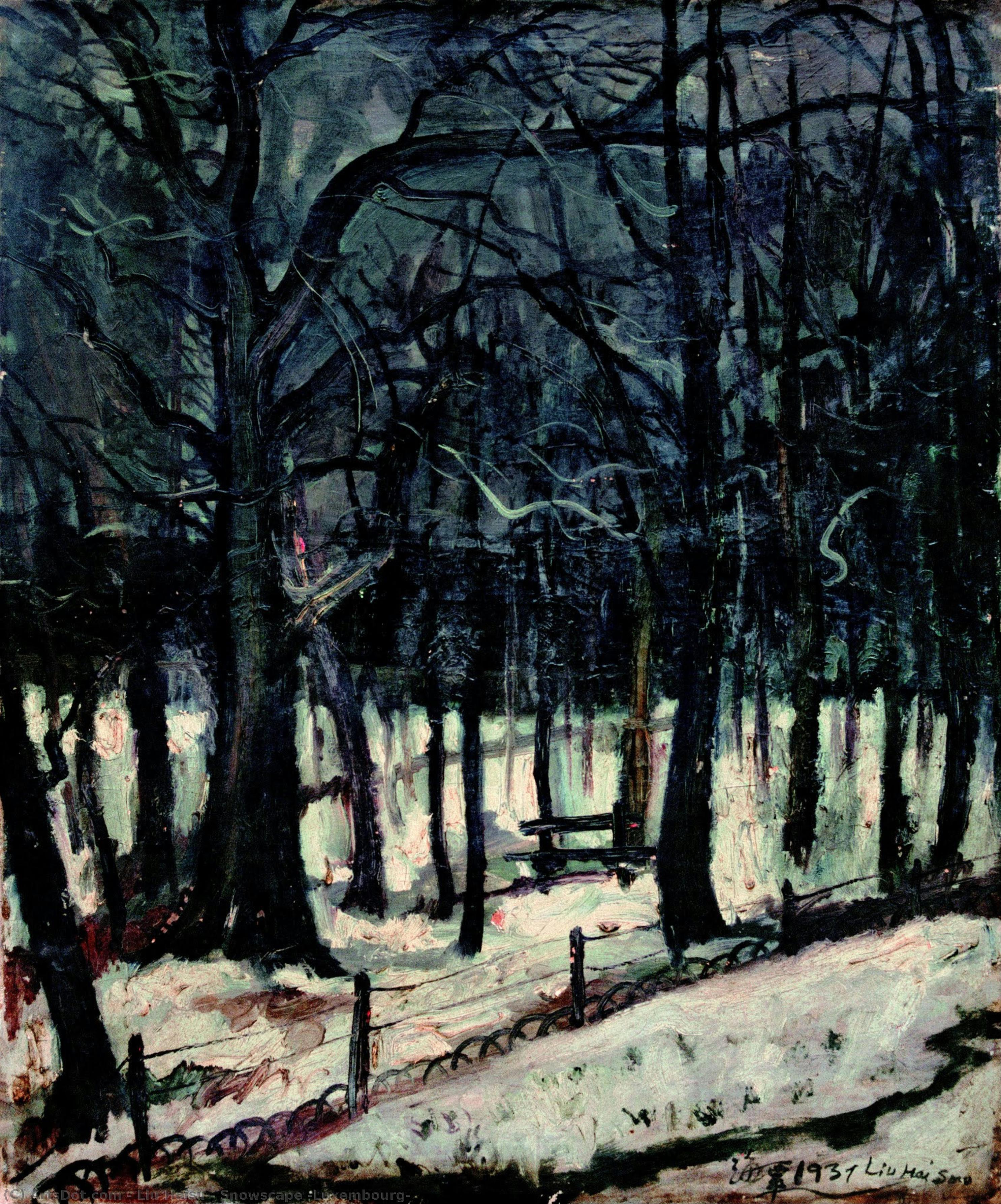
 プレビュー
プレビュー
 シェアする
シェアする シェアする
シェアする
 詳細を見る
詳細を見る

 ダウンロード
 似ている作品
 X線調査
X線調査 スライドショー
 Stats
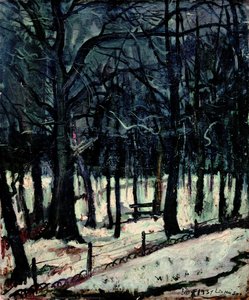
StatsSnowscape (Luxembourg)

 詳細を見る
詳細を見る
ジークレー/アートプリント
迅速な制作と多彩な仕上げオプションを備えた、ミュージアムクオリティのジークレーまたはキャンバスプリント。 ( 手描きの絵画を購入 Switch to Digital Image)




































作品のオリジナル比率に合わせた、当店の規定サイズからお選びください。

特定のフレームやスペースに合わせて、ご自身でサイズを指定することも可能です。選択されたサイズが元の画像の比率と一致しない場合、作品をトリミングするか、鏡面反射または単色での塗りつぶしによって画像を拡張いたします。制作を開始する前に、ご確認用のデジタルモックアップをお送りいたします。
画面上のプレビューには、実際のトリミングや拡張は反映されませんのでご注意ください。最終的な構図を正確に確認できるのは、モックアップのみとなります。
カスタムサイズも承っておりますが、元の比率を維持するためには、あらかじめ用意されたリストからサイズを選択することをお勧めいたします。


 ガラスオプションは、110cm未満のサイズでのみご利用いただけます。

Snowscape (Luxembourg)
ジークレー/アートプリント
複製画のサイズ
-


合計金額
$ 62
関連作品







アーティストの略歴
The Visionary Spirit of Liu Haisu
In the grand tapestry of twentieth-century Chinese art, few threads shine as brightly or as provocatively as those woven by Liu Haisu. Born Pan Jifang in 1896, this transformative figure emerged from the Jiangsu Province not merely as a painter, but as a revolutionary force who dared to bridge the ancient traditions of the East with the burgeoning modernism of the West. Often revered as one of the “Four Great Academy Presidents,” Liu Haisu possessed an unyielding spirit that sought to dismantle the rigid hierarchies of traditional art education, replacing them with a vibrant, experimental pedagogy that would forever alter the course of Chinese aesthetic history.
His journey began in the quiet intensity of solitary study, but his ambitions were far from small. At the tender age of fourteen, he ventured to Shanghai to enroll in the Shanghai Art School under the direction of Zhou Xiang. It was here that the seeds of a global perspective were sown. Immersed in European painting traditions, Liu developed a profound fascination with realism and the raw beauty of the natural world. He became a pioneer of practices that were, at the time, considered scandalous by the conservative scholarly elite—most notably the introduction of nude modeling and open-air painting. While critics branded him an “artistic traitor,” Liu remained steadfast, viewing these techniques not as a rejection of Chinese heritage, but as a necessary infusion of vitality into a stagnant medium.
A Legacy of Educational Revolution
The year 1912 marked a watershed moment in the history of modern Chinese art when, alongside his colleagues Wu Shiguang and Zhang Yunguang, Liu Haisu co-founded the Shanghai Academy of Fine Arts. This institution was more than just a school; it was the first professional fine arts academy in modern China, serving as a sanctuary for innovation and a laboratory for new ideas. Through this academy, Liu championed the radical concept of coeducation and introduced a curriculum that encouraged students to observe life directly from nature. His influence extended far beyond the classroom, as he later founded China’s first fine art theory magazine, The Fine Arts, in 1920, providing a much-needed platform for intellectual discourse on the evolving role of the artist in a modernizing society.
His travels further enriched this educational mission. Between 1929 and 1931, Liu journeyed through Europe, walking the same paths as masters like Matisse and Picasso. These encounters with Western Impressionism and Fauvism breathed new life into his brushwork, allowing him to synthesize a unique style that blended the expressive power of oil painting with the lyrical elegance of traditional Chinese ink. Upon his return to China, he continued to serve as a vital link between global movements and local talent, teaching legendary figures such as Pan Yuliang and later presiding over the East China Fine Art School, which would evolve into the prestigious Nanjing Art Institute.
Mastery of Ink and Light
The true essence of Liu Haisu’s genius lies in his ability to harmonize seemingly contradictory worlds. His oeuvre is a breathtaking dialogue between oil painting and ink painting (guohua). In his landscapes, particularly those inspired by the majestic Huangshan mountains, one can witness a masterful command of light and atmosphere. He utilized the bold, spontaneous strokes characteristic of modernism to capture the mist-shrouded peaks and rugged terrain, yet he never lost the rhythmic, calligraphic soul that defines Chinese tradition.
His artistic achievements are characterized by several defining elements:
- Stylistic Synthesis: The seamless integration of Western light and shadow with the fluid, expressive energy of traditional Chinese brushwork.
- Pioneering Techniques: The courageous implementation of plein-air painting and anatomical study to bring a new sense of realism to Chinese subjects.
- Cultural Diplomacy: Acting as a bridge between East and West through his travels, writings, and the introduction of European masters' philosophies to a Chinese audience.
- Institutional Impact: The establishment of foundational art academies that provided the structural backbone for modern art education in China.
As we look back upon the life of Liu Haisu, we see more than just a prolific painter; we see a titan who stood at the crossroads of history. He navigated the turbulent waters of political change and social upheaval with his brush held high, ensuring that the flame of creativity would continue to burn brightly in a new era. His legacy remains etched in every sweeping stroke of ink and every vibrant layer of oil, reminding us that true art is a fearless pursuit of truth, beauty, and transformation.
liu haisu
1896 - 1994
基本情報
- Artistic Movement Or Style: Modern Chinese Art
- Artists Or Movements Influenced By This Artist:
- Jean-François Millet
- Paul Cézanne
- Artists Who Influenced This Artist: ['Zhou Xiang']
- Date Of Birth: 1896
- Date Of Death: 1994
- Full Name: Liu Haisu
- Nationality: Chinese
- Notable Artworks:
- Snowscape (Luxembourg)
- LANDSCAPE AFTER SHITAO
- Summits of Mount Huang
- Place Of Birth: Shanghai, China