

 プレビュー
プレビュー
 シェアする
シェアする シェアする
シェアする
 詳細を見る
詳細を見る

 ダウンロード
 似ている作品
 X線調査
X線調査 スライドショー
 Stats
StatsRevolutionary Family Series: Elder Brother


 詳細を見る
詳細を見る
手描き油彩複製画
当社のアーティストが、お客様のご希望のサイズと額縁に合わせて、キャンバスに手描きで制作する油彩画です。 ( Switch to Print Switch to Digital Image)




P118B $10

P118H $10

P118W $10

P438Z $10

P508JH $12

P508YH $12

P805H $10

P805Z $10

P919BZ $10

P919G $10

P919XJ $10

P959ZH $10

P968JZ $12

W106C $8

W218G $10

W218JH $8

W218Y $10

W307PJ $10

W316G $10

W316PJ $8

W316Y $10

W398PJ $8

W4111J $10

W500HY $15

W500JH $15

W692G $12

W849H $8

W940BG $15

W953PJ $8




作品のオリジナル比率に合わせた、当店の規定サイズからお選びください。

特定のフレームやスペースに合わせて、ご希望のサイズをご入力いただけます。選択されたサイズが元の画像の比率と異なる場合、アートワークをトリミングするか、手描きで要素を追加して絵画を拡張いたします。デジタルモックアップ を制作し、制作開始前にご確認(承認)をいただきます。
画面上のプレビューは、実際のトリミングや拡張を正確に反映しているものではありません。最終的な構図は、モックアップによってのみ正確にご確認いただけます。
カスタムサイズもご利用いただけますが、元の比率を維持するためには、あらかじめ用意されたリストからサイズを選択することをお勧めいたします。
ご注文後、ArtsDot.com チームより詳細な指示をお送りするとともに、仕上がりイメージ(モックアップ)をご提供いたします。


 ガラスオプションは、110cm未満のサイズでのみご利用いただけます。

Revolutionary Family Series: Elder Brother
複製技法
複製画のサイズ
-


合計金額
$ 263
A Tender Encounter in the Revolutionary Series
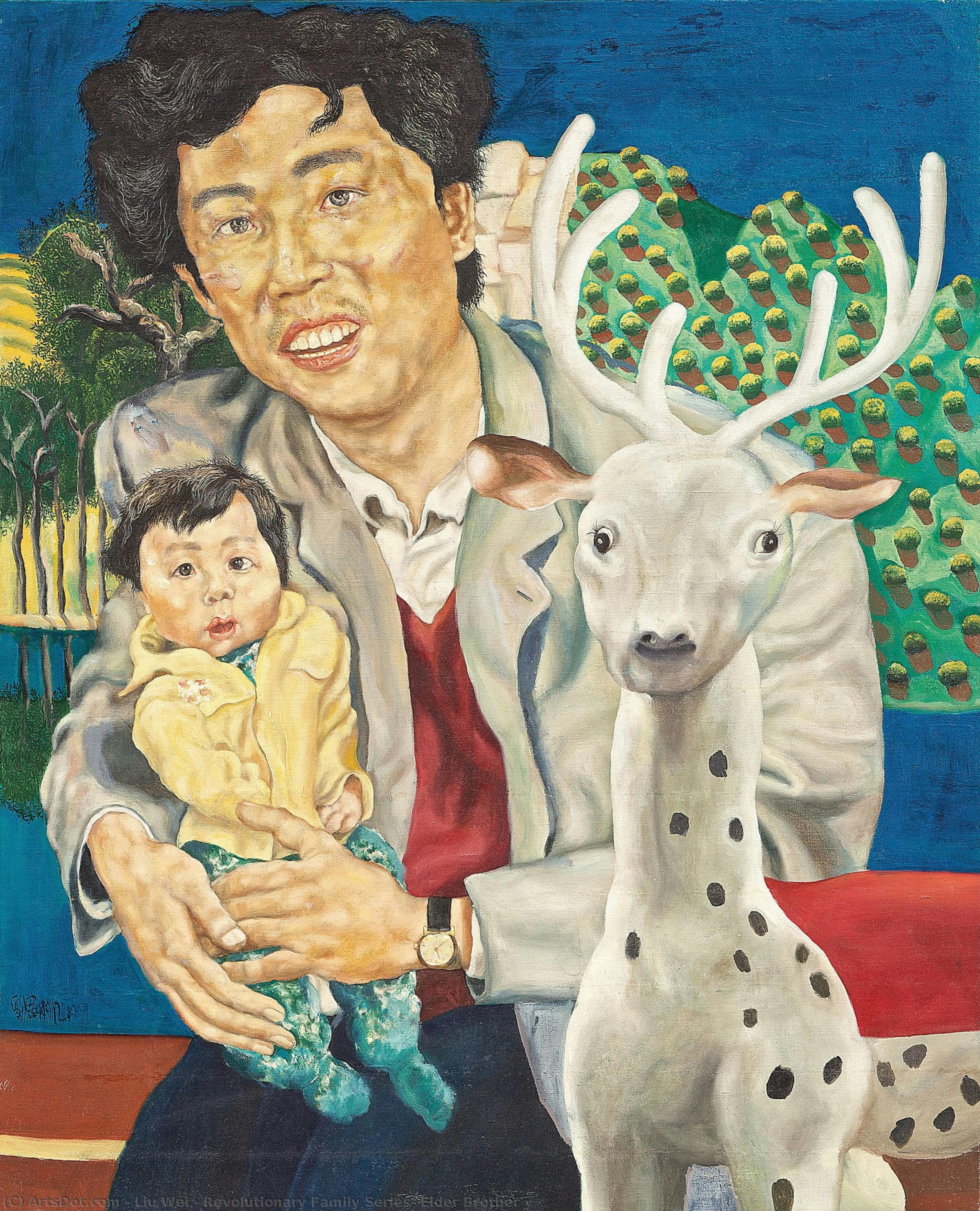
In the evocative masterpiece Revolutionary Family Series: Elder Brother, the contemporary Chinese master Liu Wei invites us into a scene that feels simultaneously intimate and profoundly symbolic. At first glance, the painting captures a moment of pure, unadulterated warmth: a man, his face alight with a gentle smile, cradles a young child against his chest. Beside them stands a deer, its antlers reaching upward, eyes seemingly fixed upon the viewer with an almost sentient curiosity. This central trio—man, child, and creature—forms a triad of innocence and connection that anchors the composition in a sense of primordial peace. Yet, as one lingers on the canvas, the surrounding elements begin to weave a more complex narrative of presence and absence.
The composition is layered with subtle depth, featuring figures positioned in the periphery that suggest a larger, perhaps more structured social or familial landscape. A figure near the top left and another receding into the background toward the right create a sense of spatial continuity, hinting at a world that extends far beyond this immediate embrace. The inclusion of a solitary chair nestled between the man and the deer adds a touch of domesticity, grounding the ethereal quality of the encounter in a tangible, lived-in reality. It is this delicate balance between the wildness of the deer and the structured elements of human life that gives the work its enduring intrigue.
The Artistry of Liu Wei: Chaos and Connection
To understand the emotional weight of this piece, one must consider the artistic journey of Liu Wei. Emerging from the seismic cultural shifts of Beijing in the 1970s and 90s, Liu Wei has spent his career navigating what he calls a "cartography of chaos." His technique in this work reflects a sophisticated mastery of form and light, moving away from the rigid conventions of his early training to embrace a more fluid, expressive language. The brushwork, while controlled, possesses an organic vitality that breathes life into the textures of the man's skin, the soft fur of the deer, and the atmospheric depth of the background.
For collectors and interior designers alike, this painting offers a unique opportunity to introduce a piece that transcends mere decoration. It is a work of profound psychological depth, capable of serving as a focal point in a sophisticated gallery or a soulful addition to a curated residential space. The painting does not merely sit upon a wall; it commands the room, inviting contemplation on the themes of lineage, the preservation of innocence, and our enduring relationship with the natural world. Whether viewed as a study of familial love or a meditation on the coexistence of humanity and nature, Elder Brother remains a captivating testament to the power of contemporary Chinese portraiture.
関連作品
アーティストの略歴
A Cartography of Chaos: The World of Liu Wei
Born in Beijing in 1972, Liu Wei emerged from a China undergoing seismic transformation—a period defined by breakneck urbanization, economic upheaval, and a burgeoning sense of cultural anxiety. This context is not merely biographical detail for Liu; it’s the very bedrock upon which his artistic practice is built. He isn't simply *representing* this change, but actively dissecting its contradictions, anxieties, and absurdities through a remarkably diverse body of work encompassing painting, sculpture, video installation, and drawing. Early on, after graduating from the China Academy of Art in Hangzhou in 1996, Liu experienced what he describes as a period of artistic gestation—a time of experimentation following years spent producing more conventional oil paintings. This post-graduate phase proved crucial, allowing him to shed established norms and embrace a radical fluidity in his approach. He began exploring the human body through video projects, works that were intuitive and impulsive, yet hinted at the themes that would come to define his mature style: alienation, fragmentation, and the precariousness of identity.From Impulsive Beginnings to Systemic Critique
The late 1990s saw Liu Wei become a key figure in the “Post-Sense Sensibility” movement—a group of artists challenging prevailing artistic trends with subversive explorations of the body and its relationship to a rapidly changing society. This period was formative, fostering a collaborative spirit and a willingness to confront uncomfortable truths. However, it was his participation in the 2003 Shenzhen International Public Art Exhibition that proved pivotal. Initially envisioning an ambitious installation involving an airplane boarding bridge—a symbol of global connectivity and aspiration—Liu encountered the frustrating realities of bureaucratic obstacles and logistical limitations. This experience became a defining moment, revealing to him the inherent “systems” governing everyday life and their capacity to stifle creative expression. It marked a shift towards a more pragmatic approach, one focused on dissecting the materials and structures that constitute this very system. This frustration birthed a fascination with found objects—items imbued with pre-existing meaning and cultural baggage—which he began recontextualizing in startling and often unsettling ways.The Language of Excess: Materials and Meaning
Liu Wei’s work is characterized by an almost deliberate embrace of excess, corruption, and aggression. This isn't gratuitous shock value; rather, it’s a reflection of the cultural anxieties simmering beneath the surface of China’s economic boom. The “Super Structure” series—intricate model cityscapes constructed from dog chews—is perhaps his most iconic work. These miniature metropolises, built from brightly colored, mass-produced objects associated with consumerism and pet ownership, are simultaneously alluring and repulsive. They evoke a sense of playful chaos, yet also hint at the fragility and artificiality of urban development. Similarly, his “Purple Air” paintings—stylized depictions of skyscrapers bathed in an unnatural violet hue—capture the dreamlike quality of contemporary cities while subtly undermining their grandeur. The use of color is deliberate; the purple evokes a sense of unease, suggesting something synthetic and otherworldly. Other series, like the “Landscape Series,” composed from photographic composites of human buttocks, are deliberately provocative, challenging conventional notions of beauty and representation. Even his more outlandish creations—such as *Indigestion II*, a two-meter model turd—serve to disrupt expectations and force viewers to confront uncomfortable realities about consumption and waste.International Recognition and Lasting Impact
Liu Wei’s work has garnered international acclaim, featured in major exhibitions at institutions like the Guggenheim Museum in New York, the Venice Biennale, and the Ullens Center for Contemporary Art in Beijing. He received the Atron AAC Award for Artist of the Year in 2016, solidifying his position as a leading figure in contemporary Chinese art. His participation in these global forums has not only broadened his audience but also facilitated a deeper understanding of the complex socio-political issues at play within China’s rapidly evolving landscape. Conceptualism, satire, and humor are hallmarks of his practice, allowing him to address sensitive topics with both wit and incisiveness. He doesn't offer easy answers or didactic pronouncements; instead, he presents viewers with a fragmented and often unsettling vision of the world, prompting them to question their own assumptions and biases. His influence extends beyond the realm of visual art, inspiring dialogue about urbanization, consumerism, and the cultural anxieties that define our time.A Continuing Exploration
Liu Wei continues to live and work in Beijing, relentlessly pushing the boundaries of his artistic practice. His recent works demonstrate a continued fascination with materials, systems, and the contradictions inherent in contemporary society. He remains committed to exploring the complexities of the urban landscape, challenging conventional notions of beauty and representation, and prompting viewers to confront uncomfortable truths about the world around them. His art is not simply a reflection of China’s transformation; it's an active interrogation of its underlying structures—a cartography of chaos that reveals both the allure and the anxieties of a nation in perpetual flux.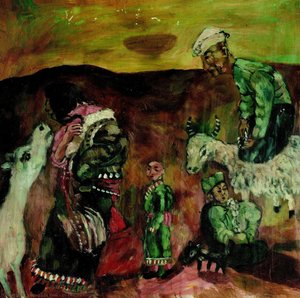
liu wei
1972 - , China
基本情報
- Artistic Movement Or Style: Conceptual Art, Satire
- Date Of Birth: 1972
- Full Name: Liu Wei
- Nationality: Chinese
- Notable Artworks:
- Super Structure series
- Purple Air paintings
- Landscape Series
- Indigestion II
- Place Of Birth: Beijing, China
関連記事
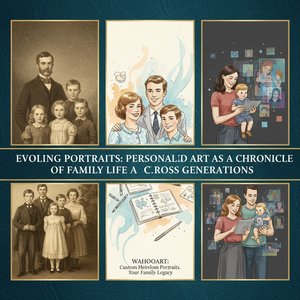
Evolving Portraits: Personalized Art as a Chronicle of Family Life Across Generations
Create a timeless family legacy with custom portraits! ArtsDot connects you with skilled artists for heirloom-quality paintings & prints. Explore styles, commission your unique artwork today.
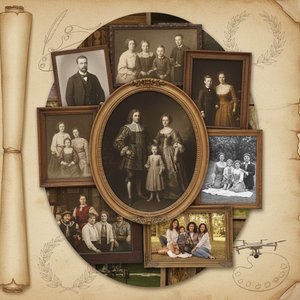
The Enduring Legacy of Family Portraiture: A Historical & Artistic Exploration
Explore the rich history of family portraiture with ArtsDot. Discover artistic styles, symbolism & collecting insights. Commission a custom oil painting or appraise your existing artwork today!
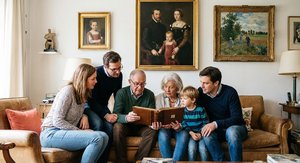
Depicting Kinship: Family Values Across Artistic Movements & Historical Contexts
Explore the rich history of depicting kinship in art! From Dutch Masters to contemporary artists, discover how family values have been represented across movements & time. Expert insights for collectors at ArtsDot.
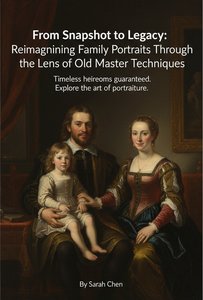
From Snapshot to Legacy: Reimagining Family Portraits Through the Lens of Old Master Techniques
Transform cherished memories into lasting heirlooms with custom family portraits inspired by Old Master techniques. Expert artists, museum-quality craftsmanship & a timeless legacy guaranteed. Explore the art of portraiture.
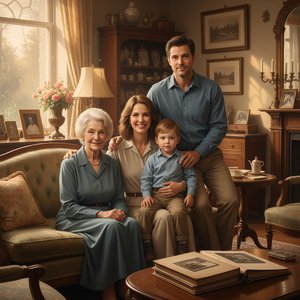
レガシーポートレートで家族の絆を永遠に:歴史と未来を結ぶアートの物語
レガシーポートレートで家族の絆を永遠に。ArtsDotは歴史と未来を結ぶ手描き油絵の専門家です。高品質・信頼性、100日返金保証付き。あなたの大切な瞬間を芸術へ変える価値ある選択です。