

 プレビュー
プレビュー
 プリントを購入
 シェアする
シェアする シェアする
シェアする
 詳細を見る
詳細を見る

 ダウンロード
 似ている作品
 X線調査
X線調査 スライドショー
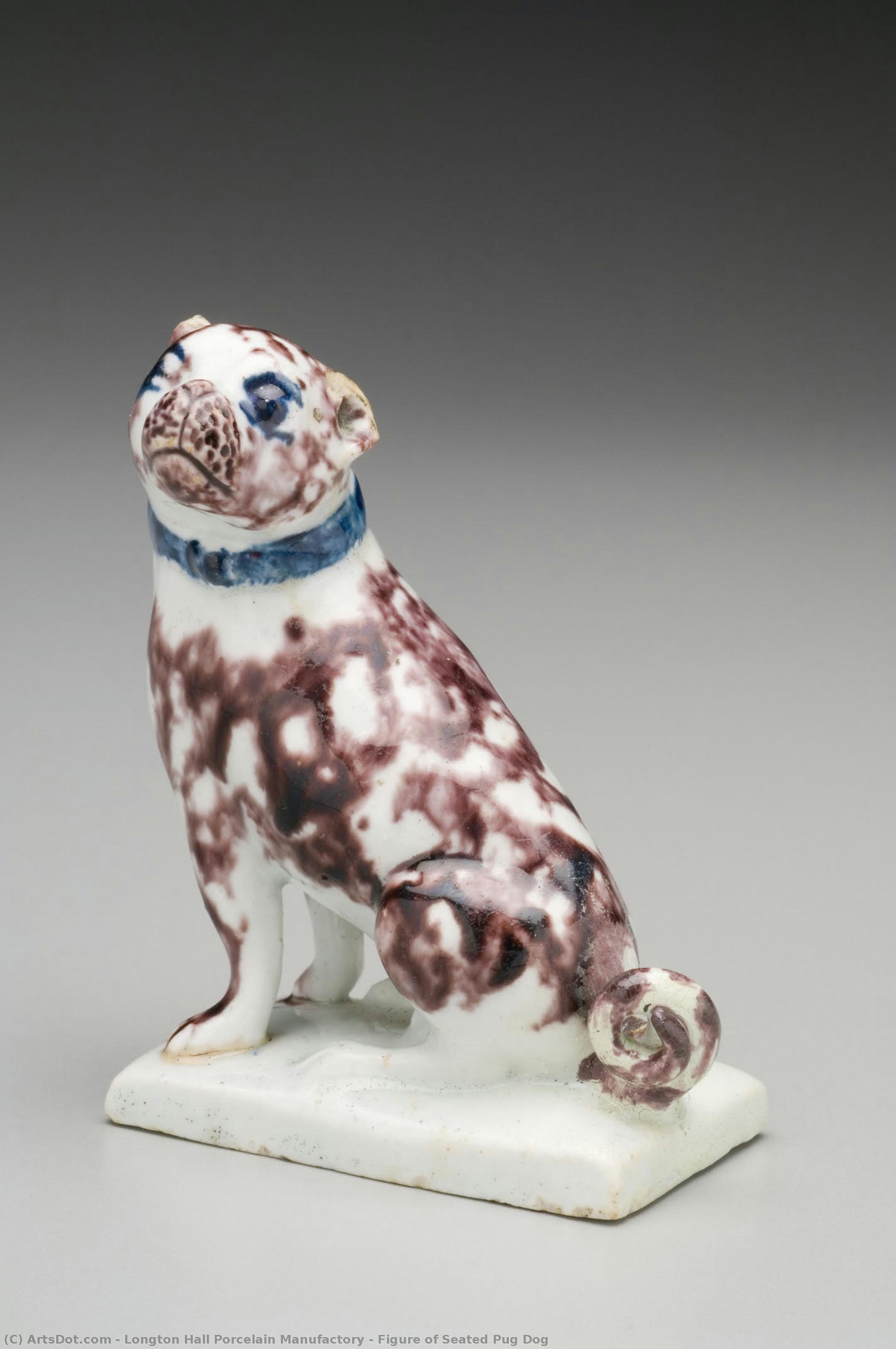
Figure of Seated Pug Dog

 詳細を見る
詳細を見る




































作品のオリジナル比率に合わせた、当店の規定サイズからお選びください。

特定のフレームやスペースに合わせて、ご希望のサイズをご入力いただけます。選択されたサイズが元の画像の比率と異なる場合、アートワークをトリミングするか、手描きで要素を追加して絵画を拡張いたします。デジタルモックアップ を制作し、制作開始前にご確認(承認)をいただきます。
画面上のプレビューは、実際のトリミングや拡張を正確に反映しているものではありません。最終的な構図は、モックアップによってのみ正確にご確認いただけます。
カスタムサイズもご利用いただけますが、元の比率を維持するためには、あらかじめ用意されたリストからサイズを選択することをお勧めいたします。
ご注文後、ArtsDot.com チームより詳細な指示をお送りするとともに、仕上がりイメージ(モックアップ)をご提供いたします。


 ガラスオプションは、110cm未満のサイズでのみご利用いただけます。

Figure of Seated Pug Dog
複製技法
複製画のサイズ
-


合計金額
$ 263
関連作品





アーティストの略歴
Longton Hall Porcelain: A Fleeting Beauty of Staffordshire
The story of Longton Hall porcelain is a poignant one – a brief, brilliant flash of artistic endeavor that left behind exquisite, yet remarkably rare, examples of early English ceramics. Born in the small village of Longton Hall, Staffordshire, around 1749, the factory’s existence spanned only about ten years, from 1749 to 1760, a testament to both its innovative spirit and inherent fragility. This short-lived period produced a style uniquely characterized by a delicate translucence, a surprising heaviness for its age, and a distinctive aesthetic marred by the inevitable imperfections of early production – a beauty born as much from its flaws as its successes.
The genesis of Longton Hall porcelain lies in the ambition of William Jenkinson, who rented the estate from Obadiah Wedgwood. Jenkinson’s initial venture focused on producing earthenware, but recognizing the burgeoning demand for Chinese porcelain and the challenges of replicating it locally, he sought to elevate his craft. The factory quickly gained a reputation for its distinctive hand-painted marks in underglaze blue – a crucial element that continues to distinguish Longton Hall pieces today. These markings weren’t merely decorative; they served as a vital record of production, reflecting the individual skill and often the slight variations within each batch.
The technical aspects of Longton Hall porcelain are fascinating. It falls firmly into the category of “soft-paste” porcelain, a material developed in Europe during the mid-18th century as an attempt to emulate the superior qualities of Chinese hard-paste porcelain. Unlike its more durable counterpart, soft-paste required lower firing temperatures and utilized ingredients like ground glass, bone ash, and soapstone – materials readily available in Britain but often difficult to work with. The process was notoriously challenging; early formulations were prone to “slumping” during firing, resulting in misshapen pieces. Despite these difficulties, Longton Hall’s artisans persevered, achieving a remarkable level of refinement in their glazing and decoration.
The Art of Imperfection
Perhaps the most defining characteristic of Longton Hall porcelain is its inherent imperfection. Unlike the flawlessly smooth surfaces of later English porcelains like Wedgwood, these pieces bear visible signs of the manufacturing process – subtle cracks, uneven glazes, and slight warping. These aren’t defects to be dismissed; they are integral to the factory's story and contribute significantly to the piece’s charm. The very faults that marred production became a source of fascination for collectors and historians, highlighting the human element in the creation process.
The hand-painted marks, often depicting floral motifs or stylized animals, are particularly noteworthy. These weren't mass-produced stamps but were meticulously applied by individual artists, each mark reflecting their unique style and skill. The delicate detail and vibrant colors of these paintings stand in stark contrast to the sometimes-rough texture of the porcelain itself, creating a captivating visual dialogue.
Influences and Techniques
While Longton Hall operated independently, it undoubtedly drew inspiration from the prevailing artistic trends of the time. The fascination with the natural world – evidenced by depictions of exotic plants, birds, and animals – was a hallmark of 18th-century English art. The factory’s style also reflects the influence of European porcelain manufacturers like Meissen and Sèvres, particularly in its use of delicate hand-painted decoration. However, Longton Hall developed a distinct identity through its unique combination of translucence, heaviness, and those characteristic imperfections.
The production techniques employed at Longton Hall were largely manual. The potter’s wheel played a crucial role in shaping the porcelain bodies, while hand-painting was reserved for the most intricate details. The glazing process involved applying layers of colored enamel to the surface of the fired porcelain, creating the vibrant hues that characterize these pieces.
A Legacy of Rarity and Value
Due to its short lifespan and the inherent fragility of the material, Longton Hall porcelain is exceptionally rare today. Only a handful of examples survive, making them highly prized by collectors and museums worldwide. The rarity, combined with their exquisite beauty and historical significance, contributes to their considerable value – often fetching tens of thousands of pounds at auction.
The factory’s closure in 1760 marked the end of an era. While Wedgwood continued to innovate in porcelain production, Longton Hall's brief but brilliant experiment ultimately faded into obscurity. Yet, its legacy lives on through these remarkable pieces – a testament to the ambition, skill, and inherent beauty found within a fleeting moment of artistic creation.
Further Resources
- Figure of Seated Pug Dog
- Longton Hall Porcelain Manufactory
- Longton Hall - Dish - The Metropolitan Museum of Art
For further research, explore resources on porcelain manufacturing companies in Europe: https://en.wikipedia.org/wiki/Porcelain_manufacturing_companies_in_Europe and general information about porcelain itself: https://en.wikipedia.org/wiki/Porcelain
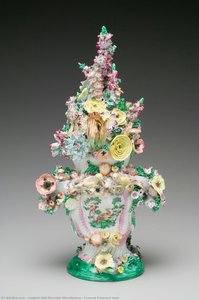
longton hall porcelain manufactory
1749 - 1760 , United Kingdom
基本情報
- Artistic Movement Or Style: Soft-paste porcelain
- Artists Or Movements Influenced By This Artist:
- Meissen porcelain
- Sèvres porcelain
- Artists Who Influenced This Artist: ['Wedgwood']
- Date Of Birth: 1749, United Kingdom
- Date Of Death: 1760
- Full Name: Longton Hall Porcelain Manufactory
- Nationality: English
- Notable Artworks:
- Figure of Seated Pug Dog
- Longton Hall - Dish
- Place Of Birth: Longton Hall, England

