

 プレビュー
プレビュー
 プリントを購入
 シェアする
シェアする シェアする
シェアする
 詳細を見る
詳細を見る

 ダウンロード
 似ている作品
 X線調査
X線調査 スライドショー
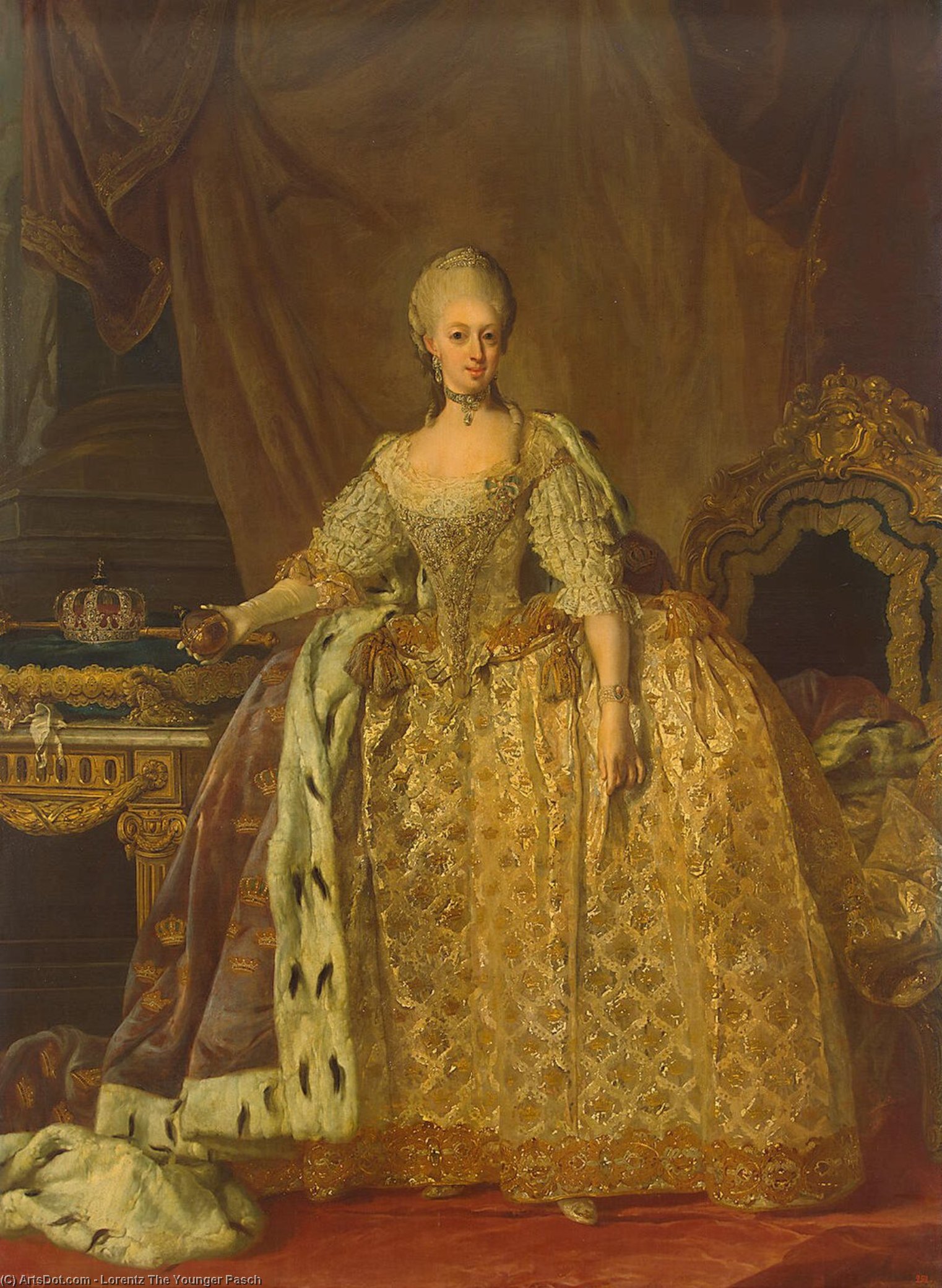
Portrait of Queen Sophie-Magdalene
 Oil On Canvas
- WallArt
- Baroque
 1773
1773- Early Modern
 243.0 x 179.0 cm
 エルミタージュ美術館
 詳細を見る
詳細を見る




P118B $10

P118H $10

P118W $10

P438Z $10

P508JH $12

P508YH $12

P805H $10

P805Z $10

P919BZ $10

P919G $10

P919XJ $10

P959ZH $10

P968JZ $12

W106C $8

W218G $10

W218JH $8

W218Y $10

W307PJ $10

W316G $10

W316PJ $8

W316Y $10

W398PJ $8

W4111J $10

W500HY $15

W500JH $15

W692G $12

W849H $8

W940BG $15

W953PJ $8




作品のオリジナル比率に合わせた、当店の規定サイズからお選びください。

特定のフレームやスペースに合わせて、ご希望のサイズをご入力いただけます。選択されたサイズが元の画像の比率と異なる場合、アートワークをトリミングするか、手描きで要素を追加して絵画を拡張いたします。デジタルモックアップ を制作し、制作開始前にご確認(承認)をいただきます。
画面上のプレビューは、実際のトリミングや拡張を正確に反映しているものではありません。最終的な構図は、モックアップによってのみ正確にご確認いただけます。
カスタムサイズもご利用いただけますが、元の比率を維持するためには、あらかじめ用意されたリストからサイズを選択することをお勧めいたします。
ご注文後、ArtsDot.com チームより詳細な指示をお送りするとともに、仕上がりイメージ(モックアップ)をご提供いたします。


 ガラスオプションは、110cm未満のサイズでのみご利用いただけます。

Portrait of Queen Sophie-Magdalene
複製技法
複製画のサイズ
-


合計金額
$ 263
A Tapestry of Royal Grandeur: The Portrait of Queen Sophie-Magdalene
To stand before this magnificent portrait is to step directly into the gilded salons of 18th-century European royalty. Lorentz the Younger Pasch has captured not merely a likeness, but an entire epoch—an era defined by breathtaking opulence and structured power. The subject, Queen Sophie-Magdalene, is presented with an undeniable air of authority; she is seated as if upon a throne woven from history itself. Every fold of her elaborate golden gown, every meticulously placed jewel, speaks to the immense weight and splendor of her station. The composition centers entirely on this regal figure, drawing the viewer into an intimate yet awe-inspiring encounter with aristocratic might.
Mastery in Baroque Splendor: Style and Technique
The painting is a breathtaking testament to the enduring power of the Baroque tradition, bordering on Rococo elegance. Pasch employs a technique that suggests painstaking devotion—the smooth application of oil glazes builds depth layer upon luminous layer, allowing light to seem almost trapped beneath the paint's surface. Observe the dramatic interplay between illumination and shadow; this chiaroscuro effect is not merely decorative, but narrative, sculpting the contours of her face and making the rich textures of the fabric sing. The artist’s handling of materials—the sheen on the scepter, the deep pile suggested in the purple fur trim, the intricate lacework—demonstrates a virtuosity that elevates mere portraiture to high art. While the background hints at a luxurious palace interior with its drapery and architectural flourishes, it remains subordinate to the figure, serving only to amplify her presence.
Symbolism of Power and Status
Beyond the sheer beauty, this work is steeped in potent symbolism. The crown, the scepter, and the overwhelming richness of the palette—dominated by regal purples, deep golds, and warm browns—are visual declarations of wealth, lineage, and unwavering status. This portrait functions as an idealized projection of power; it captures the carefully curated image that royalty wished to project to their subjects and peers alike. It is a study in controlled magnificence, where every element, from the geometric structure implied by the architecture to the organic flow of the drapery, contributes to a narrative of enduring authority.
Bringing Courtly Majesty Home
For the collector or designer seeking an anchor piece for a grand hall, drawing-room, or library, this reproduction offers unparalleled depth. It is more than decoration; it is an heirloom in spirit. The sheer scale and richness of the original work—a monumental statement piece—translate beautifully into high-quality reproductions, allowing you to infuse your space with the drama and sophisticated warmth of a bygone royal court. To own or display this artwork is to invite a sense of timeless grandeur and cultured history into your modern life.
関連作品




アーティストの略歴
Lorentz Pasch the Younger: A Baroque Visionary
Lorentz Pasch the Younger (1606 – 1670), born in Seville, Spain, stands as a significant figure within the Spanish Baroque artistic landscape. Though overshadowed by contemporaries like Velázquez and Zurbarán, Pasch’s distinctive style—characterized by dramatic lighting, meticulous detail, and emotionally charged religious narratives—earned him recognition and enduring admiration. His oeuvre reflects the fervor of the Counter-Reformation era and embodies the aesthetic ideals prevalent in Habsburg Spain.- Early Life & Training: Little is known about Pasch’s formative years beyond his birthplace and familial connections to prominent Seville families. He received training primarily under Juan Bautista Salom, a celebrated painter who instilled in him a commitment to classical principles blended with Baroque dynamism.
- Movements to Antwerp & Madrid: Following Salom's tutelage, Pasch relocated to Antwerp, where he honed his skills amidst the flourishing artistic environment of Flemish Baroque. His time there exposed him to influences from Rubens and other masters, shaping his compositional approach and palette. Subsequently, he moved to Madrid under the patronage of Philip IV, becoming a favored artist for royal commissions and contributing significantly to the decoration of palaces and churches.
Style & Technique: Dramatic Light & Intense Emotion
Pasch’s artistic hallmark resided in his masterful manipulation of chiaroscuro—the interplay between light and shadow—a technique perfected during the Baroque period. He employed dramatic lighting to sculpt figures, creating palpable depth and conveying profound emotional intensity. Unlike many artists of his time who favored idealized representations, Pasch depicted saints and biblical scenes with unflinching realism, capturing human suffering and spiritual fervor with remarkable sensitivity. His meticulous attention to detail extended beyond mere representation; he meticulously rendered textures—fabric folds, drapery folds, skin surfaces—to heighten visual impact and imbue his paintings with a sense of palpable presence.- Compositional Innovation: Pasch’s compositions often featured dynamic diagonals and asymmetrical arrangements, disrupting traditional perspectival conventions to heighten dramatic tension.
- Color Palette: He favored muted earthy tones—browns, ochres, reds—creating a subdued yet emotionally resonant atmosphere that complemented his masterful use of light.
Notable Works & Legacy
Lorentz Pasch the Younger produced numerous paintings spanning religious iconography and portraiture. Among his most celebrated works are depictions of saints—particularly Saint Jerome—characterized by profound psychological insight and expressive gestures. His monumental altarpiece for the Iglesia de San Sebastián in Madrid exemplifies his artistic prowess, showcasing a breathtaking panorama of biblical figures bathed in radiant light. Furthermore, he executed portraits of royal family members, capturing their dignity and conveying subtle nuances of character. Despite lacking extensive biographical documentation, Pasch’s paintings continue to resonate with audiences today due to their enduring emotional power and technical brilliance. He represents a crucial link between Mannerism and Baroque art in Spain, embodying the artistic spirit of his era and securing his place as one of the most accomplished painters of the seventeenth century. His legacy persists through reproductions in museums worldwide, ensuring that his visionary style—marked by dramatic light and profound emotion—remains accessible to future generations.Influence & Artistic Significance
Pasch’s artistic innovations contributed to the development of Baroque painting in Spain, influencing subsequent artists and establishing a precedent for portraying religious subjects with psychological realism. His meticulous technique and masterful use of chiaroscuro served as inspiration for painters across Europe who sought to convey spiritual fervor through dramatic visual narratives. Pasch's work stands as testament to the power of art to evoke emotion and illuminate the human condition—a timeless achievement that continues to captivate viewers centuries after its creation.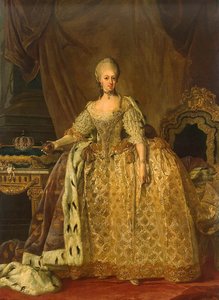
lorentz the younger pasch
1606 - 1670 , Spain
基本情報
- Artistic Movement Or Style: Baroque
- Artists Or Movements Influenced By This Artist: ['Dutch Golden Age']
- Artists Who Influenced This Artist: ['Pilo']
- Date Of Birth: 1606 Seville Spain
- Date Of Death: 1670
- Full Name: Lorentz Pasch the Younger
- Nationality: Spanish
- Notable Artworks: ['Portrait of Queen Sophie-Magdalene']
- Place Of Birth: Seville Spain
関連記事
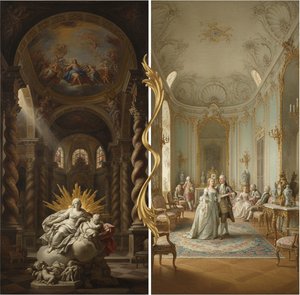
From Grandeur to Grace: Exploring the Evolution of Baroque & Rococo Art
Explore the captivating evolution from Baroque's drama to Rococo's grace! Discover key artists, characteristics & lasting influence of these art movements with expert insights at ArtsDot.

The Rococo Aesthetic: Opulence, Rebellion & the Pursuit of Pleasure in 18th-Century Art
Explore the opulent world of Rococo art! Discover its origins, key artists like Watteau & Boucher, and lasting influence on design. Expert insights for collectors & enthusiasts.

華麗なるロココ:芸術史を彩る10大傑作の世界
華麗なるロココ美術の世界へ。バロックから生まれた優雅な芸術、その10大傑作を徹底解説!ブーシェ、フロマンなど巨匠たちの技と物語を紐解き、お部屋を彩るアートを見つけよう。ArtsDot.comで至高の美術館品質レプリカとインテリアアイデアを発見。
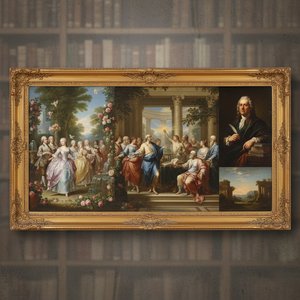
Illuminating the Enlightenment: A Comprehensive Exploration of 18th-Century Painting
Explore the captivating world of 18th-century painting! Discover Rococo's playful elegance & Neoclassicism’s Enlightenment ideals with expert insights into Fragonard, David, and more. A comprehensive guide for art enthusiasts.
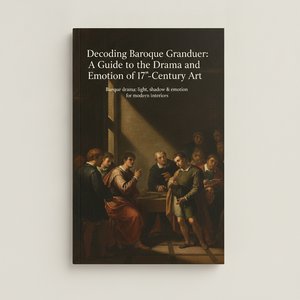
Decoding Baroque Grandeur: A Guide to the Drama and Emotion of 17th-Century Art
Explore the breathtaking drama of 17th-century Baroque art. Our expert guide decodes the use of chiaroscuro, emotional intensity, and historical grandeur to help you appreciate and curate timeless masterpieces for your collection.

