 プレビュー
プレビュー
 シェアする
シェアする シェアする
シェアする
 詳細を見る
詳細を見る

 ダウンロード
 似ている作品
 X線調査
X線調査 スライドショー
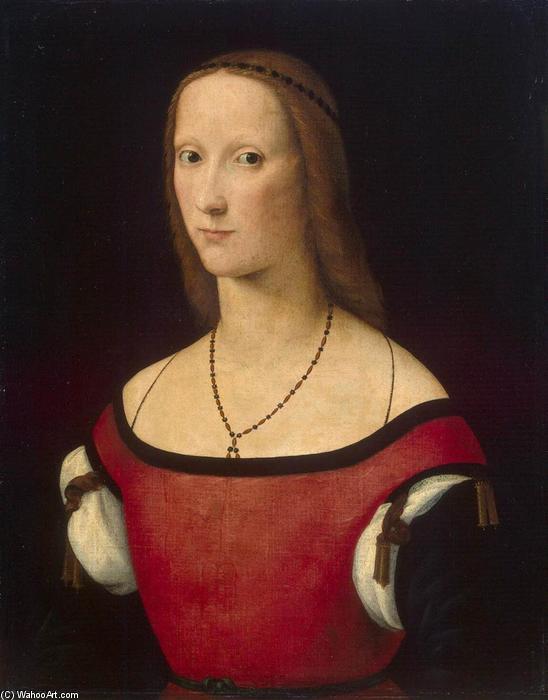
Portrait of a Woman
 Oil On Canvas
- WallArt
- Italian Renaissance
 1500
1500 57.0 x 44.0 cm
 エルミタージュ美術館
 詳細を見る
詳細を見る
ジークレー/アートプリント
迅速な制作と多彩な仕上げオプションを備えた、ミュージアムクオリティのジークレーまたはキャンバスプリント。 ( 手描きの絵画を購入 画像を購入)




P118B $10

P118H $10

P118W $10

P438Z $10

P508JH $12

P508YH $12

P805H $10

P805Z $10

P919BZ $10

P919G $10

P919XJ $10

P959ZH $10

P968JZ $12

W106C $8

W218G $10

W218JH $8

W218Y $10

W307PJ $10

W316G $10

W316PJ $8

W316Y $10

W398PJ $8

W4111J $10

W500HY $15

W500JH $15

W692G $12

W849H $8

W940BG $15

W953PJ $8




作品のオリジナル比率に合わせた、当店の規定サイズからお選びください。

特定のフレームやスペースに合わせて、ご自身でサイズを指定することも可能です。選択されたサイズが元の画像の比率と一致しない場合、作品をトリミングするか、鏡面反射または単色での塗りつぶしによって画像を拡張いたします。制作を開始する前に、ご確認用のデジタルモックアップをお送りいたします。
画面上のプレビューには、実際のトリミングや拡張は反映されませんのでご注意ください。最終的な構図を正確に確認できるのは、モックアップのみとなります。
カスタムサイズも承っておりますが、元の比率を維持するためには、あらかじめ用意されたリストからサイズを選択することをお勧めいたします。


 ガラスオプションは、110cm未満のサイズでのみご利用いただけます。

Portrait of a Woman
ジークレー/アートプリント
複製画のサイズ
-


合計金額
$ 62
A Renaissance Portrait Steeped in Faith and Myth
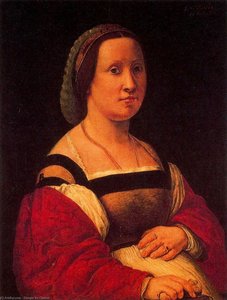
Lorenzo Costa (the Elder), born around 1460 in Ferrara, Italy, stands as a cornerstone figure within the flourishing artistic landscape of the Italian Renaissance. Primarily active during the Ferrara and Bologna schools—a period marked by intellectual dynamism and patronage—Costa’s oeuvre embodies a distinctive blend of stylistic elegance and profound spiritual contemplation. He achieved renown not merely for his technical prowess but also for his ability to infuse mythological narratives with humanist ideals, cementing his legacy as one of the era's most influential painters. Early Life and Training Information regarding Costa’s formative years remains somewhat sparse, largely due to the limitations of archival records from the time. However, it is known that he apprenticed under Francesco Francia in Bologna, absorbing the master’s meticulous attention to detail and his masterful use of sfumato—a technique pioneered by Leonardo Vinci—that subtly blends light and shadow to create an ethereal atmosphere. This foundational training instilled in Costa a dedication to realism combined with a sensitivity to artistic expression that would characterize his entire career. “Portrait of a Woman” – A Synthesis of Artistic Vision The painting, titled “Portrait of a Woman,” exemplifies Costa’s signature style: a harmonious fusion of classical idealism and humanist observation. Executed in oil on canvas around 1500, it depicts a noblewoman adorned with a pearl necklace—a symbol of purity and virtue—seated serenely against a muted backdrop. The woman's gaze directs towards the viewer, establishing an intimate connection between subject and observer, inviting contemplation on themes of beauty, dignity, and inner reflection. Technical Mastery: Sfumato and Detail Costa’s meticulous technique is particularly evident in the masterful application of sfumato. This subtle blending of tonal gradations—a hallmark of Leonardo da Vinci's artistic innovations—creates a velvety smoothness that softens contours and imbues the portrait with an air of tranquility. Furthermore, Costa’s painstaking attention to detail—captured through precise rendering of facial features and drapery folds—elevates the artwork beyond mere representation, transforming it into a testament to artistic skill and artistry. Historical Context: Ferrara's Artistic Ascendancy The painting originates from Ferrara, Italy, during a period of considerable cultural flourishing under Alfonso II d’Este—a patron who championed humanist scholarship and supported artists like Costa. This environment fostered an intellectual climate receptive to both classical influences and emerging Renaissance ideals, resulting in artworks that grapple with complex philosophical questions alongside aesthetic beauty. The portrait reflects the humanist preoccupation with portraying human dignity and virtue, aligning perfectly with the broader artistic trends of the time. Symbolism: Virtue and Reflection Beyond its technical brilliance, “Portrait of a Woman” resonates deeply with symbolic meaning. The pearl necklace represents purity and spiritual grace—values highly esteemed during the Renaissance—while the woman’s contemplative gaze encourages viewers to engage in introspection and consider their own moral compass. Costa's deliberate composition underscores the importance of inner harmony and invites contemplation on timeless themes of beauty, faith, and human experience. A Timeless Masterpiece for Interior Design Inspiration Today, “Portrait of a Woman” remains an enduring symbol of Renaissance artistry—a testament to Lorenzo Costa’s genius and his ability to capture the essence of human dignity within a breathtaking visual masterpiece. High-quality reproductions offer collectors and interior designers alike the opportunity to experience this iconic artwork's elegance and sophistication in their homes, transporting them back to the heart of Italy’s golden age.関連作品
アーティストの略歴
神話と信仰を描いた画家:ロレンツォ・コスタの生涯
ロレンツォ・コスタ(1460–1535)は、イタリア・ルネサンスという華々しい芸術的景観における礎石とも言える存在であり、フェラーラ派およびボローニャ派の知的なダイナミズムを体現しています。活気あふれる都市フェラーラに生を受けたコスタは、精神的な献身とヒューマニズム的な探求の境界が美しく溶け合っていた時代にその才能を開花させました。彼の作品群は、様式美の優雅さと深い精神的瞑想が見事に融合しているのが特徴であり、その類まれな資質によって、宗教機関の複雑な要求と、当時の最も洗練された世俗的な宮廷の両方において、確固たる地位を築くことができました。彼の筆致を通じて、神聖なるものの空想的な光は、古典神話の構築された優美さと出会い、ルネサンス精神に深く共鳴する視覚言語を生み出したのです。形成期と光の習熟
コスタの初期の生涯に関するアーカイブ資料はいくぶん断片的ではありますが、彼の芸術的なDNAが北イタリアの工房において明確に形作られたことは間違いありません。ボローニャにおいて、巨匠フランチェスコ・フランチャのもとで厳しい修行を積んだことは広く知られています。この師弟関係は彼にとって変革的なものであり、細部への緻密なこだわりや、レオナルド・ダ・ヴィンチが広めた技法であるスフマート(色彩を煙のように微細にぼかす技法)への初期の心酔を彼の中に植え付けました。フランチャからコスタは、遠近法への深い理解と、ドラマチックなキアロスクーロ(明暗法)の用法を継承しました。これにより、彼は影の中から人物を彫り出し、構図に前例のない奥行きと感情的な重みを与えることを可能にしたのです。この技術的基盤があったからこそ、彼は単なる写実を超え、主題を取り巻く空気そのものを捉えようと試みることができたのでした。マントヴァ宮廷の輝き
コスタのキャリアが最高潮に達したのは、マントヴァ侯爵夫人であるイザベラ・デステの宮廷画家という名誉ある地位を手にした時でした。ヨーロッパ史上、最も強力で鋭い審美眼を持つパトロンの一人であったイザエラ・デステは、芸術に対して、視覚的な勝利であると同時に知的な謎解きでもあるような作品を求めました。彼女の注視の下、コスタの作品は複雑な神話的寓意やヒューマニズムの理想を取り入れる方向へと進化していきました。彼の絵画は単なる宗教的な図像を超え、学者や貴族たちに向けた洗練された物語へと変貌を遂げたのです。この時期の彼の活動は、以下のような特徴によって彩られていました。- 古典的なギリシャ・ローマ神話の、当時のイタリア絵画への融合。
- あらゆる身振りや植物の細部に意味が込められた、象徴性への高度な集中。
- 宮廷の嗜好に求められる繊細な優雅さを伝える、柔らかく情緒的な様式の洗練。
遺産と歴史的意義
ルネサンスが進展するにつれ、コスタの影響はフェラーラとボローニャの芸術コミュニティへと波及し、イタリア派の発展に消えることのない足跡を残しました。フェラーラ派の巨匠たちが持つ力強く感情的な伝統と、ボローニャ派の画家たちが持つより叙情的で洗練された様式を調和させる彼の能力は、独自の様式的架け橋となりました。新たな芸術運動が台頭し始めた後も、美と物語の均衡に対するコスタの献身は、後継者たちの規範であり続けました。今日、彼は単なる熟練した職人としてではなく、時代の魂を捉えた先見の明のある画家として記憶されています。古代の神話を、キリスト教信仰における聖なる人物たちと同じように、目の前で息づいているかのように感じさせる力を持った芸術家として。
ロレンツォ・コスタ (長子)
1460 - 1535 , イタリア
基本情報
- Artistic Movement Or Style: フェラーラ派およびボローニャ派
- Artists Who Influenced This Artist:
- コジモ・トゥーラ
- フランチェスコ・フランチャ
- Date Of Birth: 1460年頃、イタリア、フェラーラ
- Date Of Death: 1535年3月5日
- Full Name: ロレンツォ・コスタ・イル・ヴェッキオ
- Nationality: イタリア・ルネサンス
- Notable Artworks:
- ヴィーナス(細部)
- サン・ピエトロ・イン・ヴィンコリ礼拝堂、大祭壇画
- 聖母子と聖人
- Place Of Birth: フェラーラ
関連記事
レオナルド・ダ・ヴィンチ:至高の25選 - 芸術、科学、そして不朽の名作の世界
レオナルド・ダ・ヴィンチの至宝25選。モナリザ、最後の晩餐…ルネサンス美術を代表する名画の世界へ。芸術史、技法、そして感動の物語を紐解き、お部屋に飾る高級複製画で特別な空間を。ArtsDot.comで全コレクションをご覧ください。

Leonardo da Vinci: A Renaissance Master’s Synthesis of Art, Science & Human Observation – Reinterpreted for the Collector
Explore Leonardo da Vinci’s timeless masterpieces with ArtsDot. Discover insights into his art, science, and legacy – trusted expertise for discerning collectors seeking authentic reproductions & investment opportunities.
Renaissance Humanism's Greatest Art: 10 Masterpieces for Your Home
Explore 10 Renaissance Humanism masterpieces by Leonardo da Vinci, Michelangelo & Raphael. Discover the stories behind these iconic paintings & sculptures and bring timeless art into your home with museum-quality reproductions from ArtsDot.com. Explore the full collection online!
Antonello da Messina: Innovation, Devotion & the Sicilian Renaissance Master's Enduring Legacy
Explore the groundbreaking art of Antonello da Messina, a pivotal figure of the Renaissance. Discover his innovative oil painting techniques, captivating portraits, and lasting influence on Italian masters. Learn more at ArtsDot.

ウフィツィ美術館の至宝25選:ルネサンス巨匠たちの傑作とアートデコレーション
ウフィツィ美術館の至宝25選:ボッティチェリ、レオナルド・ダ・ヴィンチ…ルネサンス巨匠たちの傑作と感動的な物語を紐解きます。高品質な絵画複製やアートプリントで、お部屋に名画の輝きを。ArtsDot.comで芸術の世界へ。