プレビュー
プレビュー
 シェアする
シェアする シェアする
シェアする
 詳細を見る
詳細を見る

 ダウンロード
 似ている作品
 X線調査
X線調査 スライドショー
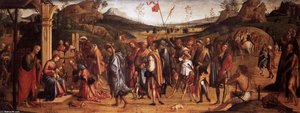
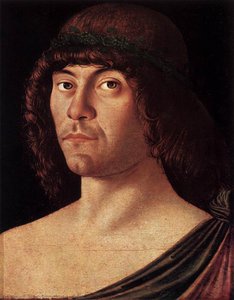
Portrait of Giovanni Bentivoglio
 Oil On Canvas
- WallArt
- Renaissance
 1492
1492 55.0 x 49.0 cm
 ウフィツィ美術館
 詳細を見る
詳細を見る
ジークレー/アートプリント
迅速な制作と多彩な仕上げオプションを備えた、ミュージアムクオリティのジークレーまたはキャンバスプリント。 ( 手描きの絵画を購入 画像を購入)




P118B $10

P118H $10

P118W $10

P438Z $10

P508JH $12

P508YH $12

P805H $10

P805Z $10

P919BZ $10

P919G $10

P919XJ $10

P959ZH $10

P968JZ $12

W106C $8

W218G $10

W218JH $8

W218Y $10

W307PJ $10

W316G $10

W316PJ $8

W316Y $10

W398PJ $8

W4111J $10

W500HY $15

W500JH $15

W692G $12

W849H $8

W940BG $15

W953PJ $8




作品のオリジナル比率に合わせた、当店の規定サイズからお選びください。

特定のフレームやスペースに合わせて、ご自身でサイズを指定することも可能です。選択されたサイズが元の画像の比率と一致しない場合、作品をトリミングするか、鏡面反射または単色での塗りつぶしによって画像を拡張いたします。制作を開始する前に、ご確認用のデジタルモックアップをお送りいたします。
画面上のプレビューには、実際のトリミングや拡張は反映されませんのでご注意ください。最終的な構図を正確に確認できるのは、モックアップのみとなります。
カスタムサイズも承っておりますが、元の比率を維持するためには、あらかじめ用意されたリストからサイズを選択することをお勧めいたします。


 ガラスオプションは、110cm未満のサイズでのみご利用いただけます。

Portrait of Giovanni Bentivoglio
ジークレー/アートプリント
複製画のサイズ
-


合計金額
$ 62
A Portrait of Power and Dignity: Unveiling Lorenzo Costa's Masterpiece
Lorenzo Costa (the Elder), a pivotal figure in the vibrant artistic landscape of 15th-century Italy, gifted us with a remarkable portrait – “Portrait of Giovanni II Bentivoglio.” Painted in 1488, this work transcends mere likeness; it’s a carefully constructed tableau of power, wealth, and the burgeoning humanist ideals that defined the era. More than just a depiction of an individual, it offers a glimpse into the political machinations and social dynamics of Bologna during a period of significant transformation.
The painting immediately commands attention through its masterful use of sfumato – a technique perfected by Leonardo da Vinci himself. Costa employs subtle gradations of light and shadow to create an almost ethereal quality, softening the edges of Giovanni’s features and lending him an air of dignified serenity. This deliberate blurring contributes to a sense of timelessness, suggesting that Giovanni's presence is both grounded in the present and imbued with a certain gravitas.
The Bentivoglio Family: Merchants and Manipulators
Understanding the context surrounding this portrait requires delving into the history of the Bentivoglio family. Originally humble wool merchants, they rose to prominence through shrewd political maneuvering and strategic alliances during the tumultuous period of the Guelph-Ghibelline conflicts in Bologna. By the late 15th century, they had effectively seized control of the city’s government, establishing a quasi-independent regime that challenged papal authority. Giovanni II Bentivoglio, the subject of this portrait, was a key figure in this ascent – a skilled diplomat and a pragmatic ruler who skillfully navigated the complex web of political intrigue.
The painting itself reflects this position of power. Giovanni is depicted wearing opulent attire—a rich crimson robe, adorned with intricate gold embroidery, speaks to his wealth and status. The heavy chain around his neck, a symbol of authority and control, subtly alludes to the family’s dominance over Bologna's affairs. It’s a visual reminder of their influence and their willingness to wield power decisively.
Symbolism and Humanist Ideals
Beyond its immediate representation, “Portrait of Giovanni II Bentivoglio” is rich in symbolic meaning. The carefully chosen setting – a richly furnished interior with hints of classical architecture—evokes the ideals of humanistic learning and civic virtue that were gaining traction during the Renaissance. The inclusion of objects like books and scrolls suggests Giovanni’s engagement with intellectual pursuits, reinforcing his image as a cultured and enlightened leader.
Furthermore, the portrait aligns with the humanist tradition's emphasis on individual dignity and self-representation. The direct gaze of Giovanni, meeting the viewer’s eye with unwavering confidence, asserts his presence and authority. This deliberate engagement fosters a sense of connection between the subject and the observer – inviting us to contemplate his character and legacy.
A Legacy Preserved: Reproduction and Artistic Appreciation
Reproductions of “Portrait of Giovanni II Bentivoglio” offer an exceptional opportunity to experience the artistry and historical significance of this remarkable painting. The meticulous detail, masterful sfumato technique, and profound symbolism are faithfully captured in high-quality reproductions, allowing art enthusiasts, collectors, and interior designers alike to appreciate Costa’s genius. Whether displayed as a statement piece or incorporated into a thoughtfully curated collection, this portrait remains a testament to the enduring power of Renaissance art.
関連作品


アーティストの略歴
神話と信仰を描いた画家:ロレンツォ・コスタの生涯
ロレンツォ・コスタ(1460–1535)は、イタリア・ルネサンスという華々しい芸術的景観における礎石とも言える存在であり、フェラーラ派およびボローニャ派の知的なダイナミズムを体現しています。活気あふれる都市フェラーラに生を受けたコスタは、精神的な献身とヒューマニズム的な探求の境界が美しく溶け合っていた時代にその才能を開花させました。彼の作品群は、様式美の優雅さと深い精神的瞑想が見事に融合しているのが特徴であり、その類まれな資質によって、宗教機関の複雑な要求と、当時の最も洗練された世俗的な宮廷の両方において、確固たる地位を築くことができました。彼の筆致を通じて、神聖なるものの空想的な光は、古典神話の構築された優美さと出会い、ルネサンス精神に深く共鳴する視覚言語を生み出したのです。形成期と光の習熟
コスタの初期の生涯に関するアーカイブ資料はいくぶん断片的ではありますが、彼の芸術的なDNAが北イタリアの工房において明確に形作られたことは間違いありません。ボローニャにおいて、巨匠フランチェスコ・フランチャのもとで厳しい修行を積んだことは広く知られています。この師弟関係は彼にとって変革的なものであり、細部への緻密なこだわりや、レオナルド・ダ・ヴィンチが広めた技法であるスフマート(色彩を煙のように微細にぼかす技法)への初期の心酔を彼の中に植え付けました。フランチャからコスタは、遠近法への深い理解と、ドラマチックなキアロスクーロ(明暗法)の用法を継承しました。これにより、彼は影の中から人物を彫り出し、構図に前例のない奥行きと感情的な重みを与えることを可能にしたのです。この技術的基盤があったからこそ、彼は単なる写実を超え、主題を取り巻く空気そのものを捉えようと試みることができたのでした。マントヴァ宮廷の輝き
コスタのキャリアが最高潮に達したのは、マントヴァ侯爵夫人であるイザベラ・デステの宮廷画家という名誉ある地位を手にした時でした。ヨーロッパ史上、最も強力で鋭い審美眼を持つパトロンの一人であったイザエラ・デステは、芸術に対して、視覚的な勝利であると同時に知的な謎解きでもあるような作品を求めました。彼女の注視の下、コスタの作品は複雑な神話的寓意やヒューマニズムの理想を取り入れる方向へと進化していきました。彼の絵画は単なる宗教的な図像を超え、学者や貴族たちに向けた洗練された物語へと変貌を遂げたのです。この時期の彼の活動は、以下のような特徴によって彩られていました。- 古典的なギリシャ・ローマ神話の、当時のイタリア絵画への融合。
- あらゆる身振りや植物の細部に意味が込められた、象徴性への高度な集中。
- 宮廷の嗜好に求められる繊細な優雅さを伝える、柔らかく情緒的な様式の洗練。
遺産と歴史的意義
ルネサンスが進展するにつれ、コスタの影響はフェラーラとボローニャの芸術コミュニティへと波及し、イタリア派の発展に消えることのない足跡を残しました。フェラーラ派の巨匠たちが持つ力強く感情的な伝統と、ボローニャ派の画家たちが持つより叙情的で洗練された様式を調和させる彼の能力は、独自の様式的架け橋となりました。新たな芸術運動が台頭し始めた後も、美と物語の均衡に対するコスタの献身は、後継者たちの規範であり続けました。今日、彼は単なる熟練した職人としてではなく、時代の魂を捉えた先見の明のある画家として記憶されています。古代の神話を、キリスト教信仰における聖なる人物たちと同じように、目の前で息づいているかのように感じさせる力を持った芸術家として。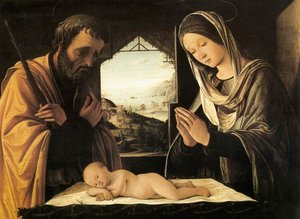
ロレンツォ・コスタ (長子)
1460 - 1535 , イタリア
基本情報
- Artistic Movement Or Style: フェラーラ派およびボローニャ派
- Artists Who Influenced This Artist:
- コジモ・トゥーラ
- フランチェスコ・フランチャ
- Date Of Birth: 1460年頃、イタリア、フェラーラ
- Date Of Death: 1535年3月5日
- Full Name: ロレンツォ・コスタ・イル・ヴェッキオ
- Nationality: イタリア・ルネサンス
- Notable Artworks:
- ヴィーナス(細部)
- サン・ピエトロ・イン・ヴィンコリ礼拝堂、大祭壇画
- 聖母子と聖人
- Place Of Birth: フェラーラ
関連記事

Crimson Threads of Narrative: Exploring Symbolism & Representation in Artworks Featuring the Red Dress
Explore the rich symbolism of the red dress in art history! From ancient power displays to iconic portraits like Cézanne’s 'Madame Cezanne', discover the cultural and artistic significance behind this captivating color. Expert analysis & insights.
Giovanni Fattori: Realism, Identity & the Tuscan Landscape – A Macchiaioli Master
Explore the life & art of Giovanni Fattori, a leading figure of the Macchiaioli movement. Discover his revolutionary realism, captivating Tuscan landscapes, and lasting impact on Italian painting. Learn more at ArtsDot.
Giovanni Giacometti: Sculpting Existentialism – A Study of Form, Space, and the Human Condition
Explore the profound artistic journey of Giovanni Giacometti, father to Alberto. Discover his unique transition from Surrealism to Existentialist sculpture and painting – a compelling study for elite collectors and art enthusiasts.
マーク・ロスコ傑作25選:色彩が織りなす深遠な世界|ArtsDot
マーク・ロスコの傑作25選。抽象表現主義を代表する巨匠、色彩が織りなす深遠な世界を探求します。絵画の背景や技法、感動的なストーリーを紐解き、ArtsDotで高品質なアートプリントをお楽しみください。リビングやオフィスにモダンアートを飾るなら!
Mario Sironi: A Poetic of Modern Italian Identity Through Symbolism & Social Commentary
Explore the profound works of Mario Sironi, a key figure in Italian Modernism. Discover his evolution from Futurism to Metaphysical painting and his powerful social commentary. Learn about his legacy at ArtsDot.