 プレビュー
プレビュー
 プリントを購入
 シェアする
シェアする シェアする
シェアする
 詳細を見る
詳細を見る

 ダウンロード
 似ている作品
 X線調査
X線調査 スライドショー
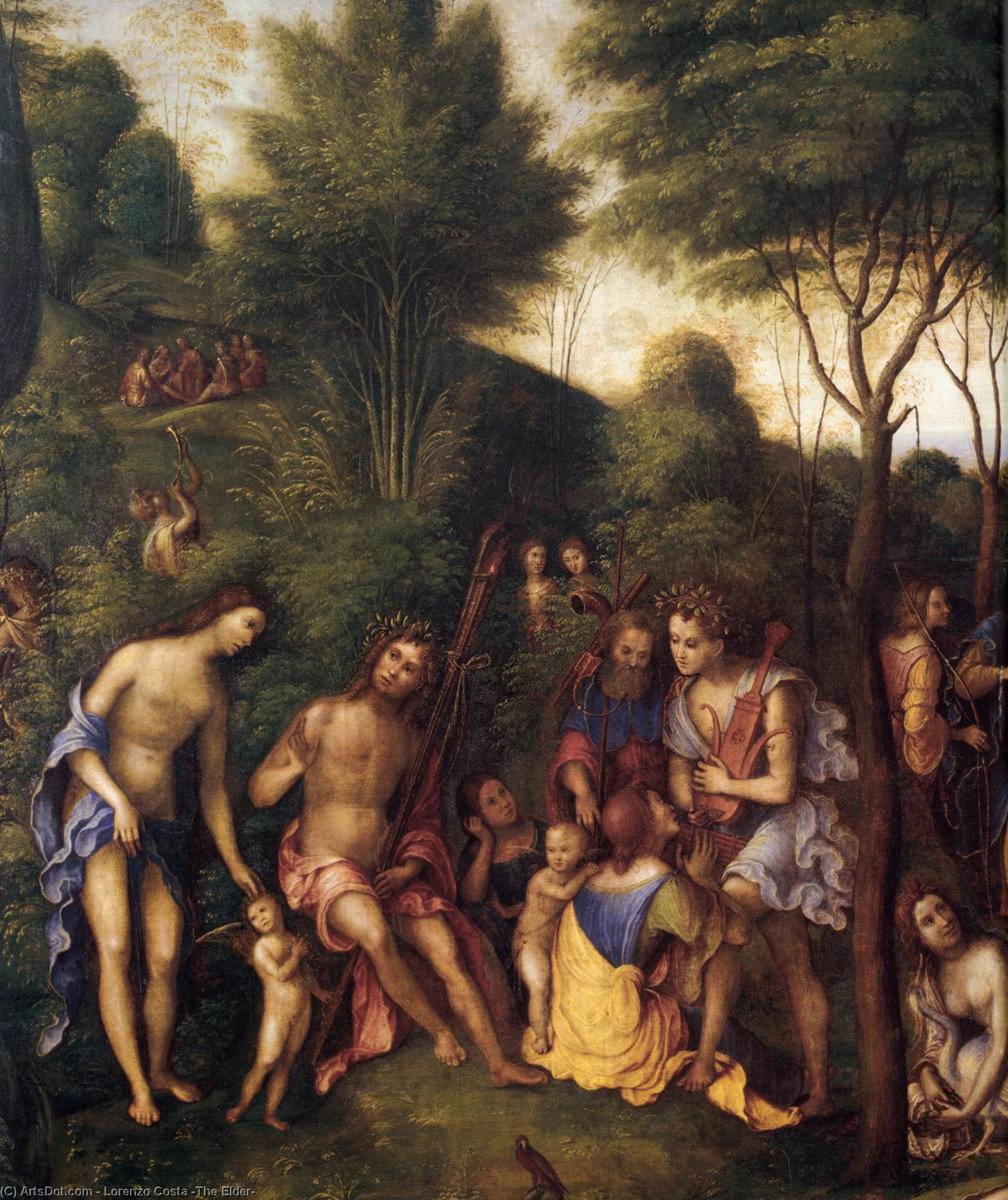
The Reign of Comus (detail)


 詳細を見る
詳細を見る




P118B $10

P118H $10

P118W $10

P438Z $10

P508JH $12

P508YH $12

P805H $10

P805Z $10

P919BZ $10

P919G $10

P919XJ $10

P959ZH $10

P968JZ $12

W106C $8

W218G $10

W218JH $8

W218Y $10

W307PJ $10

W316G $10

W316PJ $8

W316Y $10

W398PJ $8

W4111J $10

W500HY $15

W500JH $15

W692G $12

W849H $8

W940BG $15

W953PJ $8




作品のオリジナル比率に合わせた、当店の規定サイズからお選びください。

特定のフレームやスペースに合わせて、ご希望のサイズをご入力いただけます。選択されたサイズが元の画像の比率と異なる場合、アートワークをトリミングするか、手描きで要素を追加して絵画を拡張いたします。デジタルモックアップ を制作し、制作開始前にご確認(承認)をいただきます。
画面上のプレビューは、実際のトリミングや拡張を正確に反映しているものではありません。最終的な構図は、モックアップによってのみ正確にご確認いただけます。
カスタムサイズもご利用いただけますが、元の比率を維持するためには、あらかじめ用意されたリストからサイズを選択することをお勧めいたします。
ご注文後、ArtsDot.com チームより詳細な指示をお送りするとともに、仕上がりイメージ(モックアップ)をご提供いたします。


 ガラスオプションは、110cm未満のサイズでのみご利用いただけます。

The Reign of Comus (detail)
複製技法
複製画のサイズ
-


合計金額
$ 263
作品解説
A Glimpse into Myth and Majesty
Lorenzo Costa’s “The Reign of Comus,” completed in 1511, isn't merely a painting; it’s a meticulously crafted window into the opulent world of Isabella d’Este, Marchioness of Mantua. This captivating work, now residing within the hallowed halls of the Louvre Museum, offers a vibrant tableau of celebration, intrigue, and the enduring power of myth – a testament to the Renaissance’s fascination with classical ideals and humanist thought. More than just a depiction of revelry, it's a carefully orchestrated visual poem, brimming with symbolism and reflecting the sophisticated tastes of its discerning patron.
(Image courtesy of Musée du Louvre)
A Courtly Celebration and a Complex Narrative
Commissioned for Isabella’s private studiolo – a miniature, richly decorated chamber designed as her personal sanctuary – “The Reign of Comus” embodies the spirit of Renaissance court life. The scene unfolds within a grand hall, overflowing with figures engaged in a joyous celebration. A central group, dominated by a woman dressed in blue and holding a baby, immediately draws the eye. Around her swirl musicians playing lutes and pipes, dancers twirling with abandon, and noblemen indulging in feasting and merriment. Yet, beneath this surface of exuberant festivity lies a complex narrative rooted in classical mythology.
The painting’s title refers to Comus, a figure from John Milton's epic poem *Paradise Lost*, representing the ideal of pastoral innocence and virtue. Costa skillfully weaves elements of this mythic character into the scene, suggesting a harmonious balance between earthly pleasures and spiritual ideals – a key theme within Isabella d’Este’s courtly world.
The Painter’s Technique: Softness and Atmospheric Depth
Lorenzo Costa was renowned for his distinctive style, characterized by a remarkable softness of color and an exceptional ability to create atmospheric depth. In “The Reign of Comus,” this is immediately apparent. The figures are rendered with delicate brushstrokes, their forms subtly blended into the surrounding space. He masterfully employs sfumato – a technique borrowed from Leonardo da Vinci – to soften edges and create a hazy, dreamlike quality. This contributes significantly to the painting’s overall sense of warmth and intimacy.
The use of rich, layered colors—deep reds, blues, golds, and greens—further enhances the visual impact. Notice how Costa uses light to guide the viewer's eye through the crowded scene, highlighting key figures and creating a dynamic interplay between illumination and shadow. The background, filled with trees and foliage, provides a sense of depth and reinforces the feeling that this is an outdoor celebration.
Symbolism and Historical Context
Beyond its immediate visual appeal, “The Reign of Comus” is laden with symbolism. The presence of musicians suggests harmony and artistic expression, while the dancers represent grace and elegance. The woman holding a baby symbolizes fertility and continuity – important themes within Renaissance art. Furthermore, the painting’s creation coincided with Isabella d'Este’s reign, a period marked by intellectual ferment and artistic patronage. She was a keen collector of art and literature, and her studiolo served as a showcase for her refined taste and humanist ideals.
The work’s commission reflects the importance of courtly entertainment and the celebration of human achievement during this era. It's a vibrant snapshot of a world where art, music, and social interaction were intertwined, creating an atmosphere of unparalleled splendor and intellectual stimulation. “The Reign of Comus” stands as a powerful reminder of the enduring legacy of the Renaissance and its profound influence on Western art.
関連作品

アーティストの略歴
神話と信仰を描いた画家:ロレンツォ・コスタの生涯
ロレンツォ・コスタ(1460–1535)は、イタリア・ルネサンスという華々しい芸術的景観における礎石とも言える存在であり、フェラーラ派およびボローニャ派の知的なダイナミズムを体現しています。活気あふれる都市フェラーラに生を受けたコスタは、精神的な献身とヒューマニズム的な探求の境界が美しく溶け合っていた時代にその才能を開花させました。彼の作品群は、様式美の優雅さと深い精神的瞑想が見事に融合しているのが特徴であり、その類まれな資質によって、宗教機関の複雑な要求と、当時の最も洗練された世俗的な宮廷の両方において、確固たる地位を築くことができました。彼の筆致を通じて、神聖なるものの空想的な光は、古典神話の構築された優美さと出会い、ルネサンス精神に深く共鳴する視覚言語を生み出したのです。形成期と光の習熟
コスタの初期の生涯に関するアーカイブ資料はいくぶん断片的ではありますが、彼の芸術的なDNAが北イタリアの工房において明確に形作られたことは間違いありません。ボローニャにおいて、巨匠フランチェスコ・フランチャのもとで厳しい修行を積んだことは広く知られています。この師弟関係は彼にとって変革的なものであり、細部への緻密なこだわりや、レオナルド・ダ・ヴィンチが広めた技法であるスフマート(色彩を煙のように微細にぼかす技法)への初期の心酔を彼の中に植え付けました。フランチャからコスタは、遠近法への深い理解と、ドラマチックなキアロスクーロ(明暗法)の用法を継承しました。これにより、彼は影の中から人物を彫り出し、構図に前例のない奥行きと感情的な重みを与えることを可能にしたのです。この技術的基盤があったからこそ、彼は単なる写実を超え、主題を取り巻く空気そのものを捉えようと試みることができたのでした。マントヴァ宮廷の輝き
コスタのキャリアが最高潮に達したのは、マントヴァ侯爵夫人であるイザベラ・デステの宮廷画家という名誉ある地位を手にした時でした。ヨーロッパ史上、最も強力で鋭い審美眼を持つパトロンの一人であったイザエラ・デステは、芸術に対して、視覚的な勝利であると同時に知的な謎解きでもあるような作品を求めました。彼女の注視の下、コスタの作品は複雑な神話的寓意やヒューマニズムの理想を取り入れる方向へと進化していきました。彼の絵画は単なる宗教的な図像を超え、学者や貴族たちに向けた洗練された物語へと変貌を遂げたのです。この時期の彼の活動は、以下のような特徴によって彩られていました。- 古典的なギリシャ・ローマ神話の、当時のイタリア絵画への融合。
- あらゆる身振りや植物の細部に意味が込められた、象徴性への高度な集中。
- 宮廷の嗜好に求められる繊細な優雅さを伝える、柔らかく情緒的な様式の洗練。
遺産と歴史的意義
ルネサンスが進展するにつれ、コスタの影響はフェラーラとボローニャの芸術コミュニティへと波及し、イタリア派の発展に消えることのない足跡を残しました。フェラーラ派の巨匠たちが持つ力強く感情的な伝統と、ボローニャ派の画家たちが持つより叙情的で洗練された様式を調和させる彼の能力は、独自の様式的架け橋となりました。新たな芸術運動が台頭し始めた後も、美と物語の均衡に対するコスタの献身は、後継者たちの規範であり続けました。今日、彼は単なる熟練した職人としてではなく、時代の魂を捉えた先見の明のある画家として記憶されています。古代の神話を、キリスト教信仰における聖なる人物たちと同じように、目の前で息づいているかのように感じさせる力を持った芸術家として。
ロレンツォ・コスタ (長子)
1460 - 1535 , イタリア
基本情報
- Artistic Movement Or Style: フェラーラ派およびボローニャ派
- Artists Who Influenced This Artist:
- コジモ・トゥーラ
- フランチェスコ・フランチャ
- Date Of Birth: 1460年頃、イタリア、フェラーラ
- Date Of Death: 1535年3月5日
- Full Name: ロレンツォ・コスタ・イル・ヴェッキオ
- Nationality: イタリア・ルネサンス
- Notable Artworks:
- ヴィーナス(細部)
- サン・ピエトロ・イン・ヴィンコリ礼拝堂、大祭壇画
- 聖母子と聖人
- Place Of Birth: フェラーラ
関連記事

ルーブル美術館の至宝25選:名画と芸術史を巡る旅 | ArtsDot
ルーブル美術館の至宝25選。レオナルド・ダ・ヴィンチ、ミロのヴィーナス…名画の歴史と感動を紐解きます。複製画やインテリアアートも豊富に。ArtsDotで、あなただけの芸術空間を。
Echoes of Olympus: Mythological Narratives in Western Art Through the Ages
Explore the captivating history of mythological narratives in Western art! From ancient Greece to modern masterpieces, discover iconic artworks & symbolism. Expert analysis and high-quality reproductions at ArtsDot.
Civic Virtue and Artistic Rivalry: Patronage and Innovation in the Italian Renaissance Republics, 1400–1600
Explore the Italian Renaissance! Discover how competitive patronage & humanist ideals fueled artistic innovation in republics like Florence & Venice. Expert insights for art lovers and collectors.
Mario Sironi: A Poetic of Modern Italian Identity Through Symbolism & Social Commentary
Explore the profound works of Mario Sironi, a key figure in Italian Modernism. Discover his evolution from Futurism to Metaphysical painting and his powerful social commentary. Learn about his legacy at ArtsDot.
Carlo Carrà: Futurist Visions & Metaphysical Transformations in Early 20th-Century Italian Painting
Explore the artistic journey of Carlo Carrà, a pivotal figure in Italian Futurism & Metaphysical painting. Discover his dynamic compositions, collaborations with de Chirico, and lasting influence on modern art history.