

 プレビュー
プレビュー
 プリントを購入
 シェアする
シェアする シェアする
シェアする
 詳細を見る
詳細を見る

 ダウンロード
 似ている作品
 X線調査
X線調査 スライドショー
Venus
 Oil On Canvas
- WallArt
- Renaissance
 1493
1493 151.0 x 69.0 cm
 ウフィツィ美術館
 詳細を見る
詳細を見る




P118B $10

P118H $10

P118W $10

P438Z $10

P508JH $12

P508YH $12

P805H $10

P805Z $10

P919BZ $10

P919G $10

P919XJ $10

P959ZH $10

P968JZ $12

W106C $8

W218G $10

W218JH $8

W218Y $10

W307PJ $10

W316G $10

W316PJ $8

W316Y $10

W398PJ $8

W4111J $10

W500HY $15

W500JH $15

W692G $12

W849H $8

W940BG $15

W953PJ $8




作品のオリジナル比率に合わせた、当店の規定サイズからお選びください。

特定のフレームやスペースに合わせて、ご希望のサイズをご入力いただけます。選択されたサイズが元の画像の比率と異なる場合、アートワークをトリミングするか、手描きで要素を追加して絵画を拡張いたします。デジタルモックアップ を制作し、制作開始前にご確認(承認)をいただきます。
画面上のプレビューは、実際のトリミングや拡張を正確に反映しているものではありません。最終的な構図は、モックアップによってのみ正確にご確認いただけます。
カスタムサイズもご利用いただけますが、元の比率を維持するためには、あらかじめ用意されたリストからサイズを選択することをお勧めいたします。
ご注文後、ArtsDot.com チームより詳細な指示をお送りするとともに、仕上がりイメージ(モックアップ)をご提供いたします。


 ガラスオプションは、110cm未満のサイズでのみご利用いただけます。

Venus
複製技法
複製画のサイズ
-


合計金額
$ 263
作品解説
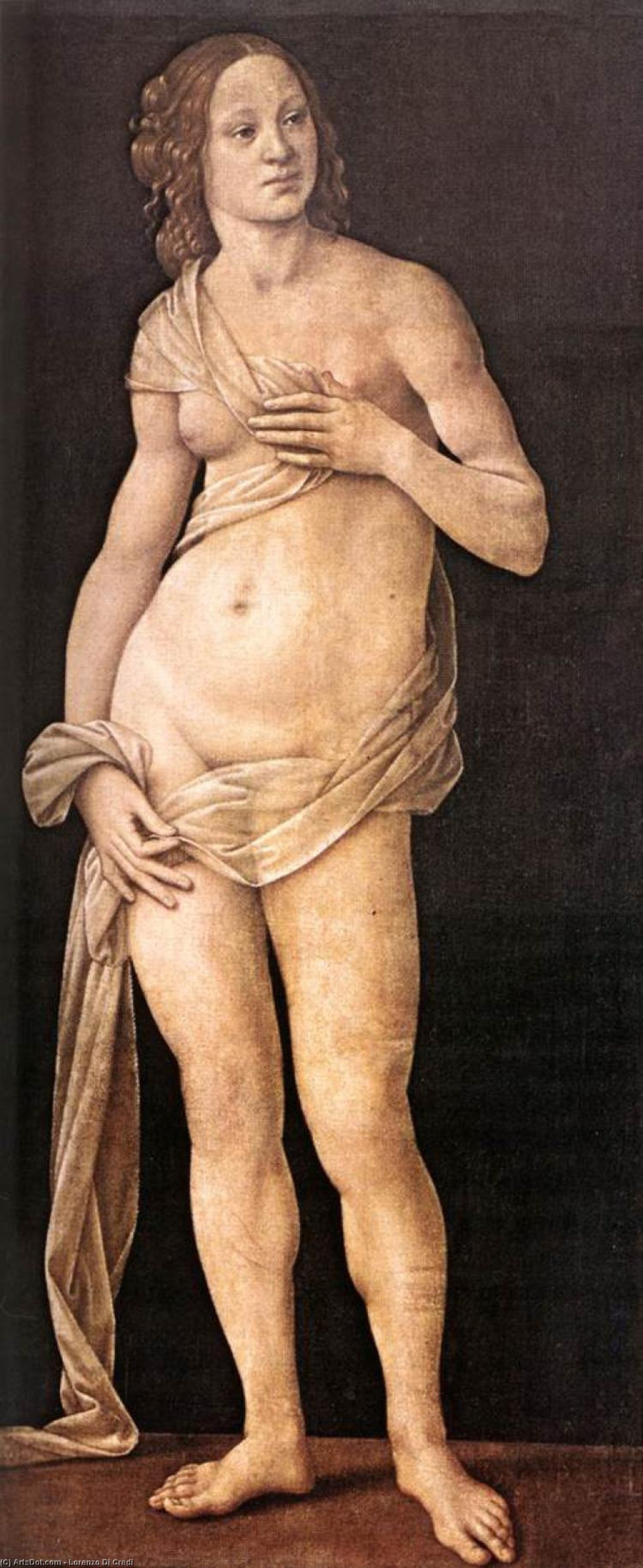
The Enigmatic Venus by Lorenzo di Credi
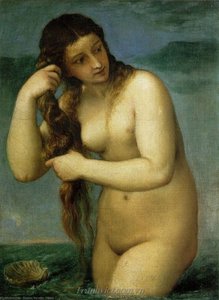
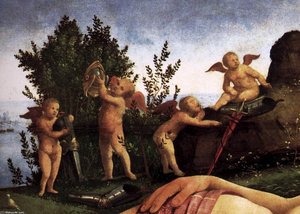
Lorenzo di Credi’s “Venus,” painted in 1493 during the vibrant heart of the Florentine Renaissance, isn't merely a depiction of the Roman goddess; it’s an exquisitely rendered meditation on beauty, desire, and the very essence of feminine grace. This oil-on-canvas masterpiece, currently residing within the hallowed halls of the Galleria degli Uffizi in Florence, transcends simple portraiture to become a profound exploration of classical ideals through a distinctly human lens. Di Credi’s skill lies not just in his technical mastery—evident in the delicate rendering of skin and fabric—but also in his ability to imbue the subject with an almost palpable sense of quiet contemplation.
The painting immediately draws the eye to Venus's pose, a subtle yet powerful arrangement that speaks volumes. She stands slightly turned away from the viewer, her gaze directed towards some unseen horizon. One hand gently lifts her garment, revealing a sliver of her form—a deliberate gesture that hints at both vulnerability and alluring confidence. This isn’t the overtly sensual Venus often portrayed in later art; instead, Di Credi presents a figure imbued with an air of modesty and thoughtful introspection. The composition is remarkably balanced, utilizing dark, receding backgrounds to amplify the luminosity of Venus herself, creating a sense of depth that draws the viewer into her world.
A Renaissance Masterpiece: Technique and Style
Di Credi’s style exemplifies the burgeoning naturalism that characterized Florentine art during this period. He skillfully employs *sfumato*, a technique perfected by Leonardo da Vinci, to soften edges and create an atmospheric haze around Venus's form. This subtle blurring contributes significantly to the painting’s ethereal quality, lending her an almost dreamlike appearance. The use of light is particularly masterful—a diffused glow illuminates her face and upper body, while shadows gracefully drape across her garment, adding volume and dimension. The canvas itself appears remarkably smooth, a testament to Di Credi's meticulous preparation and application of paint.
Notably, the painting’s palette is restrained yet sophisticated, dominated by muted earth tones—ochres, browns, and creams—that evoke the rich textures of velvet and silk. These colors are expertly layered to create subtle variations in tone and value, further enhancing the sense of realism. The artist's attention to detail extends beyond mere representation; he captures not just the outward appearance of Venus but also a suggestion of her inner life – a quiet serenity that invites contemplation.
Symbolism and Historical Context
Venus, as a figure in Roman mythology, represented love, beauty, fertility, and prosperity. In the context of 15th-century Florence, however, she took on additional significance. The Renaissance was a period of renewed interest in classical antiquity, and artists sought to emulate the ideals of Greek and Roman art. Venus, as the embodiment of these ideals, became a powerful symbol of human potential and beauty. Di Credi’s painting reflects this cultural shift, presenting Venus not merely as a goddess but as an aspirational figure—a representation of the perfect woman.
The painting was created during a time of great artistic innovation in Florence, a period marked by the patronage of wealthy families like the Medici. Di Credi’s association with Andrea del Verrocchio, Leonardo da Vinci's master, undoubtedly influenced his style and technique. The painting stands as a testament to this vibrant artistic milieu, capturing the spirit of a city at the forefront of cultural and intellectual change. It is believed that the work was discovered in 1869 within the Medici villa of Cafaggiolo, suggesting it may have been an unfinished piece, adding another layer of intrigue to its story.
Bringing Venus Home: Reproductions and Legacy
Today, meticulously crafted oil-on-canvas reproductions of “Venus” by Lorenzo di Credi are available through ArtsDot.com, offering art lovers the opportunity to own a piece of this remarkable Renaissance masterpiece. These high-quality reproductions faithfully capture the painting’s exquisite detail, color palette, and atmospheric quality, allowing you to bring the beauty and serenity of Di Credi's Venus into your home or office.
Beyond its aesthetic appeal, “Venus” remains a powerful symbol of timeless beauty and human aspiration. It is a reminder that art can transcend time and culture, continuing to inspire and captivate audiences centuries after its creation. Consider this painting not just as an image, but as a window into the artistic spirit of the Renaissance—a testament to the enduring power of beauty and the pursuit of perfection.
アーティストの略歴
ジョヴァンニ・バッティスタ・チマ・ダ・コネリアノ:静謐な美を極めたヴェネツィアの巨匠
ジョヴァンニ・バッティスタ・チマ、通称チマ・ダ・コネリアノは、15世紀末から16世紀初頭にかけてのイタリア・ルネサンスにおいて極めて重要な存在でした。芸術的な躍動感で名高いヴェネツィア共和国に抱かれた小さな町コネリアノで、西暦1459年頃に生まれたチマの生涯とキャリアは、この活気あふれる文化の中心地と切り離すことはできません。その出自はささやかであるように見えますが、彼の作品はすぐに彼をヴェネツィア屈指の独特で影響力のある画家として確立させました。彼は初期ルネサンスのより形式的な様式と、盛期ルネサンスを特徴づける勃興期の自然主義との間に架け橋を架けたのです。彼の遺産は、壮大で劇的な物語の中にあるのではなく、むしろ深い静謐さ、すなわち宗教的主題や親密な家庭の場面に丹念に描き込まれた、ほとんど瞑想的な質感を内包している点にこそ見出されます。初期の影響と修行
チマの初期の芸術的訓練に関する正確な詳細は、いまだ謎に包まれています。確立された工房から恩恵を受けた同時代の多くの画家たちとは異なり、特定の師を特定する証拠は乏しいのが実情です。しかしながら、美術史家たちは一般的に、彼が前世代ヴェネツィアで最も著名な画家であったジョヴァンニ・ベッリーニの作品から深く影響を受けたと同意しています。ベッリーニが重視した大気遠近法、色彩の繊細な使用法、そして宗教的主題にさえ静かな思索の感覚を吹き込む能力は、チマにとって明確に響き渡ったものだったようです。さらに、フィレンツェ・ルネサンス絵画の革新――特に線遠近法と自然主義的なディテールへの強調――をヴェネツィアにもたらした先駆的な芸術家アントネロ・ダ・メッシーナとの繋がりを示唆する説得力のある証拠も存在します。大気のもやに包まれた遠方の山々を描くことが多いチマの風景は、アントネロの作品と驚くほど類似しており、これらの技法を自身のスタイルに取り入れるという意識的な努力が伺えます。また、田園風景の写実的な描写で知られるもう一人のヴェネツィアの画家バルトロメオ・モンターニャの影響も、特に『野原の聖母』において、チマの初期作品から見て取ることができます。様式と技法:静かな思索の世界
チマの芸術的様式は、その目覚ましい静けさによって即座に認識されます。劇的な構図や感情を帯びた場面を好んだ同時代の多くの画家たちとは異なり、チマは一貫して宗教的主題――主に幼子を抱く聖母像、聖ジェロニモの生涯の場面、そして時折の神話的な物語――を描きながらも、驚くほど穏やかで控えめな態度を保っていました。彼の描く人物たちは、まるで彫刻のような質感を持ち、静かな思索を誘う威厳ある静けさを湛えています。彼は華美な装飾や演劇的なジェスチャーを避け、代わりに感情の微妙な表現を捉え、内なる平和の感覚を伝えることに焦点を当てたのです。 チマの作品の重要な特徴の一つは、色彩を巧みに用いた点にあります。彼は茶色、黄土色、緑といったくすんだアースカラーのパレットを好み、調和が取れつつも控えめな視覚効果を生み出しました。絵具の塗りは丹念で正確であり、その結果として生じる表面はほとんどベルベットのような滑らかさを持ちます。決定的に重要なのは、チマの風景が単なる装飾的な背景ではないということです。それらは彼の絵画のムードと雰囲気を確立する上で極めて重要な役割を果たしています。彼は大気遠近法を巧みに用い、奥行きと距離の感覚を生み出し、鑑賞者をその場面へと引き込み、その静謐な美しさに没入させるのです。彼の構図にはしばしば遠方の山々、起伏する丘陵、そしてきらめく湖が描かれ、それらはすべて驚くべきディテールと繊細さをもって描き込まれています。著名な作品と制作
チマの制作量は、多くのヴェネツィアの同時代人たちと比較すると驚くほど控えめでした。彼は大規模なフレスコ画や記念碑的な依頼品というよりも、個人的な祈りのための小規模な絵画――祭壇画、奉納パネル、個人の肖像画――を主に制作しました。彼の最も称賛される作品の中には、現在ヴィチェンツァの美術館に所蔵されている『野原の聖母』(1489年)、フィレンツェのサンタ・キアラ教会にある『羊飼たちの礼拝』(1487年)、そしてヴェネツィアのスキアルゾ修道院のための『キリストの洗礼』などがあります。彼は『聖母子』のような人気のある主題を繰り返し描き直し、一つの構図に無数のバリエーションを生み出しましたが、それらは一つ一つが微妙に異なっていました。これらの反復的な扱いは、単なる技術的な熟練さを示すだけでなく、題材に対する深い理解と、その本質を見事に一貫性をもって捉える能力を証明しているのです。遺産と歴史的重要性
チマ・ダ・コネリアノがヴェネツィア絵画にもたらした貢献は、しばしば過小評価されがちですが、それは紛れもなく重要です。彼はベッリーニの初期ルネサンスの伝統と、ティツィアーノの勃興する自然主義を結ぶ決定的な架け橋として立っています。大気遠近法への強調、色彩の繊細な使用、そして静かな思索の感覚を伝える能力は、後の世代のヴェネツィアの画家たちに道を切り開きました。彼自身がより著名な同時代人たちのような広範な名声や影響力を得ることはありませんでしたが、チマの作品は今なおその美しさ、静けさ、そして深い感情的な深さによって称賛され続けています。彼は、ヴェネツィア美術史という豊かなタペストリーの中に存在する、唯一無二で永続する響きを体現しており、控えめな優雅さと静かな思索の尽きることのない魅力の証なのです。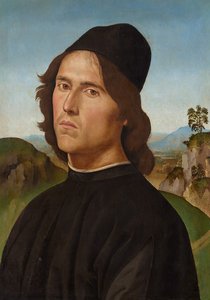
ロレンツォ・ディ・クレディ
1459 - 1537 , イタリア
基本情報
- Artistic Movement Or Style: ヴェネツィア派
- Artists Or Movements Influenced By This Artist: ['ティツィアン']
- Artists Who Influenced This Artist:
- バルトロメオ・モンターニャ
- ジョヴァンニ・ベリーニ
- Date Of Birth: 1459/60年頃
- Date Of Death: 1517/18年頃
- Full Name: ジョヴァンニ・バッティスタ・チマ
- Nationality: イタリア人
- Notable Artworks:
- 樹上の聖母子
- 風景の中の聖ジェロニムス
- 聖母子
- Place Of Birth: コネリアーノ、イタリア
関連記事

ジョット・ディ・ボンドーネ:至高の25選 - ルネサンスの夜明けを彩る傑作たち | ArtsDot
ジョット・ディ・ボンドーネの至高の25選。ルネサンス美術を牽引した巨匠の傑作と、その感動的な物語を紐解きます。高品質な絵画複製やインテリアアートで、名画の世界をあなたの空間に。ArtsDot.com でコレクションをご覧ください。

The Enduring Legacy of Oil on Canvas: Technique, History & Aesthetic Impact
Explore the rich history & techniques of oil painting – from Renaissance masters to Impressionism. Discover pigments, layering methods, and why this timeless medium endures. Expert insights for artists & art enthusiasts.

Oil on Canvas: A Historical & Technical Exploration of a Timeless Artistic Medium
Explore the rich history & enduring techniques of oil painting on canvas. Discover the science behind its longevity, conservation practices, and contemporary relevance. Expert insights for art enthusiasts.

油彩のキャンバス:技法、歴史、そして現代の実践 - 古典美術愛好家へ
油彩の技法、歴史、巨匠たちの秘密を徹底解説。古典美術愛好家向けに、初期フランドル絵画から現代の実践まで深く掘り下げます。ArtsDotで高品質な複製画やカスタムオーダーも承ります。
The Enduring Legacy of Classicism: Principles, Evolution & Influence in Western Art
Explore the enduring legacy of Classicism in Western art! Discover its historical context, key principles, iconic masterpieces & lasting influence. Learn about Renaissance and Neoclassical movements with ArtsDot.

